October 7th
Yamagata is a special film event not only because is a filmfest devoted to documentary, but also because is a place where you can meet and talk with a variety of different people. One of the highlights of the first two days for me was the nice and eye-opening conversation I had with Matsumoto Masamichi, Athénée Français Cultural Center’s director, about Carmelo Bene, his cinema and his Terayama Shuji-like status in Italy and France.
For the morning screening of my second day at the festival, I chose In Memory of the Chinatown by Chen Chun-Tien, a movie that confirmed my idea that the Taiwanese documentary scene is at the moment one of the most intriguing and alive in Asia, particularly for its tendency to hybridizing genres and experimenting with form.
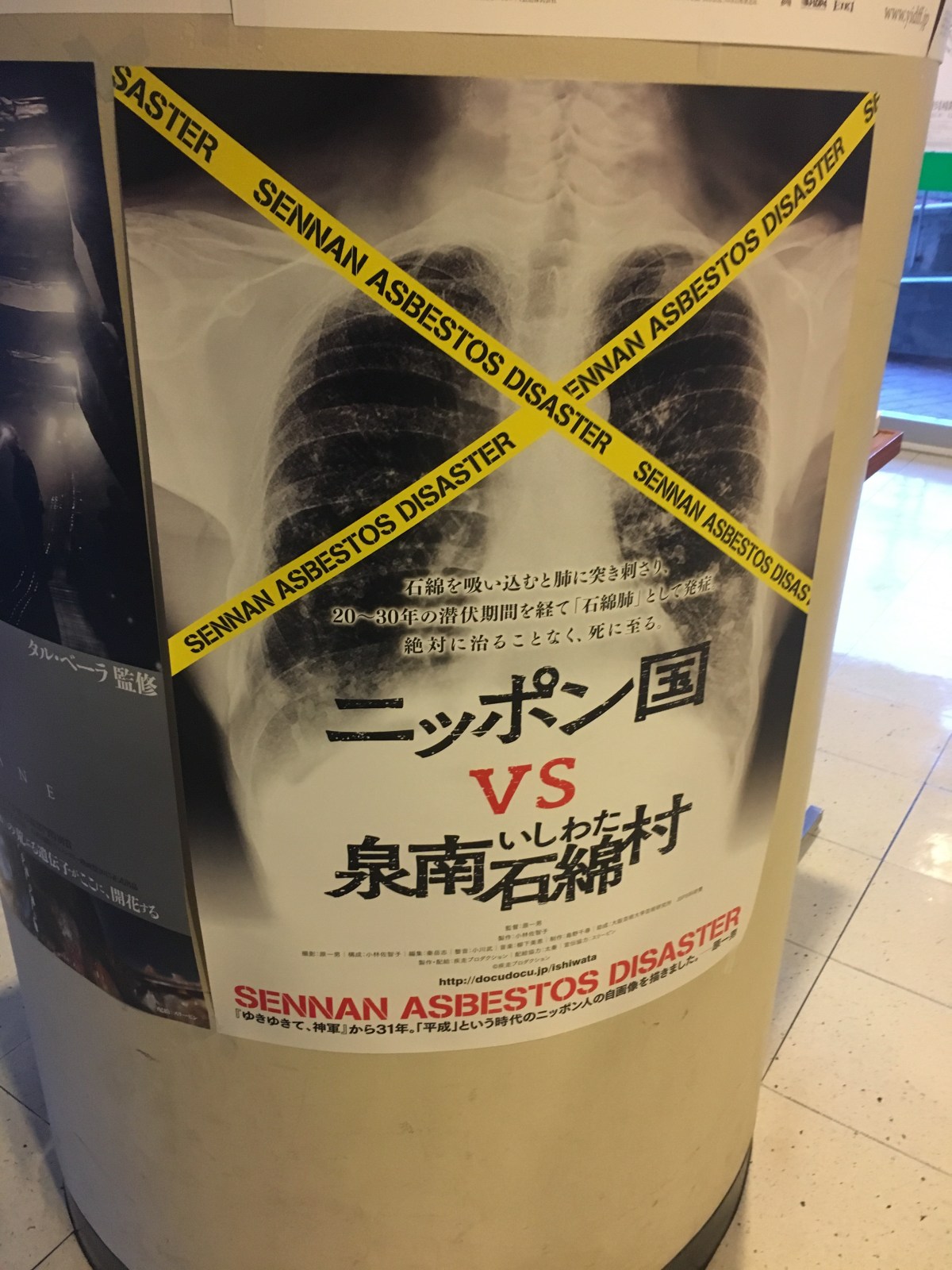
My afternoon screening was Sennan Asbestos Disaster, the latest movie by Hara Kazuo and the first one he shot, for a theatrical released at least, in a very long time. The viewing experience was one of the best I had so far in Yamagata, because I was sitting among the people appearing in the film, those affected by the asbestos pollution. Their comments and laughing aloud during the screening made it a really touching experience.
The last screening of the day I attended was dedicated to the short experimental films made by the late Matsumoto Toshio. The selection included
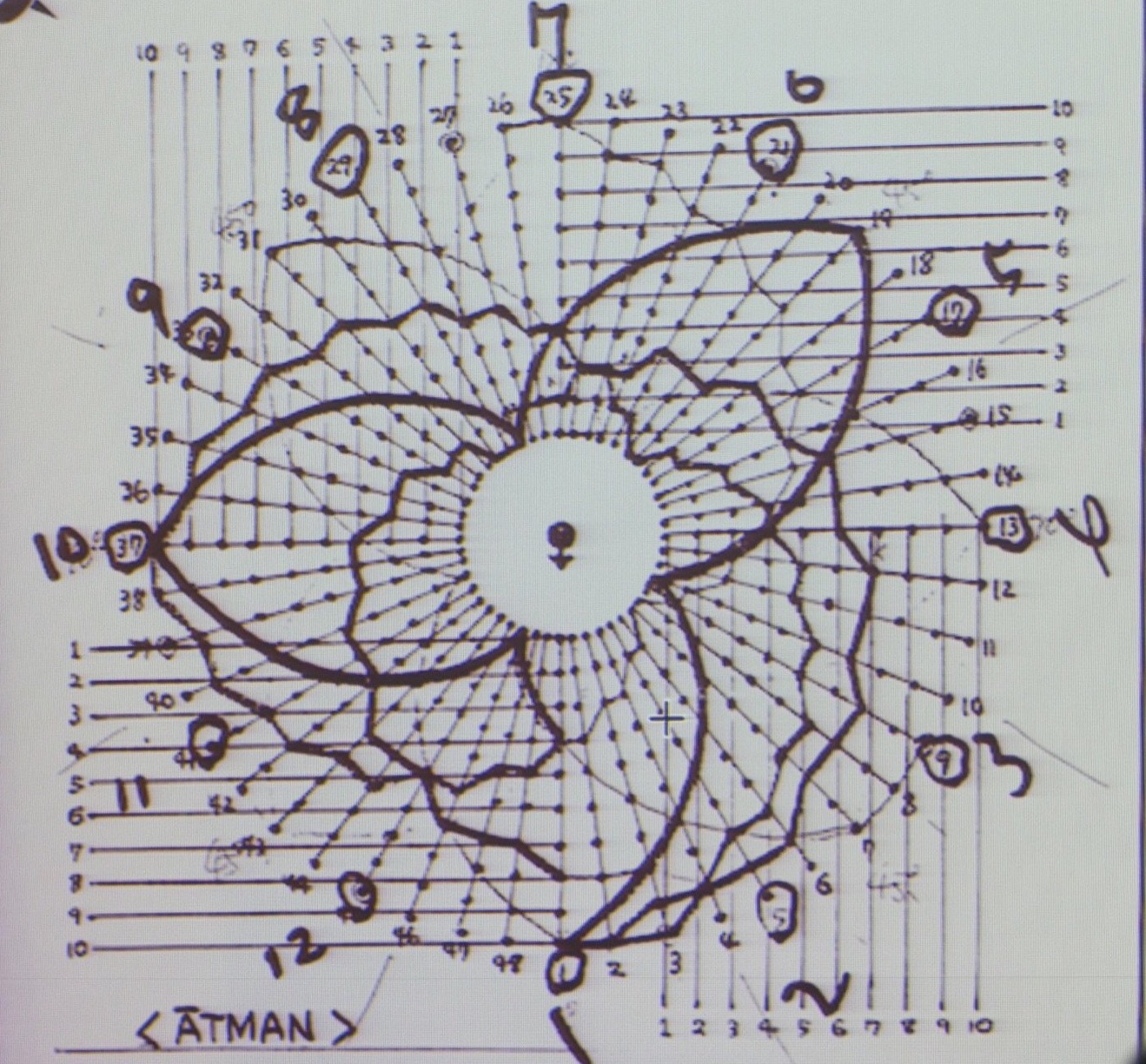
Mona Lisa, Atman, Everything Visible Is Empty, White Hole, Relation and Sway. Seeing them on the big screen and in 16mm was amazing, especially Atman was a hallucinatory trip. The screening was followed by a talk by Takashi Ito, who explain his relationship with Matsumoto and revealed some interesting and unknown fact about Atman (the diagram for shooting the movie designed by Matsumoto looked like a mandala, the person wearing the hannya mask was in fact a mannequin and the movie was shot using infrared film).

 Asian Docs