This year edition of the Yamagata International Documentary Film Festival is, like many other events in the past two years, taking place exclusively online. The festival is available only for viewers in Japan and will end next Thursday (October 14th). This is a first dispatch, others, will possibly follow.
(Synopses are from the official homepage of the festival)
Pickles and Komian Club (2021, Satō Kōichi) Questions and heartbreak emerge from the closing of long-established pickled foods store, Maruhachi Yatarazuke, whose 135-year operation was brought to an abrupt end during the pandemic. The film follows the store owner, forced to make a difficult decision, and those who freely gathered at the store and supported the space. If you have attended at least once the YIDFF, you certainly know about Komian Club, the place where all the people of the festival, directors, producers, cinema lovers, press, or just people from the prefecture, used to gather and discuss about cinema, fueled by sake, beer, or just pure passion for documentaries. Unfortunately, the place, together with the pickled store that ran it, closed down and was demolished, in part due to the pandemic. The documentary is a nice glimpse of what the Komian represented for the documentary community in Yamagata, but also a look at the dire situation of old and historical properties and buildings in peripheral areas in Japan.

Self-Portrait: Fairy Tale in 47KM (2021, Zhang Mengqi) The newest instalment in a series set in a small village in a mountainous region in China. In the winter marking ten years since the director began filming, she tries to get a new building constructed in the village. The girls, who had thus far been the subjects of her films, take up the camera themselves, and begin recording scenes of the village. This is a lovely addition to the series the director has been making since 2011, here the focus is on the children and their interaction with the landscape they inhabit, always breathtaking I have to say, through the mediation of video cameras.
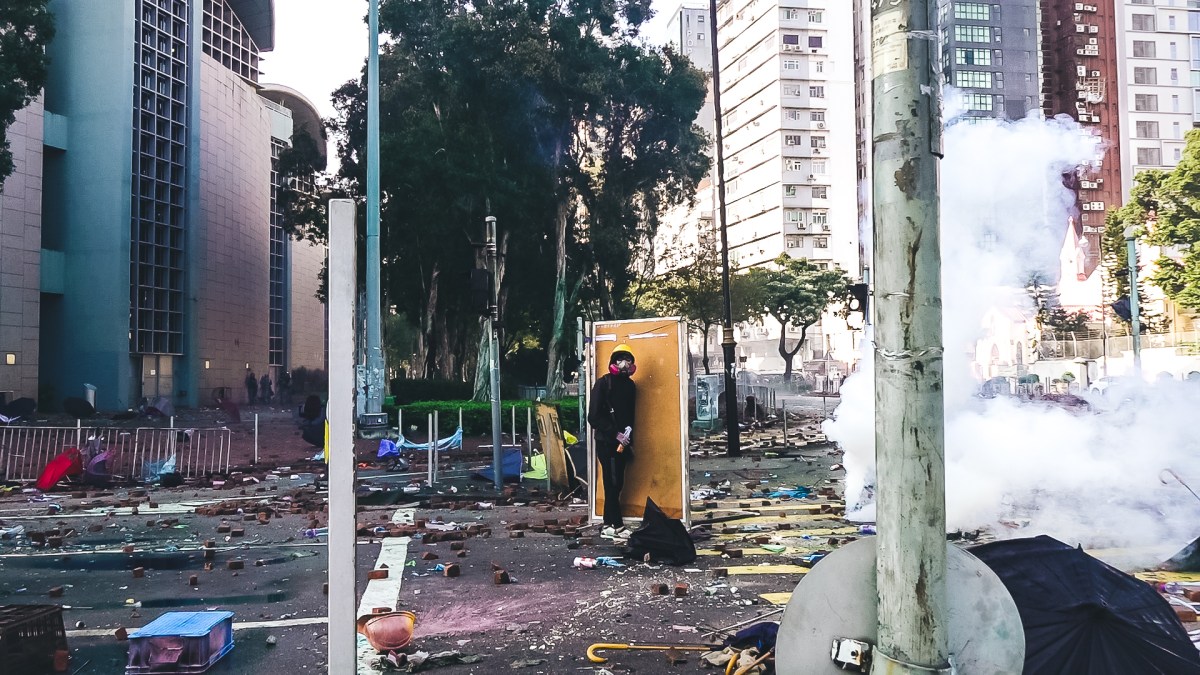
Whiplash of the Dead (2021, Daishima Haruhiko) Weaving together the memories of a university student who lost his life in the First Haneda Struggle in 1967 through the words of his bereaved family and ex-classmates, this film turns the memories of those who protested against government power into questions for the future. The movie is comprised of two parts, for a total of 3 hours and 20 minutes. While in the first 90 minutes the director focuses on the events preceding and leading to the the death of Yamazaki, in the second segment (it could easily have been another movie), the protagonists of the students protests of the late 1960s, now in their 70s, reflect on the reasons of the implosion of the Japanese new left and its movements. The latter part is definitely the one I latched more with, listening to some of the protagonists of the season of politics in Japan, explaining how the hierarchical structure of the factions, the almost military attitude of its members, and last but not least, how the uchi-geba, the internal purges, de facto destroyed the movements, was mind-opening. Of course I’ve read about it in books and papers, and watched movies depicting this falling (and even wrote about it), but hearing it from the people who were on the frontline, was, weirdly enough, liberating.
The story of the Mito family, not affiliated with any left group, but a family that helped the young protesters in prison, and later promoted anti-nuclear activism, and whose members (father and two sons) tragically died in 1986, is so fascinating, that would deserve its own documentary.
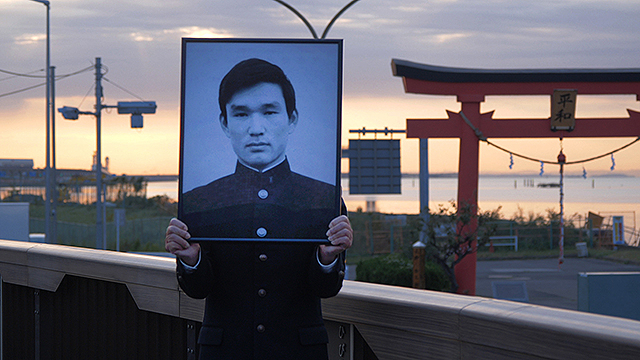
Inside the Red Brick Wall (2020, Hong Kong Documentary Filmmakers) Hong Kong, shaken by the “one country, two systems” policy. November 2019, protestors calling for democratic reform are besieged in a university by heavily armed officers. In scrupulous detail, these anonymous filmmakers capture the worn out and anxious youth who are being beat into submission by the violent and cunning forces of power. This was for me the highlight of the festival, so far. Not only a raw punch in the stomach and a visceral viewing experience, but also and incredibly fascinating film on so many other different levels. First of all, there’s the emotional and political side of the resistance, seeing the events of the siege after almost two years, and from a different point of view was, once more, enraging. The second part of the film, when many of the young students broke down, cried and walked out, defeated, from the campus, often criticized by their comrades, was — although something I’ve seen over and over again in the documentaries about the Japanese protests of the 1960s and 1970s—heartbreaking. What was also extremely fascinating, was that all the young people wearing gas-masks and gear, for protection and for anonymity, formed, shall we say, a multitude, a resistance, expressed not through the act of individuals, although there are some speakers who stand out, but more through a sense community and togetherness. It is true that it’s a community that in the second part of the documentary, as I said above, partly dissipates. However, for the period of the siege, twelve long days, it shone as a fight of the multitude.
Very interesting was also how the documentary, by filming the violence between riot police, students, aid people, and members of the press (mainly independent press that live-streamed the battles on the internet) was able to capture and create a very powerful sense of space and proximity. A visual cartography of violence, but also of resistance.
Other documentaries I’ve watched: Entropy (2021, Chang Yu-sung), a short and abstract experimentation with images shot in a mine; It’s Just Another Dragon (2020, Taymour Boulos); Broken (2021, Nan Khin San Win) a short but touching portrait of abuse and violence in Myanmar. Her Name Was Europa (2020, Anja Dornieden, Juan David González Monroy) a playfully and fascinating trip into the obsession of recreating/simulating/reviving things from the past/present with a deranged and derailed finale. Afternoon Landscape (2020, Sohn Koo-yong), more an installation than a movie, better to be experienced on the big screen probably; Nuclear Family (2021, Erin Wilkerson, Travis Wilkerson) a descent into the heart of darkness of the US; and The Still Side (2021, Miko Revereza, Carolina Fusilier) the latest from the talented duo Revereza/Fusilier, but one I could not really connect with.
 Asian Docs
One thought on “Yamagata International Documentary Film Festival 2021 (online) – first dispatch”