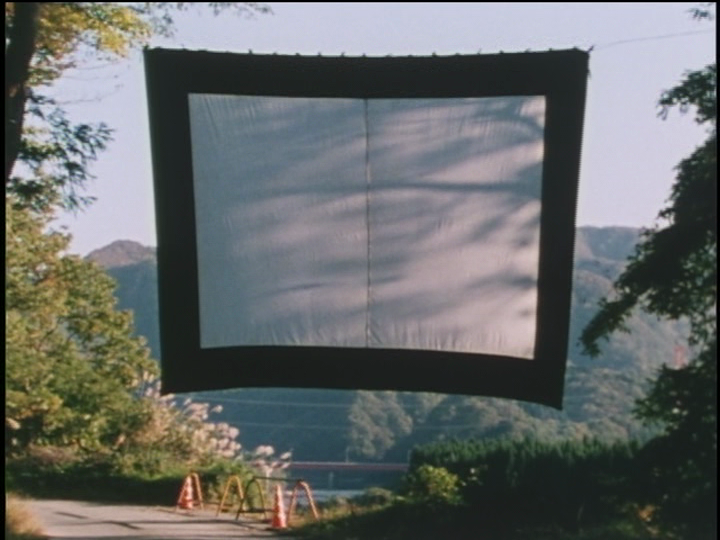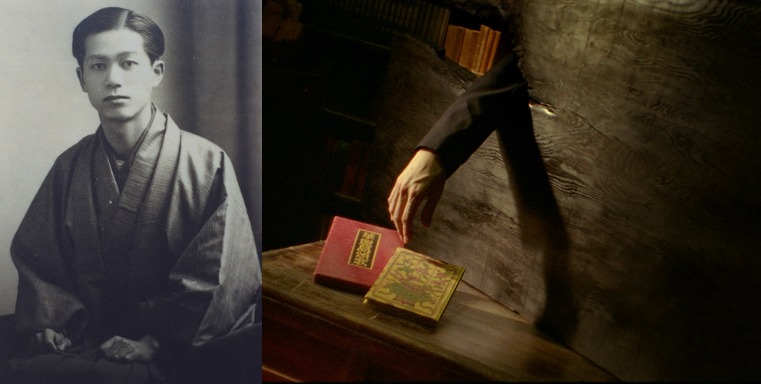
Some thoughts on Le Moulin (Huang Ya-Li, 2015)

TheMoulin_Taiwan4

Le Moulin is one of the most challenging and interesting documentaries I’ve had the chance to watch during the past year, thought-provoking in its formal construction and revealing in its themes, the cultural and poetic movements that stirred Taiwan in the last part of the Japanese colonial period. The movie is directed, scripted and photographed by Huang Ya-Li, a young independent experimental Taiwanese filmmaker. His video poetry The Unnamed in 2010 was nominated by the 33th Golden Harvest Awards for Outstanding Short Films (Best Experimental Short Film) in Taiwan and was presented in many countries around the world.

Here the description of the movie:

Taiwan had already been under Japanese rule for forty years, and was in a stable period of cultural assimilation, when the country’s first modern art group – ‘Le Moulin’ – arose in the 1930s in a poetic protest against the colonial power’s cultural superiority. The name reflected the small group’s orientation towards the West and especially France, with the surrealists as their absolute role models. In an uncompromising and aesthetically sophisticated reconstruction of the group’s underground activities, the young filmmaker Huang Ya-Li has created a delicate and evocative feature film debut about a historical period that paved the way for a new freedom and self-awareness. A film where tableaux and beautifully calligraphed texts surround the ‘Moulin’ members, and where you sense an echo of their fellow Taiwanese writer Hou Hsiao-Hsien’s epic and elliptical period dramas.

Because of its “headless” structure it’s really difficult, if not impossible, to write a “normal” review, mirroring the construction of the film itself, I’ve tried to randomly accumulate a series of reflections instead.

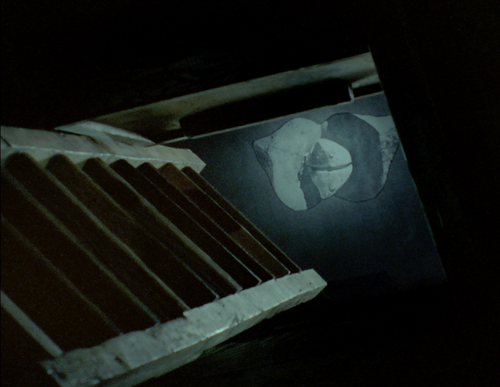
Stylistically the movie is a deluge of poetic words & images from a variety of sources: painting, movies, poetry, photos, reenactment and radio programs.

Photos of the French surrealists themselves, lots and lots of their works, Dali, Breton, Cocteau, etc. everything is shown accompanied by spoken poetry written in Japanese by the Moulin group members themselves.

A sort of collage of photos, at least in the first part, a la mode of the Surrealist, but also the dadaists and their Japanese counterpart: fascination with machines, trains & speed, fragmentation of perception through objects.

Footage of Tokyo during the 30s, footage of the Maso festival

The fascination and admiration of the Taiwanese poets with Jean Cocteau and his works is one of the pivotal moment of the movie, he visited Japan for 3 days in May of 1936 where he had the chance to watch a kabuki play and was very impressed by it.

In the enacted sequences, never the faces of the people are shown, but most of the time we see hands, writing, turning pages, lighting cigarettes and holding books or photos. A choice in style that encapsulate the mood of the movie, anti-narrative, non-linear, accumulative and elliptical. Although it proceeds somehow chronologically, from the early 20th century to the total mobilization of the end of the 30′ and Pearl Harbor in 1941, a change in mood and attitude is reflected in the texture of the movie after the deteriorating relationship between Taiwanese and Japanese poets in the late part of the decade, the Allied bombing of Taiwan and, after the surrender, the arrival of “fatherland China” and its sour aftermath.

All in all, the movie functions like a huge and complex poem constructed with digital images, footage, written and spoken poetry, and minimalist music, a cubistic landscape of an era and of the poetic instances traversing the period and the place, occupied Taiwan.

The Moulin is in no way an easy watch, but nonetheless a very rewarding experience able to trail blaze uncharted cinematic territories.
TheMoulin_Taiwan2

Best 10 Japanese documentaries – my list

As a reminder that you still have a month to join the poll “Best 10 Japanese documentaries of a time” I’ve put together my list. I left out many good and inspiring documentaries made in recent years (Genpin, No Man’s Zone, Flashback Memories and others) and I’ve cheated twice, but anyway:

vlcsnap-2013-10-27-18h56m10s89
Fighting Soldiers (戦ふ兵隊, 1939 Kamei Fumio)

/home/wpcom/public_html/wp-content/blogs.dir/279/79975380/files/2015/01/img_3366.jpg
Children Who Draw (絵を描く子どもたち, 1956 Hani Susumu)

AKA-SerialKiller
A.K.A. Serial Killer (略称・連続射殺魔, 1969 Adachi Masao, Iwabuchi Susumu, Nonomura Masayuki, Yamazaki Yutaka, Sasaki Mamoru, Matsuda Masao)

motoshinkakarannu
Onikko (鬼ッ子 闘う青年労働者の記録, 1969) and
Motoshinkakarannu (沖縄エロス外伝 モトシンカカランヌー 1971) by NDU/Nunokawa Tetsurō

Minamata_Victims
Minamata: The Victims and Their World (水俣 患者さんとその世界, 1971 Tsuchimoto Noriaki)

hetaburaku083
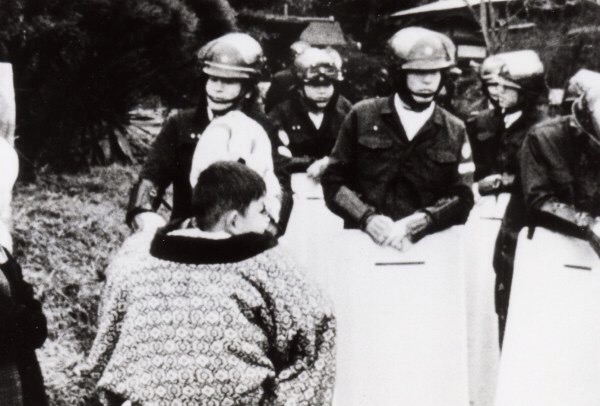
Sanrizuka: Heta Village (三里塚 辺田部落,1973) and
Magino Village – A Tale / The Sundial Carved With A Thousand Years of Notches (1000年刻みの日時計 牧野村物語, 1986) by Ogawa Pro

akamata
Song of the Akamata–The life histories of the islanders, Komi, Iriomote Islands, Okinawa (海南小記序説・アカマタの歌-西表・古見, 1973 Kitamura Minao)

/home/wpcom/public_html/wp-content/blogs.dir/279/79975380/files/2015/01/img_3040.png
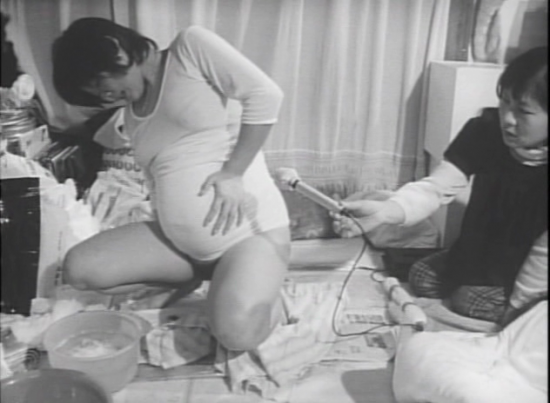
Extreme Private Eros 1974 Love Song (極私的エロス・恋歌1974, 1974 Hara Kazuo)

/home/wpcom/public_html/wp-content/blogs.dir/279/79975380/files/2015/01/img_3370.jpg
The Cherry Tree with Gray Blossoms (薄墨の桜, 1977 Haneda Sumiko)

Memories_Agano1
Memories of Agano (阿賀の記憶, 2004 Satō Makoto)

Holiday Movie 2009-2013 (休日映画 2009-2013)

Holiday Movie 2009-2013 (休日映画 2009-2013)

Regia, montaggio, fotografia, soggetto, sonoro: Saitō Masakazu. Durata: 52′
Formato: digitale

Il regista Saitō Masakazu riprende nei giorni di vacanza la sua piccola figlia e la sua famiglia, dalla nascita fino ai quattro anni, alternando impressioni della quotidianità della bambina che cresce con notizie e preoccupazioni provenienti da Fukushima.

Presentato all’ultima edizione dell’Image Forum Film Festival, una manifestazione dedicata a scoprire o/e celebrare i film sperimentali e finanche le videoinstallazioni e tutto ciò che di interessante esce dalla cultura visiva giapponese ed internazionale, intesa in senso molto lato, Holiday Movie è in tutto e per tutto un home movie. Un video diario cioè, dove l’oggetto stesso del lavoro è qualcosa di personale e legato alla sfera privata del suo regista, Saitō Masakazu, in questo caso la nascita della prima figlia e la sua crescita nel corso di 4 anni, il tempo coperto dal film va infatti dal 2009 al 2013.
È necessario porre questo lavoro nell’ambito di competenza, quel filone del del self documentary o meglio del diary film, lanciato a livello internazionale da Reminiscences of a Journey to Lithuania (1972) di Jonas Mekas ed in terra giapponese da Suzuki Shiroyasu con Impressions of a Sunset (Nichibotsu no insho) nel 1975. Interessante è notare come sia Mekas che Suzuki abbiamo operato in vari modi anche nell’ambito del film sperimentale, cosa che getta una luce più ampia sul retroterra che ancora oggi è presente quando si parla di certo diary movie. Ci sembra proprio che questo Holiday Movie, pur nella sua apparente semplicità, si possa tranquillamente inserire in questo discorso e filone. Non sempre naturalmente ma è ben presente nel lavoro una coscienza verso le forme ed i limiti del linguaggio cinematografico, una consapevolezza che dà forma e ritmo al lavoro di Saitō, al contrario di molte opere dello stesso tipo però ed anche di molti documentari giapponesi realizzati in questi ultimi anni, la cura riservata alla forma, con particolare attenzione verso montaggio, framing e colore, dona a questo Holiday Movie una freschezza ed una spontaneità, anche se sapientemente filtrata, che raramente si trova in altri lavori di questo tipo. Alla fine è un vero e proprio piacere per i sensi la visione di questo lavoro, la nascita e lo sviluppo della piccola, con le sue difficoltà, i suoi tentativi di esprimersi, la sua voglia di esplorare il mondo circostante ed infine il suo relazionarsi con l’ambiente circostante, anche se ristretto ai soli periodi di vacanza in cui il padre ha potuto filmare, è reso con un tocco assai delicato ed a tratti molto divertente. L’uso del digitale poi è da manuale, il (nuovo) mezzo viene esplorato ed usato alla perfezione con alcune reminescenze, specialmente nell’uso dei colori, dei contrasti e della composizione delle inquadrature, quasi godardiano. Il lavoro si sviluppa come detto per 4 anni ed è puntuato, non in maniera opressiva, dalle notizie provenienti da Fukushima che danno un’ampiezza di vedute a quest’opera-diario ancora maggiore e che amplificano le preoccupazioni di padre del regista, rigettando sullo spettatore un quadro molto personale e privato ma inevitabilmente solcato da tematiche e problematiche di più ampio raggio. Ma queste notizie sono colte nel loro farsi, lo spettatore ne sente solo dei frammenti letti da una voce elettronica impersonale quando sullo schermo le immagini si soffermano sui momenti di quotidianità della famiglia.
Holiday Movie è un piccolo gioiello che rilancia prepotentemente le potenzialità del diary-movie e che allo stesso tempo ed attraverso lo stesso movimento privato-mondo e mondo-privato, scandaglia e getta scompiglio sui limiti che il cinema ha deciso di autoimporsi e sulle possibilità nel futuro prossimo di una cultura visuale di piú ampio raggio.


Holiday Movie 2009 – 2013

Holiday Movie 2009 – 2013

2013 / digital / color / 52min.

A close-up of juice spilled by a two year-old girl in a large shopping mall with no sign of people. A ball rolls nearby. News about the Fukushima nuclear power plant accident is conveyed…
Each fragment of these images presented in a diary format vividly evokes burned-in memories with a rich visual vocabulary. A revolutionary home-movie created by a parent and child cast/staff.

SAITO Masakazu

Born in 1976, Main works include the ‘Sunsession’ series, made using automatic computer editing, and “Shadow of Movement ~ about Toru Iwashita,” a collaboration with dancer/choreographer Toru Iwashita. In addition to single-channel works, he has also exhibited video installations in Japan and overseas. In recent years he has created the ‘Holiday Movie’ series, centered around the motif of the family, using various production methods including Internet release.

Narita: Heta Village (三里塚 辺田部落, 1973)

IMG_3069.JPG

Una piccola segnalazione, sul sito Ildocumentario.it nella rubrica Corrispondenze potete trovare un mio scritto su Heta Village, uno dei lavori più importanti creati dall’Ogawa Pro ed un documentario di immenso valore per capire quello slittamento di prospettiva (anche epistemologica) che avviene in Giappone intorno alla metà degli anni settanta, anche se il film è del 1973. Un lavoro che preconizza molte delle tendenze che sarebbero poi arrivate successivamente, un documentario anti-spettacolare ma dal valore estetico e storico incommensurabile:

“Nel primo lavoro della Ogawa Pro che abbiamo analizzato, Summer in Narita del 1968, la macchina da presa si buttava letteralmente nella mischia delle lotte di resistenza contro la costruzione dell’aeroporto di Narita. L’occhio guidato da Tamura Masaki e Otsu Koshiro seguiva l’azione ed in molti casi provocava quasi sfrontatamente le forze di polizia puntando loro contro, come se fosse un’arma, la cinepresa. Era un documentario quello, costruito con una grammatica squisitamente cinematografica, montaggio, primi piani, commento e, soprattutto nel finale, anche con un uso extradiegetico della musica, un raffinato racconto, molto di parte certamente, della lotta dei contadini della zona. Con Heta buraku ci spostiamo in tutt’altra dimensione, Ogawa ed il suo collettivo decidono di fare un passo indietro rispetto all’azione e di rivolgere il loro sguardo verso il tessuto che costituisce il villaggio, le abitudini e le conseguenze di questa resistenza oramai portata avanti da quasi un decennio.
La primissima immagine con Ogawa Shinsuke stesso che…..(continua qui)”