In postwar Japan, industrial films, PR movies, science films and educational movies formed an important space where filmmakers and production companies were allowed a certain degree of freedom and experimentation.
It’s a bless that such an important and massive output is now available to watch online at the Science Film Museum – free science movies resurrected from the Shōwa Era, a visual archive for researchers interested in non-fiction and films produced outside the entertainment sphere.
Although the works subtitled in English are really few, it is indeed an archive worth-checking and the reasons are well explained on their homepage:
The science films such as “THE WORLD OF MICROBES”, filmed using special camera techniques that gave the world it’s first film footage of the world under a microscope received many major awards in domestic and international scientific film festivals A true photographic legacy. From an academic perspective, these films will prove to be effective educational materials for the present and for the future.
However, with the existence of these films known only by a few, they lie dormant within companies that undertook the projects and the storerooms of production companies. Furthermore, as these films were produced in the analog era, the degree of deterioration is severe and their maintenance is proving extremely difficult.
Consequently, we established “The Science Film Museum (Incorporated NPO)” to make practical use of those science films in educational and research facilities by converting them to the high quality digitalisation (HD) from the original 35mm negatives through telecine transfer. And we present them through the website, also so that many people can experience the wonders of the mysteries of life.
What I’d like to focus on today are two movies made in the 1960s by one of my favourite Japanese filmmakers of the era, Kuroki Kazuo, a director who before establishing himself as an author somehow associated with the new wave (Silence Has No Wing, Ryōma Assassination among others) was a respected non-fiction filmmaker. On The Science Film Museum webpage it’s possible to watch the PR movie The Solar Thread (太陽の糸) commissioned by the ryon campany Torey, and the more known Record of a Marathon Runner(あるマラソンランナーの記録), shot in 1964, the year of Tokyo Olympics, a defining event for Japan that symbolically ushered the country in the elite of Western and modernized nations.
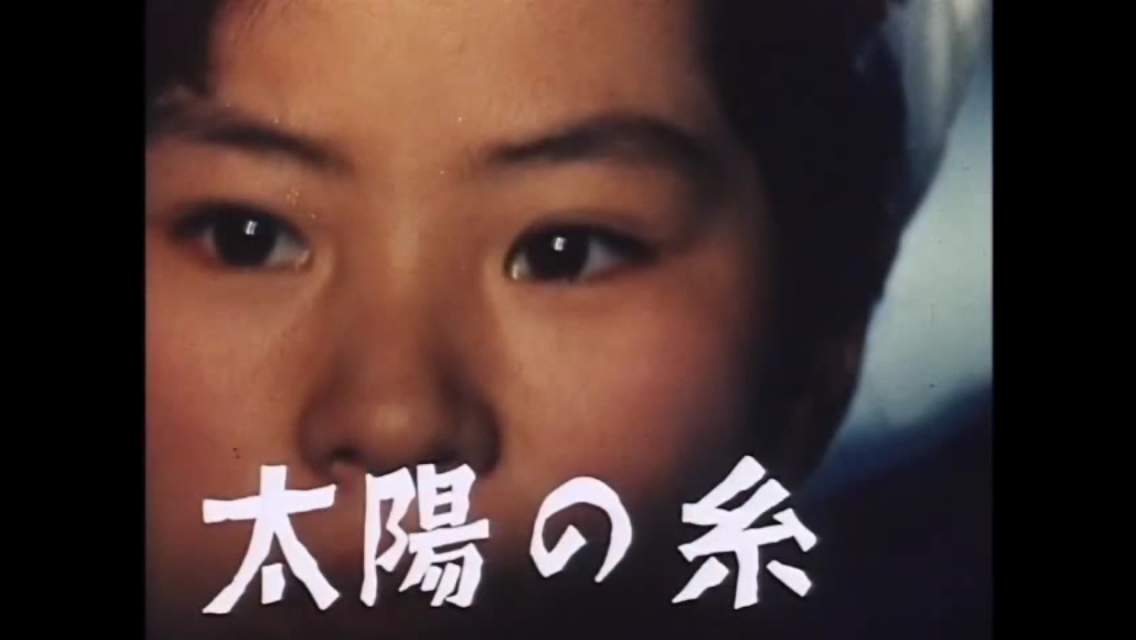
Even if you don’t understand Japanese, the first minutes of The Solar Thread – co-directed with another big name in Japanese cinema and documentary, Higashi Yōichi – are quintessential sixties: disorienting music, vivid colours palette, free-style editing and a taste for the abstract and the experimental that was still alive in the Japanese documentary scene of the time. Here the movie:
http://www.kagakueizo.org/movie/industrial/72/
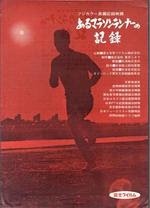
As for Record of a Marathon Runner, there are various articles dealing with it online, I would recommend at least this long interview with Kuroki. Record of a Marathon Runner represents, for different reasons (subject tackled, overall tone, and music used), the negative, the other side, of the Olympics official discourse that was pushed by the mainstream media at the time:
http://www.kagakueizo.org/create/tokyo-sinema/79/
 Asian Docs