As a sort of work in progress, draft for a possible future research, or more probably simply as a trace of a significant and very rare viewing experience, in the past weeks I published the unedited notes and reflections I took while attending the Noda Shinkichi‘s retrospective (Yamagata International Documentary Film Festival, October 2023). A total of 38 films were screened in 5 days (you can read the synopsis of each film here). My thoughts on days 1-2, 3 and 4.
Final thoughts
Unfortunately, I could not attend the last day of screenings, day five, at the festival. Mental and physical exhaustion kicked in, as usually does at these kind of events, but I also opted to see some of the films presented in the main program, after all I had to write a general piece on the event for the Italian publication I freelance for. As a sort of justification and excuse, I recall people saying that the films presented on the last day were the “less interesting” ones of all the Noda’s program. .. That being said, I can definitely say that the retrospective was a very impactful viewing experience; as a film writer interested in Japanese documentary, I found the program to be revelatory. It was a very well curated showcase, and I really appreciated the fact that the films were not presented chronologically, but divided into thematic blocks. There are some incredibly powerful and fascinating works in Noda’s filmography —personally Forgotten Land, The Matsukawa Incident, Nitiray A La Carte, The Feast of the Gods, and Good Road for the Livingand the Dead are some films that, for different reasons, still resonate with me to this day. However, the stongest point of the event was, in my opinion, that it presented a significant section of Noda’s filmography, and in doing so it highlighted the developments of Noda’s style and interests in the course of almost five decades, but also, and perhaps more importantly, the developments and transformations of post-war Japanese documentary. All the films screened hint, in their totality, at connections, coincidances (cit. Joyce), and constellations with other works and names in the field of Japanese non-fiction cinema: Matsumoto Toshio, Ogawa Pro, Haneda Sumiko, Kitamura Minao, and others. Each day of the program, there was at least a talk or a discussion with experts and documentarians, the one, by far, most deep and fascinating saw the great Kitamura Minao, a filmmaker and visual anthropologist (or visual folklorist as he, probably, would like to be called), talking about his personal experience with Noda, with whom, in 1978, he co-founded the Japan Visual Folklore Society. I believe Kitamura, his films and his writings, should be (re)discovered, sooner rather than later.
Some of the films that were shown in Yamagata are available on streaming, legally and for free (see below), or for rental. After the festival I was able to revisit some of them, especially The Feast of the Gods, and Good Road for the Living and the Dead deserve probably a longer treatment and a specific focus, an article or a longer essay (?).
As a sort of work in progress, draft for a possible future research, or simply as a trace of a significant, and very rare viewing experience, I have decided to publish, unedited, the notes and reflections I took while attending the Noda Shinkichi’s retrospective, organized at the Yamagata International Documentary Film Festival, in October 2023. A total of 38 films were screened in 5 days; you can read the synopsis of each film here. Below you can find the notes I took on day 4 (my notes on the first two days, and the third one):
Day 4
The Mikagura Festival of Tomiyama Village 1985 Opens with 1970s folk music. Shots of mountains. Graphs. Photos in black & white explaining how part of the town was moved because of the construction of a Dam. Production of tea and shitake mushrooms. Cut to new credits: 1985 January 3rd and 4th. Creative way to use multiple openings. In the following films, there are multiple endings. Describing step by step each phase of the festival. Preparing mochi. Purifying rooms, musical instruments, and people who will join the festival. Offerings to the tree. No direct sound. Music and images combined. Small room. Dances start. Men, men, men. No women for most of the time. We see some of them in the audience later. All the music is very similar, what changes is the dance. Ichi no mai, Shishi mai, Yubayashi no mai, Oni no mai. Interesting: drunk (?) young people interacting freely with the masked dancer. Masks are very expressive and feel very specific to the area. Atmosphere is very “casual” (or better, popular?) from the very beginning. It’s a ritual, but not hyeratic. Everyone seems relaxed, joking, while others are performing, the singing and chanting themselves are not perfect, it’s all over the place. After all it’s a matsuri, not a ceremony or only a performance. Meaning of matsuri: giving new life to people and area, renewing life.
The Procession of Weird and Wonderful Masks 1988 No narration, solemn music. Shot of people wearing masks, all together on the stairs. Panning on each mask slowly. Amazing colours and shapes. Again they feel very specific of the area. It’s a film about masks. Parade. Close-ups of masks and people’s faces. Like in the films about strikes/protests: images filmed on the street in the parade shaking-style, are alternated with shots from above, and low angles shots from street level. Fast editing. End: introducing each mask, explanation cards, mask on a black background. No sound in this part.
Sarushima-Island With a Fort: Ruins and Graffiti 1987 Music. No narration. Shots stay longer on soil, walls, stones. Panning. Concrete shelters. Holes in the walls (bullets). Graffiti and traces of war overlap. Different times. Sometimes there is no sound. Sometimes music (guitar). Camera pans on walls, entrances, tunnels, corridors. The ending is very beautiful (Noda master of ending in this period): black frame with a tiny bright square (entrance/exit out of tunnel) oscillating for a long time. Bright spot gets bigger. We’re out. Cut to the island (mirroring the beginning). Zoom out slightly. Stay on the image for long. End. Filmed between in 1968 and 1983 (really?!) edited together in 1987.
Good Road for the Living and the Dead: Niino Bon Odori, Festival to Send Off the Gods 1991
The Feast of the Gods on a Winter’s Night: Toyama’s Shimotsuki Festival 1970 B&W. Images of the area. Music. Images of fire. Images of shide (paper hanging from the ceiling). Images of hands. Close-ups of hands. Fire. Water boiling. Fire and smoke are often on the foreground. Dancers are almost never shown from far away. Camera is in the middle, part of the constellation formed by people and objects. Performers shown in a fragmented way. Everything is continuously cut. Camera goes back to shide, fire and water many times. Kitamura explained in the after talk that fire and water come together in the ceremony. Chants, dances and images become monotonous like in a trance. Cinema-trance. No narration or explanation. Just a card at the beginning. As Kitamura Minao said: this is a festival captured without knowing almost anything about it. Sensorial. The most experimental of the folklore films. Exceptional.
Good Road for the Living and the Dead: Niino Bon Odori, Festival to Send Off the Gods 1991 People dancing for three days welcoming the dead during Obon. Again, shot from above, from street level and low angles. Colourful. Impressive images of all the town dancing. Different times soak the images in different lights (twilight, dawn, etc.) Singing and dancing together as in utagoe: identity making? Young people make kind of a mess, but scenes are kept in the movie like in the first movie of the day. The film takes its time, slower rhythm, music and dances envelop the viewer slowly. Cinema-trance, but of a different sort from the previous. People move toward the graveyard. Burning the small floats. The spirits of the dead. Fascinating and creative the ending, long time black screen, music. The dead.
Personal note: there’s a similar festival in Gifu (Gujō Hachiman, 3 days in Obon) but it’s so packed with tourists that we can’t even enter the town (link to Hayachine and tourism). Impossible now to film a festival like Noda did.
Snow as Flowers: Niino’s Snow Festival 1980 Opens with the deep blue of the sky and a beautiful map of the area. Constructed like Mikagura Festival: documenting each step of the festival. Shots and scenes are here much longer. Again, Noda does not shy away to show the rough/popular side of the festival: two guys parading are drunk, people interacting quite directly and roughly with the performers, one guy is caught yawning. Wondering is the presence of the camera enhanced or altered the behaviour of some participants. Less poetic and experimental compared to the two previous films. Noda getting more interested in folklore itself than in the representation of it?
As a sort of work in progress, draft for a possible future research, or simply as a trace of a significant and very rare viewing experience, I have decided to publish, unedited, the notes and reflections I took while attending the Noda Shinkichi’s retrospective, organized at the Yamagata International Documentary Film Festival, in October 2023. A total of 38 films were screened in 5 days, here are my notes on the first two days (you can read the synopsis of each film here, notes on the third day here).
Day 1 Renovating Farm Houses (1941) Festivals in Tohoku Part 1 (1956 ) Festivals in Tohoku Part 2 ( 1956 ) Festivals in Tohoku Part 3 (1957 ) Impressive use of colours, especially in the second film, where the parade reminded me of Rio’s carnival.
Forgotten Land: Record of Life Series II (1958) Impressive film, especially on a formal level. Opening: the camera pans on the faces of students, who are telling their dreams, mainly to leave the village. The use of editing reminded me of soviet montage, for example: close-up of a fisherman, fast cut to the sea and wave, or when the woman is ploughing the soil, the editing is almost in rhythm with her actions. The soundscape has also a big part in the film: the sounds of waves penetrate each image, and each individual’s life, we are reminded that the sea is always there with its harshness On the Method of Avant Garde Documentary by Matsumoto Toshio was published in June 1958, in Kiroku Eiga, the journal founded by Noda, Matsumoto and others.
The Girl of the Valley (1949) Fiction with a heavy touch of realism. Making of charcoal is a theme recurring in all his movies about or set in Tohoku, signifying an old and severe way of living,
The Locomotive Kid (1950) The scenes about the train are beautifully filmed, I liked the transition from the kid looking at a photo of a locomotive to images of it. The tone of the movie is definitely lighter than the previous one. Of course the train is the kid’s dream but also, as always, symbolises progress, especially for a rural area. Slow paced. Noda is good at directing kids. The two movies and Work in Retail (1951) reminded me of the films of Shimizu Hiroshi, the kids of course but also the tone (a mixture of serious and funny).
Day 2
The Unforgivable Atom Bomb: The Singing Voice of 1954 Japan (1954) Impressive film that reminds us the importance of utagoe festivals, and utagoe culture more in general. As we’ll see in the next couple of movies, singing while protesting gives the people an identity, unifies them. Each union or group has a different song. Formally the film alternates long shots, when we see the stage and groups performing on it, with images filmed close to the performers. As the movie progresses the images of the auditorium with all the people singing and moving together are used more often. Very impactful scenes. Noda a couple of times cuts to images of strikes. Chinese and Korean groups are also performing on stage, it is a very transnational movement, highlighting class struggle first, in this it reflects the political atmosphere of the 1950s. Women are very present and a very active part of the unions, at least it seems so from the film. Utagoe as a convergence of popular and political is fascinating, it is popular before becoming pop (probably in the 60s)
On a side note, in the credits I’ve seen the name かんけまり Kanke Mari, she was a director of PR movies and documentaries active in the 60s and 70s (did a documentary on a railway workers strike screened at National Film Archive ), Noda writes about her in his book about documentary.
The Matsukawa Incident: Seeing the Truth Through the Wall (1954) Opens with images of a wall, silent, and then with organ music. From here we move to the court where we are explained about the incident, the official version. The film is constructed as a counter story of the incident and does so in a very modern way that feels very fresh even today. Interviews with the men wrongly accused, graphs and animation used to explain the movements of the suspects, scenes that feel almost reenactments (man walking along the railway). The film takes its time in explaining the facts and in depicting the wrongly-accused men. It is strange to say, but it feels like a crime novel, there’s even suspense.
The Workers of Keihin 1953 (1953) Film starts with the depiction of the workers on the way to their job place, bus, train and boat. Use of photos. During the demos, we often see the mothers with their kids. Preparation for May Day, all the different unions and some new ones are formed (department stores, mainly women). U.S. bases are considered responsible for the conditions of the workers, overworking, low salaries, etc. This sentiment against the US is added to the one against the war in Korea. As in the utagoe film, the events organised by the unions are horizontal in their scope, here we see a sports day organised for the Korean community in Japan. We also see support in China, Italy (just mentioned), and other countries. Important: the unions/workers are reaching to the farmers to get their support against the use of Japanese land by the American bases (this predates the documentaries about the Sunagawa riots by Kamei Fumio and of course Ogawa Pro). The farmer resistance of the 60s does not appear suddenly from nothing.
June 1960: Rage Against the Security Treaty (1960) Dramatic music opens the film, from the very beginning it’s very noticeable how the style has evolved: fast cutting, shaky hand camera, many shots are from street levels and in the action (Sunagawa and Sanrizuka style), close-ups, direct sound… Powerful scene: arrival in Japan of Ike, helicopter is landing among a sea of people protesting. Farmers are more present here in the protests, Miike mine workers are also showing solidarity. Spectacular images of protests in front of the American embassy and the National Diet Building. Death of Kanba Michiko, killed in the protests. After the tragedy the movie goes silent for a couple of minutes showing mainly photos of people beaten laying on the street, powerful and violent images. Photos of prime minister Nishi are often used and stay on screen for quite a long period of time.
The New Japanese Geography Film Series: Tone River (1955) The New Japanese Geography Film Series: The Roofs of Honshu (1957 ) The New Japanese Geography Film Series: Tokaido, Yesterday and Today (1958) The New Japanese Geography Film Series: Villages of the Northeast (1959) What I remember of the four movies is that in one it is said that the modernisation of Japan, while obviously necessary, turns every city into something similar. The specificity is lost.
Technique of Foundry: The Cupola Operation (1954) Experimental music used throughout. Images of melting metal are like abstract paintings, the camera stays on these images for long periods of time (considering it is a PR film).
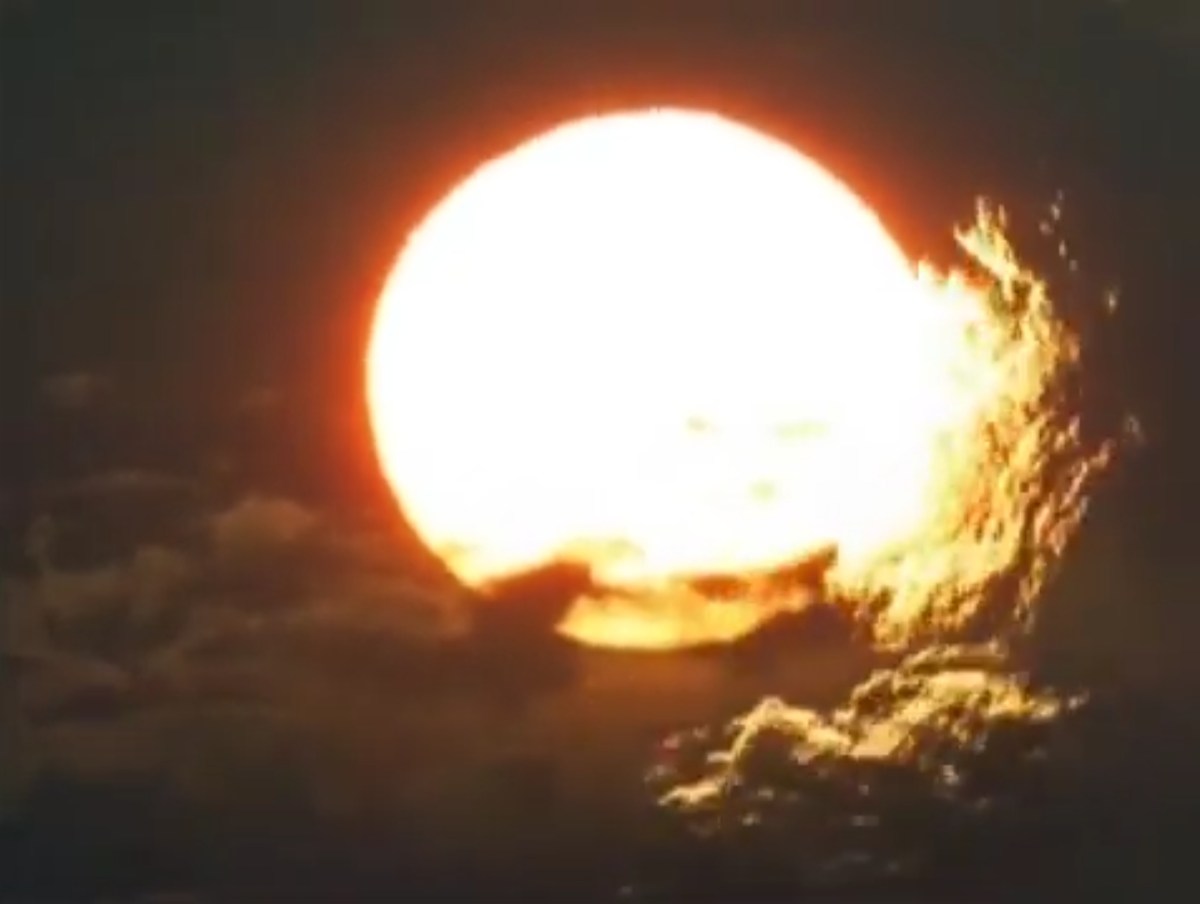
Marine Snow: The Origin of Oil (1960) Well, a spectacle, the colours are amazing, the editing in a scene about the waves is almost jump-cut. Again, some images, are like abstract paintings, it’s science porn (like the rice ones in Magino). Grandiose music. Commissioned by a oil company, thus partly celebrating the petroleum industry, and yet…
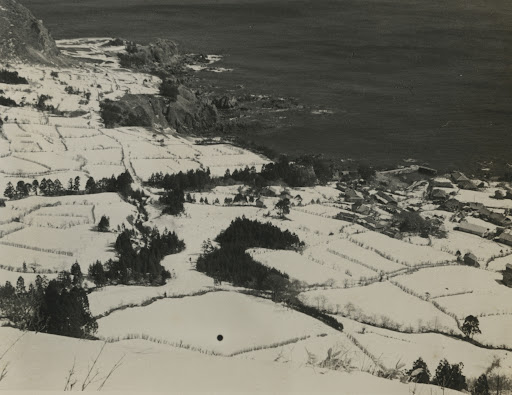
Country Life under Snow (1956) The colour palette is tone down here, what I remember is the music being similar to the one used in Godzilla.
Hu Tai-Li (1950-2022) was one of the prominent ethnographic filmmakers active in Taiwan, a professor, an anthropologist, and also the president, for two decades, of Taiwan International Ethnographic Film Festival. Throughout her career, both as a documentarian and as a visual anthropologist, she tackled issues related to national and native identity, colonialism, and how the culture and traditional practices of the tribes inhabiting the island(s) are surviving in contemporary Taiwan.
At the beginning of the 1990s Hu went to Orchid Island, 45 miles off the southeast coast of Taiwan in the Pacific Ocean and just 20 miles away from the Philippines, to explore how the native people, the Yami, were affected by the influence from outside: tourism, TV people, anthropologists, mass-media…
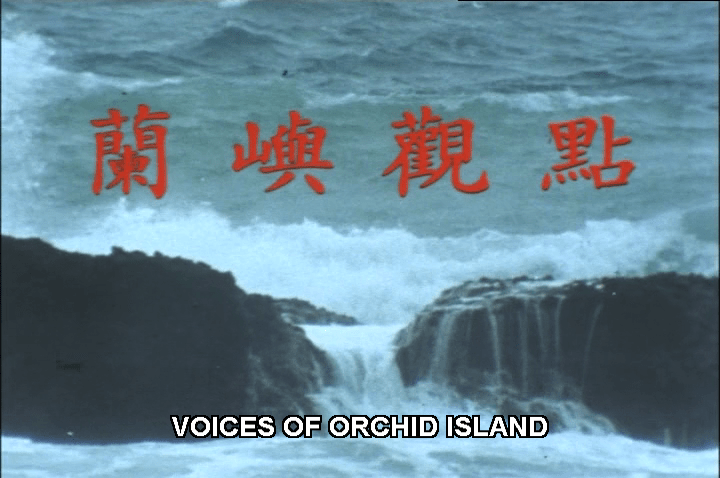
Voices of Orchid Island opens with a self-reflexive touch, we see director Hu discussing the documentary she is going to make with some of the people who are going to be filmed in a short, casual, but significant exchange of opinions on a beach. There she talks with three people (and a kid) from different ethnic groups, two of them are from the Yami tribe, while the third man is of the Bunun tribe, an ethnic group external to the island, and who, at the time of filming, had been living there for three years, working as a doctor. While two of the people are welcoming the director and her endeavor, the youngest among them (from the Yami tribe) has an interesting response:
I often feel that the more research anthropologists do on this island, the worse the island is harmed. I feel anthropologists come to Orchid Island just so they can advance to a certain social status. They just use Orchid Island as a tool, they don’t benefit the subject of their research.
In the next scene we hear the voice and see a guide on a bus full of tourist from mainland Taiwan, explaining about the Yami people while filming them (the tourists). We (the viewers) are already thrown on the side of the outsiders/tourists, and fed with information and data about the native people. After this “lecture”, it is unsettling to see the group getting off the bus and hoarding throughout the village like it was some sort of tourist spot or a zoo where to admire some sort of rare animals. Hu constructs a cynical mirror of sort where we cannot hide our own reflection, the tourists are “us” viewers, trapped in a cursed routine by which we experience places we’re not familiar with, and objectify people who live differently from us. It is really compelling how the director is able to hint at the problematics at work in the island just in a couple of minutes of well-edited images.
“They don’t regard us as human beings” “They called us barbarians in loincloths” complain two of the Yami people interviewed, but we also hear a deeper and more material complaint:
Recently some TV crews came here (…) sometimes we see ourselves on television, and we feel we’re being exploited for profit, we don’t benefit at all, but the people who film us do. They earn all the money, not us.
On the one side we have the villagers’ will not to be exploited or misrepresented, on the other, the bureaucrats and various heads of tourism, usually from mainland Taiwan, who welcome mass tourism as the sole industry in the island. The whole first part of the movie is dedicated to explore these power relations and how the Yami react and interact with Han Chinese while trying to preserve their way of life. Everything however is more complex and layered than it might appear at first sight, it is not a clash between two different and rigid worlds, but more a nuanced blending of the two parts. We discover, for instance, that the Yami are forced (or maybe they’re doing it willingly?) to stage their biggest festival and a very important ritual dance, mainly for attracting tourists, and in doing so keeping the flow of money that guarantees their survival.
In the second section of the movie, we meet again with the doctor we saw at the beginning, he’s running a clinic in the island and his experiences with patients are as difficult as they are fascinating. The shamanic healing practices they are accustomed to, and the refusal, but also their mediated and occasional acceptance, of a medicine practice alien to them, brought from mainland Taiwan, is an unsolvable dilemma that Hu is able to convey with empathy towards the subjects filmed. This is for me the most accomplished and most powerful part of the entire documentary.
For instance, if someone didn’t want to live, how was I to change that? He believed his injury was caused by an evil ghost entering his leg and I couldn’t change his mind.
In the last section, the film moves to the resistance of some island’s inhabitants against the big nuclear waste storage facility completed by Taipower at the beginning of the 1980s. The fight and civil resistance is promoted also by a group of Christians, creolized Christians to be precise, and it intertwines with another big problem affecting the island, that of young people leaving for Taiwan in search of jobs and opportunities.
First they told us they were building a military harbor, then a canning factory. They fooled us and kept us in the dark.
While the resistance against Taipower is a fascinating subject, amplified by the colonialist aspect of the question, an approach that disregard ethnic minorities and exploit their powerlessness, the movie just hints at it and does not explored fully its potential. It definitely would have benefited the documentary to stay a bit longer and delve deeper into the topic, or even better, to make a separate work about the nuclear waste site (it’s very possible that there are already other works out there on the subject that I’m not aware of).
In closing, Voices of Orchid Island is a captivating work, not only because it presents a complex, challenging, and multilayered glimpse at the situation of the place at a specific time in history, but also because it shades light on what it means to approach and confront oneself with “different” cultures, Eduardo Viveiro de Castro would say different natures, and what this encounter implies for “us” filming/viewing subjects, and for the people being filmed as well.
If you want to know more about the contemporary documentary scene in Taiwan, I’ve written a piece here.




 Asian Docs
You must be logged in to post a comment.