Some thoughts on Le Moulin (Huang Ya-Li, 2015)

TheMoulin_Taiwan4

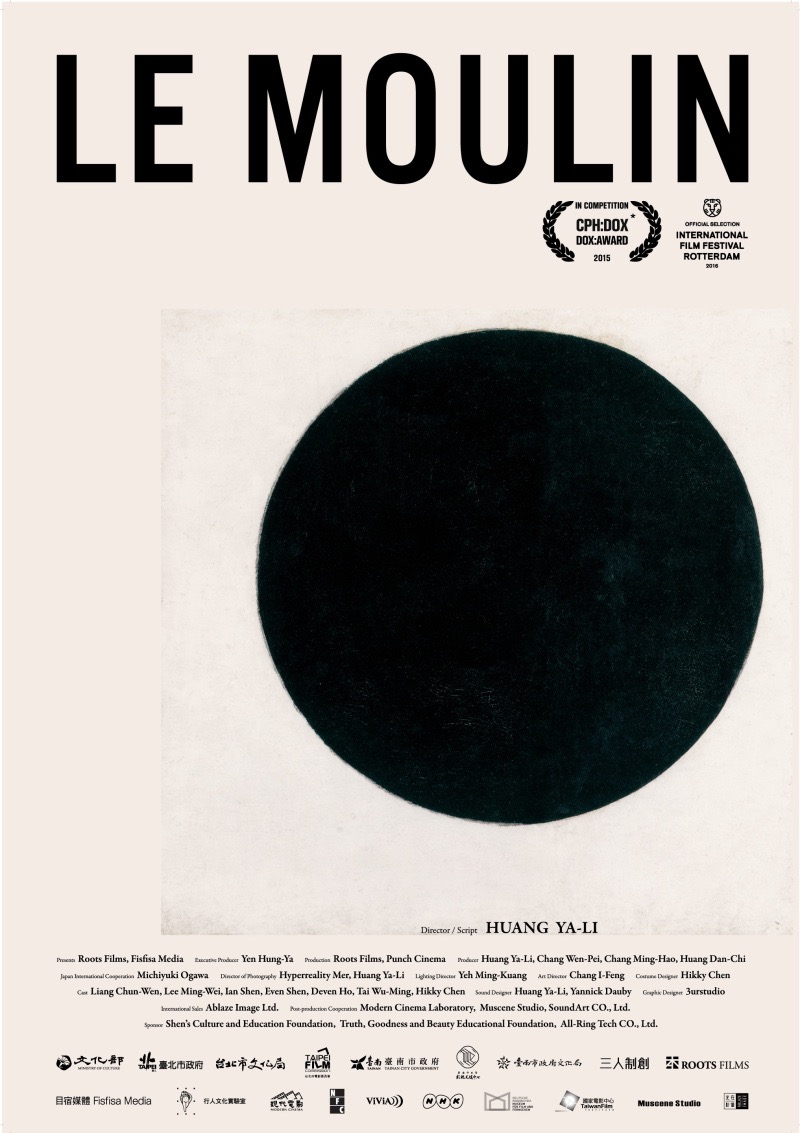
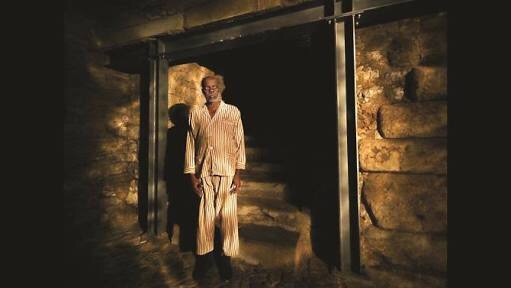
Le Moulin is one of the most challenging and interesting documentaries I’ve had the chance to watch during the past year, thought-provoking in its formal construction and revealing in its themes, the cultural and poetic movements that stirred Taiwan in the last part of the Japanese colonial period. The movie is directed, scripted and photographed by Huang Ya-Li, a young independent experimental Taiwanese filmmaker. His video poetry The Unnamed in 2010 was nominated by the 33th Golden Harvest Awards for Outstanding Short Films (Best Experimental Short Film) in Taiwan and was presented in many countries around the world.

Here the description of the movie:

Taiwan had already been under Japanese rule for forty years, and was in a stable period of cultural assimilation, when the country’s first modern art group – ‘Le Moulin’ – arose in the 1930s in a poetic protest against the colonial power’s cultural superiority. The name reflected the small group’s orientation towards the West and especially France, with the surrealists as their absolute role models. In an uncompromising and aesthetically sophisticated reconstruction of the group’s underground activities, the young filmmaker Huang Ya-Li has created a delicate and evocative feature film debut about a historical period that paved the way for a new freedom and self-awareness. A film where tableaux and beautifully calligraphed texts surround the ‘Moulin’ members, and where you sense an echo of their fellow Taiwanese writer Hou Hsiao-Hsien’s epic and elliptical period dramas.

Because of its “headless” structure it’s really difficult, if not impossible, to write a “normal” review, mirroring the construction of the film itself, I’ve tried to randomly accumulate a series of reflections instead.


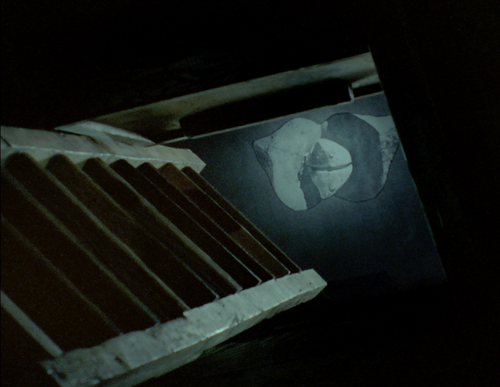
Stylistically the movie is a deluge of poetic words & images from a variety of sources: painting, movies, poetry, photos, reenactment and radio programs.

Photos of the French surrealists themselves, lots and lots of their works, Dali, Breton, Cocteau, etc. everything is shown accompanied by spoken poetry written in Japanese by the Moulin group members themselves.

A sort of collage of photos, at least in the first part, a la mode of the Surrealist, but also the dadaists and their Japanese counterpart: fascination with machines, trains & speed, fragmentation of perception through objects.

Footage of Tokyo during the 30s, footage of the Maso festival

The fascination and admiration of the Taiwanese poets with Jean Cocteau and his works is one of the pivotal moment of the movie, he visited Japan for 3 days in May of 1936 where he had the chance to watch a kabuki play and was very impressed by it.

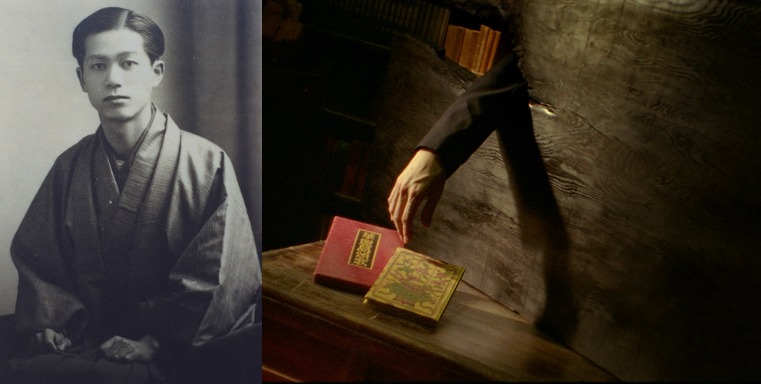
In the enacted sequences, never the faces of the people are shown, but most of the time we see hands, writing, turning pages, lighting cigarettes and holding books or photos. A choice in style that encapsulate the mood of the movie, anti-narrative, non-linear, accumulative and elliptical. Although it proceeds somehow chronologically, from the early 20th century to the total mobilization of the end of the 30′ and Pearl Harbor in 1941, a change in mood and attitude is reflected in the texture of the movie after the deteriorating relationship between Taiwanese and Japanese poets in the late part of the decade, the Allied bombing of Taiwan and, after the surrender, the arrival of “fatherland China” and its sour aftermath.

All in all, the movie functions like a huge and complex poem constructed with digital images, footage, written and spoken poetry, and minimalist music, a cubistic landscape of an era and of the poetic instances traversing the period and the place, occupied Taiwan.

The Moulin is in no way an easy watch, but nonetheless a very rewarding experience able to trail blaze uncharted cinematic territories.

TheMoulin_Taiwan2

New documentary for Hara Kazuo


Hara Kazuo is one of the most internationally well known Japanese documentarists, his The Emperor Naked Army Marches On (1987) is the first Japanese entry in the Sight & Sound’s poll The Best Documentaries of All Time and a movie that is often screened, talked about and studied in Japan as well as abroad. Now, personally The Emperor is not my favourite work from Hara, Sayonara CP (his debut from 1972) and especially Extreme Private Eros (1974) are better docs for reasons I’m not going to explore here today, and to be honest he’s not even among my favorite directors of non-fiction, but nonetheless I can’t deny he’s a very important and pivotal figure in Japanese cinema. Hara is also the only Japanese documentarist whose writings have been translated in English and collected in a volume, a very good one indeed, that everyone interested in non-fiction cinema should read. The title is Camera Obtrusa: The Action Documentaries of Hara Kazuo: By Hara Kazuo and was published in 2009 by Kaya Press.

All that was to introduce him and to give an idea of his status as a respected director in the international documentary world. The good news is that Hara has a new work out, the first documentary for the big screen after 22 years of absence, he’s been active with feature films, on TV, writing books and with other projects, but 「ニッポン国泉南石綿村 劇場版 命て なんぼなん?」, this the title of the movie, breaks a silence of more than two decades. The film had its premiere at a small event in Tokyo, フィクションとドキュメンタリーのボーダーを超えて, and is about the victims of asbestos exposure in Sennan city (Osaka), where Hara has been intermittently filming for more than a decade, while at the same time working on a project about Minamata’s victims. 
I haven’t seen the movie yet, but I hope to catch up with it as soon as possible, although, for some reason, I have very low expectations, but I’m ready and willing to be surprised. 

Addendum: Hara won’t be screening it again until summer at the earliest, and most likely the fall (again somewhere in Tokyo), as he’s planning on reworking/editing it after these screenings in Shibuya. 

Many thanks to Jordan A. Yamaji Smith for the update

Ogawa Production’s documentaries finally on DVD

 
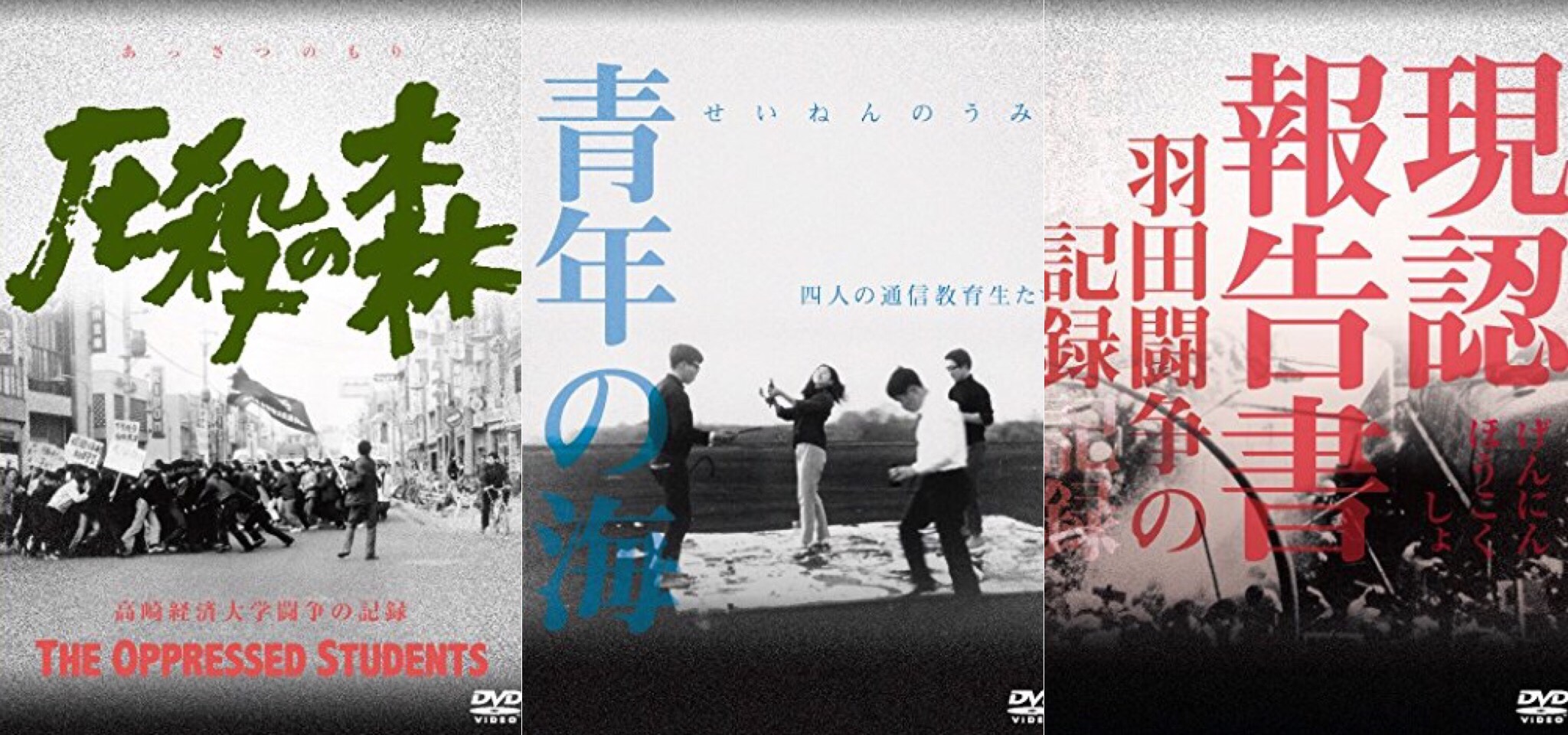
I’ve often written, here and elsewhere, about Ogawa Pro and the documentaries made by the collective, first in Sanrizuka – documenting the resistance of the peasants against the construction of Narita airport – and later in Yamagata. A couple of days ago through social networs I found out that finally all the works produced by the collective will see the light on DVD, a project by the Japanese label DIG. First, on June 2nd, we will get 3 of the early documentaries: A Sea of Youth (青年の海, 1966), The Oppressed Students (圧殺の森 高崎経済大学闘争の記録, 1967) and  A Report From Haneda 現認報告書 羽田闘争の記録, 1967) and later, presumably in one or two years, all the 20 documentaries made between 1966 and 1986 by the group. The news is big, at least for me, and although I have sample DVDs of many of the movies shot in Sanrizuka and Yamagata, copies kindly given to me by the festival people in Yamagata, it will be nice to have the films  “neatly transferred” on DVDs, the samples I have being a copy of a copy of a copy of a VHS. But here comes my biggest concern about this otherwise great news, will the transfer be really a proper one? Almost all the documentaries are shot in 16mm and I’m not really sure about the condition of the originals, in an ideal world we should see them first lovingly restored and then made them available for the home-video release. But the huge debt left by Ogawa complicates everything, what we’re likely to get is something close to the DVD of Kamei Fumio‘s Fighting Soldiers, a bare bones release, watchable of course but with a poor transfer, in the particular case probably due to the condition of the source material. The docs will not have English subtitles, adding them would have helped to “spread the word” of Ogawa Production to a wider international audience, but again, we don’t live in an ideal world and we should be happy and content with what we will get. Be that as it may, I’m pretty excited about this and I’ll write again about the project, the image quality, etc. when I get more information or in June, the time of the first releases. 

You can preorder the DVDs here

List of lists – best documentaries of 2015

Let’s go “meta” once in a while, this is the idea I had few days back when I thought it would be interesting to make a list of lists, of course about documentaries. So, for the fun of it, but also because it might turn out into something surprisingly fascinating, I’ve decided to collect as many lists about “best non-fiction/documentary of 2015” as possible, newspapers, blogs, websites, magazines, personal lists and anything else will go. As usual with best-of-the-year-lists, and it’s particularly true for non-fiction movies, the most insightful part of the endeavour will probably be to see what other people have watched, that is what documentaries were distributed in different countries (in theatres or in other formats) during 2015, more than agreeing or not with someone’s choices.

This page will be updated periodically

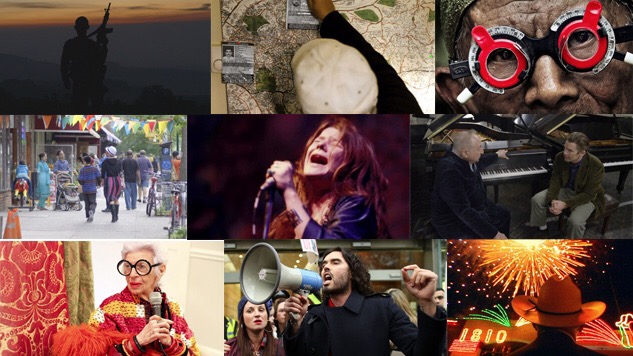
Indiewire_best_doc_2015

Indiewire – The 20 Best Documentaries Of 2015 (here the original article):

  • 20. “The Hunting Ground” (Andrea Pino)
  • 19. “Heart Of A Dog” (Laurie Anderson)
  • 18. “Prophet’s Prey” (Amy Berg)
  • 17. “Seymour: An Introduction” (Ethan Hawke)
  • 16. “The Seven Five” (Tiller Russell)
  • 15. “The Jinx” (Andrew Jarecki)
  • 14. “The Pearl Button” (Patricio Guzmán)
  • 13. “The Salt of the Earth” (Wim Wenders)
  • 12. “In Jackson Heights” (Frederick Wiseman)
  • 11. “The Black Panthers: Vanguard of a Revolution” (Stanley Nelson)
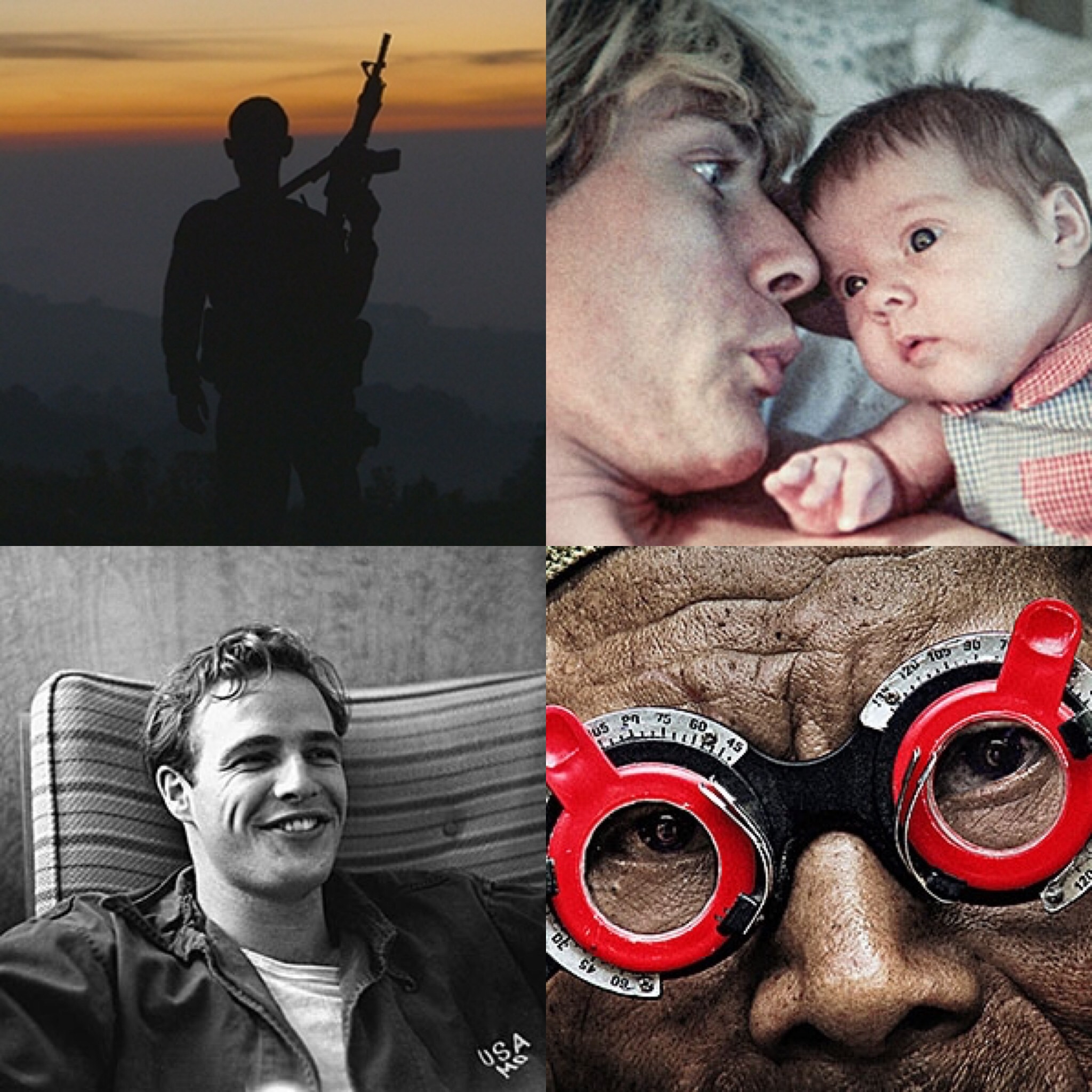
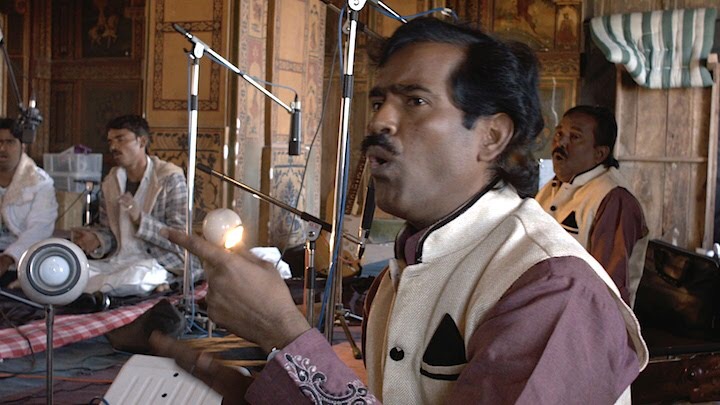
  • 10. “Junun” (Paul Thomas Anderson)
  • 9. “Dreamcatcher” (Kim Longinotto)
  • 8. ”Listen To Me Marlon” (Stevan Riley)
  • 7. “Best of Enemies” (Robert Gordon, Morgan Neville)
  • 6. “The Look of Silence” (Joshua Oppenheimer)
  • 5. “Kurt Cobain: Montage of Heck” (Brett Morgen)
  • 4. “Amy” (Asif Kapadia)
  • 3. “(T)error” (Lyric R. Cabral, David Felix Sutcliffe)
  • 2. “Meru” (Jimmy Chin, E. Chai Vasarhelyi)
  • 1. “Cartel Land” (Matthew Heineman)


Men’s Journal – 13 must-watch docs of 2015 (original article here):

  • Cartel Land (Matthew Heineman)
  • Stray Dog (Debra Granik)
  • Winter of Fire (Evgeny Afineevsky)
  • Montage of Heck (Brett Morgen)
  • Listen to Me Brando (Stevan Riley)
  • Racing Extinction (Louie Psihoyos)
  • Going Clear (Alex Gibney)
  • Amy (Asif Kapadia)
  • Meru (Jimmy Chin, E. Chai Vasarhelyi)
  • Call Me Lucky (Bobcat Godthwait)
  • Best of Enemies (Robert Gordon, Morgan Neville)
  • The Look of Silence  (Joshua Oppenheimer)
  • All Things Must Pass (Colin Hanks) 


NonFics – The 6 Must See Musical Dicumentaries of 2015 (original here): 

  • Amy (Asif Kapadia)
  • Don’t Think I’ve Forgotten: Cambodia’s Lost Rock ‘n’ Roll (John Pirozzi) 
  • Junun (Paul Thomas Anderson)
  • A Poem is a Naked Person (Les Blank)
  • Rubble Kings (Shan Nicholson)
  • Seymour: An Introduction (Ethan Hawke)

  
Paste – The 20 Best Documentaries of 2015 (here the article): 

  • 20. Finders Keepers (Bryan Carberry, J. Clay Tweel)
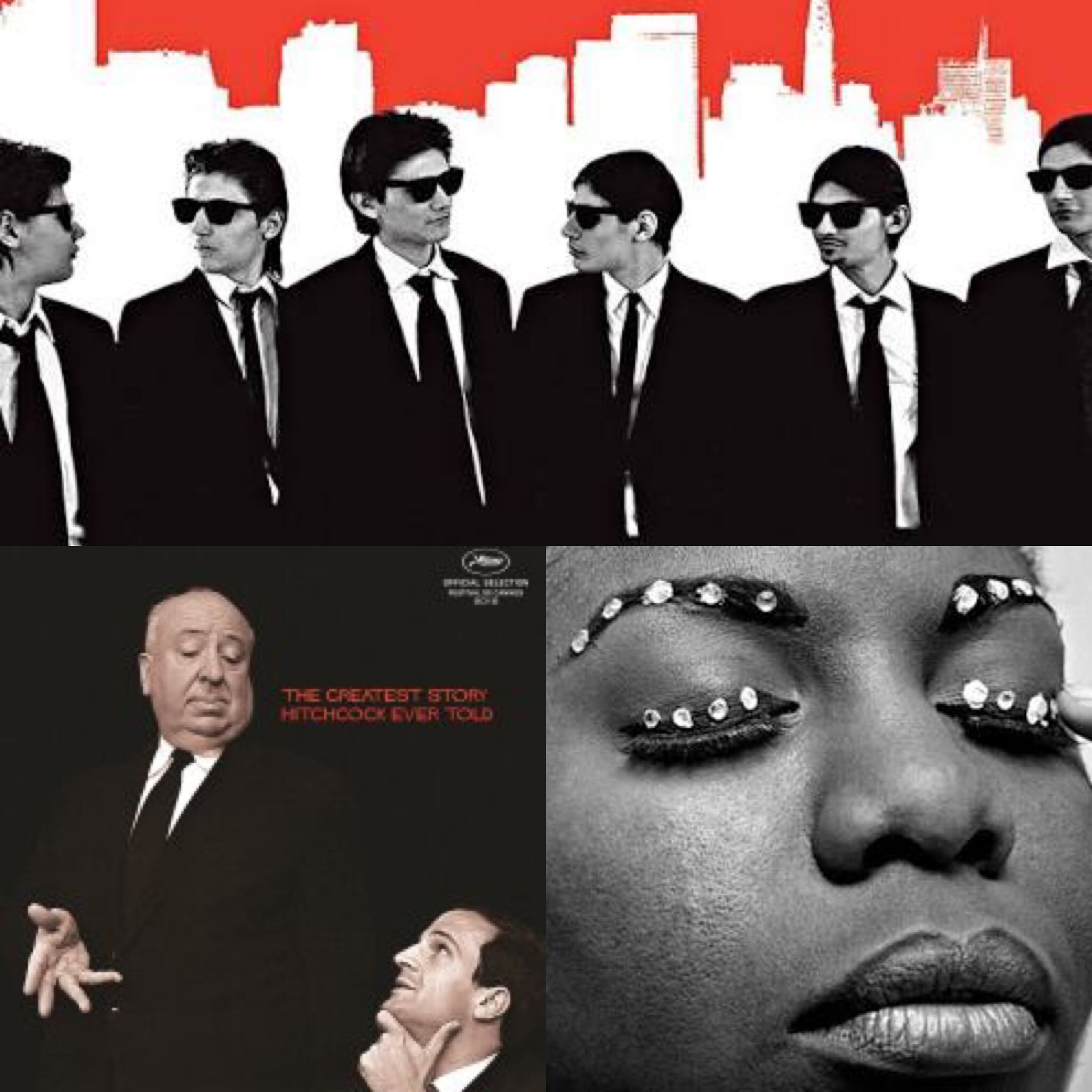
  • 19. What Happened, Miss Simone? (Liz Garbus)
  • 18. The Wolf Pack (Crystal Moselle)
  • 17. Amy (Asif Kapadia)
  • 16. Best of Enemies” (Robert Gordon, Morgan Neville)
  • 15. The Nightmare (Rodney Ascher)
  • 14. Welcome to Leith (Michael Beach Nichols, Christopher K. Walker)
  • 13. Approaching the Elephant (Amanda Wilder) 
  • 12. We Come as Friends (Hubert Sauper)
  • 11. Stray Dog (Debra Granik) 
  • 10. Heart Of A Dog” (Laurie Anderson)
  • 9. Western (Bill Ross, Turner Ross)
  • 8. Brand: A Second Coming (Indi Timoner) 
  • 7. Iris (Albert Maysles)
  • 6. Seymour: An Introduction (Ethan Hawke)
  • 5. Janis: Little Girl Blue (Amy Berg)
  • 4. In Jackson Heights” (Frederick Wiseman)
  • 3. The Look of Silence (Joshua Oppenheimer)
  • 2. (T)error (Lyric R. Cabral, David Felix Sutcliffe
  • 1. Cartel Land” (Matthew Heineman)

  
Screen Daily – critics’ top documentaries of 2015 (complete article here):

Fionnuala Halligan

  • My Nazi Legacy (David Evans)

Tom Grierson

  • (T)error (Lyric R Cabral, David Felix Sutcliffe)

Allan Hunter

  • The Fear of 13 (David Sington)

Dan Fainaru

  • Hitchcock/Truffaut (Kent Jones)

Lee Marshall

  • Behemoth (Zhao Liang)

Jonathan Romney 

  • De Palma (Noah Baumbach, Jake Paltrow)

Lisa Nesselson

  • Where To Invade Next (Michael Moore)

Charles Gant

  • Amy (Asif Kapadia)

Wendy Ide 

  • Behemoth (Zhao Liang)

James Marsh

  • The Look Of Silence (Joshua Oppenheimer)

  
Awards Daily – Seven Great Documentaries of 2015 (here the original article): 

  • The Look Of Silence (Joshua Oppenheimer)
  • Heart Of A Dog (Laurie Anderson)
  • Amy (Asif Kapadia)
  • In Jackson Heights (Frederick Wiseman)
  • Clear: Scientology and the Prison of Belief (Alex Gibney)
  • Montage of Heck (Brett Morgen)
  • Listen To Me Marlon” (Stevan Riley)

  
Philly.com – Best documentaries of 2015  (original article here): 

  • Amy (Asif Kapadia)
  • Hitchcock/Truffaut (Kent Jones)
  • Listen to Me Marlon (Stevan Riley)
  • What Happened Miss Simone? (Liz Garbus) 
  • The Wolfpack (Crystal Moselle) 

  
Keyframe – The Best Documentaries of 2015 (here the original):

  • 1. The Look of Silence (Joshua Oppenheimer)
  • 2. The Iron Ministry (J.P. Sniadecki)
  • 3. In Jackson Heights (Frederick Wiseman)
  • 4. The Pearl Button (Patricio Guzmán)
  • 5. The Royal Road (Jenni Olson)
  • 6. Heart of a Dog (Laurie Anderson)
  • 7. Amy (Asif Kapadia)
  • 8. What Happened, Miss Simone? (Liz Garbus)
  • 9. Iris (Albert Maysles)
  • 10. Listen to Me Marlon (Stevan Riley)


Nonfics – The 15 Best Documentaries of 2015 (here the original): 

  • 15. Evaporating Borders (Iva Radivojevic)
  • 14. Best of Enemies (Robert Gordon and Morgan Neville)
  • 13. Finders Keepers (J. Clay Tweel and Bryan Carberry)
  • 12. The Nightmare (Rodney Ascher)
  • 11. In the Basement (Ulrich Seidl)
  • 10. The Iron Ministry (J.P. Sniadecki)
  • 9.  Stray Dog (Debra Granik) 
  • 8. Approaching the Elephant (Amanda Wilder)
  • 7. The Salt of the Earth (Wim Wenders)
  • 6. We Come as Friends (Hubert Sauper)
  • 5. Amy (Asif Kapadia)
  • 4. In Jackson Heights (Frederick Wiseman)
  • 3. The Russian Woodpecker (Chad Gracia)
  • 2. A Poem is a Naked Person (Les Blank)
  • 1. The Look of Silence (Joshua Oppenheimer)

  
Doc Soup – Top Ten Documentaries of 2015 (original article here):

  • 10. Hunting Ground (Kirby Dick)
  • 9. Listen to Me Marlon (Stevan Riley)
  • 8. The Wolfpack (Crystal Moselle)
  • 7. Hitchcock/Truffaut (Kent Jones)
  • 6. Almost There (Dan Rybicky, Aaron Wickenden)
  • 5. Winter on Fire (Evgeny Afineevsky)
  • 4. Stand By for Tape Playback (Ross Sutherland)
  • 3. Montage of Heck (Brett Morgen)
  • 2. Cartel Land (Matthew Heineman)
  • 1. The Look of Silence (Joshua Oppenheimer)

  
Peter Bradshaw – Best documentaries of 2015 (read the original here): 

  • Amy (Dir. Asif Kapadia)
  • The Look of Silence (Dir. Joshua Oppenheimer)
  • He Named Me Malala (Dir. Davis Guggenheim)
  • A Syrian Love Story (Dir. Sean Mcallister)
  • Going Clear: Scientology and the Prison of Belief (Dir. Alex Gibney)
  • We Are Many (Dir. Amir Amirani)
  • The Last of the Unjust (Dir. Claude Lanzmann)
  • Beyond Clueless (Dir. Charlie Lyne)
  • Best of Enemies (Dirs. Morgan Grenville, Robert Gordon)
  • My Nazi Legacy (Dir. David Evans) 


Ray Pride – Fifteen Feature Documentaries For 2015 (original’s here

  • 1. The Look Of Silence (Joshua Oppenheimer) 
  • 2. Amy (Asif Kapadia)
  • 3. Heart of a Dog (Laurie Anderson) 
  • 4. Hitchcock/Truffaut (Kent Jones) 
  • 5. In Jackson Heights (Frederick Wiseman)
  • 6. The Iron Ministry (J. P. Sniadecki) 
  • 7. The Russian Woodpecker (Chad Gracia) 
  • 8. We Come As Friends (Hubert Sauper)
  • 9. Almost There (Dan Rybicky, Aaron Wickenden)
  • 10. Iris (Albert Maysles)
  • 11. Listen To Me Marlon (Stevan Riley)
  • 12. The Black Panthers: Vanguard of the Revolution (Stanley Nelson) 
  • 13. Arabian Nights (Miguel Gomes)
  • 14. Sembène! (Samba Gadjigo, Jason Silverman)
  • 15. Going Clear: Scientology And The Prison of Belief (Alex Gibney)


3rd Annual Nonfics Year-End Poll (the complete list, 103 docs, here

  • 1. The Look Of Silence (Joshua Oppenheimer) 
  • 2. Amy (Asif Kapadia)
  • 3. Best of Enemies (Dirs. Morgan Grenville, Robert Gordon)
  • 4. Listen to Me Marlon (Stevan Riley)
  • 5. In Jackson Heights (Frederick Wiseman) 
  • 6. Stray Dog (Debra Granik)
  • 7. Cartel Land (Matthew Heineman)
  • 8. Montage of Heck (Brett Morgen)
  • 9. Finders Keepers (J. Clay Tweel and Bryan Carberry)
  • 10. The Wolfpack (Crystal Moselle)

  
The Film Stage – The Best documentaries of 2015 (here the original): 

  • Amy (Asif Kapadia)
  • Ballet 422 (Jody Lee Lipes)
  • Best of Enemies (Morgan Neville and Robert Gordon)
  • Call Me Lucky (Bobcat Goldthwait
  •  Cartel Land (Matthew Heineman)
  • Cobain: Montage of Heck (Brett Morgen)
  • Democrats (Camilla Nielsson)
  • Finders Keepers (Bryan Carberry and J. Clay Tweel)
  • Going Clear: Scientology and the Prison of Belief (Alex Gibney)
  • Hitchcock/Truffaut (Kent Jones)
  • The Hunting Ground (Kirby Dick)
  • In My Father’s House (Ricki Stern and Annie Sundberg)
  • Iris (Albert Maysles)
  • Junun (Paul Thomas Anderson)
  • In Jackson Heights (Frederick Wiseman)
  • Listen to Me Marlon (Stevan Riley)
  • The Look of Silence (Joshua Oppenheimer)
  • The Pearl Button (Patricio Guzmán)
  • The Russian Woodpecker (Chad Gracia)
  • The Salt of the Earth (Wim Wenders and Juliano Ribeiro Salgado)
  • Stray Dog (Debra Granik)
  • We Come as Friends (Hubert Sauper)
  • Leith (Michael Beach Nichols and Christopher K. Walker)
  • What Happened Miss Simone? (Liz Garbus)
  • The Wolfpack (Crystal Moselle)

Ray Pride – Fifteen Feature Documentaries For 2015 (original’s here

  • 1. The Look Of Silence (Joshua Oppenheimer) 
  • 2. Amy (Asif Kapadia)
  • 3. Heart of a Dog (Laurie Anderson) 
  • 4. Hitchcock/Truffaut (Kent Jones) 
  • 5. In Jackson Heights (Frederick Wiseman)
  • 6. The Iron Ministry (J. P. Sniadecki) 
  • 7. The Russian Woodpecker (Chad Gracia) 
  • 8. We Come As Friends (Hubert Sauper)
  • 9. Almost There (Dan Rybicky, Aaron Wickenden)
  • 10. Iris (Albert Maysles)
  • 11. Listen To Me Marlon (Stevan Riley)
  • 12. The Black Panthers: Vanguard of the Revolution (Stanley Nelson) 
  • 13. Arabian Nights (Miguel Gomes)
  • 14. Sembène! (Samba Gadjigo, Jason Silverman)
  • 15. Going Clear: Scientology And The Prison of Belief (Alex Gibney)

3rd Annual Nonfics Year-End Poll (the complete list, 103 docs, here

  • 1. The Look Of Silence (Joshua Oppenheimer) 
  • 2. Amy (Asif Kapadia)
  • 3. Best of Enemies (287)
  • 4. Listen to Me Marlon (220)
  • 5. In Jackson Heights (193)
  • 6. Stray Dog (164)
  • 7. Cartel Land (159)
  • 8. Kurt Cobain: Montage of Heck (146)
  • 9. Finders Keepers (139)
  • 10. The Wolfpack (138)

The best documentaries of 2015 – my list

As 2015 comes to an end, it’s that time of the year again, the period when every cinephile is compelled to make his/her best movies list. I couldn’t not post my own one. I’ve mostly watched documentaries from East Asia, my list is then more like a “Best documentary of 2015 from East Asia” type of list, but at the end I’ve added a couple of movies from other part of the world and some (re)discoveries I’ve done during this 2015. Just a disclaimer, it’s a favorite list more than a best list, here we go (listed in the order I’ve seen them):

Walking with my Mother (Sakaguchi Katsumi, 2014)

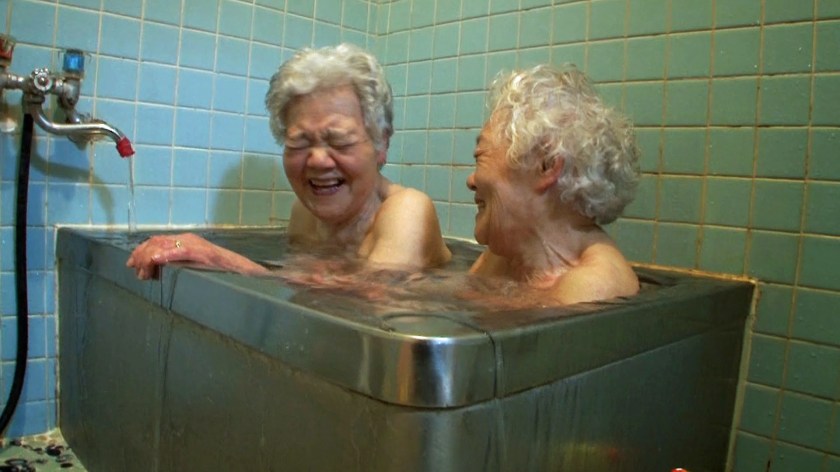
An exploration of loss, sickness and memory in a society (the Japanese one) that is getting older and older, told in the shape of a private documentary, here some thoughts on the movie.

walking_with_mother

Aragane (Oda Kaori, 2015)

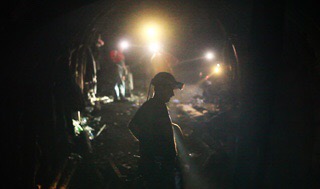
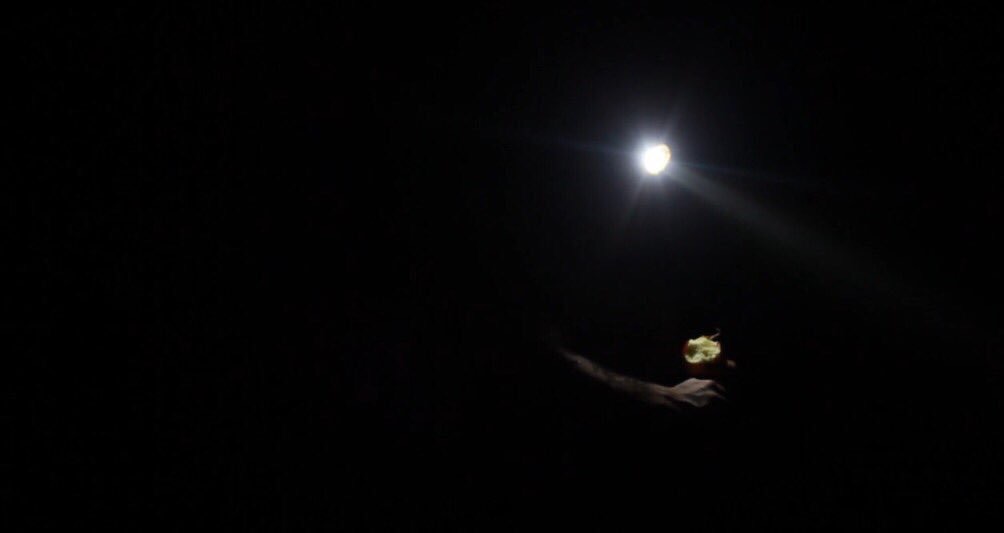
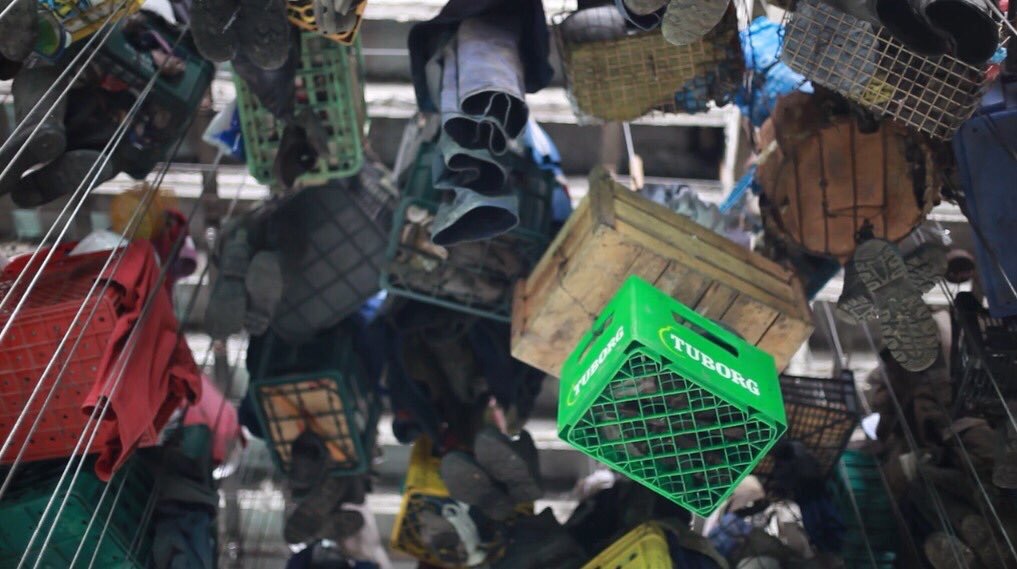
The camera follows patiently and almost hypnotically the workers of an old coal mine in Bosnia down into the darkness of their daily routine. The movie is visually stunning, partly documentary and partly experimental cinema, director Oda Kaori knows how to use the digital medium for her cinematic purposes in a work that revolves around the concept of duration and its materiality, and that is almost structural cinema in its construction. I had the pleasure of meeting and interviewing the director, the conversation was published on the Italian newspaper Il Manifesto, I’m currently working on an English translation and on a review/piece for this blog (maybe next year).

Oyster Factory (Sōda Kazuhiro, 2015)

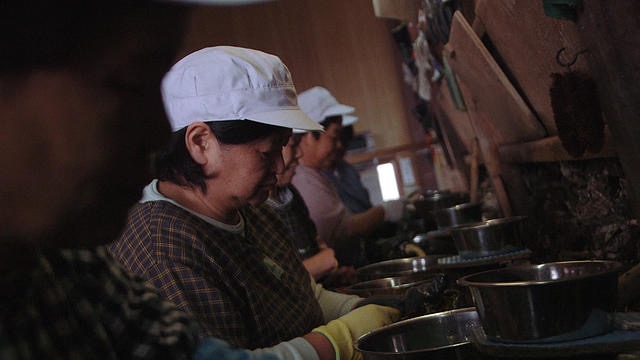
The latest work from Japanese director Sōda Kazuhiro, together with Theatre 1 and 2, my favourite among his documentaries. I’ve written more about the film here.

IMG_5344

France Is Our Mother Country (Rithy Panh, 2015)

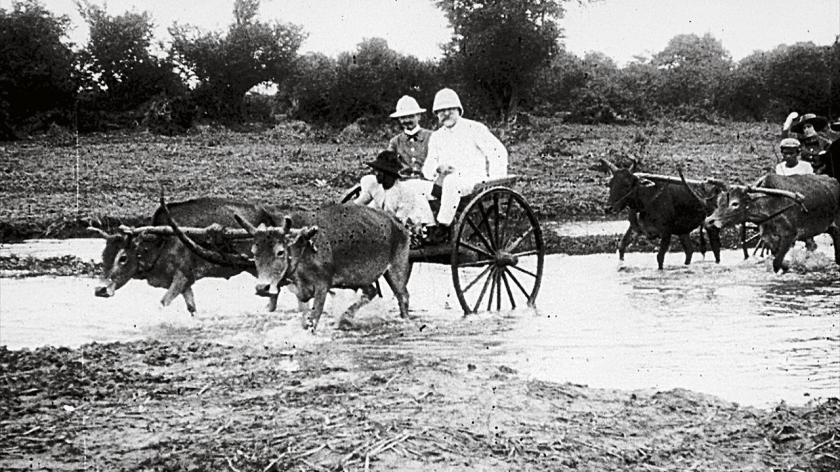
Rithy Panh (2-21: The Khmer Rouge Killing Machine, The Missing Picture) constructs a critical and satirical work about the colonial rule of Cambodia by France, using only footage, archival images and propaganda films shot by the rulers themselves. The power of re-editing and collage documentary.

france-is-our-mother-country

Night and Fog in Zona (Jung Sung-il, 2015)

A documentary about the great Wang Bing by movie critic-turned-director Jung Sung-ilhere you can read my review.

IMG_0379-0

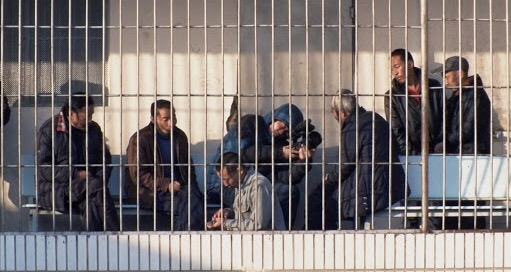
The Moulin (Huang Ya-li, 2015)

Formally engaging and elliptical, I don’t really know how much of my fascination for this movie comes from its themes, a group of Taiwanese avant-garde artists active in the 30′ during the Japanese colonial period, and how much from the documentary itself.

TheMoulin_Taiwan4

Documentaries from other parts of the world:

The Iron Ministry ( J.P. Sniadecki, 2014) and in general all the movies by Sniadecki: Demolition, People’s Park, Yumen….

Jujun (Paul Thomas Anderson, 2015)


(re)discoveries of 2015:

The Vampires of Poverty (Carlos Mayolo, Luis Ospina, 1977)

All the documentaries/works of the great Agnès Varda (it was a pleasure watching 14 of her films this year)


Interview with Toshi Fujiwara about No Man’s Zone (無人地帯, 2011)

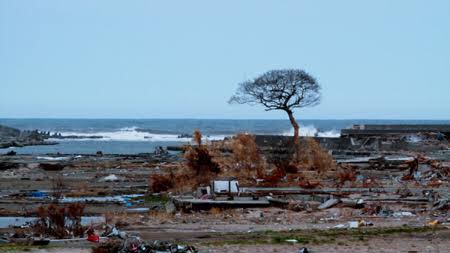
I’m reposting here and Interview I did in 2011 with Fujiwara Toshi, author of No Man’s Zone (無人地帯, 2011), to this day and in my opinion the best documentary about the March 11th’s triple disaster.
The interview was originally posted on the Italian blog Sonatine. You can purchase the DVD of the movie here (with English subtitles). 


Matteo Boscarol I’ve watched a couple of documentaries dealing with the disaster that hit Japan on March 11th, but in my opinion, your work stands apart from them. I think you adopted a broader perspective. Among other things, I felt No Man’s Zone was a visual essay on the impact that images of destruction have on our society.
Toshi Fujiwara Yes, you’re right but obviously it was something that was inside me from before the disaster and grew up over the years.
M.B. It was also like watching two documentaries, one with the row images and interviews from the area hit by the tragedy, the other one more reflective, with the narration and the editing giving a philosophical frame.
T.F. We’ve tried to create two separate layers very deliberately. One of the reasons is that it is a French-Japanese co-production. The cameraman and director are Japanese, and the editor is French…so why not have two layers to incorporate a certain distance within the contest. Originally, we thought of a French voice and the narration was different from the final one. It was more like a fictional story. The idea was that of a French woman and a Japanese director corresponding through the Internet. We collaborated with some French writers, but they didn’t get the right ideas because it was also supposed to be quite critical of the French culture itself. It turned into something rather awfully colonialist. So it didn’t work and I rewrote the whole narration.
M.B. In this way, it should be able to reach a foreign audience. The Japanese media didn’t do a good job, but at the same time, the international media excelled in misinformation, especially the Italian media.
T.F. Even here in Japan, it’s turning this way. Now the Japanese anti-nuclear movements are paradoxically against the people of Fukushima.
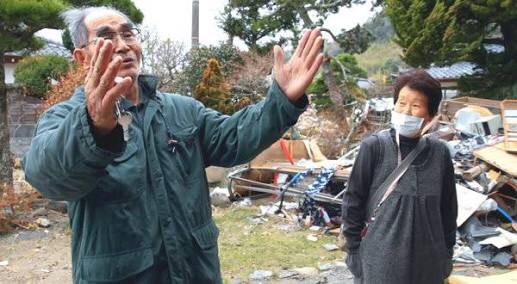
M.B. There’s a scene that particularly impressed me and even reminded me of some parts of Ogawa Shinsuke’s Heta Buraku. It’s the one when the camera is following an old lady wandering and speaking in her garden.
T.F Thank you for the compliment. It is probably because my cameraman, Takanobu Kato, was working with Ogawa. He was one of the last people to leave the production. It was important that he was with me because, being trained under Ogawa when his production was in Yamagata, he literally lived there raising rice and so on. As such, he knew how to shoot rice fields, and other details of life in the countryside.
M.B. In the same scene through the memory of the old lady, there are also references to a wider sense of time, historical and natural cycles, reaching as far as the period after the Second World War.
T.F. I would say that it goes even farther back in time; in fact, she recalls her father having been a silk worms teacher. It was before the war when Japan biggest export was silk itself.The images of movies of this kind focus usually on destruction, but we tried to suggest what was there before the destruction. What was destroyed and also what the people of these areas have lost is much more important.


M.B. What triggered you to go to Fukushima a month after the Earthquake to start to shoot?
T.F. I was disgusted by the way the images were shown on TV. The live footage didn’t show us how the people used to live, and didn’t give people a chance to communicate. Their lives up there were so different from the lives of journalists in Tokyo; moreover, the images are just raw material without any good editing. My intention was to make a film that would look distinctly different from what we watched on television, which was usually shot very hastily with a hand-held camera. One of my first commitments was to shoot as beautifully as we could. That’s why, when possible, we used a tripod. Already, I’d hated lots of contemporary documentaries because their shots aren’t beautiful. They shoot them too easily. Even though we did it in 10 days, we tried to do it as well as we could. Beautiful editing also was important.
M.B. And the voice of Khanjian Arsinée for the narration is very beautiful indeed.
T.F. Her voice is incredible. She’ s Armenian, but she grew up in Lebanon so her native tongues are Arabic and French. She moved to Canada when she was 17, in French-speaking Quebec. I liked her voice because she is not totally native in English [the narration is in English] and so we cannot clearly identify the nationality of her voice.


M.B. You went to Fukushima with your cameraman and one assistant—is that right?
T.F. Yes, it’s better to have a small crew also knowing that the TV people often annoy them…
M.B. How did the people there react to you and your crew?
T.F. Again, we were only three and we were not wearing any protective gear or masks, so they were extremely polite to us as they usually are to everybody else. You know, the people of Tohoku have a tradition for hospitality. Also, we were not asking abrupt and stupid questions like “what do you think of that and that…?”.
M.B. The problem of how to approach and relate to the people affected by disasters is a crucial one for the art of documentary. At the last Yamagata Documentary International Film Festival, there was a debate on this topic.
T.F. I was there myself, and I think the largest problem of these documentaries is that they’re more about the filmmakers going there and not necessarily about the places and the people living there. The general problem is that many filmmakers went to Tohoku, but they made films about their own confusion and panicked state of minds, while they forgot to make documentaries about the damages of the quake and the people who were directly touched by the tragedies. They are too self-centered and unconsciously self-obsessed. An even larger problem that I observe is that the audience in Tokyo takes comfort in seeing these movies, being reassured that the filmmakers are also confused. I find this tendency very problematic for being too masturbatory. They are forgetting the original function of cinema, which must be something open to create links and communications; under such circumstances, we should be mediums to make a bridge between those who experienced the tragedies and us who didn’t. That is one of the reasons why we tried to make “No Man’s Zone” an open film text, instead of sharing the personal experiences (if not self-excuses) of filmmakers. We wanted it to ask direct questions to the audience. Of course, my cameraman worked with Ogawa and I made a film about Tsuchimoto. Thus, I was influenced by others and different generations of documentary’s filmmakers, I’ve kind of skipped the generation of the so-called private documentaries.
M.B. Like Kawase Naomi?
I like Kawase and what she does; she is of my generation, but we do different things and that’s ok with me. I could say that I do documentaries like in the 60s, except that there is no more politics involved. Japanese leftist politics disintegrated in a very rapid way after the 70s.
M.B. Do you think March 11th will change something in filmmaking?
T.F. In my opinion, it should. But I haven’t seen the change yet. After all, only 9 months have passed. One thing for sure is that we have to try to do something different, different from what we were doing before. Actually, before the quake, I was working on a movie but now I’m not sure if it’s worthwhile to complete it. It’s about Japan before March 11th.
It’s a different period, it’s like being after a war in a way.
M.B. We should consider March 11th almost as important as August 15th, 1945.
A few months ago, I talked to Sono Sion, and he said that the tragedy was paradoxically “good” because it suddenly uncovered many problems affecting the Japanese society. For instance the relationship between urban centers and countryside, that is Tokyo-Tohoku…
T.F. I totally agree with him. We (in Tokyo) are just parasites, which is repeatedly stated in No Man’s Zone. The nuclear plants have been there for almost 40 years, and what is awful is that even now after 9 months in Tokyo, people don’t want to admit that we’re responsible.
And even now [this interview was conducted during the Christmas period], it’s like nothing has happened at all.At the Tokyo FilmEx this year, a lady in the audience from Fukushima was quite surprised after watching the movie. She walked outside and found the streets in full illumination for Christmas.
M.B. Can you tell us something about the music used in the film?
T.F. It was composed and performed by a free jazz American musician who’s been living in France for many years. His name is Barre Phillips and we’ve worked together before [Independence, 2002]. Again, we decided on a non-Japanese composer, one of the best that you can get, and also one that was not so expensive and not too commercial. The funny thing is that he recorded the music in a chapel of an ancient monastery in the south of France. In No Man’s Zone, there are a lot of Japanese traditional views with images of Buddhas and small gods, so I thought it would be interesting to have the music recorded in a Catholic chapel. In this way, the music and the narration can maybe suggest something universal. That’s why I wanted someone else and not myself to do the narration in English. It would otherwise have become just a documentary about my experience. This nuclear accident is asking tremendous and huge questions to all of us, to our civilization and how we have related ourselves to nature and to the universe, how we perceive our lives. We actually have to think about the philosophical and even the religious aspects of it all, I would say, and it’s stated at the end of the film, that Japan, embracing western civilization, has accepted its idea of a nature existing for us, to serve humans. It’s actually a very Christian concept. It is not even Jewish or Islamic; it’s a particular belief of Christianity to say that God created everything for us.

East and Southeast Asian documentary. And beyond 


Today just a quick note to announce a small topic shift I’d like to give to my blog. I will still primarily write about Japanese documentaries, but in the past months I realised just how limiting it is to keep the focus only on the works coming out of Japan and by doing so missing the chance to explore the rich and vibrant non-fiction scene of East and Southeast Asian countries. To be honest, I don’t know where this decision will bring the blog and even if there will be real changes in my blogging at all. Reviews of Asian documentaries? news about a new DVD/Blu-ray or an interesting movie from China, Taiwan, South Korea or the Philippines? More about film festivals in the region? I have no idea, stay tuned. 

Yamagata Doc Film Fest, report – day 3 and awards

My final day in Yamagata (October 12th) was a bit more relaxed than the previous two, the festival fatigue started to kick in and the nights spent talking & drinking at Komian did the rest. There were many movies I really wanted to see, Pedro Costa’s Horse Money, Homeland (Iraq Year Zero) by Abbas Fahdel, Ospina’s It all Started at the End and others. Unfortunatly all of them were screened around the same time in the afternoon, and I had to choose one, so finally I opted for Ospina’s, my personal way of completing the discovery of the Cali Group and the independent cinema of Colombia between the 70s and 80s. It All Started at the End is a long and absorbing work that goes back to the beginning of the movement, and using a mix of styles and images (footage, digital, mobile phone’s camera) tells the story of a group of friends and artists who revolutionised cinema in Colombia.

In the morning I attended the screening of a TV documentary (actually a mokumentary) made in 2006 by Mori Tatsuya and Murakami Kenji (edited by Matsue Tetsuaki) Documentary:  Truth or Lies「ドキュメンタリーは嘘をつく」A work that plays with and criticises the way non-fiction is usually planned and made on TV, funny at times but not always entertaining and cutting, this short film has nonetheless the quality of making the audience think and let them see what’s happening behind the camera. 


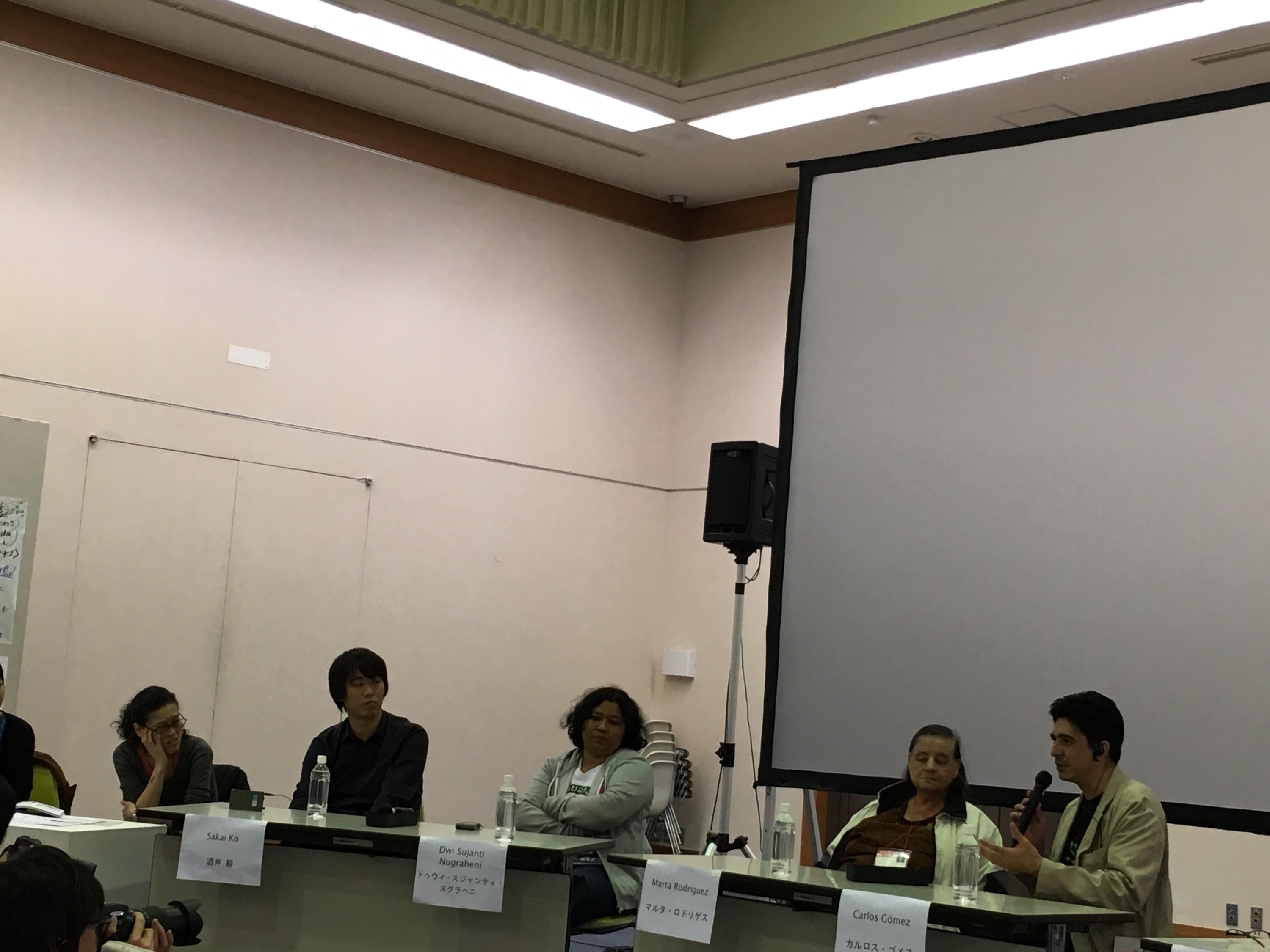
In the evening and as my final event for this edition of the festival, I decided to attend a symposium titled Creating a Space for Film, a discussion among six participants from different countries, Dwi Sujanti Nugraheni, Marta Rodríguez, Teng Mangansakan, Sakai Ko, Oki Hiroyuki, Carlos Gómez. Everyone of them brought and talk about his/her experience in creating a space for documentary, with indigenous people in Colombia for Marta Rodrigez and Carlos Gomez, in Indonesian schools with basically no budget for Nugraheni, in Sendai working with old people to find the still existing minwa (folklore in the oral tradition) for Sakai Ko, and in the Philippines in markets and basketball courts for Mangansakan. Very different stories and backgrounds, some governments opposing documentary like Indonesia, other supporting cinema like the Philippines, but everybody seemed to agree that what is fundamental and crucial is to build cinema and documentary literacy, through schools, workshops, festival and other activities. Without visual /media literacy there are no chances to have future generations of filmmakers and and audience capable of understanding and appreciating non-fiction cinema.

  
In conclusion, this year as two years ago, attending YIDFF was for me a really reinvigorating and fascinating experience, I didn’t see as many movies as I wanted to, but I as I wrote in the previous posts, there were some nice discoveries and above all I had the chance to meet, talk and exchange opinions with many filmmakers and film-festival people. The only downside to it is that I’ll have to wait two years until the next edition. See you soon Yamagata!

Today, October 14th the awards for this year festival were announced: 
The Robert and Frances Flaherty Prize (The Grand Prize):

Horse Money Dir: Pedro Costa

The Mayor’s Prize:
The Pearl Button Dir: Patricio Guzmán

Awards of Excellence:
Homeland (Iraq Year Zero) Dir: Abbas Fahdel

Silvered Water, Syria Self-portrait Dir: Ossama Mohammed, Wiam Simav Bedirxan

Special Prize: 
Us women . Them women Dir: Julia Pesce

New Asian Currents Awards

Ogawa Shinsuke Prize:
Standing Men Dir: Maya Abdul-Malak

Awards of Excellence:
Snakeskin Dir: Daniel Hui

Each Story Dir: Okuma Katsuya

Special Mention:
Glittering Hands Dir: Lee-Kil Bora

A Report about Mina Dir: Kaveh Mazaheri

ARAGANE Dir: Oda Kaori

I Am Yet to See Delhi Dir: Humaira Bilkis

Citizens’ Prizes
Homeland (Iraq Year Zero) Dir: Abbas Fahdel

Directors Guild of Japan Award

My No-Mercy Home Dir: Aori


Yamagata Doc Film Fest, report – day 1

From a rainy Yamagata, I wrote down some thoughts about yesterday, October 10th, my first day at this year festival. Good movies, some unexpected discoveries, lively discussions and as always, great atmosphere at Komiya, the place where almost everybody meets & drinks at night.

My day started with a surprisingly good documentary, France Is Our Mother Country (2015), from Rithy Panh, the French-Cambodian filmmaker author of The Missing Picture and s21, works that focus on the aftermath of the Khmer Rouge regime in Cambodia. France Is Our Mother is an archive documentary entirely made of footage from the former French colony of Indochina, but Panh uses these images in a creative and even ironic way, when not sarcastic, to express all the sense of superiority of the colonizers (France) towards the colonized. Without a single spoken word but rich in music, now minimalist, now almost noise-like, and with the use of ironic but thought-provoking intertitles, the movie reaches almost an hypnotic quality. After few minutes in it we already start to realise how the film is a history in images, but also and at the same time a history of images, besides the obvious but tragic elements of oppression shown, what slowly sneaks into the viewers’ mind is a sense that basically everything can be demonstrated with images, after all wasn’t the footage shot by the colonizers themselves? At a certain point, this is my personal and extreme experience of it, I even started to doubt about the “reality” of the images, “couldn’t some of them just be fake?” I asked myself. The answer is: of course not, but this reaction made me realised how deceptive and open to interpretations images can be, and this is for me the best quality of France Is Our Mother Country.
The second movie of the day was Millets Back Home (2013) by the Taiwanese Sayun Simung, a documentary about the small Tayal ethnic minority living in a mountain village in Taiwan, a tribe to which the young director herself belong to. A very interesting work for its topic – how to transmit and keep alive minor languages, traditions and customs in our present world- but less for its style, too journalistic and straightforward, at least for my taste. Better was the talk after the screening when a member of the Tayal went onstage and sang a traditional chant.

The first movie in the afternoon was the highly anticipated The Pearl Button by Patricio Guzmán, a film that deserves all the praised it earned around the world. It stretches from the very distant – in time and space, the stars and the universe – to the very small of a button found at the bottom of the ocean. From the purity of a quartz and the almost celestial lightness of the sky and the water, to the gravity of death, torture and human beings smashed in the cogs of History (the Chilean dictatorship).
The 4th documentary of the day was Under the Cherry Tree (2015) by Tanaka Kei, a young Japanese director who followed the lives and struggles of 4 elderly people in a public housing complex in Kawasaki. Shot in low-tech and very simple in its style, no narration but intertitles to explain the background of these people and their problems, nonetheless Tanaka is very good at conveying through her camera the loneliness, the feeling of approaching death and the dreariness of their lives.
The last one of the day wasn’t a novelty for me, I had watched Aragane (2015) by Oda Kaori a couple of months ago on a screener, but seeing it on the big screen and with the proper sound system just confirmed the quality of the movie and the boldness of Oda in making an experimental work in form of documentary. Shot in a mine in Sarajevo, Aragane is composed of long takes mainly in the underground darkness, the real protagonists of the movie are the machinery, the flashing lights and a ceaseless noise enveloping the images. Hypnotic in the way Oda conveys the materiality of time and the sense of duration, Aragane reminded me, with due distinctions, of some works made by Harvard University’s Sensory Ethnography Lab, I’m thinking especially of The Iron Ministry and Manakamana.

That’s all for the first day in Yamagata, tomorrow or maybe after tomorrow for the next reports.

Yamagata International Documentary Film Festival 2015 – Perspectives Japan and Latinoamérica

This year Yamagata International Documentary Film Festival is kicking off today Oct 8th in the Japanese city, and promises an intense and full week of non-fiction cinema and all its forms, a must for everyone interested in documentary.
This is the second post I dedicated to this year event and its line-up. While in the first one I wrote about Competition and New Asian Currents (you can read it here), today I’d like to take a look at Perspectives Japan, a selection of new Japanese docs, and Latinoamérica—The Time and the People: Memories, Passion, Work and Life, a retrospective on the so called Third Cinema (Tercer Cine) and its resonances with the contemporary non-fiction production in Latin America.

Perspective Japan, as stated on the official page, will introduce “Five dynamic films that defy convention (…) in a display of the powerful contemplation and fresh vibrancy being explored in Japanese documentary filmmaking.”
Of the 5, the only one I had the chance to see is THE COCKPIT, a relatively short documentary (just a bit more than an hour) about a group of hip-hop musicians working on a new song. A static and almost hypnotic work, especially in its first part where the camera in a fixed position is showing us the rapper OMSB at work on his mixing console chatting to his mates. The Cockpit is a nice piece of non-fiction cinema, minimalistic in its approach, but interesting and watchable not only for wannabe-musicians. Okinawa: The Afterburn, directed by John Junkerman – an American who has lived in Japan for almost 40 years (and for a certain period in Okinawa itself) – is a deep look at the recent history of the islands, always a crucial geopolitical space to understand Japan and its tensions and relationship with the outside. Completing the line-up for Perspective Japan: PYRAMID: Kaleidoscope Memories of Destruction (Sasakubo Shin), Under the Cherry Tree (Tanaka Kei) and Voyage (Ikeda Sho).

As for the Latinoamérica section, it’s going to be an incredible journey at the heart of what was happening – social and political changes, resistance, upheavals, revolutions, massacres -during the 60s and 70s in Central and South America. Milestones of word documentary such as Patricio Guzmán‘s The Battle of Chile 1,2 and 3 will be screened alongside works of Luis Ospina and a mini-retrospective of short chilean documentaries, including films from Raúl Ruiz (The Suitcase, 1963) and Joris Ivens (. . . A Valparaiso, 1963, with commentary written by Chris Marker), almost 30 works in total, a visual feast not to be missed.

As written before, I’ll be there for 3 days (Oct 10th to 12th), if time permits, I’ll be posting, or more likely twitting, about it. Stay tuned.