God Speed You! Black Emperor and other works by Yanagimachi Mitsuo released (again) on DVD


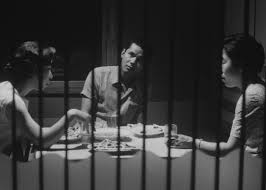
God Speed You! Black Emperor (ゴッド スピード ユー! Black Emperor) is 16mm black & white documentary  by Yanagimachi Mitsuo about a group of Japanese bikers, “The Black Emperors”, part of the so-called bōsōzoku movement, the motorcycling subculture that arose during the 70s in Japan. In the following years the film became a cult movie, inspiring even a Canadian rock band that took its name from it. Now, the good news is that from September 2nd the film is again available on DVD, although only in Japan and, as far as I know, without English subtitles. If you live in Japan you can also rent the same edition, try at your local Tsutaya or Geo. 
God Speed You! Black Emperor was the feature debut for Yanagimachi Mitsuo, shot after establishing his own production company, Gunro Films, 2 years before. Yanagimachi, who is known internationally also for Himatsuri (火まつり, 1985), is a director whose production during his 40 years career has been sparse to say the least, his last movie to date is Who’s Camus Anyway? (カミュなんて知らない, 2005), released exactly 10 years ago. 

  
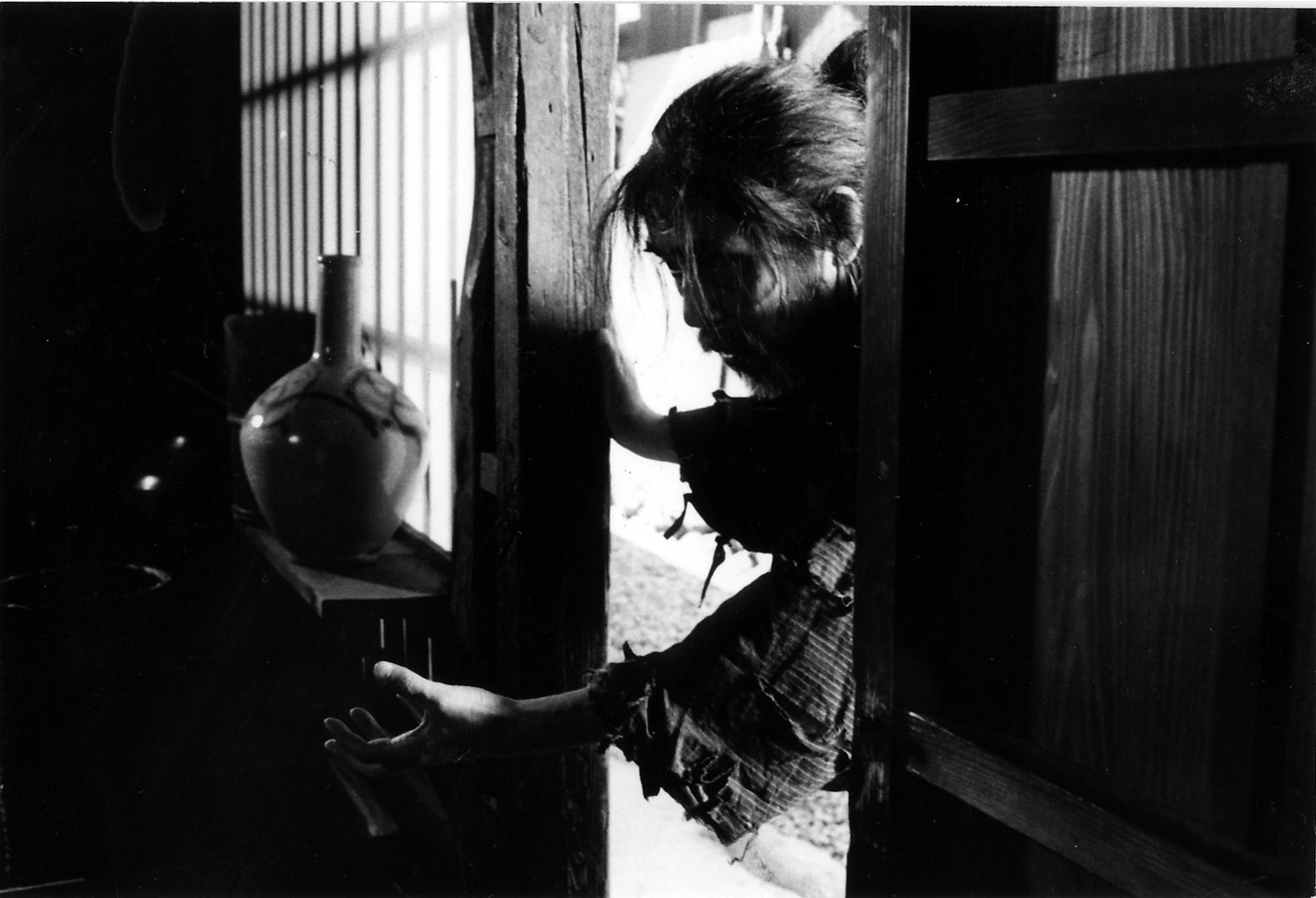
Together with God Speed You! Black Emperor the home video company Dimension (DIG) has also released other films by Yanagimachi, A 19-Year-Old’s Map (十九歳の地図, 1979), Farewell to the Land (さらば愛しき大地, 1982) and About Love, Tokyo (愛について 東京, 1992) all 3 works of fiction. A very intriguing work for me is The Wandering Peddlers (旅するパオジャンフー, 1995) his only other documentary,  it premiered at the Venice Film Fest in 1995 and had never been released on home video before. I haven’t seen it, but according to Variety, Yanagimachi “and his crew went to Taiwan where they filmed, in loose cinema verité style a number of medicine peddlers, who still travel the country selling their wares and entertaining small-town audiences. Resulting pic blurs the line between documentary and fiction as Yanagimachi explores the lives of a couple of groups of peddlers, and they appear to act out their personal dramas for the camera”. The cinematographer being Tamura Masaki just adds more interest to the film. 


As for the releases, as far as we know from the description, the DVDs are bare-bone editions without special features, the only extra material listed is a recent interview with Yanagimachi himself that is included in each DVD. One day it would be nice to see an edition of God Speed You! Black Emperor with English subtitles and lots of extras; putting the movie in its sociopolitical context and drawing connections with other works of the period would indeed benefit and deepen our viewing experience of it. 

Links: 

God Speed You! Black Emperor on DVD

Farewell to the Land on DVD

A 19-Year-Old’s Map on DVD

About Love, Tokyo on DVD

The Wandering Peddlers on DVD

Kuroki Kazuo, two works available for free at the Science Film Museum website

In postwar Japan, industrial films, PR movies, science films and educational movies formed an important space where filmmakers and production companies were allowed a certain degree of freedom and experimentation.

It’s a bless that such an important and massive output is now available to watch online at the Science Film Museum – free science movies resurrected from the Shōwa Era, a visual archive for researchers interested in non-fiction and films produced outside the entertainment sphere.

Although the works subtitled in English are really few, it is indeed an archive worth-checking and the reasons are well explained on their homepage:

The science films such as “THE WORLD OF MICROBES”, filmed using special camera techniques that gave the world it’s first film footage of the world under a microscope received many major awards in domestic and international scientific film festivals A true photographic legacy. From an academic perspective, these films will prove to be effective educational materials for the present and for the future.

However, with the existence of these films known only by a few, they lie dormant within companies that undertook the projects and the storerooms of production companies. Furthermore, as these films were produced in the analog era, the degree of deterioration is severe and their maintenance is proving extremely difficult.

Consequently, we established “The Science Film Museum (Incorporated NPO)” to make practical use of those science films in educational and research facilities by converting them to the high quality digitalisation (HD) from the original 35mm negatives through telecine transfer. And we present them through the website, also so that many people can experience the wonders of the mysteries of life.

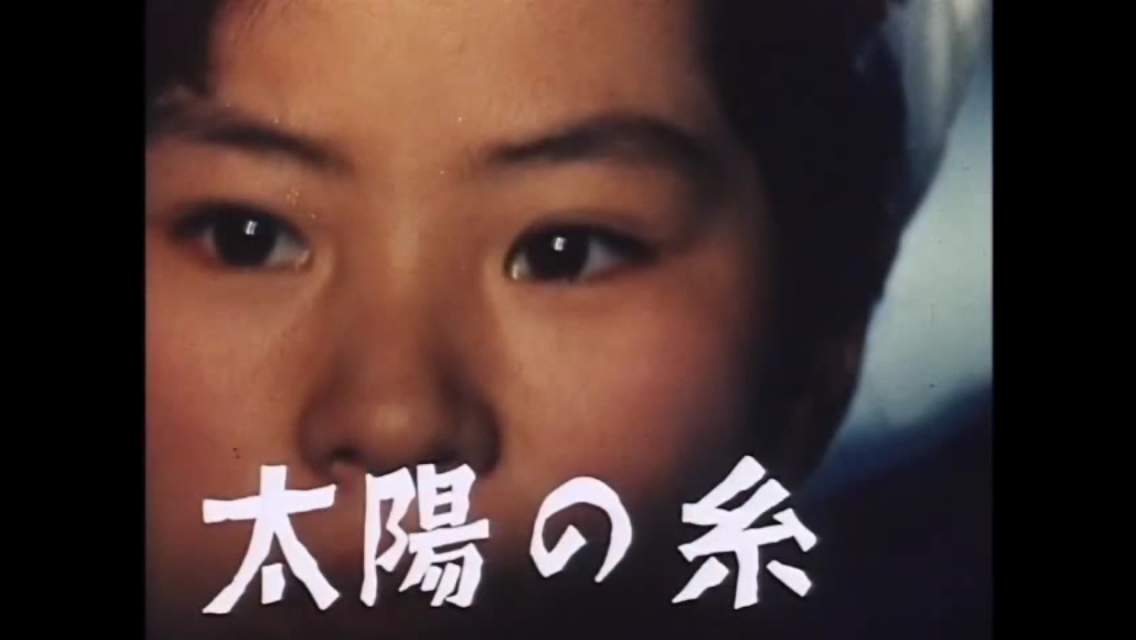
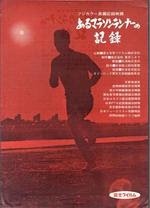
What I’d like to focus on today are two movies made in the 1960s by one of my favourite Japanese filmmakers of the era, Kuroki Kazuo, a director who before establishing himself as an author somehow associated with the new wave (Silence Has No Wing, Ryōma Assassination among others) was a respected non-fiction filmmaker. On The Science Film Museum webpage it’s possible to watch the PR movie The Solar Thread (太陽の糸) commissioned by the ryon campany Torey, and the more known Record of a Marathon Runner(あるマラソンランナーの記録), shot in 1964, the year of Tokyo Olympics, a defining event for Japan that symbolically ushered the country in the elite of Western and modernized nations.

Even if you don’t understand Japanese, the first minutes of The Solar Thread – co-directed with another big name in Japanese cinema and documentary, Higashi Yōichi – are quintessential sixties: disorienting music, vivid colours palette, free-style editing and a taste for the abstract and the experimental that was still alive in the Japanese documentary scene of the time. Here the movie:

http://www.kagakueizo.org/movie/industrial/72/

As for Record of a Marathon Runner, there are various articles dealing with it online, I would recommend at least this long interview with Kuroki. Record of a Marathon Runner represents, for different reasons (subject tackled, overall tone, and music used), the negative, the other side, of the Olympics official discourse that was pushed by the mainstream media at the time:

http://www.kagakueizo.org/create/tokyo-sinema/79/

Motohachi Seiichi’s new documentary『アラヤシキの住人たち』


Motohachi Seiichi is a photographer and documentary filmmaker whose works and activity and I’m referring here especially to his achievements in non-fiction, although presented at international film festivals, have not yet reached the audience and the recognition they deserved, in my opinion of course. 


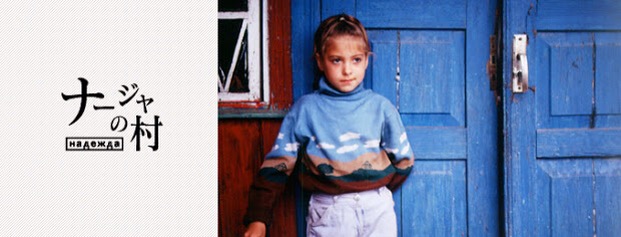
He’s the author of, among others,  Nadja’s Village and Alexei and the Spring, works screened at the Berlin International Film Festival, but also the producer of other interesting documentaries such as A Village That Changed Into Water (Onishi Nobuo, 2007) or Tale of a Butcher Shop (2013), the latter listed last year by Kinema Junpo in its annual best bunka eiga section. 


His new documentary, 『アラヤシキの住人たち』(Arayashiki no jūnintachi)  will open in some selected cinemas in Japan on May 1st and was shot during a year at the Kyodo Gakusha farm, a cooperative community which hosts people from a variety of backgrounds such as mentally disadvantaged persons or who are tired of the city life. Raising animals, growing vegetables and making cheese with ecological and organic methods, staying in this community means for its people also exploring a different style of living. It seems a documentary worth mentioning and following for a series of reasons, the topic of course but also the style adopted, at least from what we can glimpse from the trailer, is a move “back” when documentary in Japan meant to be first of all a visual work and the filmmaker cared about framing, light, editing etc. and wasn’t just a branch or a development of video journalism…..

Satō Tadao’s best documentaries of all time

IMG_3659

Satō Tadao is without any doubt one of the most renowed film critics and theorists living and working in Japan today with a career spanning more than 50 years, a scholar also known and respected in the West through the translations of his writing and some of his books. In the last year Sight & Sound poll – the greatest documentaries of all time, Satō was one of the voters, here are his picks:

Nanook of the North (1922)
Robert Flaherty

The Effects of the Atomic Bomb on Hiroshima and Nagasaki (1946)
Chozo Obata, Sueo Ito, Masao Yamanaka, Dairokuro Okuyama

Night and Fog (1955)
Alain Resnais

Minamata:The Victims and Their World (1972)
Noriaki Tsuchimoto

Kenji Mizoguchi: The Life of a Film Director (1975)
Kaneto Shindo

Echigo Okumiomote (1984)
Tadayoshi Himeda

The Emperor’s Naked Army Marches On (1987)
Kazuo Hara

Kabuki-yakusha Kataoka Nizaemon (1994)
Sumiko Haneda

Fatherless (1999)
Yoshihisa Shigeno

Acid Ocean (2012)
Sally Ingleton

IMG_3660

An interesting list through which I could discover some works I had never heard about before like Fatherless and Echigo Okumiomote, it was also a pleasant surprise to see listed, among some “classics” of Japanese non-fiction cinema such as Minamata:The Victims and Their World or The Emperor’s Naked Army Marches, Kabuki-yakusha Kataoka Nizaemon, a work by Haneda Sumiko, a director I’m very fond of and a filmmaker who plays an important role in the history of Japanese documentary.

IMG_3658

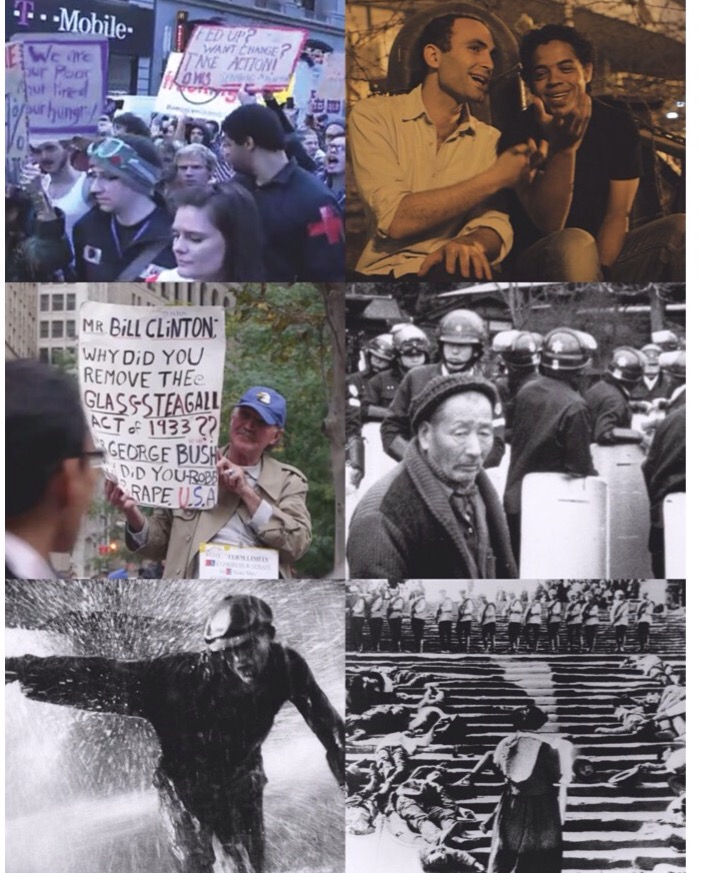
On a not-so-related-note, in the March issue of Sight & Sound a piece on Sergei Loznitsa’s Maidan by Nick Bradshaw opens with a collage of stills from different documentaries on anti-government protests. Among them a still of Sanrizuka: Heta Village (Ogawa Pro, 1973), a nice sign that Japanese documentary is slowly infiltrating (again?) in the international cinematic discourse, at least this is my hope.

Best Japanese documentaries’ poll – results

More than 2 months have passed since I launched the best Japanese documentaries of all time poll, it’s time to wrap things up and to take a look at the results. Thanks everybody for your votes, for your support and for helping me spreading the word. sdgblogBefore digging into this fascinating trip through the history of Japanese non-fiction film, let me add some overall thoughts.
On the negative side, I have to admit that I’m a bit disappointed that I couldn’t get many people to vote, and this is partly my fault, the blog is pretty new and relatively unknown and I’ve been lazy and shy about pushing it through the social networks world. Besides, Japanese documentary is a niche subject inside a niche (Japanese cinema), and there are not so many people interested in documentary film as an art form, so I should have expected this. Many people, most of them cinema professionals, were kind enough to decline my invitation, honestly admitting their lack of knowledge in the field. After all, one of the purposes of the poll was indeed to check how much exposure Japanese non-fiction movies have in the world of cinephiles, so I shouldn’t really complain too much.
On the positive side, I was really surprised by the deep knowledge of the voters, most of them, I have to add, cinema professionals: festival programmers, critics, professors, and so on.
Below you’ll find the list, when possible I’ve added some information about each movie’s availability on DVD/BD.
Thanks again everyone, feedback and comments are, as always, welcomed.

1)Included in their lists by 40% of voters
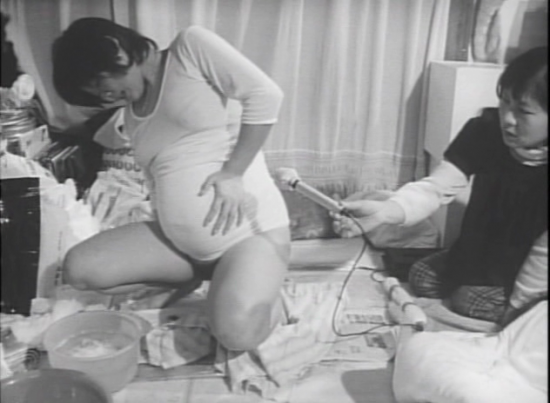
Extreme Private Eros: Love Song 1974 「極私的エロス・恋歌1974」 (Hara Kazuo, 1974)
Extreme_private_eros_hara_kazuo

Available on DVD (with English subtitles).

2)Included in their lists by 33% of voters
Children in the Classroom 「教室の子供たち」(Hani Susumu, 1954)
children_in_the_classroom_Hani
Available in Japanese in this Iwanami DVD box

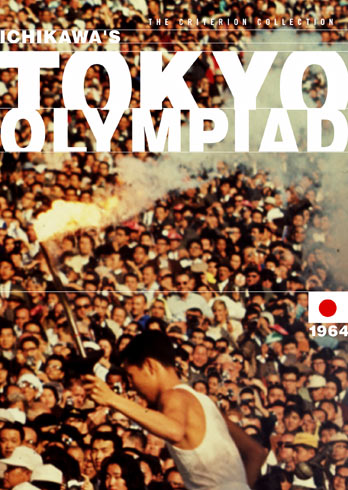
Tokyo Olympiad 「東京オリンピック」(Ichikawa Kon, 1965)
Tokyo_Olympiad_Ichikawa
Available on DVD in Japanese or with English sub, but the Criterion Collection edition is out of print.

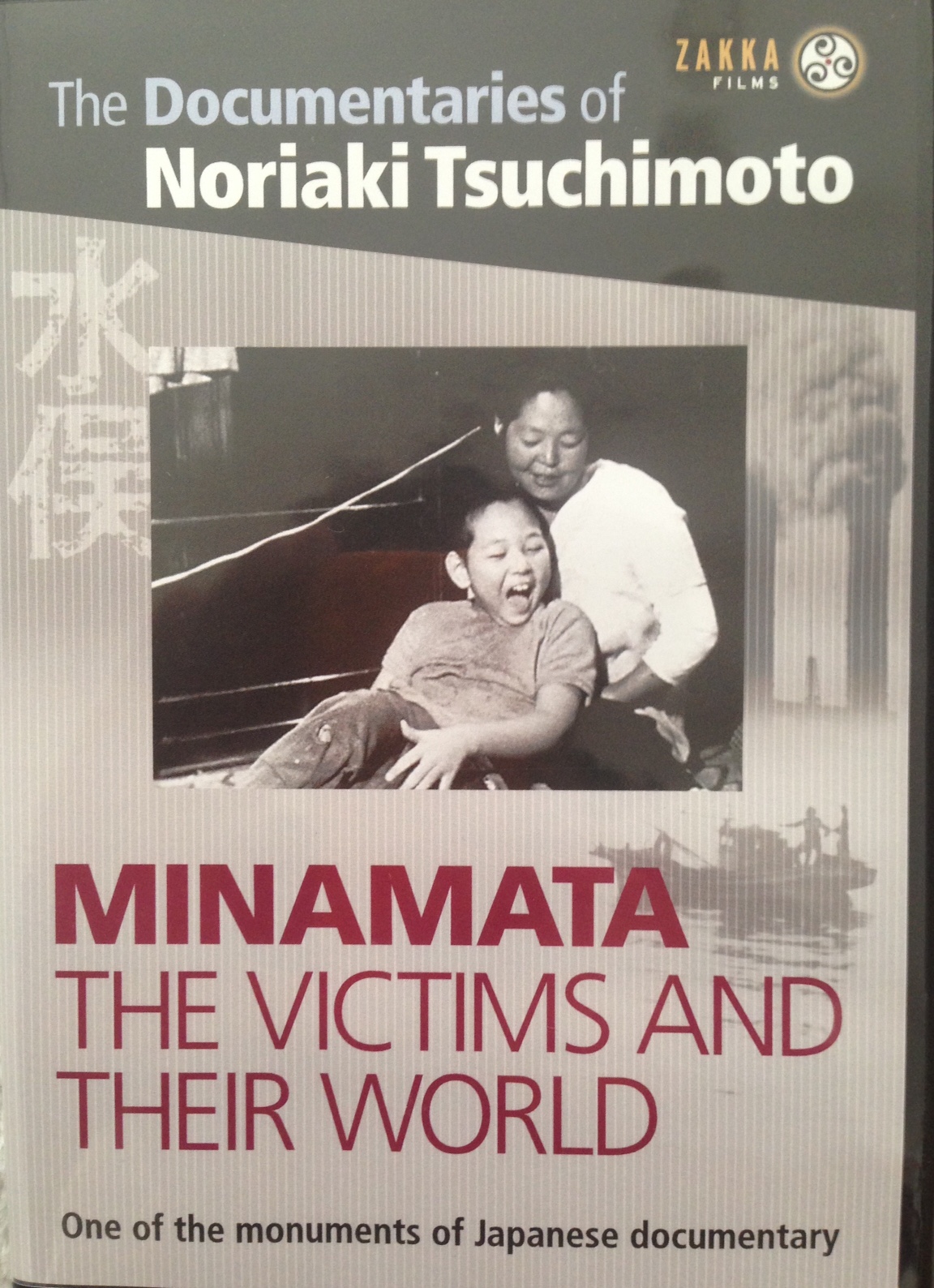
Minamata: The Victims and Their World 「水俣 患者さんとその世界」(Tsuchimoto Noriaki, 1971)
Minamata_Victims
Available on DVD with English sub by Zakka Films

The Emperor’s Naked Army Marches On 「ゆきゆきて、神軍」(Hara Kazuo, 1987)
Emperor_Naked_army_Hara_Kazuo
Available on DVD with English sub

3)Included in their list by 27% of voters
Without Memory 「記憶が失われた時」(Koreeda Hirokazu, 1996)
Without_memory_Koreeda
Not available

4)Included in their lists by 20% of voters
A.K.A. Serial Killer 「略称・連続射殺魔」 (Adachi Masao, Iwabuchi Susumu, Nonomura Masayuki, Yamazaki Yutaka, Sasaki Mamoru, Matsuda Masao, 1969)
AKA_serial_Killer
There used to be a VHS in Japanese….

Fighting Soldiers 「戦ふ兵隊」(Kamei Fumio, 1939)
vlcsnap-2015-01-23-09h11m10s188
Available in Japanese on DVD (the quality of the transfer is pretty low though). Here my analysis of the first scenes.

A Man Vanishes 「人間蒸発」(Shōhei Imamura, 1967)
A_Man_Vanishes_Imamura
Available on DVD with English subtitles by Master of Cinema and by Icaruswith 5 bonus documentaries made for TV by Imamura in the 70s (reccomended).

The Shiranui Sea 「不知火海」(Tsuchimoto Noriaki, 1975)
ShiranuiSea_Tsuchimoto
Available by Zakka Films with English sub.

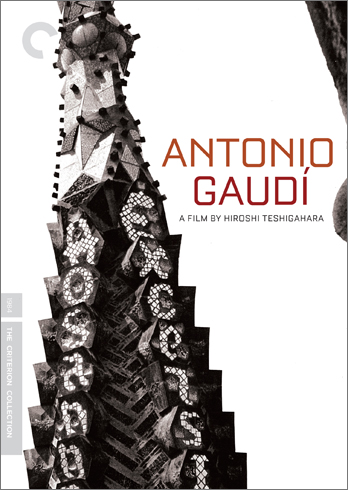
Antonio Gaudi 「アントニー・ガウディー」(Teshigahara Hiroshi, 1985)
antonio_gaudi_teshigahara
Available with English sub by Criterion Collection.

5)Included in their list by 13,3% of voters
For My Crushed Right Eye 「つぶれかかった右眼のために」(Matsumoto Toshio, 1968)
for-my-crushed-right-eye
The work is in the Matsumoto Toshio DVD collection – volume 2 – released by Uplink (now out of print?) in Japanese.

Goodbye CP [さよならCP] (Hara Kazuo, 1972)
Goodbye_CP_Hara_Kazuo
Available with English sub by Facets Video.

Narita: Heta Village 「三里塚・辺田部落」(Ogawa Production, 1973)
IMG_1328
Not available on DVD or VHS

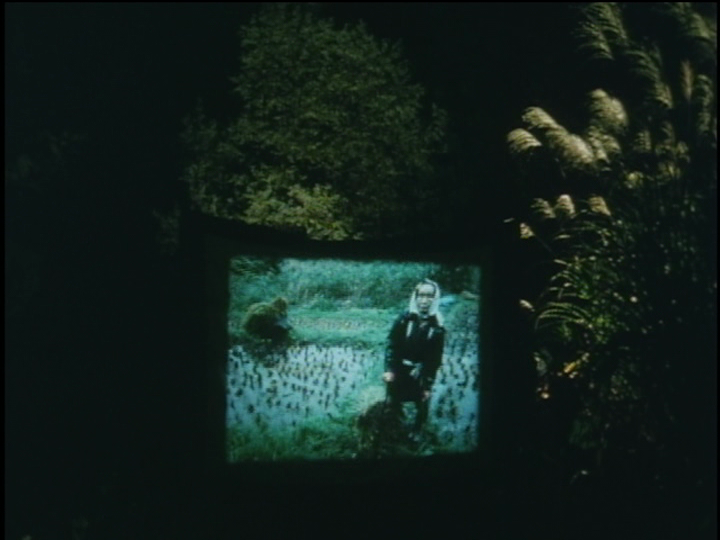
God Speed You! Black Emperor 「ゴッド・スピード・ユー!」(Yanagimachi Mitsuo, 1976)
godspeedyou_emperor
Available in Japanese on DVD (used and expensive).

The Cherry Tree with Gray Blossoms 「薄墨の桜」(Haneda Sumiko, 1977)
vlcsnap-2015-01-28-21h24m04s10
Available on DVD (only in Japanese) by Jiyū Kōbō or in this Iwanami Nihon Documentary DVD-BOX

Magino Village – A Tale / The Sundial Carved With A Thousand Years of Notches 「1000年刻みの日時計 牧野村物語」(Ogawa Production, 1986)
magino1
Not Available

Embracing 「につつまれて」(Kawase Naomi, 1992)
Embracing_Kawase_Naomi
Available in Japanese with English sub in this DVD-BOX

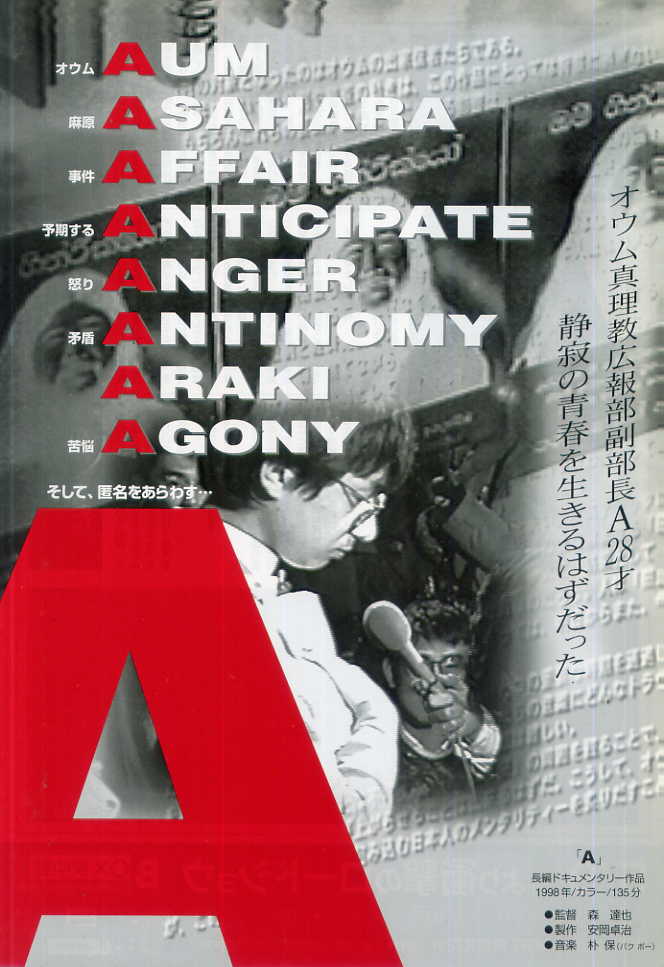
A (Mori Tatsuya, 1998)
A_Mori_Tatsuya
Available with English sub by Facets Video

The New God 「新しい神様」(Tsuchiya Yutaka, 1999)
IMG_3593
Available on DVD in Japanese

Memories of Agano (阿賀の記憶, 2004 Satō Makoto)
IMG_0105
Available on DVD with English sub by SIGLO.

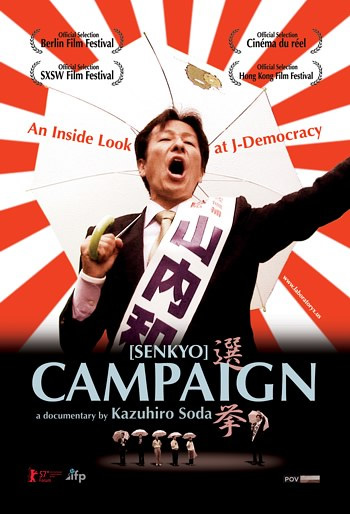
Campaign 「選挙」(Sōda Kazuhiro, 2007)
Campaign_Soda_Kazuhiro
Available on DVD with English sub.

Best 10 Japanese documentaries – my list

As a reminder that you still have a month to join the poll “Best 10 Japanese documentaries of a time” I’ve put together my list. I left out many good and inspiring documentaries made in recent years (Genpin, No Man’s Zone, Flashback Memories and others) and I’ve cheated twice, but anyway:

vlcsnap-2013-10-27-18h56m10s89
Fighting Soldiers (戦ふ兵隊, 1939 Kamei Fumio)

/home/wpcom/public_html/wp-content/blogs.dir/279/79975380/files/2015/01/img_3366.jpg
Children Who Draw (絵を描く子どもたち, 1956 Hani Susumu)

AKA-SerialKiller
A.K.A. Serial Killer (略称・連続射殺魔, 1969 Adachi Masao, Iwabuchi Susumu, Nonomura Masayuki, Yamazaki Yutaka, Sasaki Mamoru, Matsuda Masao)

motoshinkakarannu
Onikko (鬼ッ子 闘う青年労働者の記録, 1969) and
Motoshinkakarannu (沖縄エロス外伝 モトシンカカランヌー 1971) by NDU/Nunokawa Tetsurō

Minamata_Victims
Minamata: The Victims and Their World (水俣 患者さんとその世界, 1971 Tsuchimoto Noriaki)

hetaburaku083
Sanrizuka: Heta Village (三里塚 辺田部落,1973) and
Magino Village – A Tale / The Sundial Carved With A Thousand Years of Notches (1000年刻みの日時計 牧野村物語, 1986) by Ogawa Pro

akamata
Song of the Akamata–The life histories of the islanders, Komi, Iriomote Islands, Okinawa (海南小記序説・アカマタの歌-西表・古見, 1973 Kitamura Minao)

/home/wpcom/public_html/wp-content/blogs.dir/279/79975380/files/2015/01/img_3040.png
Extreme Private Eros 1974 Love Song (極私的エロス・恋歌1974, 1974 Hara Kazuo)

/home/wpcom/public_html/wp-content/blogs.dir/279/79975380/files/2015/01/img_3370.jpg
The Cherry Tree with Gray Blossoms (薄墨の桜, 1977 Haneda Sumiko)

Memories_Agano1
Memories of Agano (阿賀の記憶, 2004 Satō Makoto)

Tsuchimoto Noriaki, Minamata: The Victims And Their World (1971) a milestone in Japanese documentary

Minamata_Victims

Disclaimer: as I wrote few days back on twitter, I’ll kick off 2015 with a little experiment. I’ve translated (and partly rewritten) in English my post on Minamata: The Victims and their World. As English is my second language, inevitably some subtleties and nuances of the original Italian piece are probably lost. Feedback and/or suggestions are welcome.

Minamata: The Victims and Their World (水俣 患者さんとその世界, 1971)

Director: Tsuchimoto Noriaki
Production: Higashi Productions
Producer: Takagi Ryutarō
Camera: Ōtsu Kōshirō
Editor: Tsuchimoto Noriaki, Sekizawa Takako
Year: 1971
Links: review by Cathy Munroe Hotes, DVD by Zakka Films

Tsuchimoto Noriaki is one of the major figures in Japanese documentary history, and although he also made works about Afghanistan, road construction and other diverse topics, he is best known for the series made in more than 30 years about the victims of Minamata disease. Tsuchimoto first came into contact with the reality of Minamata, a city located in Kumamoto prefecture, in 1965 when he was commissioned to make a short documentary for television, Minamata no kodomo wa ikiteiru. After this experience, when approaching the victims was not as easy as one might expect, he went back to Minamata in 1970 and started to film the lives of the residents in a different manner and to uncover a Pandora’s box of horrors. Minamata had been the scene of one of the largest poisonings perpetrated by man to himself and to the environment, and the city’s name will remain forever linked to the chemical company Chisso, which from 1932 to 1968 polluted the Shiranui Sea and the Minamata Bay with huge quantities of mercury. The metal entered the food chain and caused what is now called Minamata disease (Minamata-byō), a neurological syndrome that was first discovered in 1956. Over the years, the disease has affected more than ten thousand people and killed more than two thousand, but these are just the officially recognized, numbers; the damages and effects of this crime sadly are not always quantifiable or legally provable, and there have been accusations of collusion between the Japanese government and the Chisso corporation to cover up the disaster.
Structurally Minamata: The Victims and Their World consists of a series of interviews, conducted by Tsuchimoto himself, with the victims and relatives of those who had been affected by the disease. These interviews reveal the daily lives of the inhabitants damaged by the poisoning: their relationship with the sea, the sickness and the painful memory of the deceased. The interview scenes are interspersed with moments in the lives of fishermen, their habits and traditions, and meetings and rallies in the streets to protest Chisso and the government. It is worth pointing out that the crime perpetrated by Chisso is something inherent in the capitalist system, a tragic result of the dynamics of exploitation of poor and marginal areas and not merely an incident in the course of normal industrial activities.
As a documentary director, Tsuchimoto had to face two big problems, (re)gaining the trust of the people whose lives and tragedies were often spectacularized and exploited by the media, as he experienced firsthand when making the aforementioned TV documentary, and secondly deconstructing the contrasting feelings of hate and gratitude towards Chisso that were present in many residents, even unconsciously. Tsuchimoto was well aware of all these contradictions, and one of his major achievements was his ability to achieve a balance between the anger with which he was unmasking the dark side of modernization in Minamata, and the human touch with which he always managed to present the victims and give them dignity.
We are introduced to the world of Minamata by a series of information about the poisoning and the Chisso corporation, displayed at the beginning of the documentary. These words substitute for the initial narration, the voice-of-god so often used in mainstream documentaries, and are soon followed by the first images of the area, the lapping of the water and a fishing boat in the sea. This is a highly symbolic start, as the water that dispenses life to the fishing community and upon which the community’s life is based, is the same water that, polluted by mercury, destroys their lives. The lack of sync between the image and the sound, due to the lack of the right technology, was very common in Japanese independent documentary of the time; most of Ogawa Pro’s works of the Sanrizuka period, for instance, were affected by the same “problem”. This technical limitation forced directors, including Tsuchimoto, to combine images and sound in highly creative ways. The words and cries of the victims and of their families are often overlapped with images showing the tragic effects of mercury poisoning upon the residents of Minamata, in the fishing scenes that often punctuate the documentary, a beautiful and almost ancient music contributes to creating an epic atmosphere that envelops the lives of these fishing communities, the most impressive and famous of these shots depict an elderly man, who has lost his wife because of the disease, fishing for octopi.

As a viewer watching the movie at the beginning of the 21st century, it is also worth noting that the images in black and white and the aforementioned lack of sync, pose as a further filter for the viewer, allowing Tsuchimoto to successfully avoid spectacularization of grief and the subsequent exploitation of the lives of the victims. We still see sick people and children whose lives were completely ruined, particularly touching is when in a series of harrowing scenes we are introduced to a young boy, who is drooling, staggering, and unable to move and speak freely. But the way the camera follows him and presents his and his family’s grief, is a form of respect that reveals his dignity as a human being. This attention towards the weak and the other is one of the highest achievements of Tsuchimoto’s body of work, it is a cinematic touch that serves also as a very powerful ethical statement on the meaning of being human, an approach that will reach a new level and culmination in The Shiranui Sea (1975), another documentary dedicated to the victims of Minamata.
In the second part of the documentary, we follow the journey of the victims and their families to Osaka, where the Chisso biannual shareholders meeting took place in 1970. This trip to the second largest city in Japan is also important because Osaka is the place that in the same year (1970) housed the International Exposition. Together with the Tokyo Olympics in 1964, this international event helped to reposition Japan in the international political map and in doing so marked the complete admission of Japan to modernity and the Western world. Exposing the dark side of modernization, Tsuchimoto is thus making a very powerful political statement about the development of Japanese society and modern societies in general, revealing the unavoidable part maudite.
The meeting between the leaders of Chisso corporation and the Minamata representatives almost resulted in a riot, with a sort of guerilla filmmaking reminiscent of the cacophony of Sanrizuka and the student protests, Tsuchimoto and director of photography Ōtsu Kōshirō show us the people of Minamata invading the stage and surrounding the CEO and his staff as if symbolically destroying the verticality between the zaibatsu and the people. Again here, as in the Sanrizuka documentaries of Ogawa Pro of the same time, the soul of the protest was feminine, and the ones who verbally confronted the Chisso CEO more than anyone else were in fact women and mothers driven by rage and grief.

Minamata_Victims_DVD

The opportunities to see Japanese documentaries outside of the archipelago are really few, and usually restricted to film festivals, especially when these works were shot in 16mm or 35mm. It is thus noteworthy that Minamata: The Victims and Their World, together with The Shiranui Sea and other Tsuchimoto’s works, is available on DVD with English subtitles through the dedicated work of independent label Zakka Films.
(Special thanks to Ono Seiko and Tsuchimoto Motoko)

Tsuchimoto Noriaki, Minamata: The Victims and Their World (1971) una pietra miliare del cinema documentario giapponese

Minamata_Victims

Here the English version

Regia: Tsuchimoto Noriaki. Fotografia: Otsu Koshiro. Produzione: Higashi Production. Produttore: Takagi Ryutaro.
Durata: 120’. Anno: 1971.
Reperibilità: DVD Zakka Films

Tsuchimoto Noriaki entra in contatto per la prima volta con la realtà di Minamata nel 1965 quando realizza un documentario per la televisione, Minamata no kodomo wa ikiteiru, ed inizia a calarsi in quella che nel corso degli anni sarebbe diventata l’avventura della sua vita, non solo artisticamente parlando. Tsuchimoto nato nella prefettura montuosa di Gifu, nel 1970 ritorna nell’isola meridionale di Kyushu per scoperchiare quella scatola degli orrori, ed è l’orrore del sistema non quello dell’incidente di percorso, che è stata e continua ad essere, per quanto gli stessi abitanti del luogo vogliano dimenticare, la città di Minamata. Luogo e teatro di uno dei più grandi avvelenamenti perpetrati dall’uomo verso sé stesso e l’ambiente, il nome della città rimarrà per sempre legato all’industria chimica di Chisso che dal 1932 al 1968 riversa nel mare, come materiale di scarto, quantità enormi di mercurio. Il metallo entra nella catena alimentare e finisce per causare la cosiddetta malattia di Minamata (Minamata-byō) che nel corso degli anni colpisce più di diecimila persone uccidendone quasi duemila, ma questi sono solo numeri di superficie, i danni e gli effetti di questa tragedia non sono sempre quantificabili e legalmente dimostrabili ed è questa un’ulteriore tragedia che lascia coloro che ne sono colpiti ancora più umiliati.
Fin dapprincipio però Tsuchimoto si accorge come molte delle famiglie rifiutano di lasciarsi filmare dopo che i media, già all’epoca, avevano sfruttato la tragedia ed il dolore delle persone per creare spettacolo. In più, in molti abitanti dell’area colpita era presente un contrastante sentimento di odio e gratitudine verso la Chisso che grazie al complesso industriale costruito nelle zone aveva sollevato, almeno secondo alcuni, dalla povertà la popolazione locale. Conscio di tutte queste condraddizioni Tsuchimoto riesce a realizzare un vero e proprio capolavoro di equilibri, da una parte la rabbia con cui smaschera i processi con cui la modernità si evolve nell’arcipelago giapponese e nel particolare nella zona di Minamata schiacciando i ceti inferiori, dall’altra l’umanesimo con cui riesce sempre a presentare le vittime e a dare loro dignità.
Il film inizia con lo sciabordio dell’acqua e una barca di pescatori da sola in mezzo al mare, l’acqua che dà la vita alla comunità dei pescatori ma che allo stesso tempo, inquinata dal mercurio, le vite le distrugge. Il bianco e nero nelle scene, liriche, tramuta il blu del mare nell’argento del mercurio portatore di morte. Il fuori sincrono delle interviste (dovuto probabilmente alle limitazioni tecniche) costringe Tsuchimoto ad inventarsi un montaggio di immagini che scorrano sulle parole, pianti e grida delle vittime e dei loro familiari. La bellissima musica poi in alcune scene contribuisce a creare quell’epopea della vita dei pescatori e della loro comunità, per esempio nelle scene di pesca del polpo da parte di un anziano pescatore che ha perso la moglie a causa della malattia.

Le foto dei deceduti, bambini di meno di cinque anni e di una ragazza nel fiore dei suoi anni scorrono con il sonoro delle parole delle loro famiglie, sono immagini che muovono lo spettatore, molto forti ma allo stesso tempo molto empatiche, la bravura di Tsuchimoto e del direttore della fotografia Otsu Koshiro sta proprio nel rispetto verso il soggetto filmato, le immagini in bianco e nero pongono poi un certo filtro verso lo spettatore e non si soffermano mai con morbosa volontà su coloro che parlano, evitano di usare il dolore cioè come eccitante per coloro che guardano. Si vedono comunque dei bambini e un giovane ragazzo malati e sono scene strazianti, la bava, i movimenti spastici, l’autosufficienza negata e la difficoltà di comunicare, ma la mdp li segue con leggerezza e rivelando sì il loro dolore e quello dei familiari, ma rispettandoli e rivelando la loro dignità di esseri umani. Sono proprio questo equilibrio e questa cura ed attenzione verso il debole ed il diverso alcuni dei più alti conseguimenti del cinema di Tsuchimoto e che raggiungeranno forse il loro coronamento in The Shiranui Sea (1975), sempre dedicato alle vittime di Minamata.
Strutturalmente il lavoro è composto da interviste alle vittime, ai genitori ed ai parenti di coloro che sono stati colpiti dalla malattia che raccontano la loro vita di ogni giorno, una quotidianità che gira attorno al mare ed il doloroso ricordo dello scomparso. A queste scene sono intervallate altre di vita nel mare dei pescatori, le loro abitudini e tradizioni, e scene di riunioni e comizi in piazza per protestare contro la Chisso e lo stato che ha aiutato a coprire il crimine perpetrato. Nella seconda parte del documentario vediamo il viaggio delle vittime e dei loro familiari verso Osaka ed è importante perchè la processione per le strade della città è diretta verso l’ufficio centrale della Chisso ma anche perchè Osaka è la città che ospita nello stesso anno, il 1970, l’Expo, evento che assieme alle Olimpiadi di Tokyo del 1964 sancirà la definitiva apertura del Giappone al mondo dopo la sconfitta bellica e l’accettazione del paese asiatico nella modernità occidentale. L’incontro fra i vertici della Chisso e la rappresentanza di Minamata sfocia in cacofonia e quasi in una rivolta, persone invadono il palco accerchiando il presidente ed il suo staff quasi a voler distruggere quella verticalità fra saibatsu e popolo sfruttato che ha contraddistinto la tragedia. Ancora una volta qui, come nei documentari coevi di Sanrizuka della Ogawa Pro, l’anima della protesta è femminile con le donne e le madri che nel dolore immenso per una vita distrutta aggrediscono verbalmente il presidente della Chisso. Il film si conclude con le immagini di pesca e col sottofondo musicale dei canti tradizionali di Minamata cantati dalle vittime e da tutte le persone del villaggio. Inizia con questo film come si diceva più sopra una vera e propria missione per Tsuchimoto che nell’arco di tutta una vita fino alla morte avvenuta nel 2008 dedicherà alle vittime di Minamata ben 14 documentari.

Minamata_Victims_DVD

In un panorama internazionale in cui i documentari provenienti dall’arcipelago giapponese reperibili sono davvero pochissimi, è un fatto non secondario che il film, assieme anche al già citato The Shiranui Sea, sia disponibile in DVD con sottotitoli in inglese presso Zakka Films.
(Un grazie di cuore a\Special thanks to Ono Seiko and Tsuchimoto Motoko)

Poll: Best 10 Japanese documentaries of all time

IMG_3039.JPG

If you’re a movie critic, a movie fan, a scholar or just a Japanese cinema lover, I’d like to hear your opinion about Japanese documentary/non-fiction. I know that very few works are available on DVD (even in Japan) or with English subtitles, and I’m also aware that the only chance to see them is at festivals, nonetheless I would really like to know which are your favourite Japanese documentaries of all time, so please name your best 10 (or 5)!
It doesn’t matter if you haven’t seen so many or if you only saw documentaries produced in Japan over the last two/three decades. One of the aims of this poll is also to discover which are the docs usually watched (or available to watch) by a non-Japanese audience.
You can leave a comment on this post or send an email to: matteojpjp at gmail.com, of course you’re free to add some lines of explanation and your name, if you wish. The deadline is February 6th. The results will be published on this blog at the end of February, so you have plenty of time, please spread the word! Thank you.

IMG_3043.JPG

Narita: Heta Village (三里塚 辺田部落, 1973)

IMG_3069.JPG

Una piccola segnalazione, sul sito Ildocumentario.it nella rubrica Corrispondenze potete trovare un mio scritto su Heta Village, uno dei lavori più importanti creati dall’Ogawa Pro ed un documentario di immenso valore per capire quello slittamento di prospettiva (anche epistemologica) che avviene in Giappone intorno alla metà degli anni settanta, anche se il film è del 1973. Un lavoro che preconizza molte delle tendenze che sarebbero poi arrivate successivamente, un documentario anti-spettacolare ma dal valore estetico e storico incommensurabile:

“Nel primo lavoro della Ogawa Pro che abbiamo analizzato, Summer in Narita del 1968, la macchina da presa si buttava letteralmente nella mischia delle lotte di resistenza contro la costruzione dell’aeroporto di Narita. L’occhio guidato da Tamura Masaki e Otsu Koshiro seguiva l’azione ed in molti casi provocava quasi sfrontatamente le forze di polizia puntando loro contro, come se fosse un’arma, la cinepresa. Era un documentario quello, costruito con una grammatica squisitamente cinematografica, montaggio, primi piani, commento e, soprattutto nel finale, anche con un uso extradiegetico della musica, un raffinato racconto, molto di parte certamente, della lotta dei contadini della zona. Con Heta buraku ci spostiamo in tutt’altra dimensione, Ogawa ed il suo collettivo decidono di fare un passo indietro rispetto all’azione e di rivolgere il loro sguardo verso il tessuto che costituisce il villaggio, le abitudini e le conseguenze di questa resistenza oramai portata avanti da quasi un decennio.
La primissima immagine con Ogawa Shinsuke stesso che…..(continua qui)”