Anthropology and cinema: The Song of Akamata (Kitamura Minao, 1973)

I’m reposting something I wrote almost 4 years ago about Kitamura Minao and visual anthropology in Japan

Visual anthropology, ethnographic cinema, visual folklore and ethnographic film are all definitions floating around the same concept, a point of intersection between cinema, film or the visual arts on the one side and ethnology, anthropology or ethnographic field work on the other. Although all these definitions don’t exactly signify the same thing, I personally like the term “visual anthropology” the best, for no special reason.

I came to be interested in visual anthropology through the works of Jean Rouch, author and co-author of some of the most outstanding works in the history of documentary (Chronicle of a Summer, Moi, un noir, etc.) who was also a very well respected anthropologist who spend most of his life working in the African continent. Driven by this interest a couple of years ago I started to look for something or someone similar in Japan, and by pure chance one morning at Nagoya Cinemaskhole, I came across and discovered the works of Kitamura Minao.
Kitamura is one of the most respected visual anthropologist (I don’t know if he’d agree to be called so) working today in Japan, the founder of Visual Folkrore Inc. and, besides his works for TV (mainly for NHK), he’s also the author of some very compelling and inspiring theatrical documentaries. For instance, Kitamura is the director of one of my favourite films of 2012,

ほかいびと 伊那の井月 Hokaibito: Ina no Seigetsu (2012) about the life of Inoue Seigetsu, a poet and wanderer who lived the last part of his life (he died in 1887) shifting through the land of Ina, now located in Nagano prefecture, between the Edo and Meiji period, a time of dramatic changes that transformed and shaped Japan as a modern nation.
seigetsu_no_ina

Hokaibito: Ina no Seigetsu is a very unique documentary constructed by merging poems, written by Seigetsu himself and visualized on screen by nice handwritten strokes, with reconstructions of the life of the poet, played here by the legendary dancer Tanaka Min.
I haven’t seen so many of Kitamura’s works, especially those commissioned by museums or NHK, but a couple of years ago at the Kobe Planet Film Archive I had the chance to see two of his works made around 30 years ago: The Horse of Kaberu (1969) and The Song Of Akamata:
Life Histories of the Islanders of Iriomote Okinawa (1971).
The former in particular impressed me for its compelling topic: the failed attempt to film a sacred festival in Komi (filming the rituals in the remote island remains a taboo) that nonetheless turned out into a meaningful portrait of the people living or returning to the small land, and a revealing study of their deep relationship with traditions and religion practices of the island.
What follows is an introduction to the movie by Kitamura himself, given on the occasion of a symposium, “Expanding the horizon of Area Studies through film presentation The New Generation of Anthropological Cinema” held in Kyoto in 2006:

akamata

THE SONG OF AKAMATA:
LIFE HISTORIES OF THE ISLANDERS, IRIOMOTE, OKINAWA

KITAMURA Minao

There are two sacred festivals in the Okinawan Islands that, although they continue today, have not yet been filmed or documented: Uyagan-Sai of Ogami Island, Miyako; and Akamata of the Yaeyama Islands, which I attempted, on one notable occasion, to film with an Arriflex camera. The result is this rather peculiar work that did not actually achieve its main objective.
Once a year, during June of the lunar calendar, wearing a wild red wooden mask and covered in leaves and vines, Akamata appears from the sacred cave known as Nabindo. He visits the village founder’s house in Komi to bless the villagers and promise a good harvest for the coming season.
In July of 1972, I arrived at Komi with my filming crew, having traveled by Sabani, a kind of small fishing boat. Although 73 families had occupied the village in 1960, only 17 families remained. Most of the young people had left for Tokyo or Kawasaki, and each year an additional few families had also emigrated to Ishigaki Island or Naha. With such a small village population, I was doubtful that Akamata would be held.
At midnight of the first day of the festival, I was called outside, where I was surrounded by several young men with sickles. They returned to me a bottle of sake I had presented them with in honor of the festival, and then threatened me, shouting, “We never gonna let you shoot Akamata. Never! If you do, you’ll be found murdered.” Their parting shot, “If we ever allow your filming, it’s the end of the village,” made me even more curious about why Akamata made them so excited and energetic. What magnetic force made people come back to the island to join Akamata?
Due to these developments, instead of filming Akamata, I decided to document the life histories of the villagers and the ways of life of the people who had emigrated from Komi. I rallied my frightened crew and began a daytime visit to a family by asking them to let us take a souvenir photo. They liked our request, even though the camera was my 16mm Arriflex. We also voluntarily joined in the work of the village community, drank together, and sang together, with the camera and recorder turned on.
Before completing souvenir photos of all 17 families, I began to understand the fairly complicated relationships among the villagers. For instance, there were conflicts between native and newly introduced religions. After the photos had all been taken, we visited ex-islanders live in Ishigaki and Naha in order to ask why they had left their native island. I found that these ex-islanders living in the cities maintained the same values they had cherished in their native village. It seems that Akamata still lives in their minds.
The sacred masked Akamata, covered by leaves and vines, does not appear at all in “The Song of Akamata.” Nonetheless, this film succeeded in documenting and unmasking the real lives of the islanders.
Duration: 82 mins, Medium: DV, Year: 1973, 2006 (revised), Production: Yugyoki Location: Komi, Iriomote, Okinawa, Japan

Here the original
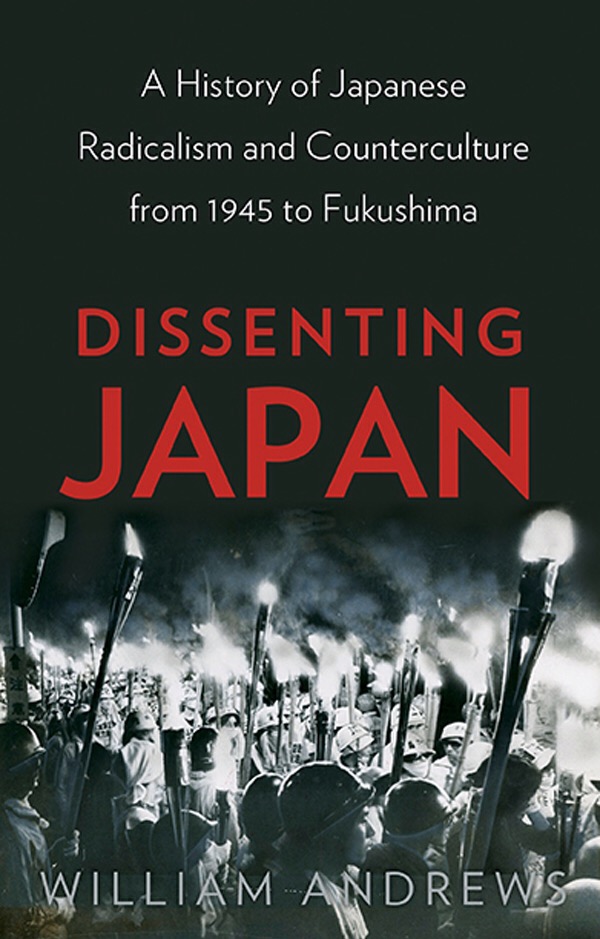
Dissenting Japan – A History of Japanese Radicalism and Counterculture 

Just a quick post to draw your attention on a significant book that the London-based Hurst will publish next September. The volume is titled Dissenting Japan – A History of Japanese Radicalism and Counterculture and is written by the Tokyo-based writer and translator William Andrews, who by the way runs an excellent blog on the same topic here


Here’s the description from the publisher’s homepage: 

Following the March 2011 Tsunami and Fukushima nuclear crisis, the media remarked with surprise on how thousands of demonstrators had flocked to the streets of Tokyo. But mass protest movements are nothing new in Japan. The post-war period experienced years of unrest and violence on both sides of the political spectrum: from demos to riots, strikes, campus occupations, factional infighting, assassinations and even international terrorism.
This is the first comprehensive history in English of political radicalism and counterculture in Japan, as well as of the artistic developments during this turbulent time. It chronicles the major events and movements from 1945 to the new flowering of protests and civil dissent in the wake of Fukushima. Introducing readers to often ignored aspects of Japanese society, it explores the fascinating ideologies and personalities on the Right and the Left, including the student movement, militant groups and communes. While some elements parallel developments in Europe and America, much of Japan’s radical recent past (and present) is unique and offers valuable lessons for understanding the context to the new waves of anti-government protests the nation is currently witnessing.

Who’s is familiar with documentary cinema (and cinema in general) knows very well that radicalism, dissenting, resistance and counterculture are a very important part of the vocabulary that defines the post war Japanese non-fiction landscape, and the fiction as well, especially during the 60s and 70s. Ogawa Production and Sanrizuka, Tsuchimoto Noriaki and Minamata, NDU and Okinawa and the borders, but also Kamei Fumio and his Sunagawa Trilogy, maybe the first Japanese works to fully embody this “philosophy” of resistance and struggle on film (excluding the Prokino before the war of course). 

For all these reasons, Dissenting Japan will probably be (I haven’t read it yet) a very important read not only for historians but also for film scholars interested in Japanese cinema and in documentary in general. I’ll certainly write more about it when the book is out. 

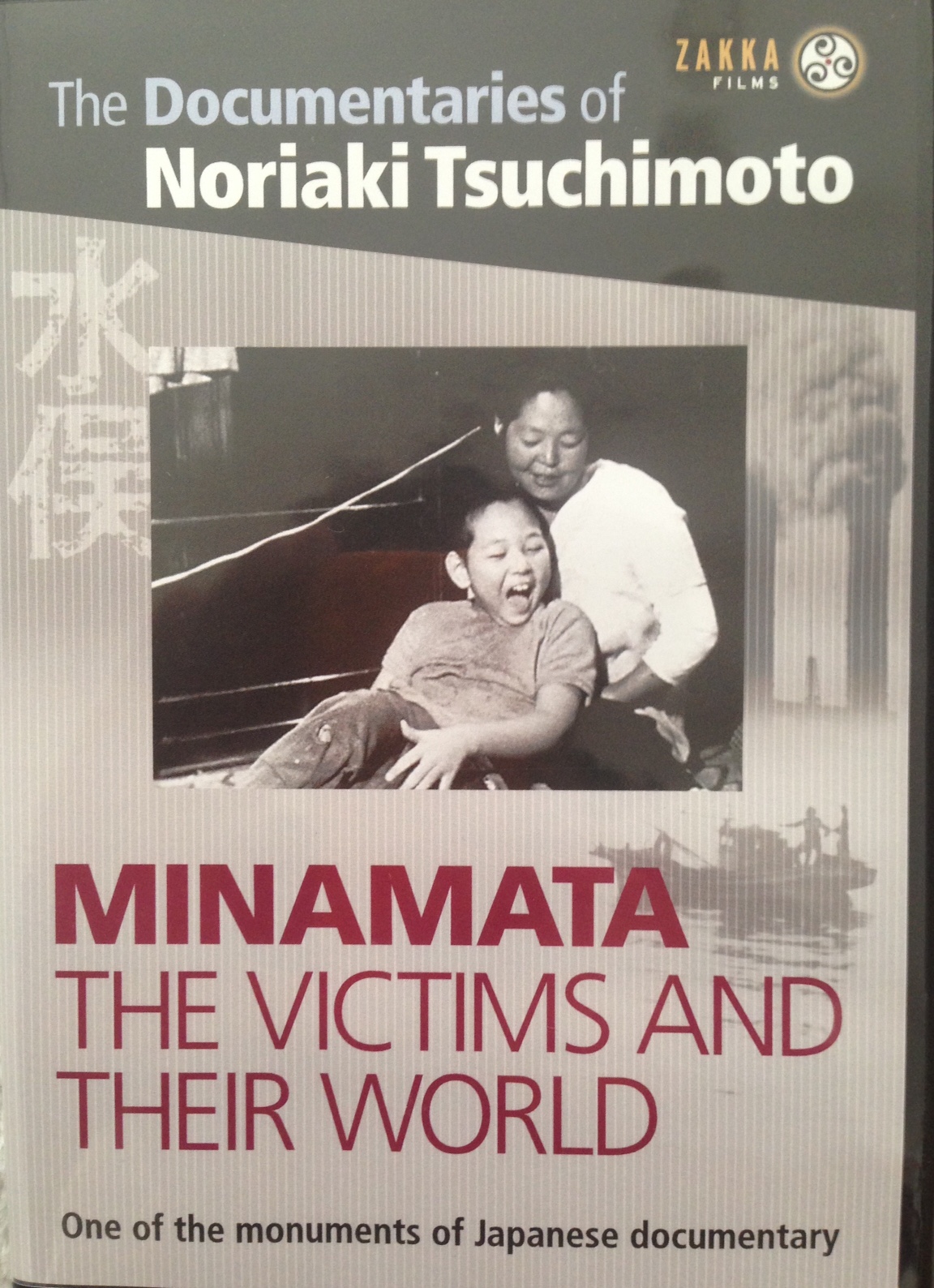
Tsuchimoto Noriaki, Minamata: The Victims And Their World (1971) a milestone in Japanese documentary

Minamata_Victims

Disclaimer: as I wrote few days back on twitter, I’ll kick off 2015 with a little experiment. I’ve translated (and partly rewritten) in English my post on Minamata: The Victims and their World. As English is my second language, inevitably some subtleties and nuances of the original Italian piece are probably lost. Feedback and/or suggestions are welcome.

Minamata: The Victims and Their World (水俣 患者さんとその世界, 1971)

Director: Tsuchimoto Noriaki
Production: Higashi Productions
Producer: Takagi Ryutarō
Camera: Ōtsu Kōshirō
Editor: Tsuchimoto Noriaki, Sekizawa Takako
Year: 1971
Links: review by Cathy Munroe Hotes, DVD by Zakka Films

Tsuchimoto Noriaki is one of the major figures in Japanese documentary history, and although he also made works about Afghanistan, road construction and other diverse topics, he is best known for the series made in more than 30 years about the victims of Minamata disease. Tsuchimoto first came into contact with the reality of Minamata, a city located in Kumamoto prefecture, in 1965 when he was commissioned to make a short documentary for television, Minamata no kodomo wa ikiteiru. After this experience, when approaching the victims was not as easy as one might expect, he went back to Minamata in 1970 and started to film the lives of the residents in a different manner and to uncover a Pandora’s box of horrors. Minamata had been the scene of one of the largest poisonings perpetrated by man to himself and to the environment, and the city’s name will remain forever linked to the chemical company Chisso, which from 1932 to 1968 polluted the Shiranui Sea and the Minamata Bay with huge quantities of mercury. The metal entered the food chain and caused what is now called Minamata disease (Minamata-byō), a neurological syndrome that was first discovered in 1956. Over the years, the disease has affected more than ten thousand people and killed more than two thousand, but these are just the officially recognized, numbers; the damages and effects of this crime sadly are not always quantifiable or legally provable, and there have been accusations of collusion between the Japanese government and the Chisso corporation to cover up the disaster.
Structurally Minamata: The Victims and Their World consists of a series of interviews, conducted by Tsuchimoto himself, with the victims and relatives of those who had been affected by the disease. These interviews reveal the daily lives of the inhabitants damaged by the poisoning: their relationship with the sea, the sickness and the painful memory of the deceased. The interview scenes are interspersed with moments in the lives of fishermen, their habits and traditions, and meetings and rallies in the streets to protest Chisso and the government. It is worth pointing out that the crime perpetrated by Chisso is something inherent in the capitalist system, a tragic result of the dynamics of exploitation of poor and marginal areas and not merely an incident in the course of normal industrial activities.
As a documentary director, Tsuchimoto had to face two big problems, (re)gaining the trust of the people whose lives and tragedies were often spectacularized and exploited by the media, as he experienced firsthand when making the aforementioned TV documentary, and secondly deconstructing the contrasting feelings of hate and gratitude towards Chisso that were present in many residents, even unconsciously. Tsuchimoto was well aware of all these contradictions, and one of his major achievements was his ability to achieve a balance between the anger with which he was unmasking the dark side of modernization in Minamata, and the human touch with which he always managed to present the victims and give them dignity.
We are introduced to the world of Minamata by a series of information about the poisoning and the Chisso corporation, displayed at the beginning of the documentary. These words substitute for the initial narration, the voice-of-god so often used in mainstream documentaries, and are soon followed by the first images of the area, the lapping of the water and a fishing boat in the sea. This is a highly symbolic start, as the water that dispenses life to the fishing community and upon which the community’s life is based, is the same water that, polluted by mercury, destroys their lives. The lack of sync between the image and the sound, due to the lack of the right technology, was very common in Japanese independent documentary of the time; most of Ogawa Pro’s works of the Sanrizuka period, for instance, were affected by the same “problem”. This technical limitation forced directors, including Tsuchimoto, to combine images and sound in highly creative ways. The words and cries of the victims and of their families are often overlapped with images showing the tragic effects of mercury poisoning upon the residents of Minamata, in the fishing scenes that often punctuate the documentary, a beautiful and almost ancient music contributes to creating an epic atmosphere that envelops the lives of these fishing communities, the most impressive and famous of these shots depict an elderly man, who has lost his wife because of the disease, fishing for octopi.

As a viewer watching the movie at the beginning of the 21st century, it is also worth noting that the images in black and white and the aforementioned lack of sync, pose as a further filter for the viewer, allowing Tsuchimoto to successfully avoid spectacularization of grief and the subsequent exploitation of the lives of the victims. We still see sick people and children whose lives were completely ruined, particularly touching is when in a series of harrowing scenes we are introduced to a young boy, who is drooling, staggering, and unable to move and speak freely. But the way the camera follows him and presents his and his family’s grief, is a form of respect that reveals his dignity as a human being. This attention towards the weak and the other is one of the highest achievements of Tsuchimoto’s body of work, it is a cinematic touch that serves also as a very powerful ethical statement on the meaning of being human, an approach that will reach a new level and culmination in The Shiranui Sea (1975), another documentary dedicated to the victims of Minamata.
In the second part of the documentary, we follow the journey of the victims and their families to Osaka, where the Chisso biannual shareholders meeting took place in 1970. This trip to the second largest city in Japan is also important because Osaka is the place that in the same year (1970) housed the International Exposition. Together with the Tokyo Olympics in 1964, this international event helped to reposition Japan in the international political map and in doing so marked the complete admission of Japan to modernity and the Western world. Exposing the dark side of modernization, Tsuchimoto is thus making a very powerful political statement about the development of Japanese society and modern societies in general, revealing the unavoidable part maudite.
The meeting between the leaders of Chisso corporation and the Minamata representatives almost resulted in a riot, with a sort of guerilla filmmaking reminiscent of the cacophony of Sanrizuka and the student protests, Tsuchimoto and director of photography Ōtsu Kōshirō show us the people of Minamata invading the stage and surrounding the CEO and his staff as if symbolically destroying the verticality between the zaibatsu and the people. Again here, as in the Sanrizuka documentaries of Ogawa Pro of the same time, the soul of the protest was feminine, and the ones who verbally confronted the Chisso CEO more than anyone else were in fact women and mothers driven by rage and grief.

Minamata_Victims_DVD

The opportunities to see Japanese documentaries outside of the archipelago are really few, and usually restricted to film festivals, especially when these works were shot in 16mm or 35mm. It is thus noteworthy that Minamata: The Victims and Their World, together with The Shiranui Sea and other Tsuchimoto’s works, is available on DVD with English subtitles through the dedicated work of independent label Zakka Films.
(Special thanks to Ono Seiko and Tsuchimoto Motoko)

Yamagata: un archivio dei documentari sul terremoto, tsunami e crisi nucleare dell’ 11 marzo 2011

311_yamagata_film_archive_opt

Yamagata è una cittadina ed una prefettura situata nella zona nord occidentale del Giappone, per intenderci dall’altro lato dell’arcipelago rispetto a dove l’11 marzo del 2011 il terremoto prima e lo tsunami poi colpirono e si scagliarono con una forza inaudita tanto da portare a quella crisi nucleare nelle centrali nucleari di Fukushima che ancora oggi non vede vie d’uscita. Ma Yamagata è anche la zona dove ogni due anni si tiene il più importante festival del cinema documentario asiatico, e aggiungerei anche un dei più importanti a livello internazionale, il Yamagata Internatinal Documentary Film Festival, fondato nel 1989 anche per volere di Ogawa Shinsuke, colui che forse più di chiunque altro ha plasmato la storia del documentario dell’arcipelago. Un festival che soprattutto nei primi anni della sua esistenza ha funzionato anche da volano per la comunità documentaristica asiatica (cinese e coreana, ma non solo) che molto si è ispirata in un momento particolare per il continente asiatico all’opera di Ogawa e del suo collettivo.

yidff2013poster_rgb-2

Ebbene, nell’edizione del festival del 2011 molto del programma fu dedicato inevitabilmente alle produzioni non-fiction scaturite dalla tragedia del terremoto e da quella conseguente di Fukushima, una crisi quella nucleare che colpì e che continua a colpire ancora oggi la prefettura di Yamagata in quanto la distanza dalle centrali nucleari non è poi così vasta. Soprattutto a livello umano poi il legame fra le due zone è molto forte in quanto molti dei rifugiati che sono scappati dalle zone colpite dallo tsunami o dal fallout nucleare hanno trovato ospitalità e riparo proprio a Yamagata. Il festival grazie anche alla collaborazione di Markus Abè Nornes, lo studioso occidentale che sta più di tutti aiutando a (ri)portare il documentario giapponese sulla mappa cinematografica internazionale, ha deciso di costituire un archivio con i film indipendenti sulla triplice tragedia, realizzati sia da giapponesi che da non giapponesi. L’archivio si propone quindi come una memoria collettiva dove poter vedere e studiare, anche a distanza di decenni, ciò che fu prodotto come conseguenza del terremoto e dello tsunami del 2011, al di là dei prodotti documentari televisivi che comunque hanno già un archivio tutto loro.
Per ora l’archivio consta di circa una sessantina di documentari, la lista la potete trovare qui. Come detto, ciò che piace e sembra importante di questa iniziativa è il suo puntare su tempi lunghi se non lunghissimi, in una contemporaneità in cui siamo continuamente soffocati da un presente che sembra allargarsi sempre di più senza portare da nessuna parte, iniziative di questo genere, che nella loro vastità temporale e concettuale si rivolgono a tempi storici lenti ma più profondi, risulta come una vera e propria boccata di aria fresca.

Tsuchimoto Noriaki, Minamata: The Victims and Their World (1971) una pietra miliare del cinema documentario giapponese

Minamata_Victims

Here the English version

Regia: Tsuchimoto Noriaki. Fotografia: Otsu Koshiro. Produzione: Higashi Production. Produttore: Takagi Ryutaro.
Durata: 120’. Anno: 1971.
Reperibilità: DVD Zakka Films

Tsuchimoto Noriaki entra in contatto per la prima volta con la realtà di Minamata nel 1965 quando realizza un documentario per la televisione, Minamata no kodomo wa ikiteiru, ed inizia a calarsi in quella che nel corso degli anni sarebbe diventata l’avventura della sua vita, non solo artisticamente parlando. Tsuchimoto nato nella prefettura montuosa di Gifu, nel 1970 ritorna nell’isola meridionale di Kyushu per scoperchiare quella scatola degli orrori, ed è l’orrore del sistema non quello dell’incidente di percorso, che è stata e continua ad essere, per quanto gli stessi abitanti del luogo vogliano dimenticare, la città di Minamata. Luogo e teatro di uno dei più grandi avvelenamenti perpetrati dall’uomo verso sé stesso e l’ambiente, il nome della città rimarrà per sempre legato all’industria chimica di Chisso che dal 1932 al 1968 riversa nel mare, come materiale di scarto, quantità enormi di mercurio. Il metallo entra nella catena alimentare e finisce per causare la cosiddetta malattia di Minamata (Minamata-byō) che nel corso degli anni colpisce più di diecimila persone uccidendone quasi duemila, ma questi sono solo numeri di superficie, i danni e gli effetti di questa tragedia non sono sempre quantificabili e legalmente dimostrabili ed è questa un’ulteriore tragedia che lascia coloro che ne sono colpiti ancora più umiliati.
Fin dapprincipio però Tsuchimoto si accorge come molte delle famiglie rifiutano di lasciarsi filmare dopo che i media, già all’epoca, avevano sfruttato la tragedia ed il dolore delle persone per creare spettacolo. In più, in molti abitanti dell’area colpita era presente un contrastante sentimento di odio e gratitudine verso la Chisso che grazie al complesso industriale costruito nelle zone aveva sollevato, almeno secondo alcuni, dalla povertà la popolazione locale. Conscio di tutte queste condraddizioni Tsuchimoto riesce a realizzare un vero e proprio capolavoro di equilibri, da una parte la rabbia con cui smaschera i processi con cui la modernità si evolve nell’arcipelago giapponese e nel particolare nella zona di Minamata schiacciando i ceti inferiori, dall’altra l’umanesimo con cui riesce sempre a presentare le vittime e a dare loro dignità.
Il film inizia con lo sciabordio dell’acqua e una barca di pescatori da sola in mezzo al mare, l’acqua che dà la vita alla comunità dei pescatori ma che allo stesso tempo, inquinata dal mercurio, le vite le distrugge. Il bianco e nero nelle scene, liriche, tramuta il blu del mare nell’argento del mercurio portatore di morte. Il fuori sincrono delle interviste (dovuto probabilmente alle limitazioni tecniche) costringe Tsuchimoto ad inventarsi un montaggio di immagini che scorrano sulle parole, pianti e grida delle vittime e dei loro familiari. La bellissima musica poi in alcune scene contribuisce a creare quell’epopea della vita dei pescatori e della loro comunità, per esempio nelle scene di pesca del polpo da parte di un anziano pescatore che ha perso la moglie a causa della malattia.

Le foto dei deceduti, bambini di meno di cinque anni e di una ragazza nel fiore dei suoi anni scorrono con il sonoro delle parole delle loro famiglie, sono immagini che muovono lo spettatore, molto forti ma allo stesso tempo molto empatiche, la bravura di Tsuchimoto e del direttore della fotografia Otsu Koshiro sta proprio nel rispetto verso il soggetto filmato, le immagini in bianco e nero pongono poi un certo filtro verso lo spettatore e non si soffermano mai con morbosa volontà su coloro che parlano, evitano di usare il dolore cioè come eccitante per coloro che guardano. Si vedono comunque dei bambini e un giovane ragazzo malati e sono scene strazianti, la bava, i movimenti spastici, l’autosufficienza negata e la difficoltà di comunicare, ma la mdp li segue con leggerezza e rivelando sì il loro dolore e quello dei familiari, ma rispettandoli e rivelando la loro dignità di esseri umani. Sono proprio questo equilibrio e questa cura ed attenzione verso il debole ed il diverso alcuni dei più alti conseguimenti del cinema di Tsuchimoto e che raggiungeranno forse il loro coronamento in The Shiranui Sea (1975), sempre dedicato alle vittime di Minamata.
Strutturalmente il lavoro è composto da interviste alle vittime, ai genitori ed ai parenti di coloro che sono stati colpiti dalla malattia che raccontano la loro vita di ogni giorno, una quotidianità che gira attorno al mare ed il doloroso ricordo dello scomparso. A queste scene sono intervallate altre di vita nel mare dei pescatori, le loro abitudini e tradizioni, e scene di riunioni e comizi in piazza per protestare contro la Chisso e lo stato che ha aiutato a coprire il crimine perpetrato. Nella seconda parte del documentario vediamo il viaggio delle vittime e dei loro familiari verso Osaka ed è importante perchè la processione per le strade della città è diretta verso l’ufficio centrale della Chisso ma anche perchè Osaka è la città che ospita nello stesso anno, il 1970, l’Expo, evento che assieme alle Olimpiadi di Tokyo del 1964 sancirà la definitiva apertura del Giappone al mondo dopo la sconfitta bellica e l’accettazione del paese asiatico nella modernità occidentale. L’incontro fra i vertici della Chisso e la rappresentanza di Minamata sfocia in cacofonia e quasi in una rivolta, persone invadono il palco accerchiando il presidente ed il suo staff quasi a voler distruggere quella verticalità fra saibatsu e popolo sfruttato che ha contraddistinto la tragedia. Ancora una volta qui, come nei documentari coevi di Sanrizuka della Ogawa Pro, l’anima della protesta è femminile con le donne e le madri che nel dolore immenso per una vita distrutta aggrediscono verbalmente il presidente della Chisso. Il film si conclude con le immagini di pesca e col sottofondo musicale dei canti tradizionali di Minamata cantati dalle vittime e da tutte le persone del villaggio. Inizia con questo film come si diceva più sopra una vera e propria missione per Tsuchimoto che nell’arco di tutta una vita fino alla morte avvenuta nel 2008 dedicherà alle vittime di Minamata ben 14 documentari.

Minamata_Victims_DVD

In un panorama internazionale in cui i documentari provenienti dall’arcipelago giapponese reperibili sono davvero pochissimi, è un fatto non secondario che il film, assieme anche al già citato The Shiranui Sea, sia disponibile in DVD con sottotitoli in inglese presso Zakka Films.
(Un grazie di cuore a\Special thanks to Ono Seiko and Tsuchimoto Motoko)

Holiday Movie 2009-2013 (休日映画 2009-2013)

Holiday Movie 2009-2013 (休日映画 2009-2013)

Regia, montaggio, fotografia, soggetto, sonoro: Saitō Masakazu. Durata: 52′
Formato: digitale

Il regista Saitō Masakazu riprende nei giorni di vacanza la sua piccola figlia e la sua famiglia, dalla nascita fino ai quattro anni, alternando impressioni della quotidianità della bambina che cresce con notizie e preoccupazioni provenienti da Fukushima.

Presentato all’ultima edizione dell’Image Forum Film Festival, una manifestazione dedicata a scoprire o/e celebrare i film sperimentali e finanche le videoinstallazioni e tutto ciò che di interessante esce dalla cultura visiva giapponese ed internazionale, intesa in senso molto lato, Holiday Movie è in tutto e per tutto un home movie. Un video diario cioè, dove l’oggetto stesso del lavoro è qualcosa di personale e legato alla sfera privata del suo regista, Saitō Masakazu, in questo caso la nascita della prima figlia e la sua crescita nel corso di 4 anni, il tempo coperto dal film va infatti dal 2009 al 2013.
È necessario porre questo lavoro nell’ambito di competenza, quel filone del del self documentary o meglio del diary film, lanciato a livello internazionale da Reminiscences of a Journey to Lithuania (1972) di Jonas Mekas ed in terra giapponese da Suzuki Shiroyasu con Impressions of a Sunset (Nichibotsu no insho) nel 1975. Interessante è notare come sia Mekas che Suzuki abbiamo operato in vari modi anche nell’ambito del film sperimentale, cosa che getta una luce più ampia sul retroterra che ancora oggi è presente quando si parla di certo diary movie. Ci sembra proprio che questo Holiday Movie, pur nella sua apparente semplicità, si possa tranquillamente inserire in questo discorso e filone. Non sempre naturalmente ma è ben presente nel lavoro una coscienza verso le forme ed i limiti del linguaggio cinematografico, una consapevolezza che dà forma e ritmo al lavoro di Saitō, al contrario di molte opere dello stesso tipo però ed anche di molti documentari giapponesi realizzati in questi ultimi anni, la cura riservata alla forma, con particolare attenzione verso montaggio, framing e colore, dona a questo Holiday Movie una freschezza ed una spontaneità, anche se sapientemente filtrata, che raramente si trova in altri lavori di questo tipo. Alla fine è un vero e proprio piacere per i sensi la visione di questo lavoro, la nascita e lo sviluppo della piccola, con le sue difficoltà, i suoi tentativi di esprimersi, la sua voglia di esplorare il mondo circostante ed infine il suo relazionarsi con l’ambiente circostante, anche se ristretto ai soli periodi di vacanza in cui il padre ha potuto filmare, è reso con un tocco assai delicato ed a tratti molto divertente. L’uso del digitale poi è da manuale, il (nuovo) mezzo viene esplorato ed usato alla perfezione con alcune reminescenze, specialmente nell’uso dei colori, dei contrasti e della composizione delle inquadrature, quasi godardiano. Il lavoro si sviluppa come detto per 4 anni ed è puntuato, non in maniera opressiva, dalle notizie provenienti da Fukushima che danno un’ampiezza di vedute a quest’opera-diario ancora maggiore e che amplificano le preoccupazioni di padre del regista, rigettando sullo spettatore un quadro molto personale e privato ma inevitabilmente solcato da tematiche e problematiche di più ampio raggio. Ma queste notizie sono colte nel loro farsi, lo spettatore ne sente solo dei frammenti letti da una voce elettronica impersonale quando sullo schermo le immagini si soffermano sui momenti di quotidianità della famiglia.
Holiday Movie è un piccolo gioiello che rilancia prepotentemente le potenzialità del diary-movie e che allo stesso tempo ed attraverso lo stesso movimento privato-mondo e mondo-privato, scandaglia e getta scompiglio sui limiti che il cinema ha deciso di autoimporsi e sulle possibilità nel futuro prossimo di una cultura visuale di piú ampio raggio.


Holiday Movie 2009 – 2013

Holiday Movie 2009 – 2013

2013 / digital / color / 52min.

A close-up of juice spilled by a two year-old girl in a large shopping mall with no sign of people. A ball rolls nearby. News about the Fukushima nuclear power plant accident is conveyed…
Each fragment of these images presented in a diary format vividly evokes burned-in memories with a rich visual vocabulary. A revolutionary home-movie created by a parent and child cast/staff.

SAITO Masakazu

Born in 1976, Main works include the ‘Sunsession’ series, made using automatic computer editing, and “Shadow of Movement ~ about Toru Iwashita,” a collaboration with dancer/choreographer Toru Iwashita. In addition to single-channel works, he has also exhibited video installations in Japan and overseas. In recent years he has created the ‘Holiday Movie’ series, centered around the motif of the family, using various production methods including Internet release.

Narita: Heta Village (三里塚 辺田部落, 1973)

IMG_3069.JPG

Una piccola segnalazione, sul sito Ildocumentario.it nella rubrica Corrispondenze potete trovare un mio scritto su Heta Village, uno dei lavori più importanti creati dall’Ogawa Pro ed un documentario di immenso valore per capire quello slittamento di prospettiva (anche epistemologica) che avviene in Giappone intorno alla metà degli anni settanta, anche se il film è del 1973. Un lavoro che preconizza molte delle tendenze che sarebbero poi arrivate successivamente, un documentario anti-spettacolare ma dal valore estetico e storico incommensurabile:

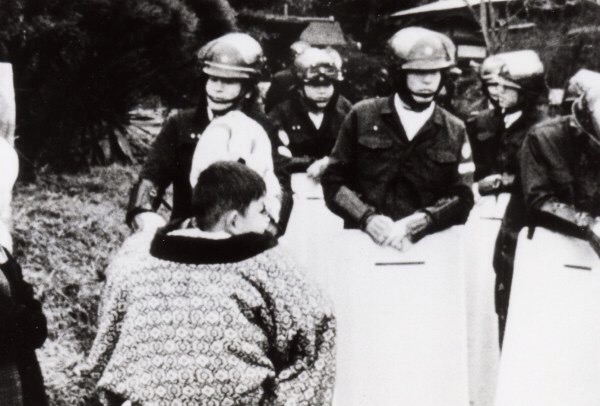
“Nel primo lavoro della Ogawa Pro che abbiamo analizzato, Summer in Narita del 1968, la macchina da presa si buttava letteralmente nella mischia delle lotte di resistenza contro la costruzione dell’aeroporto di Narita. L’occhio guidato da Tamura Masaki e Otsu Koshiro seguiva l’azione ed in molti casi provocava quasi sfrontatamente le forze di polizia puntando loro contro, come se fosse un’arma, la cinepresa. Era un documentario quello, costruito con una grammatica squisitamente cinematografica, montaggio, primi piani, commento e, soprattutto nel finale, anche con un uso extradiegetico della musica, un raffinato racconto, molto di parte certamente, della lotta dei contadini della zona. Con Heta buraku ci spostiamo in tutt’altra dimensione, Ogawa ed il suo collettivo decidono di fare un passo indietro rispetto all’azione e di rivolgere il loro sguardo verso il tessuto che costituisce il villaggio, le abitudini e le conseguenze di questa resistenza oramai portata avanti da quasi un decennio.
La primissima immagine con Ogawa Shinsuke stesso che…..(continua qui)”

Sight & Sound best documentaries – una prospettiva giapponese

IMG_3055.JPG

Lo scorso settembre la rivista britannica Sight and Sound ha pubblicato il risultato di una votazione, anzi due, una fra critici e studiosi di cinema e l’altra fra registi, per determinare i migliori documentari di ogni tempo. Al di là di tutte le critiche che possono essere rivolte ad iniziative di questo genere, la votazione dei critici è stata interessante perchè ha dato un certo risalto (non molto in realtà) alla produzione documentaristica/non fiction estremo orientale con il primo lavoro, West of the Tracks (2002) del cinese Wang Bing, al 17simo posto e The Emperor’s Naked Army Marches On (1987) del giapponese Hara Kazuo al 23esimo.

IMG_3034.JPG
Sfogliando la bella rivista però è possibile imbattersi in molte opere provenienti dall’arcipelago nipponico, citate nelle loro 10 best list da molti studiosi e critici e la qual cosa non può che far bene. Al di là del valore e della riuscita di un film come The Emperor’s Naked Army Marches On, personalmente di Hara preferisco Extreme Private Eros: Love Song 1974, va notato però che si tratta di uno dei documentari giapponesi più visti e proiettati all’estero (anche grazie alle parole sul film espresse da Michael Moore) e che di quasi tutte le opere del regista nipponico esistono anche i DVD con sottotitoli in inglese. Questo non vuole sminuire un’opera così importante e riuscita certo, ma va gettato uno sguardo un po’ più ampio su questi risultati.
Per esempio, dei film di Ogawa Shinsuke, meglio chiamarli della Ogawa Pro, non esistono DVD per il mercato internazionale ed in giapponese c’è solo Summer in Narita (1968) e questo perchè Ogawa ed il suo collettivo hanno lasciato un buco di milioni e milioni di yen che preclude per ora operazioni di restauro e transfer in DVD. Anche di uno dei padri fondatori del documentario giapponese come Kamei Fumio, attivo sia prima che dopo la Seconda Guerra Mondiale, non esistono DVD per il mercato internazionale mentre va detto che i suoi film sono stati proiettati in alcune manifestazioni. Il collettivo NDU e Nunokawa Tetsurō poi sono un oggetto oscuro anche in patria, ma la loro produzione e traiettoria artistica e tanto importante quanto gli altri nomi citati prima più sopra. Insomma la disponibilità e l’esposizione di documentari giapponesi degli anni passati rimane davvero minima se confrontata con la cinematografia “classica” dell’arcipelago (Mizoguchi, Kurosawa, Ōshima, Yoshida, Kitano, ecc.).
Detto questo, fa indubbiamente piacere vedere citati tanti di questi autori (Ogawa, Tsuchimoto, Hara, Kamei) in alcune liste individuali stilate dagli studiosi e dai critici, che sia un buon auspicio per un futuro in cui il documentario giapponese e quello estremo orientale in generale, possano essere studiati ma soprattutto conosciuti e visti in maniera più estesa di quanto non succeda oggi.