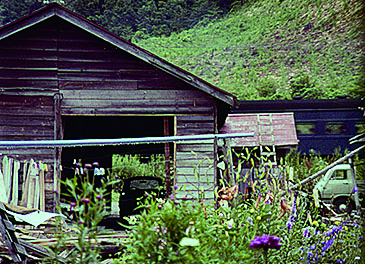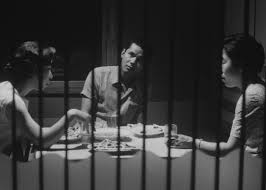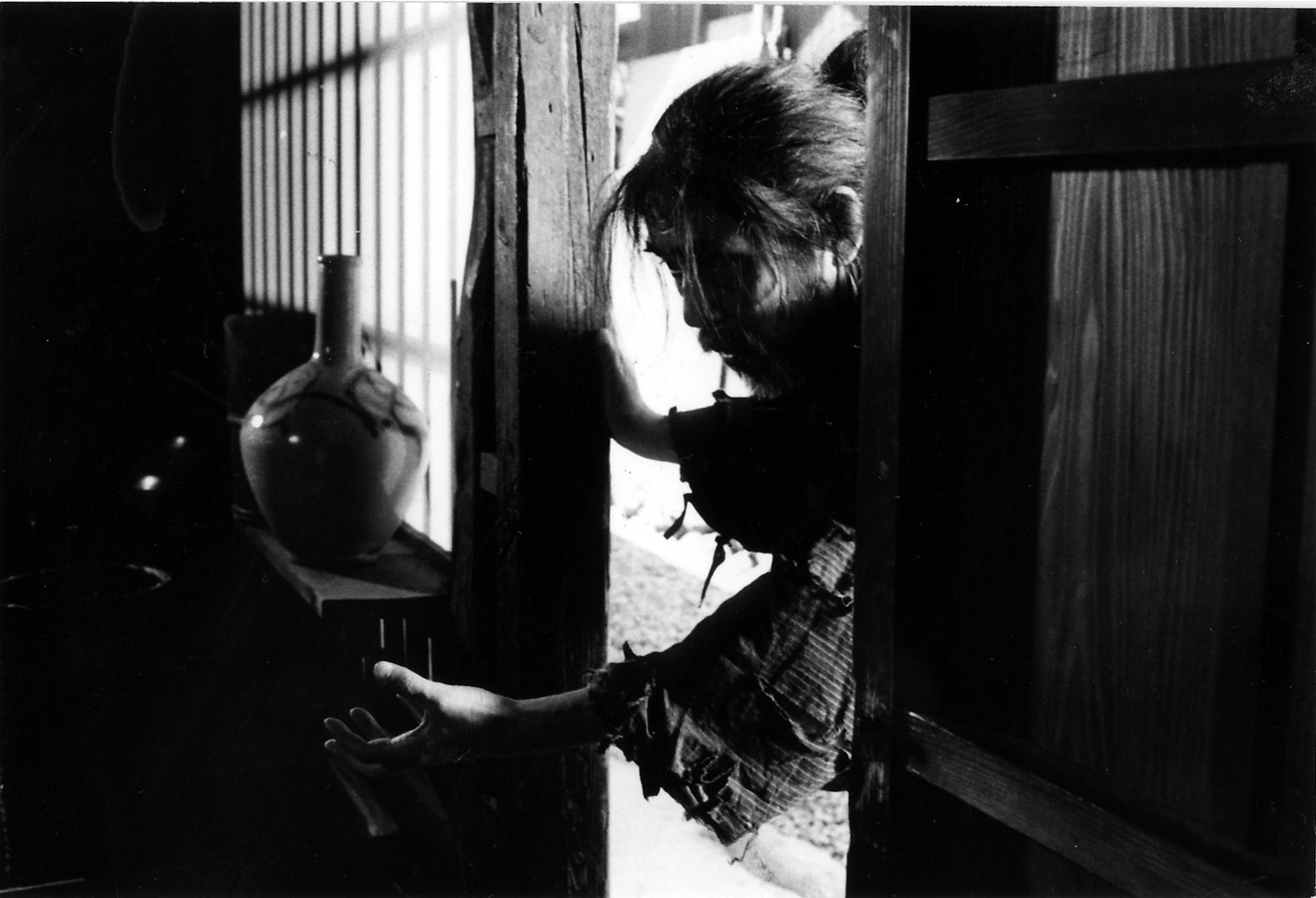
Ogawa Production’s Sanrizuka Series – DVD Box set is out today

img_2206

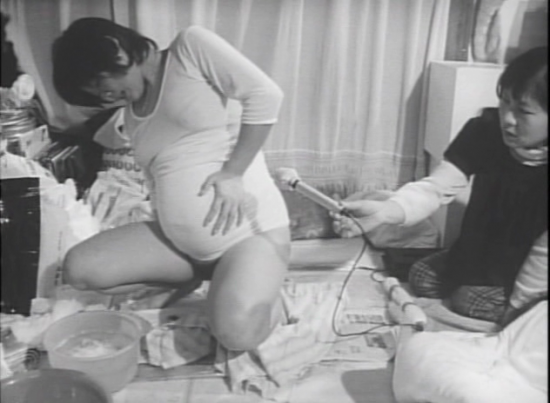
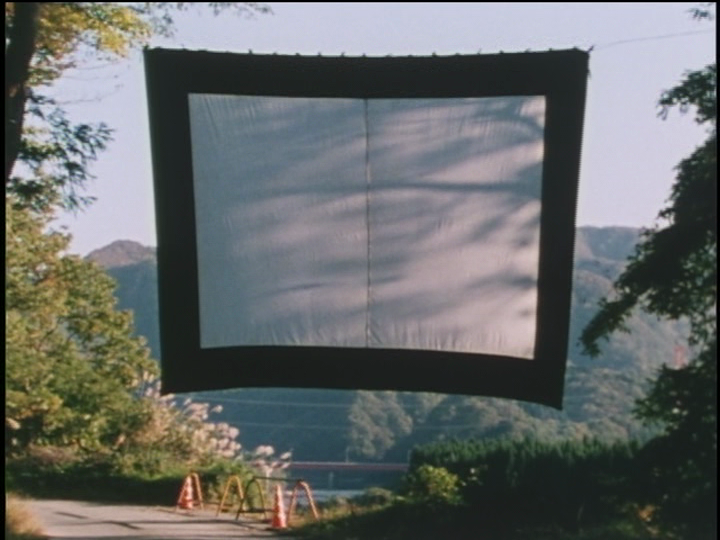
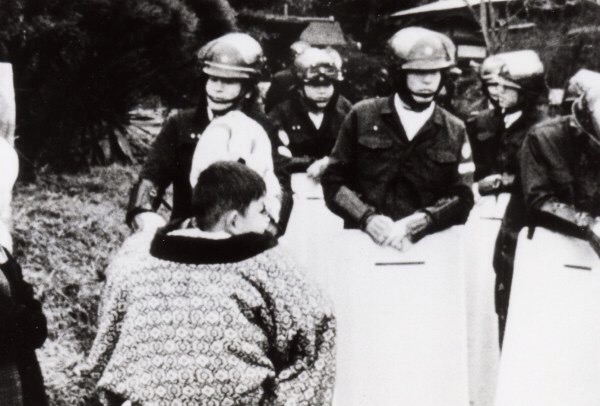
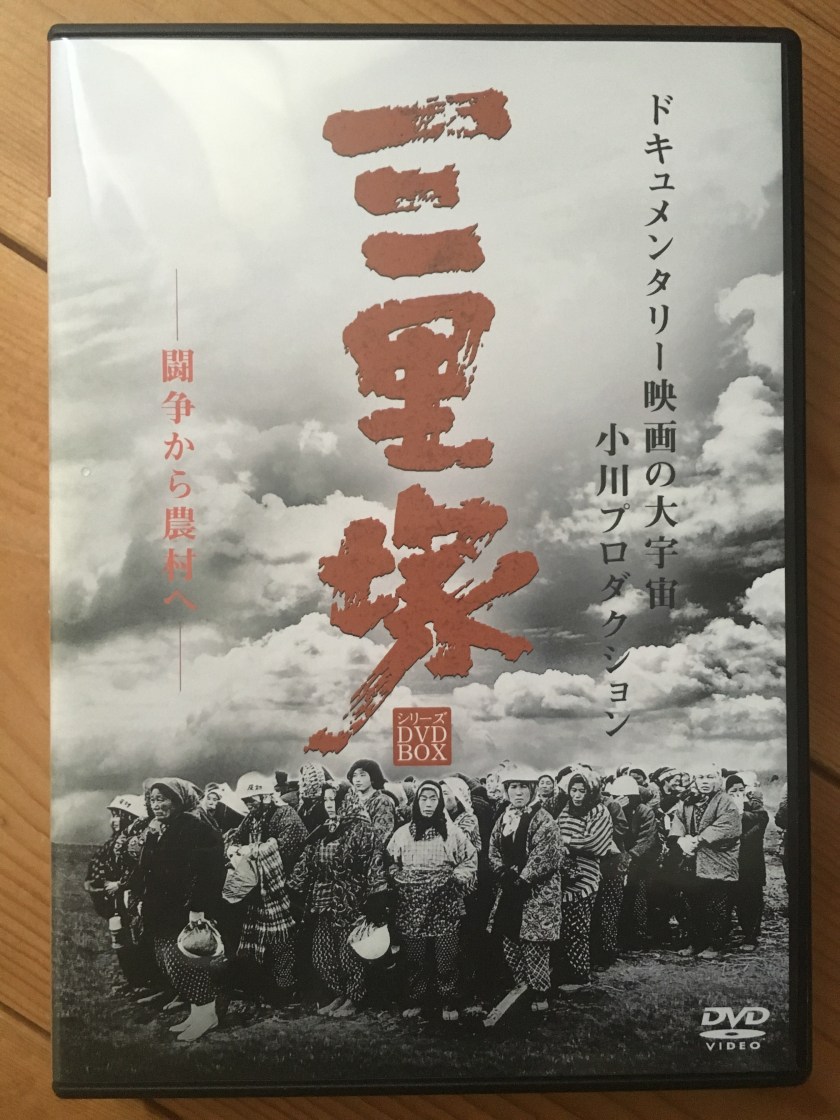
Known outside Japan as the Narita series, the works made by Ogawa Shinsuke and his collective from 1968 to 1973 (with a return to the area in 1977) filming the battle and resistance of farmers, students, activists against the building of Narita airport, are usually called in Japan the Sanrizuka series, from the name of the area where the main struggle and land expropriation took place (an ongiing battle that is not over, by the way). As written briefly in a previous post, the Japanese label DIG is putting out on DVD all the documentaries of Ogawa Production, the first 3 films were released in June, and today (July 2nd) DIG is also releasing a DVD box set of the Sanrizuka/Narita series. Here’s the list of the works included in the box set:

  1.  Summer in Narita『日本解放戦線 三里塚の夏』(1968)
  2. Winter in Narita 『日本解放戦線 三里塚』(1970)
  3.  Three Day War in Narita『三里塚 第三次強制測量阻止斗争』(1970)
  4.  Narita: Peasants of the Second Fortress『三里塚 第二砦の人々』(1971)
  5. Narita: The Building of Iwayama Tower  『三里塚 岩山に鉄塔が出来た』(1972)
  6. Narita: Heta Village 『三里塚 辺田部落』(1973)
  7. Narita: The Sky of May  『三里塚 五月の空 里のかよい路』(1977)
  8. as an extra work, available only in the box set: Fimmaking and the Way to the Village (1973, Fukuda Katsuhiko)『映画作りとむらへの道』(1973)

The box set comes with a booklet where each movie is introduced and a final note by renown documentarist Hara Kazuo. I haven’t had the chance to watch them yet, so I can’t say anything about the transfer*.
All the DVDs don’t have English subtitles, but that fact that finally these important documentaries are available on home-video basically for the first time, the only Summer in Narita was released with a book a couple of years ago, is something to rejoice. My hope is that some label outside Japan (maybe Zakka Films or even Icarus Films, why not?) will one day in the near future put together an international edition.

* July 4th addendum: I’ve watched some minutes of Heta Village, The Building of Iwayama Tower and Narita: Peasants of the Second Fortress just to get an idea of the transfer’s quality. As I expected the DVDs mirror the quality of the original prints – I’ve seen them all on the big screen, but many times on quite battered DVD samples, so my memory might trick me here. Be that as it may, the movies are not in a good state, lots of scratches, flecks and dirt, in a perfect world they would have had a restoration first and they would have been transferred on DVD only later. But we don’t live in a perfect world and the huge debt left by the group is still hindering any “normal” process of preserving and presenting the works in a pristine state. That being said,  this release is an important step anyway, because it will help to introduce Owaga Pro and its documentaries to a wider and younger audience, and just for this reason it’s a project that should be praised.
Ogawa Production’s documentaries finally on DVD

 
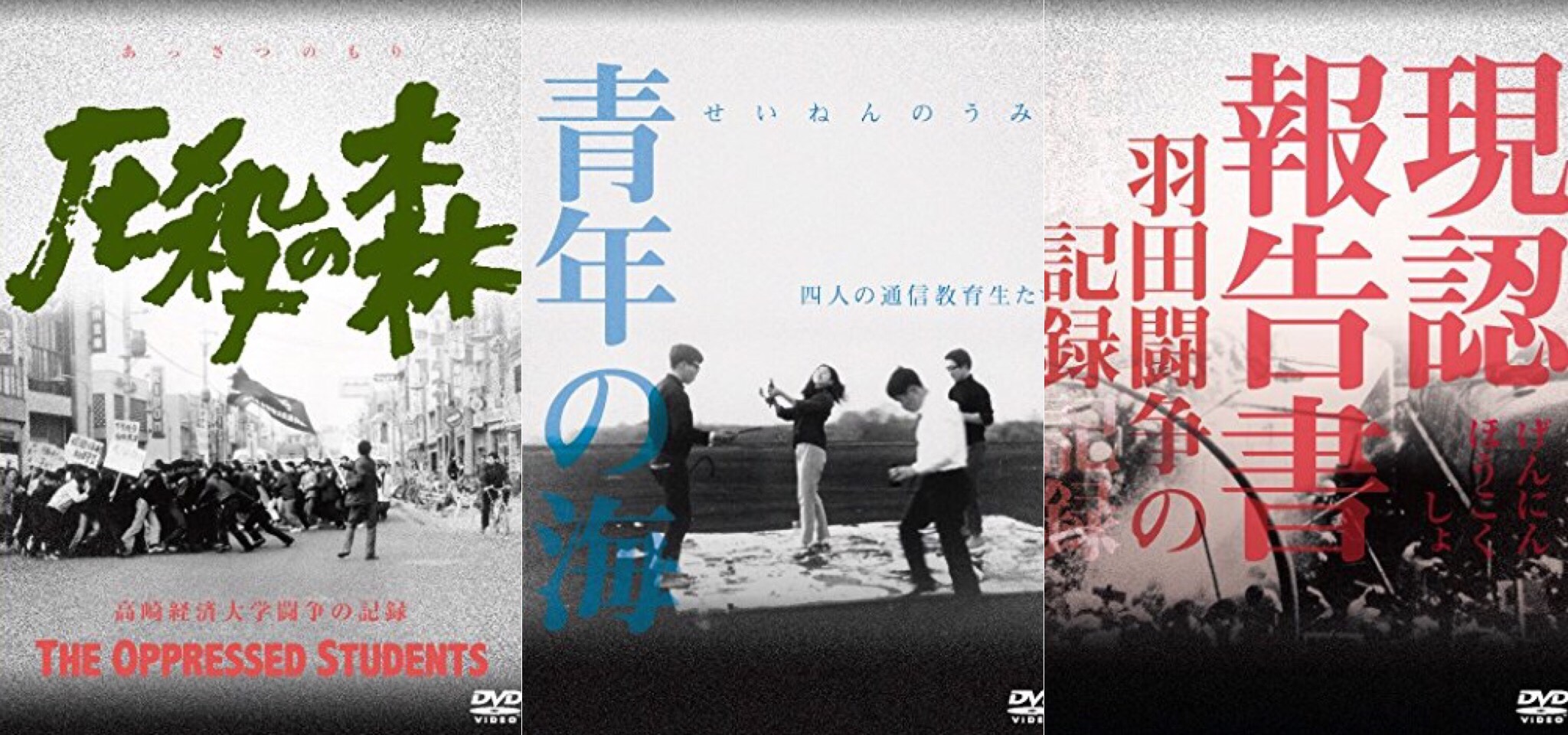
I’ve often written, here and elsewhere, about Ogawa Pro and the documentaries made by the collective, first in Sanrizuka – documenting the resistance of the peasants against the construction of Narita airport – and later in Yamagata. A couple of days ago through social networs I found out that finally all the works produced by the collective will see the light on DVD, a project by the Japanese label DIG. First, on June 2nd, we will get 3 of the early documentaries: A Sea of Youth (青年の海, 1966), The Oppressed Students (圧殺の森 高崎経済大学闘争の記録, 1967) and  A Report From Haneda 現認報告書 羽田闘争の記録, 1967) and later, presumably in one or two years, all the 20 documentaries made between 1966 and 1986 by the group. The news is big, at least for me, and although I have sample DVDs of many of the movies shot in Sanrizuka and Yamagata, copies kindly given to me by the festival people in Yamagata, it will be nice to have the films  “neatly transferred” on DVDs, the samples I have being a copy of a copy of a copy of a VHS. But here comes my biggest concern about this otherwise great news, will the transfer be really a proper one? Almost all the documentaries are shot in 16mm and I’m not really sure about the condition of the originals, in an ideal world we should see them first lovingly restored and then made them available for the home-video release. But the huge debt left by Ogawa complicates everything, what we’re likely to get is something close to the DVD of Kamei Fumio‘s Fighting Soldiers, a bare bones release, watchable of course but with a poor transfer, in the particular case probably due to the condition of the source material. The docs will not have English subtitles, adding them would have helped to “spread the word” of Ogawa Production to a wider international audience, but again, we don’t live in an ideal world and we should be happy and content with what we will get. Be that as it may, I’m pretty excited about this and I’ll write again about the project, the image quality, etc. when I get more information or in June, the time of the first releases. 

You can preorder the DVDs here

Interview with Toshi Fujiwara about No Man’s Zone (無人地帯, 2011)

I’m reposting here and Interview I did in 2011 with Fujiwara Toshi, author of No Man’s Zone (無人地帯, 2011), to this day and in my opinion the best documentary about the March 11th’s triple disaster.
The interview was originally posted on the Italian blog Sonatine. You can purchase the DVD of the movie here (with English subtitles). 


Matteo Boscarol I’ve watched a couple of documentaries dealing with the disaster that hit Japan on March 11th, but in my opinion, your work stands apart from them. I think you adopted a broader perspective. Among other things, I felt No Man’s Zone was a visual essay on the impact that images of destruction have on our society.
Toshi Fujiwara Yes, you’re right but obviously it was something that was inside me from before the disaster and grew up over the years.
M.B. It was also like watching two documentaries, one with the row images and interviews from the area hit by the tragedy, the other one more reflective, with the narration and the editing giving a philosophical frame.
T.F. We’ve tried to create two separate layers very deliberately. One of the reasons is that it is a French-Japanese co-production. The cameraman and director are Japanese, and the editor is French…so why not have two layers to incorporate a certain distance within the contest. Originally, we thought of a French voice and the narration was different from the final one. It was more like a fictional story. The idea was that of a French woman and a Japanese director corresponding through the Internet. We collaborated with some French writers, but they didn’t get the right ideas because it was also supposed to be quite critical of the French culture itself. It turned into something rather awfully colonialist. So it didn’t work and I rewrote the whole narration.
M.B. In this way, it should be able to reach a foreign audience. The Japanese media didn’t do a good job, but at the same time, the international media excelled in misinformation, especially the Italian media.
T.F. Even here in Japan, it’s turning this way. Now the Japanese anti-nuclear movements are paradoxically against the people of Fukushima.
M.B. There’s a scene that particularly impressed me and even reminded me of some parts of Ogawa Shinsuke’s Heta Buraku. It’s the one when the camera is following an old lady wandering and speaking in her garden.
T.F Thank you for the compliment. It is probably because my cameraman, Takanobu Kato, was working with Ogawa. He was one of the last people to leave the production. It was important that he was with me because, being trained under Ogawa when his production was in Yamagata, he literally lived there raising rice and so on. As such, he knew how to shoot rice fields, and other details of life in the countryside.
M.B. In the same scene through the memory of the old lady, there are also references to a wider sense of time, historical and natural cycles, reaching as far as the period after the Second World War.
T.F. I would say that it goes even farther back in time; in fact, she recalls her father having been a silk worms teacher. It was before the war when Japan biggest export was silk itself.The images of movies of this kind focus usually on destruction, but we tried to suggest what was there before the destruction. What was destroyed and also what the people of these areas have lost is much more important.


M.B. What triggered you to go to Fukushima a month after the Earthquake to start to shoot?
T.F. I was disgusted by the way the images were shown on TV. The live footage didn’t show us how the people used to live, and didn’t give people a chance to communicate. Their lives up there were so different from the lives of journalists in Tokyo; moreover, the images are just raw material without any good editing. My intention was to make a film that would look distinctly different from what we watched on television, which was usually shot very hastily with a hand-held camera. One of my first commitments was to shoot as beautifully as we could. That’s why, when possible, we used a tripod. Already, I’d hated lots of contemporary documentaries because their shots aren’t beautiful. They shoot them too easily. Even though we did it in 10 days, we tried to do it as well as we could. Beautiful editing also was important.
M.B. And the voice of Khanjian Arsinée for the narration is very beautiful indeed.
T.F. Her voice is incredible. She’ s Armenian, but she grew up in Lebanon so her native tongues are Arabic and French. She moved to Canada when she was 17, in French-speaking Quebec. I liked her voice because she is not totally native in English [the narration is in English] and so we cannot clearly identify the nationality of her voice.


M.B. You went to Fukushima with your cameraman and one assistant—is that right?
T.F. Yes, it’s better to have a small crew also knowing that the TV people often annoy them…
M.B. How did the people there react to you and your crew?
T.F. Again, we were only three and we were not wearing any protective gear or masks, so they were extremely polite to us as they usually are to everybody else. You know, the people of Tohoku have a tradition for hospitality. Also, we were not asking abrupt and stupid questions like “what do you think of that and that…?”.
M.B. The problem of how to approach and relate to the people affected by disasters is a crucial one for the art of documentary. At the last Yamagata Documentary International Film Festival, there was a debate on this topic.
T.F. I was there myself, and I think the largest problem of these documentaries is that they’re more about the filmmakers going there and not necessarily about the places and the people living there. The general problem is that many filmmakers went to Tohoku, but they made films about their own confusion and panicked state of minds, while they forgot to make documentaries about the damages of the quake and the people who were directly touched by the tragedies. They are too self-centered and unconsciously self-obsessed. An even larger problem that I observe is that the audience in Tokyo takes comfort in seeing these movies, being reassured that the filmmakers are also confused. I find this tendency very problematic for being too masturbatory. They are forgetting the original function of cinema, which must be something open to create links and communications; under such circumstances, we should be mediums to make a bridge between those who experienced the tragedies and us who didn’t. That is one of the reasons why we tried to make “No Man’s Zone” an open film text, instead of sharing the personal experiences (if not self-excuses) of filmmakers. We wanted it to ask direct questions to the audience. Of course, my cameraman worked with Ogawa and I made a film about Tsuchimoto. Thus, I was influenced by others and different generations of documentary’s filmmakers, I’ve kind of skipped the generation of the so-called private documentaries.
M.B. Like Kawase Naomi?
I like Kawase and what she does; she is of my generation, but we do different things and that’s ok with me. I could say that I do documentaries like in the 60s, except that there is no more politics involved. Japanese leftist politics disintegrated in a very rapid way after the 70s.
M.B. Do you think March 11th will change something in filmmaking?
T.F. In my opinion, it should. But I haven’t seen the change yet. After all, only 9 months have passed. One thing for sure is that we have to try to do something different, different from what we were doing before. Actually, before the quake, I was working on a movie but now I’m not sure if it’s worthwhile to complete it. It’s about Japan before March 11th.
It’s a different period, it’s like being after a war in a way.
M.B. We should consider March 11th almost as important as August 15th, 1945.
A few months ago, I talked to Sono Sion, and he said that the tragedy was paradoxically “good” because it suddenly uncovered many problems affecting the Japanese society. For instance the relationship between urban centers and countryside, that is Tokyo-Tohoku…
T.F. I totally agree with him. We (in Tokyo) are just parasites, which is repeatedly stated in No Man’s Zone. The nuclear plants have been there for almost 40 years, and what is awful is that even now after 9 months in Tokyo, people don’t want to admit that we’re responsible.
And even now [this interview was conducted during the Christmas period], it’s like nothing has happened at all.At the Tokyo FilmEx this year, a lady in the audience from Fukushima was quite surprised after watching the movie. She walked outside and found the streets in full illumination for Christmas.
M.B. Can you tell us something about the music used in the film?
T.F. It was composed and performed by a free jazz American musician who’s been living in France for many years. His name is Barre Phillips and we’ve worked together before [Independence, 2002]. Again, we decided on a non-Japanese composer, one of the best that you can get, and also one that was not so expensive and not too commercial. The funny thing is that he recorded the music in a chapel of an ancient monastery in the south of France. In No Man’s Zone, there are a lot of Japanese traditional views with images of Buddhas and small gods, so I thought it would be interesting to have the music recorded in a Catholic chapel. In this way, the music and the narration can maybe suggest something universal. That’s why I wanted someone else and not myself to do the narration in English. It would otherwise have become just a documentary about my experience. This nuclear accident is asking tremendous and huge questions to all of us, to our civilization and how we have related ourselves to nature and to the universe, how we perceive our lives. We actually have to think about the philosophical and even the religious aspects of it all, I would say, and it’s stated at the end of the film, that Japan, embracing western civilization, has accepted its idea of a nature existing for us, to serve humans. It’s actually a very Christian concept. It is not even Jewish or Islamic; it’s a particular belief of Christianity to say that God created everything for us.

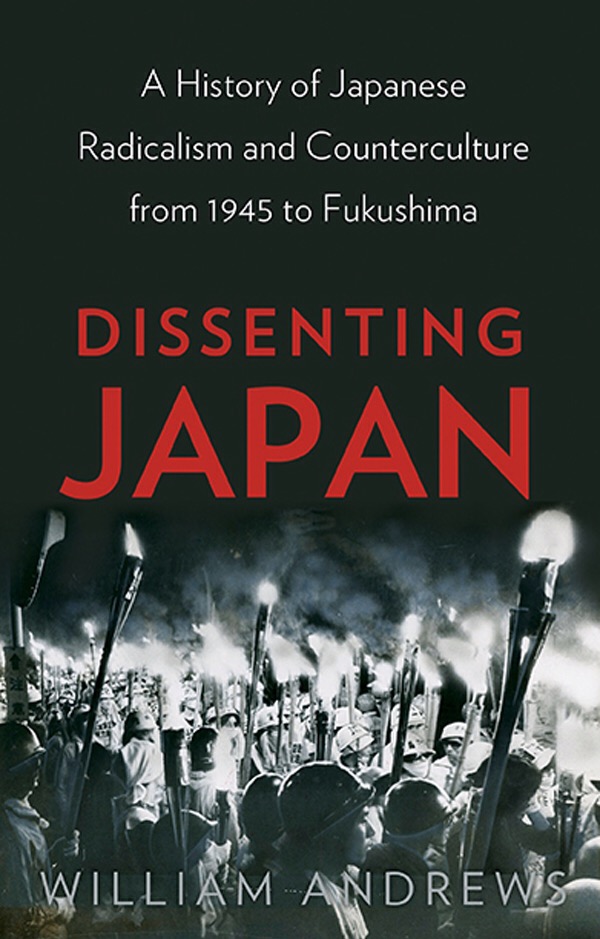
Dissenting Japan – A History of Japanese Radicalism and Counterculture 

Just a quick post to draw your attention on a significant book that the London-based Hurst will publish next September. The volume is titled Dissenting Japan – A History of Japanese Radicalism and Counterculture and is written by the Tokyo-based writer and translator William Andrews, who by the way runs an excellent blog on the same topic here


Here’s the description from the publisher’s homepage: 

Following the March 2011 Tsunami and Fukushima nuclear crisis, the media remarked with surprise on how thousands of demonstrators had flocked to the streets of Tokyo. But mass protest movements are nothing new in Japan. The post-war period experienced years of unrest and violence on both sides of the political spectrum: from demos to riots, strikes, campus occupations, factional infighting, assassinations and even international terrorism.
This is the first comprehensive history in English of political radicalism and counterculture in Japan, as well as of the artistic developments during this turbulent time. It chronicles the major events and movements from 1945 to the new flowering of protests and civil dissent in the wake of Fukushima. Introducing readers to often ignored aspects of Japanese society, it explores the fascinating ideologies and personalities on the Right and the Left, including the student movement, militant groups and communes. While some elements parallel developments in Europe and America, much of Japan’s radical recent past (and present) is unique and offers valuable lessons for understanding the context to the new waves of anti-government protests the nation is currently witnessing.

Who’s is familiar with documentary cinema (and cinema in general) knows very well that radicalism, dissenting, resistance and counterculture are a very important part of the vocabulary that defines the post war Japanese non-fiction landscape, and the fiction as well, especially during the 60s and 70s. Ogawa Production and Sanrizuka, Tsuchimoto Noriaki and Minamata, NDU and Okinawa and the borders, but also Kamei Fumio and his Sunagawa Trilogy, maybe the first Japanese works to fully embody this “philosophy” of resistance and struggle on film (excluding the Prokino before the war of course). 

For all these reasons, Dissenting Japan will probably be (I haven’t read it yet) a very important read not only for historians but also for film scholars interested in Japanese cinema and in documentary in general. I’ll certainly write more about it when the book is out. 

Best Japanese documentaries’ poll – results

More than 2 months have passed since I launched the best Japanese documentaries of all time poll, it’s time to wrap things up and to take a look at the results. Thanks everybody for your votes, for your support and for helping me spreading the word. sdgblogBefore digging into this fascinating trip through the history of Japanese non-fiction film, let me add some overall thoughts.
On the negative side, I have to admit that I’m a bit disappointed that I couldn’t get many people to vote, and this is partly my fault, the blog is pretty new and relatively unknown and I’ve been lazy and shy about pushing it through the social networks world. Besides, Japanese documentary is a niche subject inside a niche (Japanese cinema), and there are not so many people interested in documentary film as an art form, so I should have expected this. Many people, most of them cinema professionals, were kind enough to decline my invitation, honestly admitting their lack of knowledge in the field. After all, one of the purposes of the poll was indeed to check how much exposure Japanese non-fiction movies have in the world of cinephiles, so I shouldn’t really complain too much.
On the positive side, I was really surprised by the deep knowledge of the voters, most of them, I have to add, cinema professionals: festival programmers, critics, professors, and so on.
Below you’ll find the list, when possible I’ve added some information about each movie’s availability on DVD/BD.
Thanks again everyone, feedback and comments are, as always, welcomed.

1)Included in their lists by 40% of voters
Extreme Private Eros: Love Song 1974 「極私的エロス・恋歌1974」 (Hara Kazuo, 1974)
Extreme_private_eros_hara_kazuo

Available on DVD (with English subtitles).

2)Included in their lists by 33% of voters
Children in the Classroom 「教室の子供たち」(Hani Susumu, 1954)
children_in_the_classroom_Hani
Available in Japanese in this Iwanami DVD box

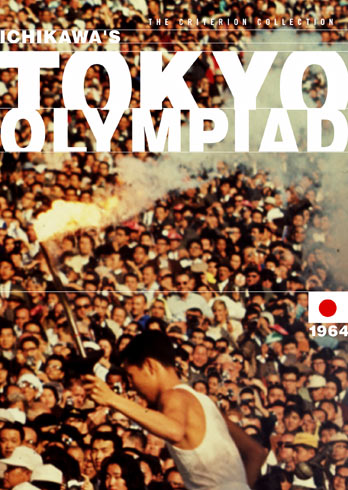
Tokyo Olympiad 「東京オリンピック」(Ichikawa Kon, 1965)
Tokyo_Olympiad_Ichikawa
Available on DVD in Japanese or with English sub, but the Criterion Collection edition is out of print.

Minamata: The Victims and Their World 「水俣 患者さんとその世界」(Tsuchimoto Noriaki, 1971)
Minamata_Victims
Available on DVD with English sub by Zakka Films

The Emperor’s Naked Army Marches On 「ゆきゆきて、神軍」(Hara Kazuo, 1987)
Emperor_Naked_army_Hara_Kazuo
Available on DVD with English sub

3)Included in their list by 27% of voters
Without Memory 「記憶が失われた時」(Koreeda Hirokazu, 1996)
Without_memory_Koreeda
Not available

4)Included in their lists by 20% of voters
A.K.A. Serial Killer 「略称・連続射殺魔」 (Adachi Masao, Iwabuchi Susumu, Nonomura Masayuki, Yamazaki Yutaka, Sasaki Mamoru, Matsuda Masao, 1969)
AKA_serial_Killer
There used to be a VHS in Japanese….

Fighting Soldiers 「戦ふ兵隊」(Kamei Fumio, 1939)
vlcsnap-2015-01-23-09h11m10s188
Available in Japanese on DVD (the quality of the transfer is pretty low though). Here my analysis of the first scenes.

A Man Vanishes 「人間蒸発」(Shōhei Imamura, 1967)
A_Man_Vanishes_Imamura
Available on DVD with English subtitles by Master of Cinema and by Icaruswith 5 bonus documentaries made for TV by Imamura in the 70s (reccomended).

The Shiranui Sea 「不知火海」(Tsuchimoto Noriaki, 1975)
ShiranuiSea_Tsuchimoto
Available by Zakka Films with English sub.

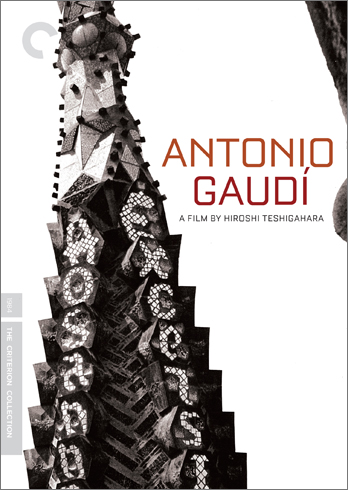
Antonio Gaudi 「アントニー・ガウディー」(Teshigahara Hiroshi, 1985)
antonio_gaudi_teshigahara
Available with English sub by Criterion Collection.

5)Included in their list by 13,3% of voters
For My Crushed Right Eye 「つぶれかかった右眼のために」(Matsumoto Toshio, 1968)
for-my-crushed-right-eye
The work is in the Matsumoto Toshio DVD collection – volume 2 – released by Uplink (now out of print?) in Japanese.

Goodbye CP [さよならCP] (Hara Kazuo, 1972)
Goodbye_CP_Hara_Kazuo
Available with English sub by Facets Video.

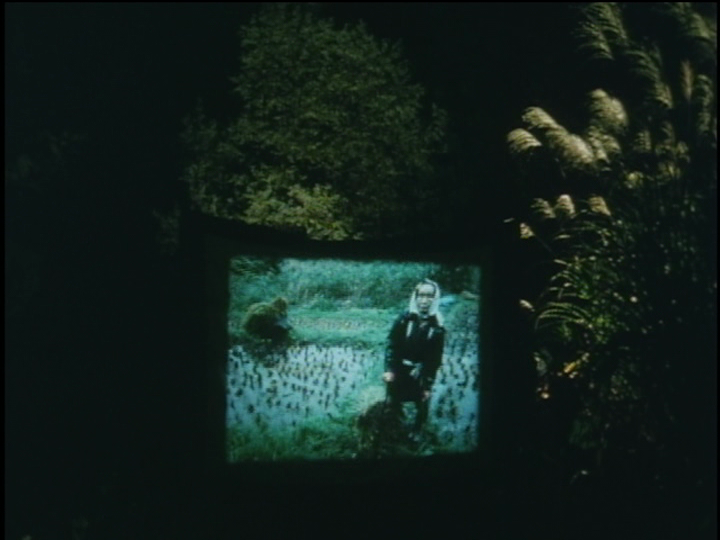
Narita: Heta Village 「三里塚・辺田部落」(Ogawa Production, 1973)
IMG_1328
Not available on DVD or VHS

God Speed You! Black Emperor 「ゴッド・スピード・ユー!」(Yanagimachi Mitsuo, 1976)
godspeedyou_emperor
Available in Japanese on DVD (used and expensive).

The Cherry Tree with Gray Blossoms 「薄墨の桜」(Haneda Sumiko, 1977)
vlcsnap-2015-01-28-21h24m04s10
Available on DVD (only in Japanese) by Jiyū Kōbō or in this Iwanami Nihon Documentary DVD-BOX

Magino Village – A Tale / The Sundial Carved With A Thousand Years of Notches 「1000年刻みの日時計 牧野村物語」(Ogawa Production, 1986)
magino1
Not Available

Embracing 「につつまれて」(Kawase Naomi, 1992)
Embracing_Kawase_Naomi
Available in Japanese with English sub in this DVD-BOX

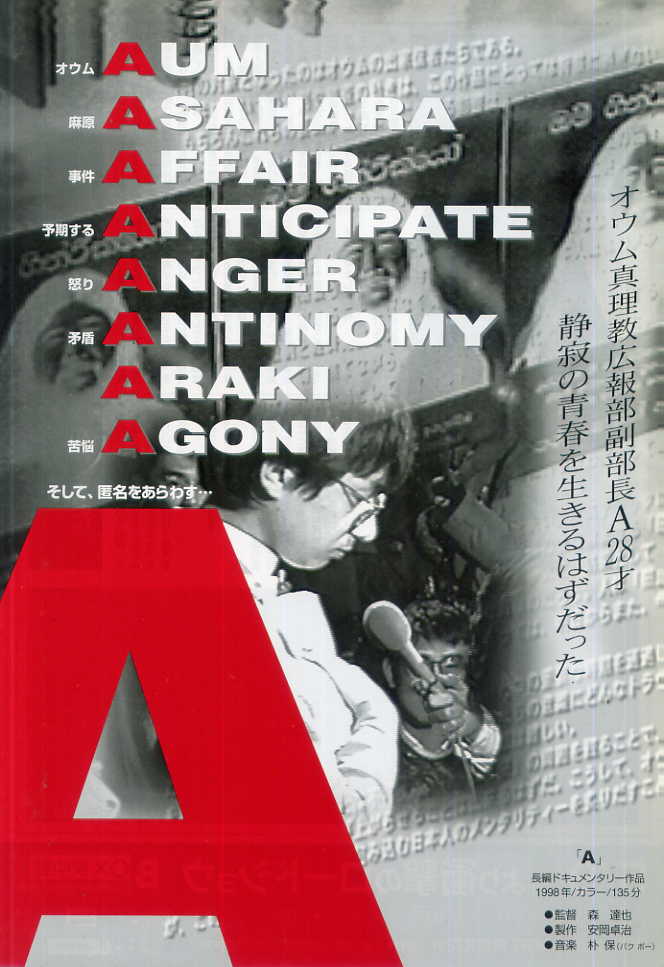
A (Mori Tatsuya, 1998)
A_Mori_Tatsuya
Available with English sub by Facets Video

The New God 「新しい神様」(Tsuchiya Yutaka, 1999)
IMG_3593
Available on DVD in Japanese

Memories of Agano (阿賀の記憶, 2004 Satō Makoto)
IMG_0105
Available on DVD with English sub by SIGLO.

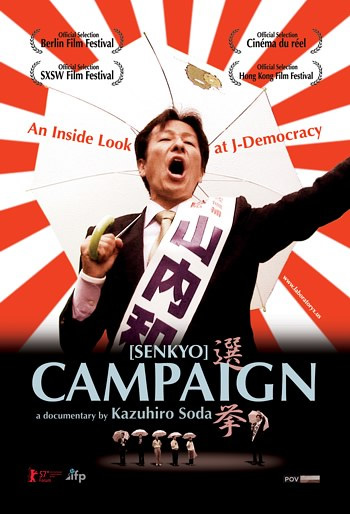
Campaign 「選挙」(Sōda Kazuhiro, 2007)
Campaign_Soda_Kazuhiro
Available on DVD with English sub.

Japanese documentary-related catalogues

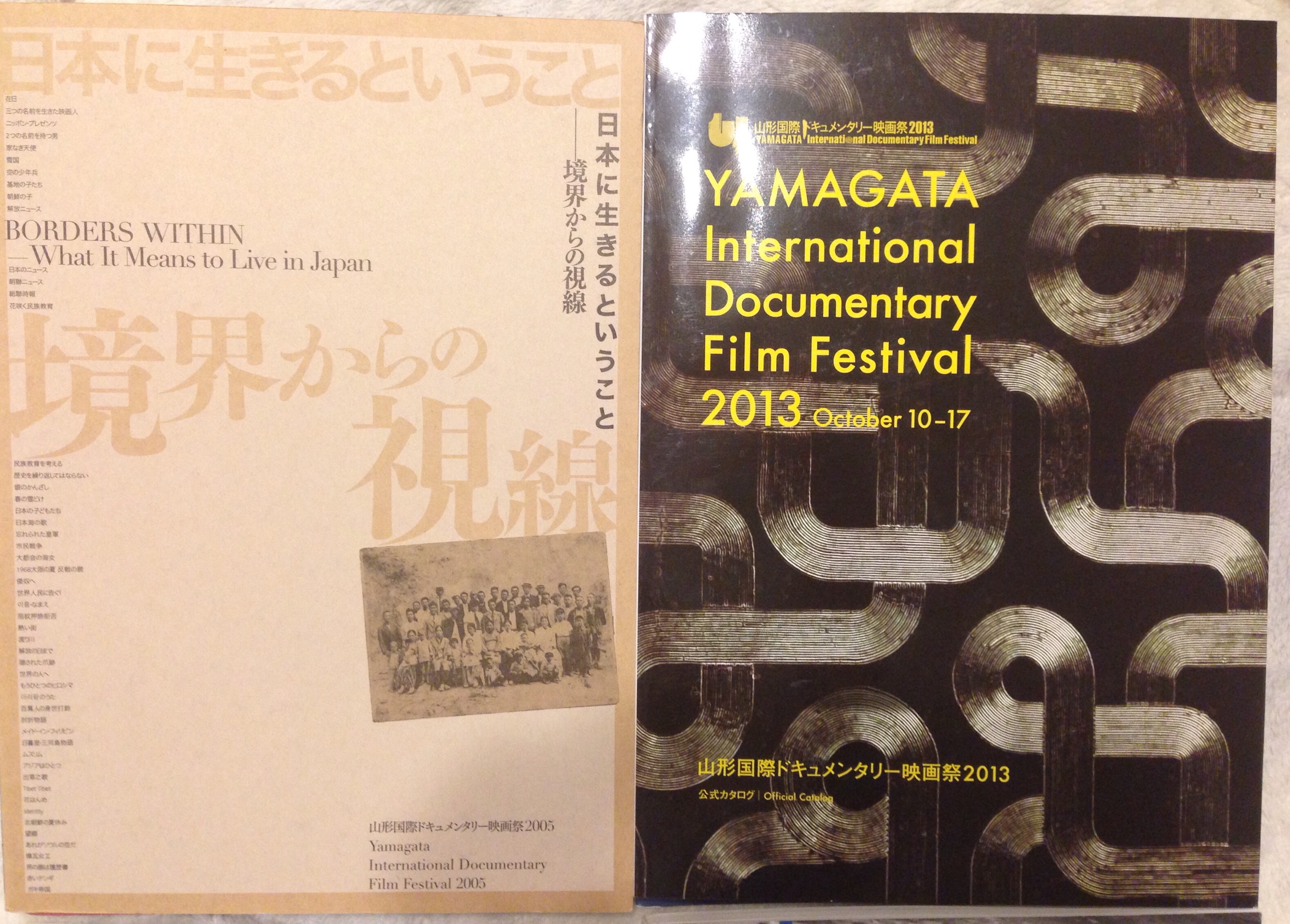
A lighter and more “visual” post today, some photos of the Yamagata International Documentary Film Festival’s catalogues I have at home:

2015/01/img_3378.jpg

YIDFF 1993 (Japanese documentaries of the 60s) and YIDFF 2003 (Ryūkyū Reflections Nexus of Borders)

2015/01/img_3377.jpg

YIDFF 1995 (Japanese documentaries of the 70s) and YIDFF 1997 (Japanese documentaries of the 80s and beyond)

2015/01/img_3379.jpg

YIDFF 2005 (Borders Within What It Means to Live in Japan) and YIDFF 2013

They’re in English and are an essential resource if you’re interested in Japanese cinema or documentary in general. For me personally “Ryūkyū Reflections Nexus of Borders” was a discovery: non-fiction films and the history of Okinawa, a place where all the contradictions and problematics arising from Japan-as-a-state and its relationship with other nations and its own inner borders are embodied and magnified. Or as Higashi Yoichi once said talking about his documentary Okinawa Islands (1969)
Continue reading “Japanese documentary-related catalogues”

Best 10 Japanese documentaries – my list

As a reminder that you still have a month to join the poll “Best 10 Japanese documentaries of a time” I’ve put together my list. I left out many good and inspiring documentaries made in recent years (Genpin, No Man’s Zone, Flashback Memories and others) and I’ve cheated twice, but anyway:

vlcsnap-2013-10-27-18h56m10s89
Fighting Soldiers (戦ふ兵隊, 1939 Kamei Fumio)

/home/wpcom/public_html/wp-content/blogs.dir/279/79975380/files/2015/01/img_3366.jpg
Children Who Draw (絵を描く子どもたち, 1956 Hani Susumu)

AKA-SerialKiller
A.K.A. Serial Killer (略称・連続射殺魔, 1969 Adachi Masao, Iwabuchi Susumu, Nonomura Masayuki, Yamazaki Yutaka, Sasaki Mamoru, Matsuda Masao)

motoshinkakarannu
Onikko (鬼ッ子 闘う青年労働者の記録, 1969) and
Motoshinkakarannu (沖縄エロス外伝 モトシンカカランヌー 1971) by NDU/Nunokawa Tetsurō

Minamata_Victims
Minamata: The Victims and Their World (水俣 患者さんとその世界, 1971 Tsuchimoto Noriaki)

hetaburaku083
Sanrizuka: Heta Village (三里塚 辺田部落,1973) and
Magino Village – A Tale / The Sundial Carved With A Thousand Years of Notches (1000年刻みの日時計 牧野村物語, 1986) by Ogawa Pro

akamata
Song of the Akamata–The life histories of the islanders, Komi, Iriomote Islands, Okinawa (海南小記序説・アカマタの歌-西表・古見, 1973 Kitamura Minao)

/home/wpcom/public_html/wp-content/blogs.dir/279/79975380/files/2015/01/img_3040.png
Extreme Private Eros 1974 Love Song (極私的エロス・恋歌1974, 1974 Hara Kazuo)

/home/wpcom/public_html/wp-content/blogs.dir/279/79975380/files/2015/01/img_3370.jpg
The Cherry Tree with Gray Blossoms (薄墨の桜, 1977 Haneda Sumiko)

Memories_Agano1
Memories of Agano (阿賀の記憶, 2004 Satō Makoto)

Tsuchimoto Noriaki, Minamata: The Victims And Their World (1971) a milestone in Japanese documentary

Minamata_Victims

Disclaimer: as I wrote few days back on twitter, I’ll kick off 2015 with a little experiment. I’ve translated (and partly rewritten) in English my post on Minamata: The Victims and their World. As English is my second language, inevitably some subtleties and nuances of the original Italian piece are probably lost. Feedback and/or suggestions are welcome.

Minamata: The Victims and Their World (水俣 患者さんとその世界, 1971)

Director: Tsuchimoto Noriaki
Production: Higashi Productions
Producer: Takagi Ryutarō
Camera: Ōtsu Kōshirō
Editor: Tsuchimoto Noriaki, Sekizawa Takako
Year: 1971
Links: review by Cathy Munroe Hotes, DVD by Zakka Films

Tsuchimoto Noriaki is one of the major figures in Japanese documentary history, and although he also made works about Afghanistan, road construction and other diverse topics, he is best known for the series made in more than 30 years about the victims of Minamata disease. Tsuchimoto first came into contact with the reality of Minamata, a city located in Kumamoto prefecture, in 1965 when he was commissioned to make a short documentary for television, Minamata no kodomo wa ikiteiru. After this experience, when approaching the victims was not as easy as one might expect, he went back to Minamata in 1970 and started to film the lives of the residents in a different manner and to uncover a Pandora’s box of horrors. Minamata had been the scene of one of the largest poisonings perpetrated by man to himself and to the environment, and the city’s name will remain forever linked to the chemical company Chisso, which from 1932 to 1968 polluted the Shiranui Sea and the Minamata Bay with huge quantities of mercury. The metal entered the food chain and caused what is now called Minamata disease (Minamata-byō), a neurological syndrome that was first discovered in 1956. Over the years, the disease has affected more than ten thousand people and killed more than two thousand, but these are just the officially recognized, numbers; the damages and effects of this crime sadly are not always quantifiable or legally provable, and there have been accusations of collusion between the Japanese government and the Chisso corporation to cover up the disaster.
Structurally Minamata: The Victims and Their World consists of a series of interviews, conducted by Tsuchimoto himself, with the victims and relatives of those who had been affected by the disease. These interviews reveal the daily lives of the inhabitants damaged by the poisoning: their relationship with the sea, the sickness and the painful memory of the deceased. The interview scenes are interspersed with moments in the lives of fishermen, their habits and traditions, and meetings and rallies in the streets to protest Chisso and the government. It is worth pointing out that the crime perpetrated by Chisso is something inherent in the capitalist system, a tragic result of the dynamics of exploitation of poor and marginal areas and not merely an incident in the course of normal industrial activities.
As a documentary director, Tsuchimoto had to face two big problems, (re)gaining the trust of the people whose lives and tragedies were often spectacularized and exploited by the media, as he experienced firsthand when making the aforementioned TV documentary, and secondly deconstructing the contrasting feelings of hate and gratitude towards Chisso that were present in many residents, even unconsciously. Tsuchimoto was well aware of all these contradictions, and one of his major achievements was his ability to achieve a balance between the anger with which he was unmasking the dark side of modernization in Minamata, and the human touch with which he always managed to present the victims and give them dignity.
We are introduced to the world of Minamata by a series of information about the poisoning and the Chisso corporation, displayed at the beginning of the documentary. These words substitute for the initial narration, the voice-of-god so often used in mainstream documentaries, and are soon followed by the first images of the area, the lapping of the water and a fishing boat in the sea. This is a highly symbolic start, as the water that dispenses life to the fishing community and upon which the community’s life is based, is the same water that, polluted by mercury, destroys their lives. The lack of sync between the image and the sound, due to the lack of the right technology, was very common in Japanese independent documentary of the time; most of Ogawa Pro’s works of the Sanrizuka period, for instance, were affected by the same “problem”. This technical limitation forced directors, including Tsuchimoto, to combine images and sound in highly creative ways. The words and cries of the victims and of their families are often overlapped with images showing the tragic effects of mercury poisoning upon the residents of Minamata, in the fishing scenes that often punctuate the documentary, a beautiful and almost ancient music contributes to creating an epic atmosphere that envelops the lives of these fishing communities, the most impressive and famous of these shots depict an elderly man, who has lost his wife because of the disease, fishing for octopi.

As a viewer watching the movie at the beginning of the 21st century, it is also worth noting that the images in black and white and the aforementioned lack of sync, pose as a further filter for the viewer, allowing Tsuchimoto to successfully avoid spectacularization of grief and the subsequent exploitation of the lives of the victims. We still see sick people and children whose lives were completely ruined, particularly touching is when in a series of harrowing scenes we are introduced to a young boy, who is drooling, staggering, and unable to move and speak freely. But the way the camera follows him and presents his and his family’s grief, is a form of respect that reveals his dignity as a human being. This attention towards the weak and the other is one of the highest achievements of Tsuchimoto’s body of work, it is a cinematic touch that serves also as a very powerful ethical statement on the meaning of being human, an approach that will reach a new level and culmination in The Shiranui Sea (1975), another documentary dedicated to the victims of Minamata.
In the second part of the documentary, we follow the journey of the victims and their families to Osaka, where the Chisso biannual shareholders meeting took place in 1970. This trip to the second largest city in Japan is also important because Osaka is the place that in the same year (1970) housed the International Exposition. Together with the Tokyo Olympics in 1964, this international event helped to reposition Japan in the international political map and in doing so marked the complete admission of Japan to modernity and the Western world. Exposing the dark side of modernization, Tsuchimoto is thus making a very powerful political statement about the development of Japanese society and modern societies in general, revealing the unavoidable part maudite.
The meeting between the leaders of Chisso corporation and the Minamata representatives almost resulted in a riot, with a sort of guerilla filmmaking reminiscent of the cacophony of Sanrizuka and the student protests, Tsuchimoto and director of photography Ōtsu Kōshirō show us the people of Minamata invading the stage and surrounding the CEO and his staff as if symbolically destroying the verticality between the zaibatsu and the people. Again here, as in the Sanrizuka documentaries of Ogawa Pro of the same time, the soul of the protest was feminine, and the ones who verbally confronted the Chisso CEO more than anyone else were in fact women and mothers driven by rage and grief.

Minamata_Victims_DVD

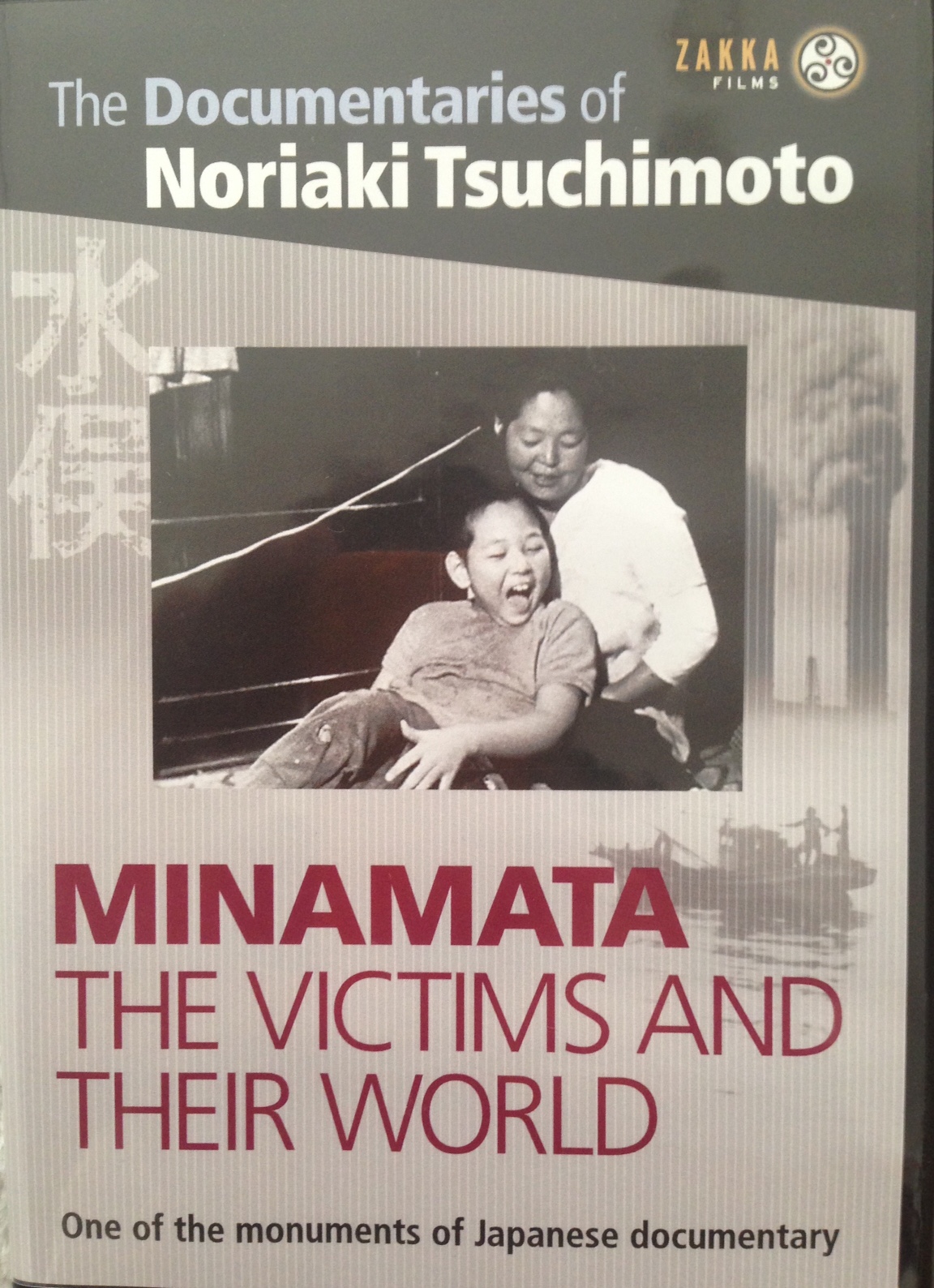
The opportunities to see Japanese documentaries outside of the archipelago are really few, and usually restricted to film festivals, especially when these works were shot in 16mm or 35mm. It is thus noteworthy that Minamata: The Victims and Their World, together with The Shiranui Sea and other Tsuchimoto’s works, is available on DVD with English subtitles through the dedicated work of independent label Zakka Films.
(Special thanks to Ono Seiko and Tsuchimoto Motoko)

Yamagata: un archivio dei documentari sul terremoto, tsunami e crisi nucleare dell’ 11 marzo 2011

311_yamagata_film_archive_opt

Yamagata è una cittadina ed una prefettura situata nella zona nord occidentale del Giappone, per intenderci dall’altro lato dell’arcipelago rispetto a dove l’11 marzo del 2011 il terremoto prima e lo tsunami poi colpirono e si scagliarono con una forza inaudita tanto da portare a quella crisi nucleare nelle centrali nucleari di Fukushima che ancora oggi non vede vie d’uscita. Ma Yamagata è anche la zona dove ogni due anni si tiene il più importante festival del cinema documentario asiatico, e aggiungerei anche un dei più importanti a livello internazionale, il Yamagata Internatinal Documentary Film Festival, fondato nel 1989 anche per volere di Ogawa Shinsuke, colui che forse più di chiunque altro ha plasmato la storia del documentario dell’arcipelago. Un festival che soprattutto nei primi anni della sua esistenza ha funzionato anche da volano per la comunità documentaristica asiatica (cinese e coreana, ma non solo) che molto si è ispirata in un momento particolare per il continente asiatico all’opera di Ogawa e del suo collettivo.

yidff2013poster_rgb-2

Ebbene, nell’edizione del festival del 2011 molto del programma fu dedicato inevitabilmente alle produzioni non-fiction scaturite dalla tragedia del terremoto e da quella conseguente di Fukushima, una crisi quella nucleare che colpì e che continua a colpire ancora oggi la prefettura di Yamagata in quanto la distanza dalle centrali nucleari non è poi così vasta. Soprattutto a livello umano poi il legame fra le due zone è molto forte in quanto molti dei rifugiati che sono scappati dalle zone colpite dallo tsunami o dal fallout nucleare hanno trovato ospitalità e riparo proprio a Yamagata. Il festival grazie anche alla collaborazione di Markus Abè Nornes, lo studioso occidentale che sta più di tutti aiutando a (ri)portare il documentario giapponese sulla mappa cinematografica internazionale, ha deciso di costituire un archivio con i film indipendenti sulla triplice tragedia, realizzati sia da giapponesi che da non giapponesi. L’archivio si propone quindi come una memoria collettiva dove poter vedere e studiare, anche a distanza di decenni, ciò che fu prodotto come conseguenza del terremoto e dello tsunami del 2011, al di là dei prodotti documentari televisivi che comunque hanno già un archivio tutto loro.
Per ora l’archivio consta di circa una sessantina di documentari, la lista la potete trovare qui. Come detto, ciò che piace e sembra importante di questa iniziativa è il suo puntare su tempi lunghi se non lunghissimi, in una contemporaneità in cui siamo continuamente soffocati da un presente che sembra allargarsi sempre di più senza portare da nessuna parte, iniziative di questo genere, che nella loro vastità temporale e concettuale si rivolgono a tempi storici lenti ma più profondi, risulta come una vera e propria boccata di aria fresca.

Narita: Heta Village (三里塚 辺田部落, 1973)

IMG_3069.JPG

Una piccola segnalazione, sul sito Ildocumentario.it nella rubrica Corrispondenze potete trovare un mio scritto su Heta Village, uno dei lavori più importanti creati dall’Ogawa Pro ed un documentario di immenso valore per capire quello slittamento di prospettiva (anche epistemologica) che avviene in Giappone intorno alla metà degli anni settanta, anche se il film è del 1973. Un lavoro che preconizza molte delle tendenze che sarebbero poi arrivate successivamente, un documentario anti-spettacolare ma dal valore estetico e storico incommensurabile:

“Nel primo lavoro della Ogawa Pro che abbiamo analizzato, Summer in Narita del 1968, la macchina da presa si buttava letteralmente nella mischia delle lotte di resistenza contro la costruzione dell’aeroporto di Narita. L’occhio guidato da Tamura Masaki e Otsu Koshiro seguiva l’azione ed in molti casi provocava quasi sfrontatamente le forze di polizia puntando loro contro, come se fosse un’arma, la cinepresa. Era un documentario quello, costruito con una grammatica squisitamente cinematografica, montaggio, primi piani, commento e, soprattutto nel finale, anche con un uso extradiegetico della musica, un raffinato racconto, molto di parte certamente, della lotta dei contadini della zona. Con Heta buraku ci spostiamo in tutt’altra dimensione, Ogawa ed il suo collettivo decidono di fare un passo indietro rispetto all’azione e di rivolgere il loro sguardo verso il tessuto che costituisce il villaggio, le abitudini e le conseguenze di questa resistenza oramai portata avanti da quasi un decennio.
La primissima immagine con Ogawa Shinsuke stesso che…..(continua qui)”