The best documentaries of 2015 – my list

As 2015 comes to an end, it’s that time of the year again, the period when every cinephile is compelled to make his/her best movies list. I couldn’t not post my own one. I’ve mostly watched documentaries from East Asia, my list is then more like a “Best documentary of 2015 from East Asia” type of list, but at the end I’ve added a couple of movies from other part of the world and some (re)discoveries I’ve done during this 2015. Just a disclaimer, it’s a favorite list more than a best list, here we go (listed in the order I’ve seen them):

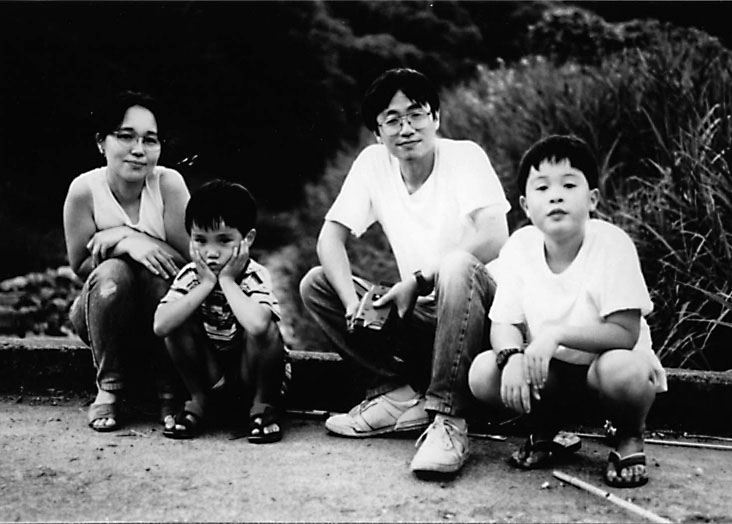
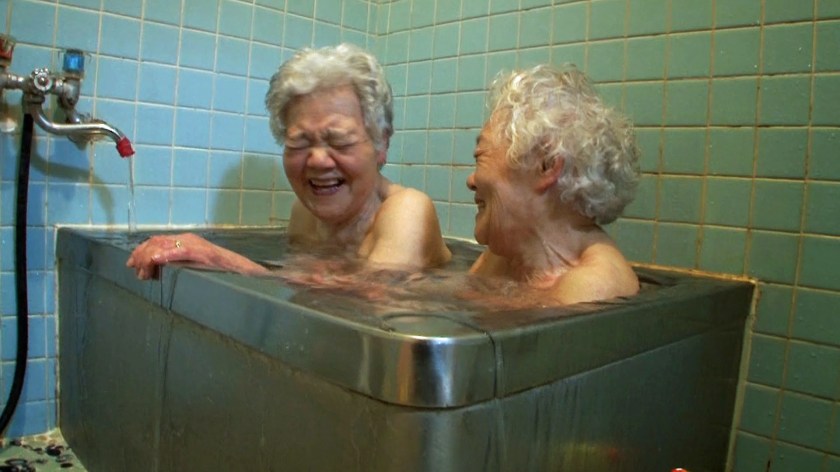
Walking with my Mother (Sakaguchi Katsumi, 2014)

An exploration of loss, sickness and memory in a society (the Japanese one) that is getting older and older, told in the shape of a private documentary, here some thoughts on the movie.
walking_with_mother

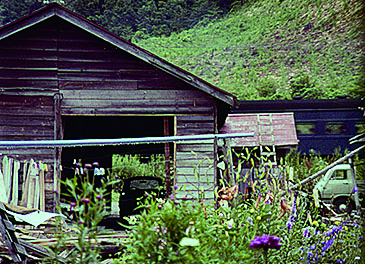
Aragane (Oda Kaori, 2015)

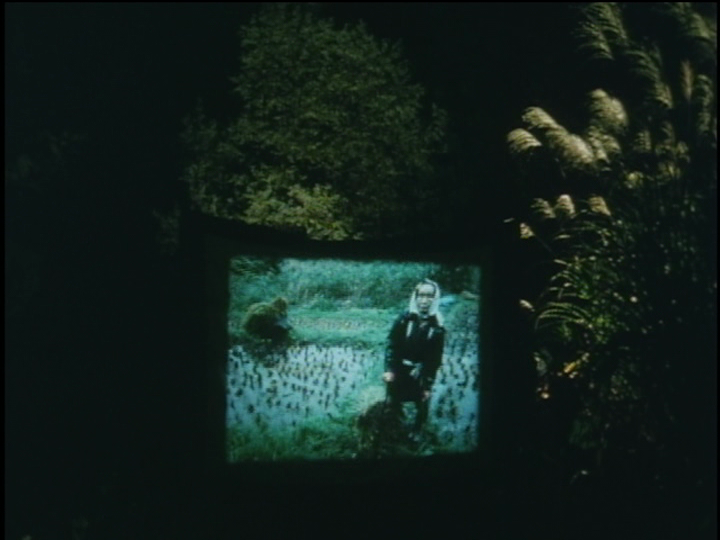
The camera follows patiently and almost hypnotically the workers of an old coal mine in Bosnia down into the darkness of their daily routine. The movie is visually stunning, partly documentary and partly experimental cinema, director Oda Kaori knows how to use the digital medium for her cinematic purposes in a work that revolves around the concept of duration and its materiality, and that is almost structural cinema in its construction. I had the pleasure of meeting and interviewing the director, the conversation was published on the Italian newspaper Il Manifesto, I’m currently working on an English translation and on a review/piece for this blog (maybe next year).

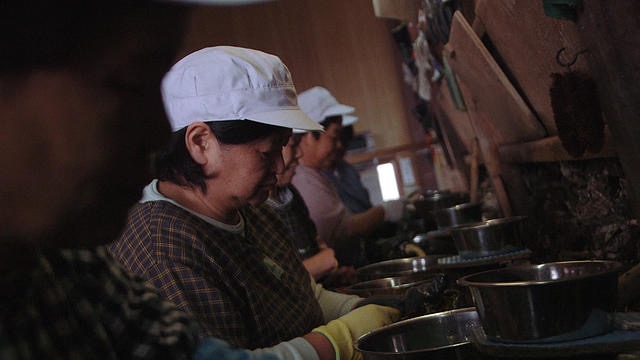
Oyster Factory (Sōda Kazuhiro, 2015)

The latest work from Japanese director Sōda Kazuhiro, together with Theatre 1 and 2, my favourite among his documentaries. I’ve written more about the film here.
IMG_5344

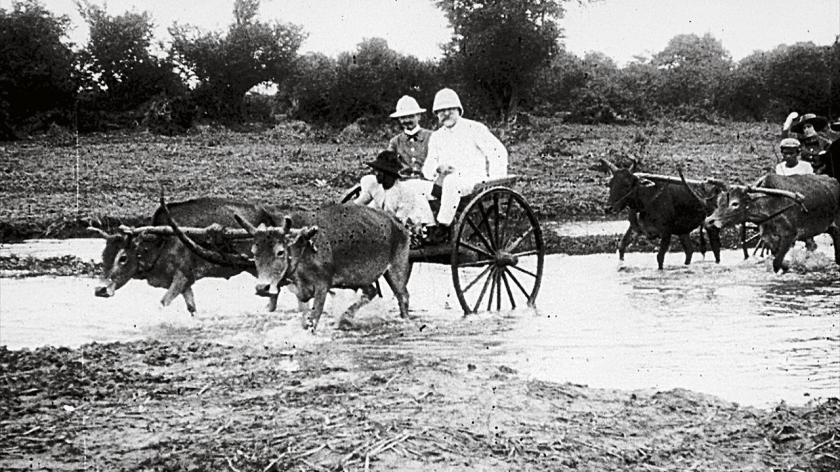
France Is Our Mother Country (Rithy Panh, 2015)

Rithy Panh (2-21: The Khmer Rouge Killing Machine, The Missing Picture) constructs a critical and satirical work about the colonial rule of Cambodia by France, using only footage, archival images and propaganda films shot by the rulers themselves. The power of re-editing and collage documentary.
france-is-our-mother-country

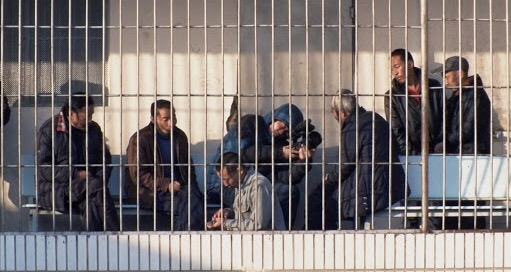
Night and Fog in Zona (Jung Sung-il, 2015)

A documentary about the great Wang Bing by movie critic-turned-director Jung Sung-ilhere you can read my review.

IMG_0379-0

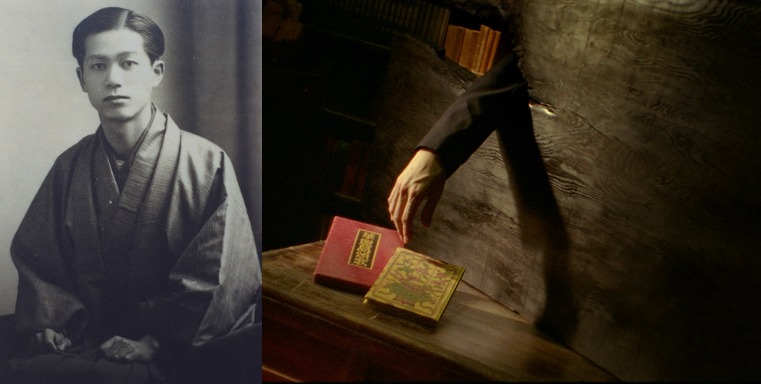
The Moulin (Huang Ya-li, 2015)

Formally engaging and elliptical, I don’t really know how much of my fascination for this movie comes from its themes, a group of Taiwanese avant-garde artists active in the 30′ during the Japanese colonial period, and how much from the documentary itself.
TheMoulin_Taiwan4

Documentaries from other parts of the world:

The Iron Ministry ( J.P. Sniadecki, 2014) and in general all the movies by Sniadecki: Demolition, People’s Park, Yumen….

Jujun (Paul Thomas Anderson, 2015)


(re)discoveries of 2015:

The Vampires of Poverty (Carlos Mayolo, Luis Ospina, 1977)

All the documentaries/works of the great Agnès Varda (it was a pleasure watching 14 of her films this year)


Best Japanese documentaries’ poll – results

More than 2 months have passed since I launched the best Japanese documentaries of all time poll, it’s time to wrap things up and to take a look at the results. Thanks everybody for your votes, for your support and for helping me spreading the word. sdgblogBefore digging into this fascinating trip through the history of Japanese non-fiction film, let me add some overall thoughts.
On the negative side, I have to admit that I’m a bit disappointed that I couldn’t get many people to vote, and this is partly my fault, the blog is pretty new and relatively unknown and I’ve been lazy and shy about pushing it through the social networks world. Besides, Japanese documentary is a niche subject inside a niche (Japanese cinema), and there are not so many people interested in documentary film as an art form, so I should have expected this. Many people, most of them cinema professionals, were kind enough to decline my invitation, honestly admitting their lack of knowledge in the field. After all, one of the purposes of the poll was indeed to check how much exposure Japanese non-fiction movies have in the world of cinephiles, so I shouldn’t really complain too much.
On the positive side, I was really surprised by the deep knowledge of the voters, most of them, I have to add, cinema professionals: festival programmers, critics, professors, and so on.
Below you’ll find the list, when possible I’ve added some information about each movie’s availability on DVD/BD.
Thanks again everyone, feedback and comments are, as always, welcomed.

1)Included in their lists by 40% of voters
Extreme Private Eros: Love Song 1974 「極私的エロス・恋歌1974」 (Hara Kazuo, 1974)
Extreme_private_eros_hara_kazuo

Available on DVD (with English subtitles).

2)Included in their lists by 33% of voters
Children in the Classroom 「教室の子供たち」(Hani Susumu, 1954)
children_in_the_classroom_Hani
Available in Japanese in this Iwanami DVD box

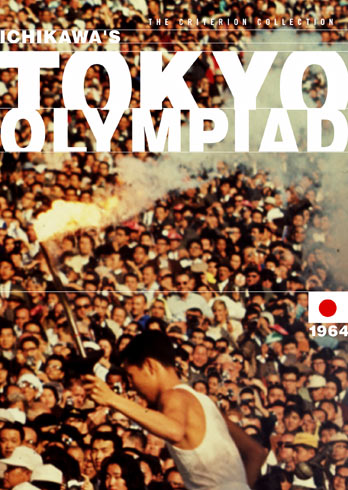
Tokyo Olympiad 「東京オリンピック」(Ichikawa Kon, 1965)
Tokyo_Olympiad_Ichikawa
Available on DVD in Japanese or with English sub, but the Criterion Collection edition is out of print.

Minamata: The Victims and Their World 「水俣 患者さんとその世界」(Tsuchimoto Noriaki, 1971)
Minamata_Victims
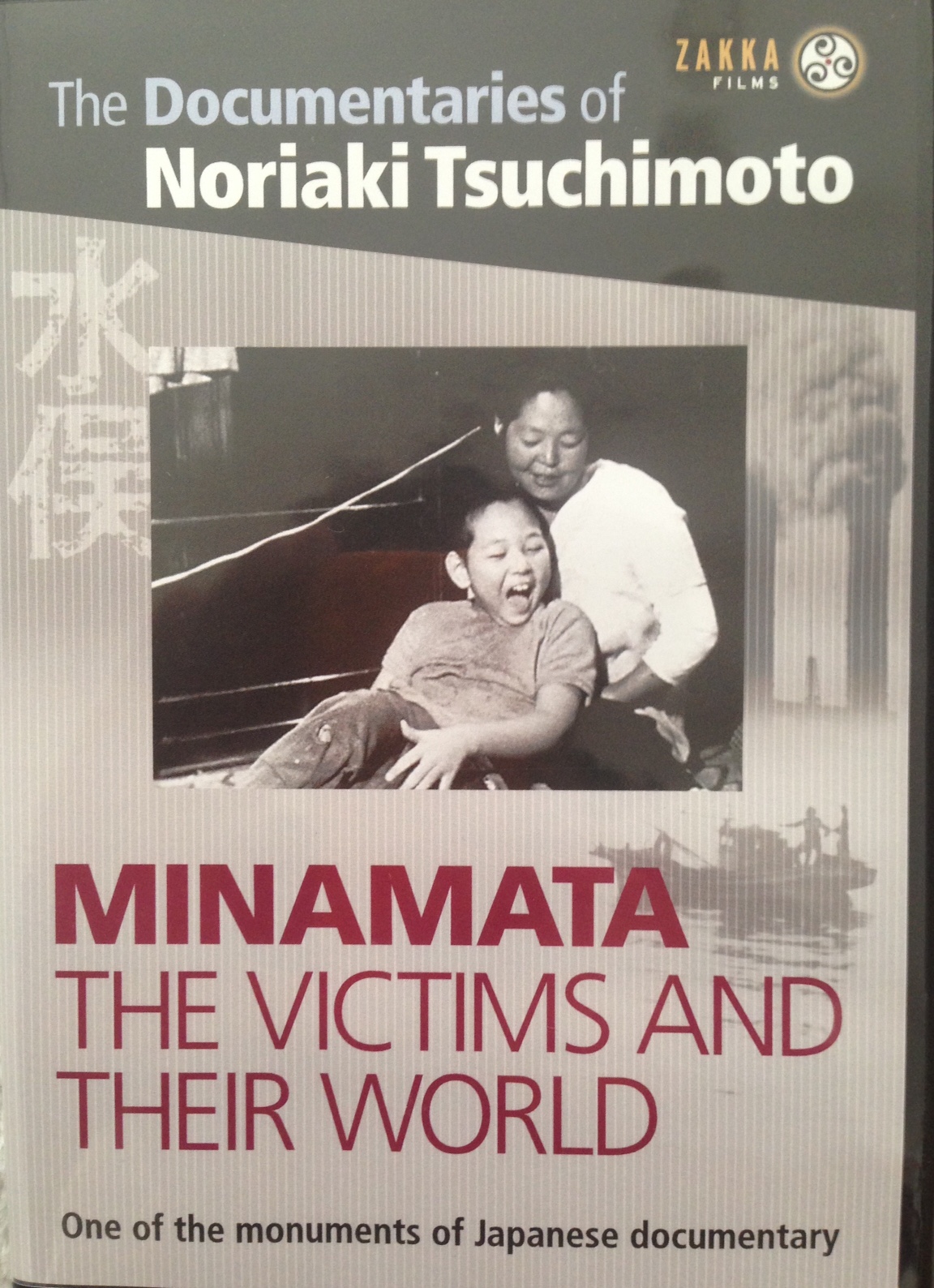
Available on DVD with English sub by Zakka Films

The Emperor’s Naked Army Marches On 「ゆきゆきて、神軍」(Hara Kazuo, 1987)
Emperor_Naked_army_Hara_Kazuo
Available on DVD with English sub

3)Included in their list by 27% of voters
Without Memory 「記憶が失われた時」(Koreeda Hirokazu, 1996)
Without_memory_Koreeda
Not available

4)Included in their lists by 20% of voters
A.K.A. Serial Killer 「略称・連続射殺魔」 (Adachi Masao, Iwabuchi Susumu, Nonomura Masayuki, Yamazaki Yutaka, Sasaki Mamoru, Matsuda Masao, 1969)
AKA_serial_Killer
There used to be a VHS in Japanese….

Fighting Soldiers 「戦ふ兵隊」(Kamei Fumio, 1939)
vlcsnap-2015-01-23-09h11m10s188
Available in Japanese on DVD (the quality of the transfer is pretty low though). Here my analysis of the first scenes.

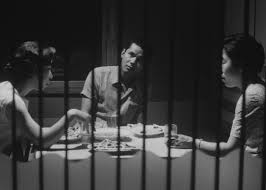
A Man Vanishes 「人間蒸発」(Shōhei Imamura, 1967)
A_Man_Vanishes_Imamura
Available on DVD with English subtitles by Master of Cinema and by Icaruswith 5 bonus documentaries made for TV by Imamura in the 70s (reccomended).

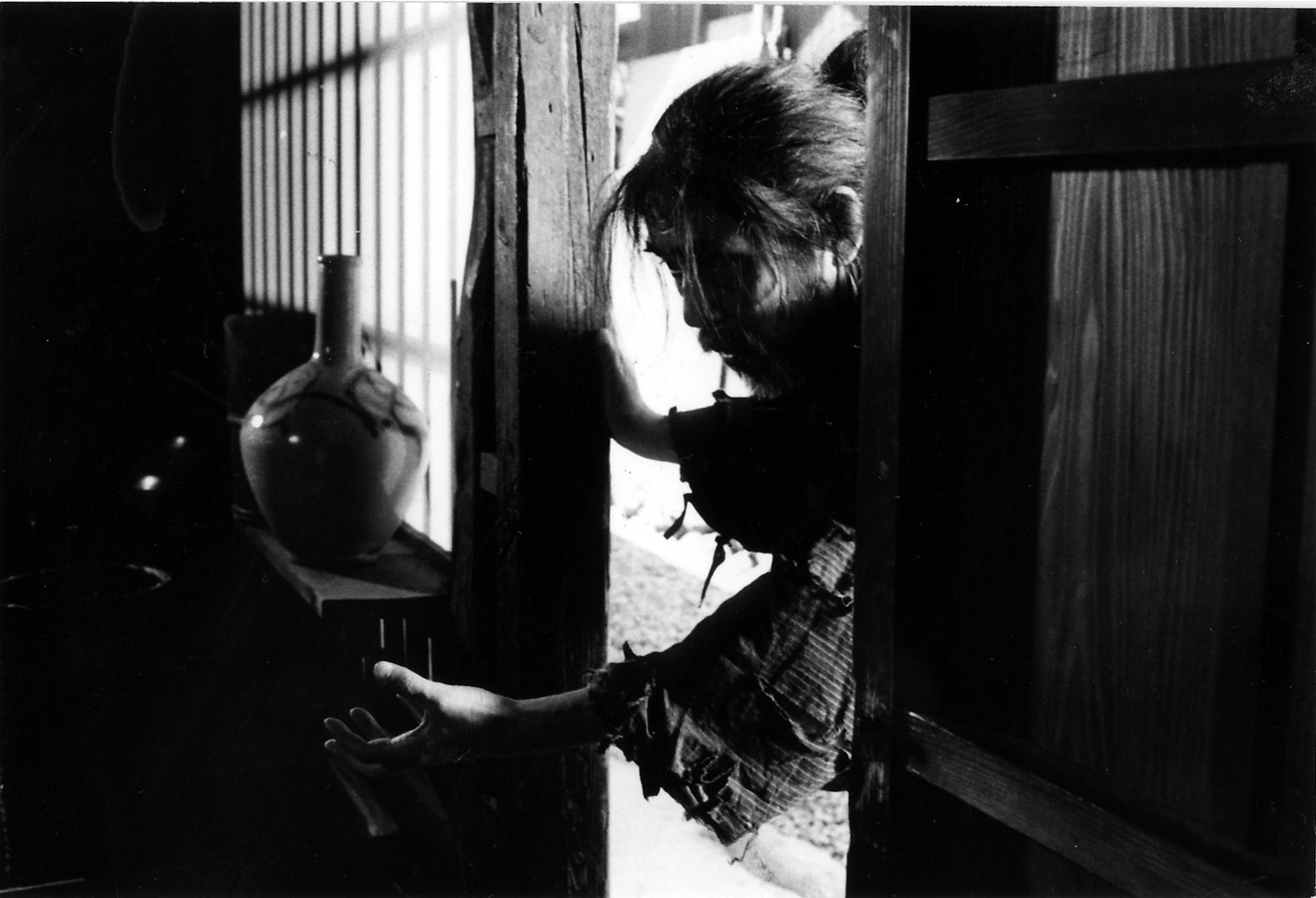
The Shiranui Sea 「不知火海」(Tsuchimoto Noriaki, 1975)
ShiranuiSea_Tsuchimoto
Available by Zakka Films with English sub.

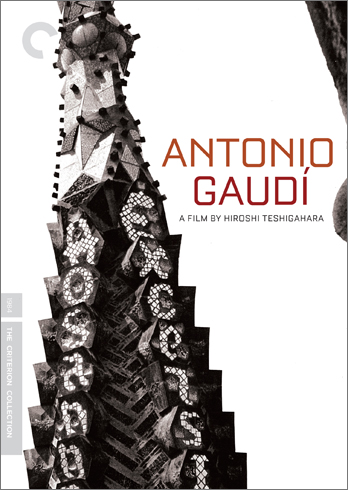
Antonio Gaudi 「アントニー・ガウディー」(Teshigahara Hiroshi, 1985)
antonio_gaudi_teshigahara
Available with English sub by Criterion Collection.

5)Included in their list by 13,3% of voters
For My Crushed Right Eye 「つぶれかかった右眼のために」(Matsumoto Toshio, 1968)
for-my-crushed-right-eye
The work is in the Matsumoto Toshio DVD collection – volume 2 – released by Uplink (now out of print?) in Japanese.

Goodbye CP [さよならCP] (Hara Kazuo, 1972)
Goodbye_CP_Hara_Kazuo
Available with English sub by Facets Video.

Narita: Heta Village 「三里塚・辺田部落」(Ogawa Production, 1973)
IMG_1328
Not available on DVD or VHS

God Speed You! Black Emperor 「ゴッド・スピード・ユー!」(Yanagimachi Mitsuo, 1976)
godspeedyou_emperor
Available in Japanese on DVD (used and expensive).

The Cherry Tree with Gray Blossoms 「薄墨の桜」(Haneda Sumiko, 1977)
vlcsnap-2015-01-28-21h24m04s10
Available on DVD (only in Japanese) by Jiyū Kōbō or in this Iwanami Nihon Documentary DVD-BOX

Magino Village – A Tale / The Sundial Carved With A Thousand Years of Notches 「1000年刻みの日時計 牧野村物語」(Ogawa Production, 1986)
magino1
Not Available

Embracing 「につつまれて」(Kawase Naomi, 1992)
Embracing_Kawase_Naomi
Available in Japanese with English sub in this DVD-BOX

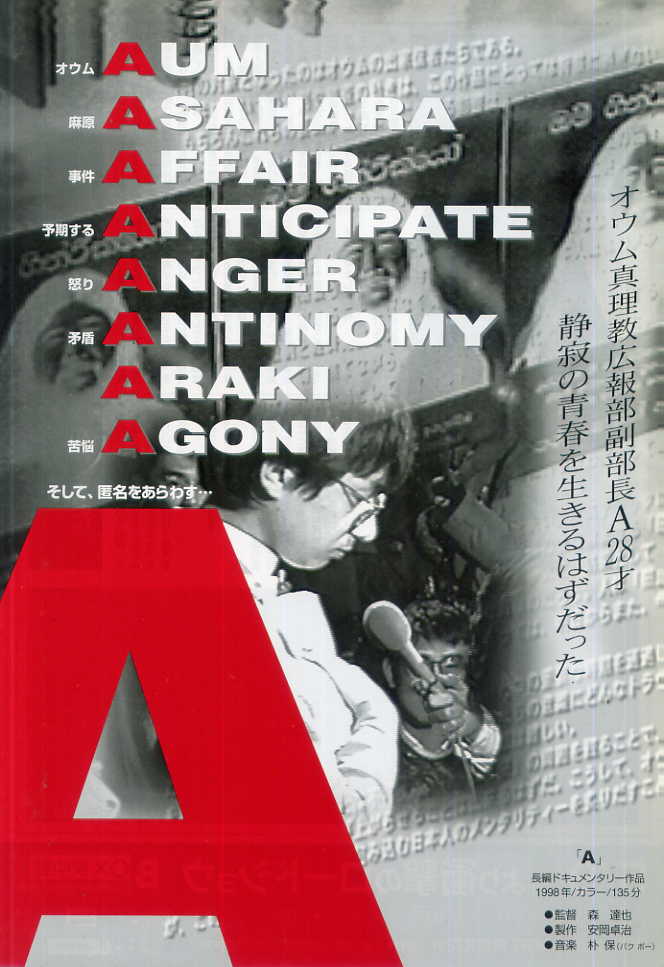
A (Mori Tatsuya, 1998)
A_Mori_Tatsuya
Available with English sub by Facets Video

The New God 「新しい神様」(Tsuchiya Yutaka, 1999)
IMG_3593
Available on DVD in Japanese

Memories of Agano (阿賀の記憶, 2004 Satō Makoto)
IMG_0105
Available on DVD with English sub by SIGLO.

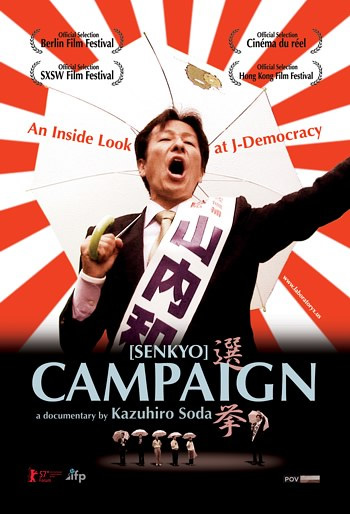
Campaign 「選挙」(Sōda Kazuhiro, 2007)
Campaign_Soda_Kazuhiro
Available on DVD with English sub.

Tsuchimoto Noriaki, Minamata: The Victims And Their World (1971) a milestone in Japanese documentary

Minamata_Victims

Disclaimer: as I wrote few days back on twitter, I’ll kick off 2015 with a little experiment. I’ve translated (and partly rewritten) in English my post on Minamata: The Victims and their World. As English is my second language, inevitably some subtleties and nuances of the original Italian piece are probably lost. Feedback and/or suggestions are welcome.

Minamata: The Victims and Their World (水俣 患者さんとその世界, 1971)

Director: Tsuchimoto Noriaki
Production: Higashi Productions
Producer: Takagi Ryutarō
Camera: Ōtsu Kōshirō
Editor: Tsuchimoto Noriaki, Sekizawa Takako
Year: 1971
Links: review by Cathy Munroe Hotes, DVD by Zakka Films

Tsuchimoto Noriaki is one of the major figures in Japanese documentary history, and although he also made works about Afghanistan, road construction and other diverse topics, he is best known for the series made in more than 30 years about the victims of Minamata disease. Tsuchimoto first came into contact with the reality of Minamata, a city located in Kumamoto prefecture, in 1965 when he was commissioned to make a short documentary for television, Minamata no kodomo wa ikiteiru. After this experience, when approaching the victims was not as easy as one might expect, he went back to Minamata in 1970 and started to film the lives of the residents in a different manner and to uncover a Pandora’s box of horrors. Minamata had been the scene of one of the largest poisonings perpetrated by man to himself and to the environment, and the city’s name will remain forever linked to the chemical company Chisso, which from 1932 to 1968 polluted the Shiranui Sea and the Minamata Bay with huge quantities of mercury. The metal entered the food chain and caused what is now called Minamata disease (Minamata-byō), a neurological syndrome that was first discovered in 1956. Over the years, the disease has affected more than ten thousand people and killed more than two thousand, but these are just the officially recognized, numbers; the damages and effects of this crime sadly are not always quantifiable or legally provable, and there have been accusations of collusion between the Japanese government and the Chisso corporation to cover up the disaster.
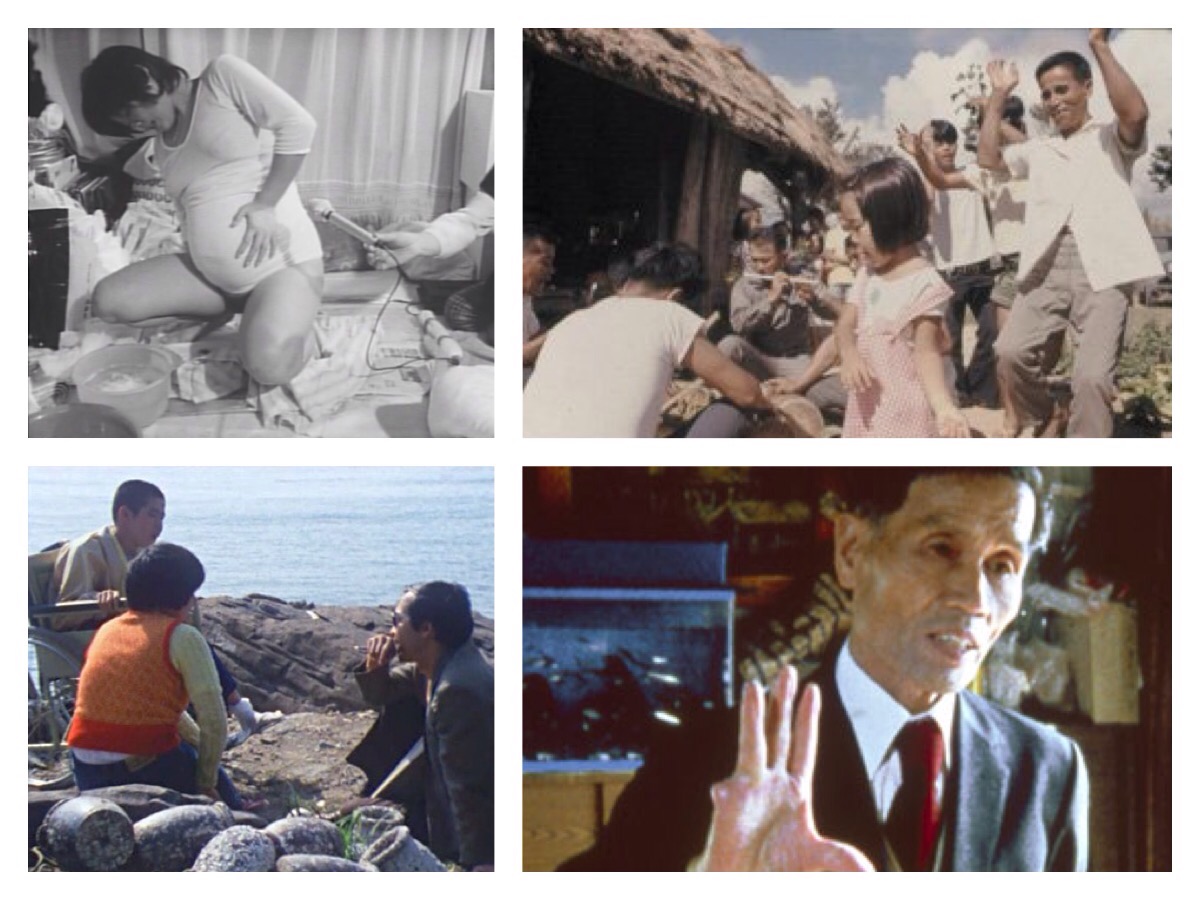
Structurally Minamata: The Victims and Their World consists of a series of interviews, conducted by Tsuchimoto himself, with the victims and relatives of those who had been affected by the disease. These interviews reveal the daily lives of the inhabitants damaged by the poisoning: their relationship with the sea, the sickness and the painful memory of the deceased. The interview scenes are interspersed with moments in the lives of fishermen, their habits and traditions, and meetings and rallies in the streets to protest Chisso and the government. It is worth pointing out that the crime perpetrated by Chisso is something inherent in the capitalist system, a tragic result of the dynamics of exploitation of poor and marginal areas and not merely an incident in the course of normal industrial activities.
As a documentary director, Tsuchimoto had to face two big problems, (re)gaining the trust of the people whose lives and tragedies were often spectacularized and exploited by the media, as he experienced firsthand when making the aforementioned TV documentary, and secondly deconstructing the contrasting feelings of hate and gratitude towards Chisso that were present in many residents, even unconsciously. Tsuchimoto was well aware of all these contradictions, and one of his major achievements was his ability to achieve a balance between the anger with which he was unmasking the dark side of modernization in Minamata, and the human touch with which he always managed to present the victims and give them dignity.
We are introduced to the world of Minamata by a series of information about the poisoning and the Chisso corporation, displayed at the beginning of the documentary. These words substitute for the initial narration, the voice-of-god so often used in mainstream documentaries, and are soon followed by the first images of the area, the lapping of the water and a fishing boat in the sea. This is a highly symbolic start, as the water that dispenses life to the fishing community and upon which the community’s life is based, is the same water that, polluted by mercury, destroys their lives. The lack of sync between the image and the sound, due to the lack of the right technology, was very common in Japanese independent documentary of the time; most of Ogawa Pro’s works of the Sanrizuka period, for instance, were affected by the same “problem”. This technical limitation forced directors, including Tsuchimoto, to combine images and sound in highly creative ways. The words and cries of the victims and of their families are often overlapped with images showing the tragic effects of mercury poisoning upon the residents of Minamata, in the fishing scenes that often punctuate the documentary, a beautiful and almost ancient music contributes to creating an epic atmosphere that envelops the lives of these fishing communities, the most impressive and famous of these shots depict an elderly man, who has lost his wife because of the disease, fishing for octopi.

As a viewer watching the movie at the beginning of the 21st century, it is also worth noting that the images in black and white and the aforementioned lack of sync, pose as a further filter for the viewer, allowing Tsuchimoto to successfully avoid spectacularization of grief and the subsequent exploitation of the lives of the victims. We still see sick people and children whose lives were completely ruined, particularly touching is when in a series of harrowing scenes we are introduced to a young boy, who is drooling, staggering, and unable to move and speak freely. But the way the camera follows him and presents his and his family’s grief, is a form of respect that reveals his dignity as a human being. This attention towards the weak and the other is one of the highest achievements of Tsuchimoto’s body of work, it is a cinematic touch that serves also as a very powerful ethical statement on the meaning of being human, an approach that will reach a new level and culmination in The Shiranui Sea (1975), another documentary dedicated to the victims of Minamata.
In the second part of the documentary, we follow the journey of the victims and their families to Osaka, where the Chisso biannual shareholders meeting took place in 1970. This trip to the second largest city in Japan is also important because Osaka is the place that in the same year (1970) housed the International Exposition. Together with the Tokyo Olympics in 1964, this international event helped to reposition Japan in the international political map and in doing so marked the complete admission of Japan to modernity and the Western world. Exposing the dark side of modernization, Tsuchimoto is thus making a very powerful political statement about the development of Japanese society and modern societies in general, revealing the unavoidable part maudite.
The meeting between the leaders of Chisso corporation and the Minamata representatives almost resulted in a riot, with a sort of guerilla filmmaking reminiscent of the cacophony of Sanrizuka and the student protests, Tsuchimoto and director of photography Ōtsu Kōshirō show us the people of Minamata invading the stage and surrounding the CEO and his staff as if symbolically destroying the verticality between the zaibatsu and the people. Again here, as in the Sanrizuka documentaries of Ogawa Pro of the same time, the soul of the protest was feminine, and the ones who verbally confronted the Chisso CEO more than anyone else were in fact women and mothers driven by rage and grief.

Minamata_Victims_DVD

The opportunities to see Japanese documentaries outside of the archipelago are really few, and usually restricted to film festivals, especially when these works were shot in 16mm or 35mm. It is thus noteworthy that Minamata: The Victims and Their World, together with The Shiranui Sea and other Tsuchimoto’s works, is available on DVD with English subtitles through the dedicated work of independent label Zakka Films.
(Special thanks to Ono Seiko and Tsuchimoto Motoko)

Poll: Best 10 Japanese documentaries of all time

IMG_3039.JPG

If you’re a movie critic, a movie fan, a scholar or just a Japanese cinema lover, I’d like to hear your opinion about Japanese documentary/non-fiction. I know that very few works are available on DVD (even in Japan) or with English subtitles, and I’m also aware that the only chance to see them is at festivals, nonetheless I would really like to know which are your favourite Japanese documentaries of all time, so please name your best 10 (or 5)!
It doesn’t matter if you haven’t seen so many or if you only saw documentaries produced in Japan over the last two/three decades. One of the aims of this poll is also to discover which are the docs usually watched (or available to watch) by a non-Japanese audience.
You can leave a comment on this post or send an email to: matteojpjp at gmail.com, of course you’re free to add some lines of explanation and your name, if you wish. The deadline is February 6th. The results will be published on this blog at the end of February, so you have plenty of time, please spread the word! Thank you.

IMG_3043.JPG