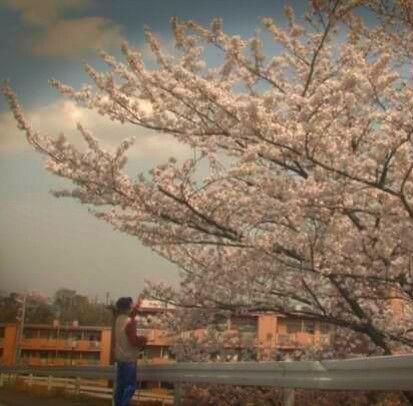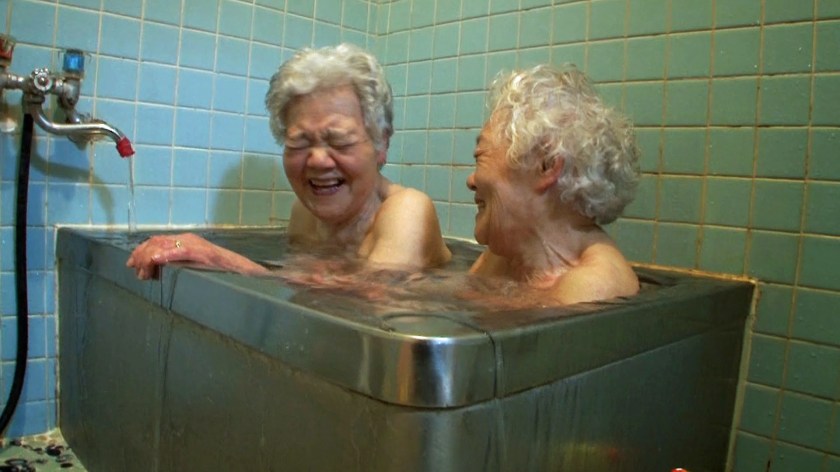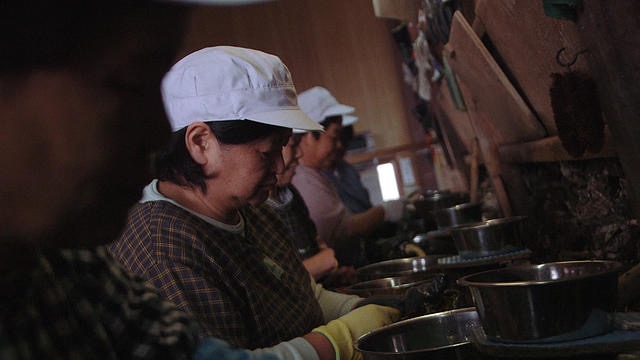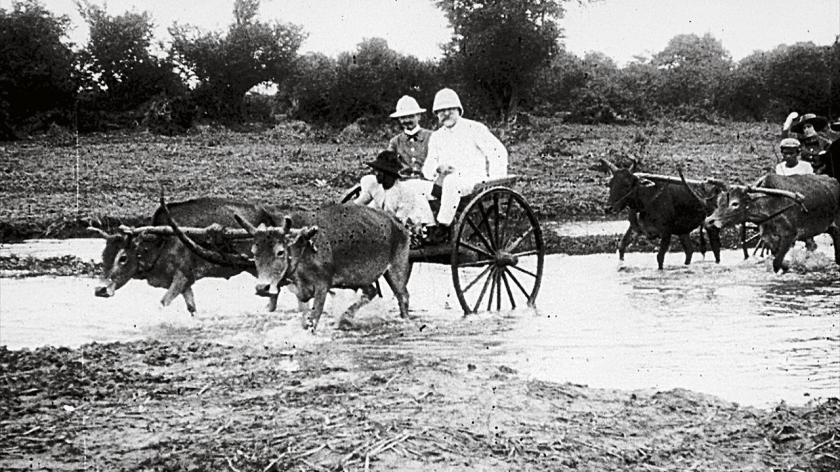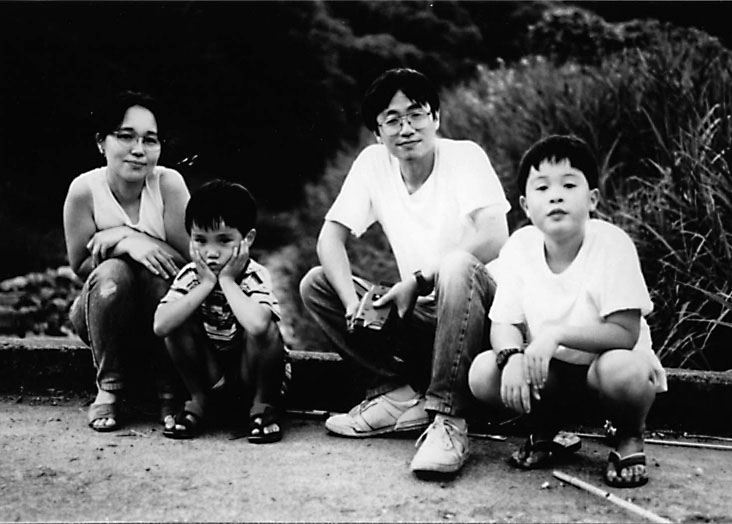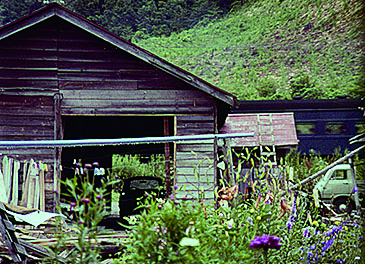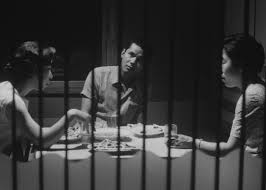
Memories of Agano (阿賀の記憶 Satō Makoto, 2004)

This is an unfinished draft for an essay on Satō Makoto’s Memories of Agano 「阿賀の記憶」, a work in progress, at this stage no more than a series of random thoughts about one of my favorite movies.


last update: 26 September 2017


“…the habit of imposing a meaning to every single sign”

Trinh Minh-Ha


Satō Makoto’s documentaries seem to be (again) part of the filmic discourse in Japan, or at least on the rise in some cinematic circles, and deservedly so. Nine years have passed since his death, this year (2016) a book titled「日常と不在を見つめて ドキュメンタリー映画作家 佐藤真の哲学」(roughly rendered “Gazing at everyday and absence, the philosophy of documentarist Satō Makoto”) was published and a screening of all his documentaries, followed by discussions and talks, was held in Tokyo in March and later at the Kobe Planet Film Archive. I haven’t read the book yet, but the title summarizes and conveys perfectly the themes embodied in Satō’s last works: the dicothomy absence/presence and the presence of absence, that is to say the phantasmatic presence of cinema.

Sato’s final works, Self And Others, Memories of Agano and Out of Place: Memories of Edward Said witness and embody a shift in Satō’s approach, movies through which he was attacking and partly deconstructing the documentary form, to be fair with his works though, it’s a touch that was partly present in his films since the beginning, but in these three documentaries it becomes a very prominent characteristic. This publication seems to be timely and enlightening because is tackling Sato’s oeuvre not necessarily from a purely cinematic point of view, the book’s curator is by her own admission not a cinema expert, but it’s expanding the connections of Satō’s movies and writings towards the philosophical.

I hope the book will kindle and revive a new interest on his works, Satō is in my opinion one of the most important Japanese directors of the last 30 years, and sadly one of the most unknown in the West, I don’t really think there’s much out there in the internet or on paper about Satō, nor in English nor in other non-Japanese languages, and it’s a pity and a missed occasion because his movies, again, are more than “just” documentaries, or even better, are documentaries that have the power to question their own form and stretch in many differents areas. If you’re not familiar with his works, you can get a glimpse of Satō and his touch reading this beautiful and long interview, or you can buy them on DVD thanks to Siglo, it’s a rarity in Japan, but they come with English subtitles.

This year (2017) Yamagata International Documentary Film Festival will also hold a retrospective for the 10th anniversary of Satō’s death, commemorating and celebrating his works, his influence and his reception abroad.

One of Satō’s documentaries that resonates with me more than others, even after many viewings, is Memories of Agano (阿賀の記憶, 2004). As the YIDFF describes it:

Ten years after the acclaimed film Living on the River Agano, the film crew returns to Niigata. Personal memories reflect upon remnants of those who passed away as the camera observes abandoned rice fields and hearths that have lost their masters.

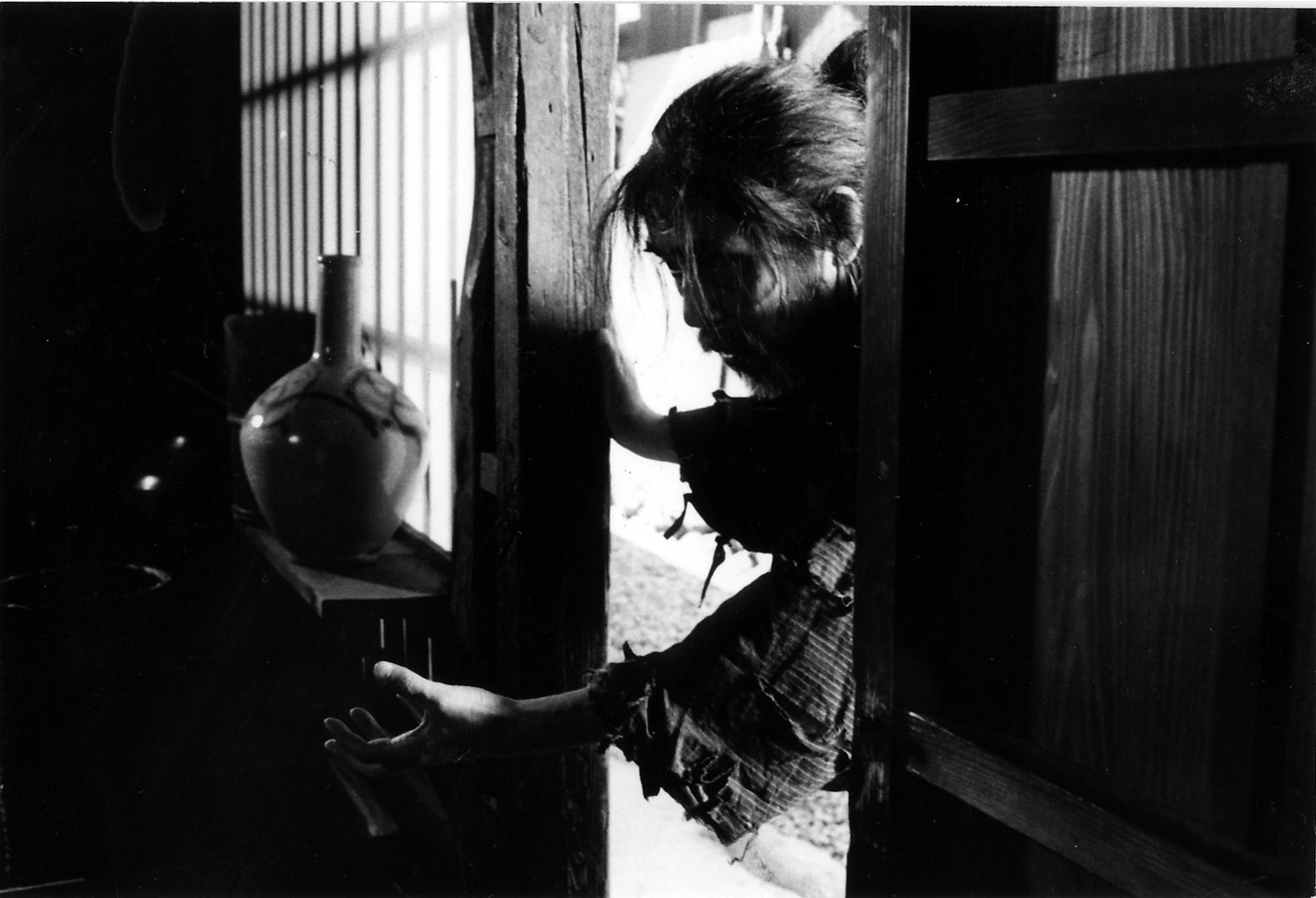
It is a relatively short but complex movie running only 55 minutes, an experiment in the form of a non-fiction film, splendidly shot on 16mm by cameraman Kobayashi Shigeru, the same cameraman who worked and lived together with Satō in Niigata for more than three years during the shooting of Living on the River Agano. The film is a poem on the passing of time and consequently on the objects that will outlive us, the persistence of things in time, including cinema itself. The original idea was in fact to make a film about the remnants of Meiji, that is “the glass photographic plates of the Niigata landscape from the late Meiji to early Taisho era (1910s) left behind by photographer Ishizuka Saburo. Using those old black and white photographs as a motif, we started out making the film with the same concept as Gocho Shigeo in Self and Others”. This quasi-obsession with objects is the thread that waves through the film’s fabric: boiling tea pots, old wooden houses, tools…

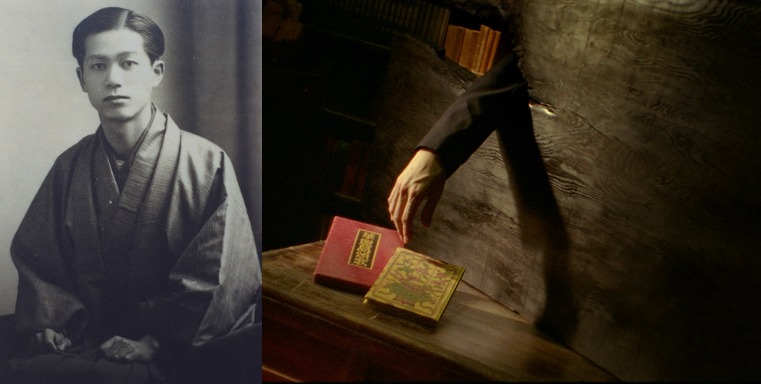
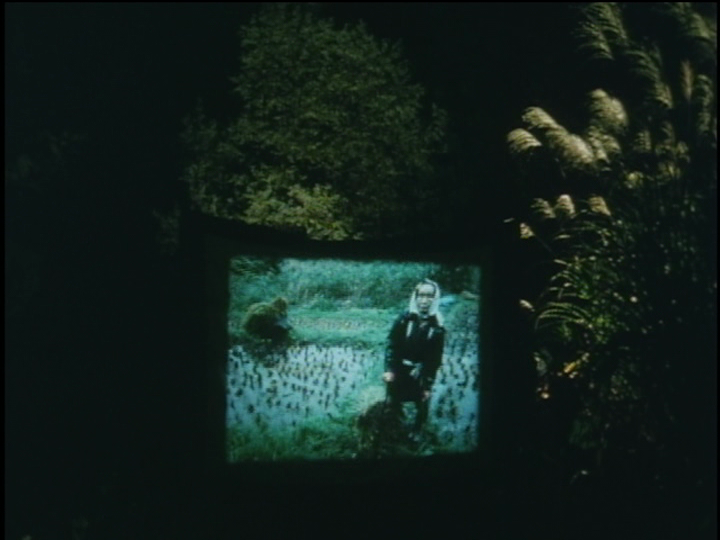
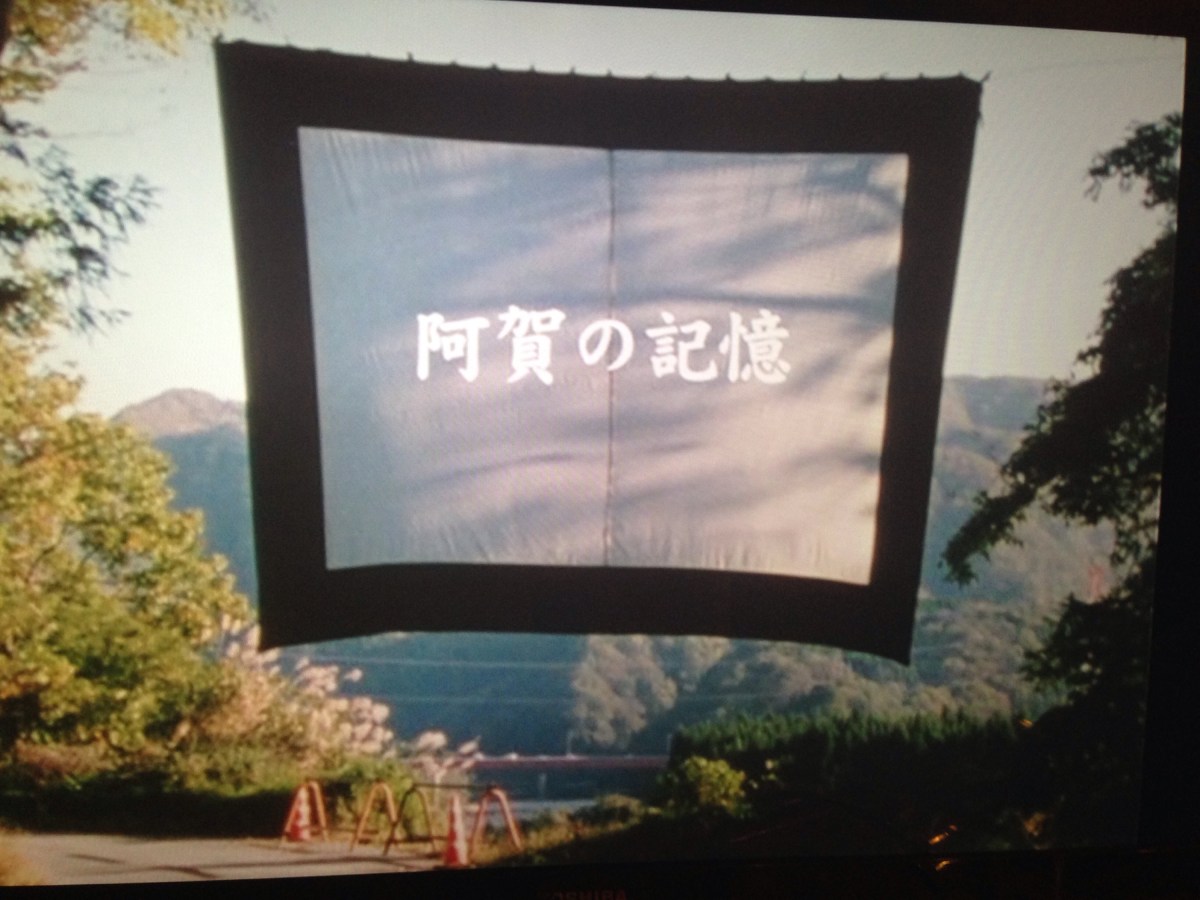
One of the most stunning scene of the movie and one that defines Memories of Agano is placed at the very beginning, when Satō and Kobayashi after returning to the area where the first movie was shot hang a big canvas tarp in the middle of a wood projecting on it the documentary they made 10 years before. The effect is profoundly disturbing and touching at the same time, images and thus memories are suddenly like tangible spectres.
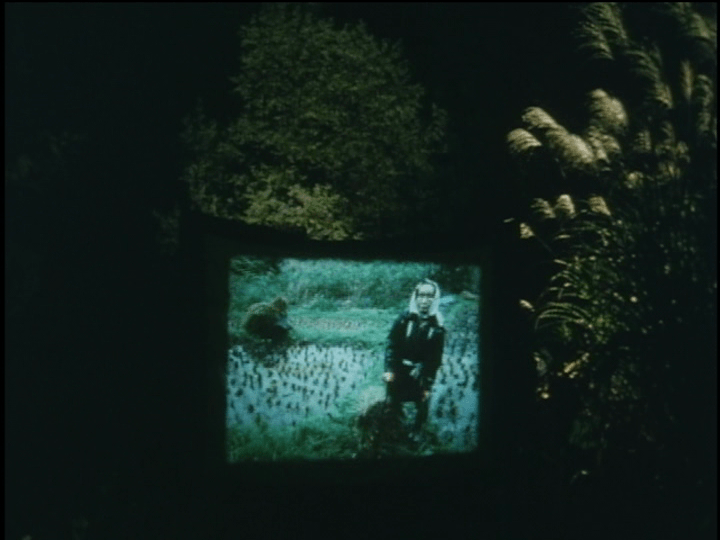
On another level, Memories of Agano with its intertwining of past, present and landscapes ー the external ones with mountains, fields, rivers, and the interior landscapes of old and almost empty houses ー could also be read as an attempt to approach and partly re-elaborate the fūkeiron-cinema, the theory-of-landscape-oriented-cinema, 「footnote: “launched” almost five decades ago with A.K.A. Serial Killer (1969),  The Man Who Left His Will on Film (1970), Red Army/PLFP: Declaration of World War (1971) and The First Emperor (1973)」
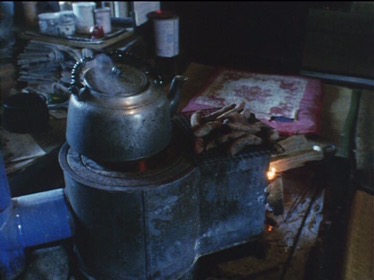
As for its aesthetics, one of the quality that strikes me every time I rewatch it, is the slow pace and the use of long takes that give the movie a dreamlike quality of lethargic torpor. The scene that embodies at most this aesthetic idea is an almost static shot of a teapot boiling on an old stove lasting about 10 minutes, on the background, sort of white noise, the words of an old lady spoken with a thick Niigata accent. She talks sparsly with Satō himself also about the fact she doesn’t wanna be filmed, half jokingly half seriously, a breaking of the fourth wall so to speak, a dialogue between camera and object filmed that was prominently present in Living on River Agano as well (“Are you filming me?” “Don’t shoot me!” are sentences that punctuate the course of this movie and the one made in 1992).

Memories of Agano also present itself as a documentary of opacity rather than one of transparency, the choice of not using the subtitles when people speak with their thick Niigata accent, a Japanese citizen from another area of the archipelago would probably understand 50% or 60% of what is said, a technical option that was used in Living on the River Agano – signals a major change in Satō’s approach to documentary and cinema in general. Feeding the viewer with limpid and clear messages and making a “comprehensible” movie is not what interests Satō here, but rather placing obstacles, visual riddles so to speak – the aforementioned tarp for instance, but also visually striking moments of pure experimentation – and thus presenting the opacity of the cinematic language seems to be the goals he had in mind when he conceived Memories of Agano. The images are thus escaping the organizing discourse tipical of so many Japanese documentaries, in contrast they open to new (cinematic) discoveries and keep resonating with the viewers and engage us on many different levels.

Aragane 「鉱」by Oda Kaori

Aragane is the first full-length movie by Oda Kaori, a talented Japanese director who had her debut in 2012 at the Nara International Film Festival with the short Thus A Noise Speaks, a meta self-documentary that unflinchingly explored her coming out as a female gay and the subsequent reactions from her family. Aragane is a completely different work though, an experimental documentary that Oda directed, photographed and edited herself, but also a “product” of Bela Tarr‘s film.factory, the film school based in Sarajevo and established by the Hungarian director few years ago, a place where the Japanese director studied for three years. Aragane, the Japanese title means “ore” or small pieces of stone, was shot in a Bosnian coal mine and it’s an immersive and hypnotic sensorial experience, a very special and rewarding one that was presented last year at the Yamagata International Documentary Film Festival and later at the DocLisboa in Portugal.

I had the pleasure of meeting Oda in Yamagata and later on she was kind enough to answer my questions by email, you can read the interview here.

Aragane

Bosnia and Herzegovina, Japan              2015, 68’                                                Director: Kaori Oda, Cinematographer: Kaori Oda, Editor: Kaori Oda, Producers: Shinji Kitagawa – FieldRain, Emina Ganic – film.factory.

The movie starts overground with the camera gazing at some busy workers preparing and checking the machines before going deep down into the mine, the camera then ride on a cart and with a very long tracking shot slowly starts its descent into the inner part of earth. Once inside, we’re introduced and enveloped in  a world of darkness, a pitch black curtain broken only by sudden and random flashes of lights revealing a segment of a machine here and a face smeared with coal there. There are really few spoken words, we hear some random sentences uttered every now and then by the workers, but that’s all, much more important is the wall of noise created by movie, the soundscape being a crucial element of it. In the 68 minutes of deep immersion into the chthonian and dissonant world of the mine, we are almost constantly submerged by the cacophonous noise of the machinery, although the movie is also punctuated by sparse but significant and sudden moments of deafening silence. At the end of the movie for instance, when we emerge from the bowels of the earth, the peace and the vivid colors of the changing rooms and the stillness of the hanging clothes have an almost soothing quality for our eyes and ears.
As stated by the director herself, Aragane is not a direct inquiry into the harsh conditions of the people working in the mine, although it’s something that eventually and necessarily emerges, but more an attempt to convey on screen the time and the space of the coal mine as experienced by the workers, or, I would add, as experience by the mine itself. It takes some time to get used to the alien space and almost abstract geographies of the mine, for most of the time we don’t really know what’s going on and who is doing what, it’s more like being thrown into a cubistic landscape in the middle of its making. Once we get accustomed to the time and the space presented on screen though, everything slowly begins to make sense, what starts to surface from the images and sounds, and through the tracking shots and the slow and hypnotic camera movements, is the time of the mine – time experienced as duration – and the materiality of the space depicted. On this point Aragane is a documentary very akin to the works of the the Harvard Sensory Ethnography Lab, Aragane reminded me – albeit with some distinctions of course- of Leviatahn, Single Stream and The Iron Ministry, just to name a few.             
Aragane is a compelling viewing experience, not a cinematic revolution or a masterpiece of course, but nonetheless a very significant work for Japanese documentary – it’s only partly Japanese to be honest, since it was produced and shot outside the archipelago.  What particularly interests me here is that finally Japanese cinema has an important work of non-fiction able to emancipate itself from the imprint of social and political documentary that usually dominates the contemporary non-fiction scene in Japan, and a work that in doing so liberate and explore the experimental qualities of documentary. I might exaggerate, but to find something similar in the history of Japanese cinema we have to go back to the great Matsumoto Toshio and his Ishi no uta (The Song of Stone, 1963).

img_1304

Under the Cherry Tree (Tanaka Kei, 2015)

Under the Cherry Tree (桜の樹の下)  is the feature documentary debut of director Tanaka Kei, a work that follows the lives of the elderly residents of a public housing complex in Kawasaki. The movie had its premiere last October at the Yamagata International Documentary Film Festival (Perspective Japan) where I had the chance to see it.

Under_the_Cherry_Tree

From the opening scene the film reveals its touch, low-tech and anti-spectacular in style, with a pretty straightforward approach, even though there are some formal choices that tend to be elliptical, I’ll come back to it later. Through her camera Tanaka gives voice to the elderly living in the building, focusing especially on four of them whom, during the 92 minutes of the movie, we slowly get to know and attached to. They all tell stories of solitude, each of them of course has a diverse background and even comes from different areas of Japan. Recollecting their past and the reasons for their present condition, a life on the edge of poverty, is a sort of candid confession that each of them is not afraid to make in front of the camera.  In the chatting with the director what strongly emerges is a sense of impending death, a common horizon that feels very near, and yet seems to be accepted and sometimes even anticipate as a sort of deliverance particularly from one elderly lady. Enveloped in their loneliness, the only sparse moments of comfort for these people are represented by the weekly meetings with the care staff or other various recreational activities organised in the neighborhood.
There’s a big cherry tree near the housing complex, often we see these old people taking a stroll, passing under it and stopping to contemplate its flowers, one of the few bursts of beauty coloring their lives and the visual element that gives the movie its title.
As gray as it might seem, the documentary is not only and always a bleak depiction of lives without hope, on the contrary and on a deeper level, is more an act of understanding and acceptance of what it means to become old in a society that doesn’t really know what to do with its old population. To lighten up the mood there are here and there some comic moments, especially when the two old ladies, one of them has also mental problems and lives in a flat piled with garbage, visit each other, chat and quarrel. Renouncing the classical narration in favor of intertitles and written texts to introduce the four protagonists is a perfect choice by the director, as a result the movie is smooth in its flow and doesn’t feel redundant or pathetic, gaining instead a matter-of-fact quality that is one of the best traits of the movie.

Under the Cherry Tree perfectly situates itself in a recent trend of Japanese documentary, a trend that has become almost a sub-genre, exploring and depicting the population ageing in Japan by focusing on personal lives of few individuals. A demographic trend that will dictate the political and economic decisions for years to come, Under the Cherry Tree goes together with Walking With my Mother,  Everyday Alzheimer 1 and 2 as one of the best examples of this unavoidable turn that Japanese non-fiction and Japanese society in general is undertaking.


The best documentaries of 2015 – my list

As 2015 comes to an end, it’s that time of the year again, the period when every cinephile is compelled to make his/her best movies list. I couldn’t not post my own one. I’ve mostly watched documentaries from East Asia, my list is then more like a “Best documentary of 2015 from East Asia” type of list, but at the end I’ve added a couple of movies from other part of the world and some (re)discoveries I’ve done during this 2015. Just a disclaimer, it’s a favorite list more than a best list, here we go (listed in the order I’ve seen them):

Walking with my Mother (Sakaguchi Katsumi, 2014)

An exploration of loss, sickness and memory in a society (the Japanese one) that is getting older and older, told in the shape of a private documentary, here some thoughts on the movie.

walking_with_mother

Aragane (Oda Kaori, 2015)

The camera follows patiently and almost hypnotically the workers of an old coal mine in Bosnia down into the darkness of their daily routine. The movie is visually stunning, partly documentary and partly experimental cinema, director Oda Kaori knows how to use the digital medium for her cinematic purposes in a work that revolves around the concept of duration and its materiality, and that is almost structural cinema in its construction. I had the pleasure of meeting and interviewing the director, the conversation was published on the Italian newspaper Il Manifesto, I’m currently working on an English translation and on a review/piece for this blog (maybe next year).

Oyster Factory (Sōda Kazuhiro, 2015)

The latest work from Japanese director Sōda Kazuhiro, together with Theatre 1 and 2, my favourite among his documentaries. I’ve written more about the film here.

IMG_5344

France Is Our Mother Country (Rithy Panh, 2015)

Rithy Panh (2-21: The Khmer Rouge Killing Machine, The Missing Picture) constructs a critical and satirical work about the colonial rule of Cambodia by France, using only footage, archival images and propaganda films shot by the rulers themselves. The power of re-editing and collage documentary.

france-is-our-mother-country

Night and Fog in Zona (Jung Sung-il, 2015)

A documentary about the great Wang Bing by movie critic-turned-director Jung Sung-ilhere you can read my review.

IMG_0379-0

The Moulin (Huang Ya-li, 2015)

Formally engaging and elliptical, I don’t really know how much of my fascination for this movie comes from its themes, a group of Taiwanese avant-garde artists active in the 30′ during the Japanese colonial period, and how much from the documentary itself.

TheMoulin_Taiwan4

Documentaries from other parts of the world:

The Iron Ministry ( J.P. Sniadecki, 2014) and in general all the movies by Sniadecki: Demolition, People’s Park, Yumen….

Jujun (Paul Thomas Anderson, 2015)


(re)discoveries of 2015:

The Vampires of Poverty (Carlos Mayolo, Luis Ospina, 1977)

All the documentaries/works of the great Agnès Varda (it was a pleasure watching 14 of her films this year)


Kuroki Kazuo, two works available for free at the Science Film Museum website

In postwar Japan, industrial films, PR movies, science films and educational movies formed an important space where filmmakers and production companies were allowed a certain degree of freedom and experimentation.

It’s a bless that such an important and massive output is now available to watch online at the Science Film Museum – free science movies resurrected from the Shōwa Era, a visual archive for researchers interested in non-fiction and films produced outside the entertainment sphere.

Although the works subtitled in English are really few, it is indeed an archive worth-checking and the reasons are well explained on their homepage:

The science films such as “THE WORLD OF MICROBES”, filmed using special camera techniques that gave the world it’s first film footage of the world under a microscope received many major awards in domestic and international scientific film festivals A true photographic legacy. From an academic perspective, these films will prove to be effective educational materials for the present and for the future.

However, with the existence of these films known only by a few, they lie dormant within companies that undertook the projects and the storerooms of production companies. Furthermore, as these films were produced in the analog era, the degree of deterioration is severe and their maintenance is proving extremely difficult.

Consequently, we established “The Science Film Museum (Incorporated NPO)” to make practical use of those science films in educational and research facilities by converting them to the high quality digitalisation (HD) from the original 35mm negatives through telecine transfer. And we present them through the website, also so that many people can experience the wonders of the mysteries of life.

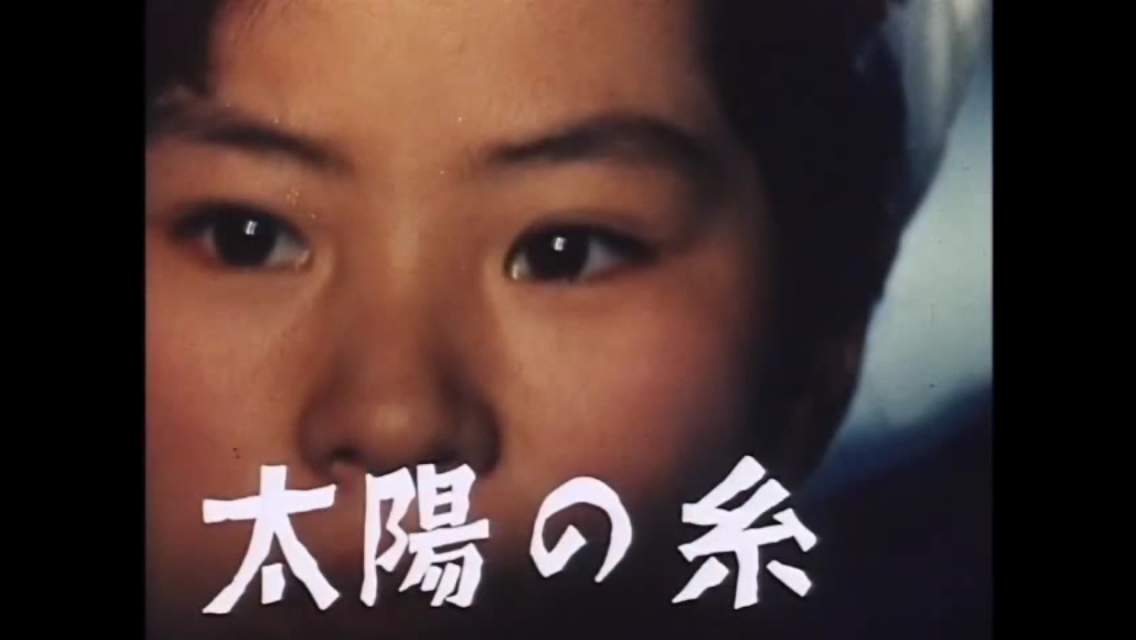
What I’d like to focus on today are two movies made in the 1960s by one of my favourite Japanese filmmakers of the era, Kuroki Kazuo, a director who before establishing himself as an author somehow associated with the new wave (Silence Has No Wing, Ryōma Assassination among others) was a respected non-fiction filmmaker. On The Science Film Museum webpage it’s possible to watch the PR movie The Solar Thread (太陽の糸) commissioned by the ryon campany Torey, and the more known Record of a Marathon Runner(あるマラソンランナーの記録), shot in 1964, the year of Tokyo Olympics, a defining event for Japan that symbolically ushered the country in the elite of Western and modernized nations.

Even if you don’t understand Japanese, the first minutes of The Solar Thread – co-directed with another big name in Japanese cinema and documentary, Higashi Yōichi – are quintessential sixties: disorienting music, vivid colours palette, free-style editing and a taste for the abstract and the experimental that was still alive in the Japanese documentary scene of the time. Here the movie:

http://www.kagakueizo.org/movie/industrial/72/

As for Record of a Marathon Runner, there are various articles dealing with it online, I would recommend at least this long interview with Kuroki. Record of a Marathon Runner represents, for different reasons (subject tackled, overall tone, and music used), the negative, the other side, of the Olympics official discourse that was pushed by the mainstream media at the time:

http://www.kagakueizo.org/create/tokyo-sinema/79/

Motohachi Seiichi’s new documentary『アラヤシキの住人たち』


Motohachi Seiichi is a photographer and documentary filmmaker whose works and activity and I’m referring here especially to his achievements in non-fiction, although presented at international film festivals, have not yet reached the audience and the recognition they deserved, in my opinion of course. 


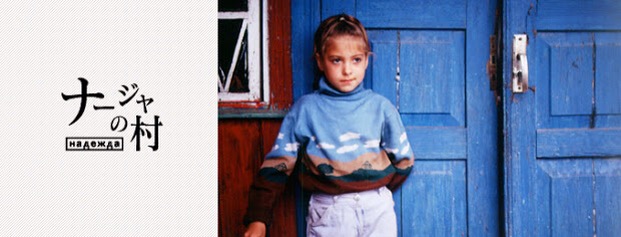
He’s the author of, among others,  Nadja’s Village and Alexei and the Spring, works screened at the Berlin International Film Festival, but also the producer of other interesting documentaries such as A Village That Changed Into Water (Onishi Nobuo, 2007) or Tale of a Butcher Shop (2013), the latter listed last year by Kinema Junpo in its annual best bunka eiga section. 


His new documentary, 『アラヤシキの住人たち』(Arayashiki no jūnintachi)  will open in some selected cinemas in Japan on May 1st and was shot during a year at the Kyodo Gakusha farm, a cooperative community which hosts people from a variety of backgrounds such as mentally disadvantaged persons or who are tired of the city life. Raising animals, growing vegetables and making cheese with ecological and organic methods, staying in this community means for its people also exploring a different style of living. It seems a documentary worth mentioning and following for a series of reasons, the topic of course but also the style adopted, at least from what we can glimpse from the trailer, is a move “back” when documentary in Japan meant to be first of all a visual work and the filmmaker cared about framing, light, editing etc. and wasn’t just a branch or a development of video journalism…..

Satō Tadao’s best documentaries of all time

IMG_3659

Satō Tadao is without any doubt one of the most renowed film critics and theorists living and working in Japan today with a career spanning more than 50 years, a scholar also known and respected in the West through the translations of his writing and some of his books. In the last year Sight & Sound poll – the greatest documentaries of all time, Satō was one of the voters, here are his picks:

Nanook of the North (1922)
Robert Flaherty

The Effects of the Atomic Bomb on Hiroshima and Nagasaki (1946)
Chozo Obata, Sueo Ito, Masao Yamanaka, Dairokuro Okuyama

Night and Fog (1955)
Alain Resnais

Minamata:The Victims and Their World (1972)
Noriaki Tsuchimoto

Kenji Mizoguchi: The Life of a Film Director (1975)
Kaneto Shindo

Echigo Okumiomote (1984)
Tadayoshi Himeda

The Emperor’s Naked Army Marches On (1987)
Kazuo Hara

Kabuki-yakusha Kataoka Nizaemon (1994)
Sumiko Haneda

Fatherless (1999)
Yoshihisa Shigeno

Acid Ocean (2012)
Sally Ingleton

IMG_3660

An interesting list through which I could discover some works I had never heard about before like Fatherless and Echigo Okumiomote, it was also a pleasant surprise to see listed, among some “classics” of Japanese non-fiction cinema such as Minamata:The Victims and Their World or The Emperor’s Naked Army Marches, Kabuki-yakusha Kataoka Nizaemon, a work by Haneda Sumiko, a director I’m very fond of and a filmmaker who plays an important role in the history of Japanese documentary.

IMG_3658

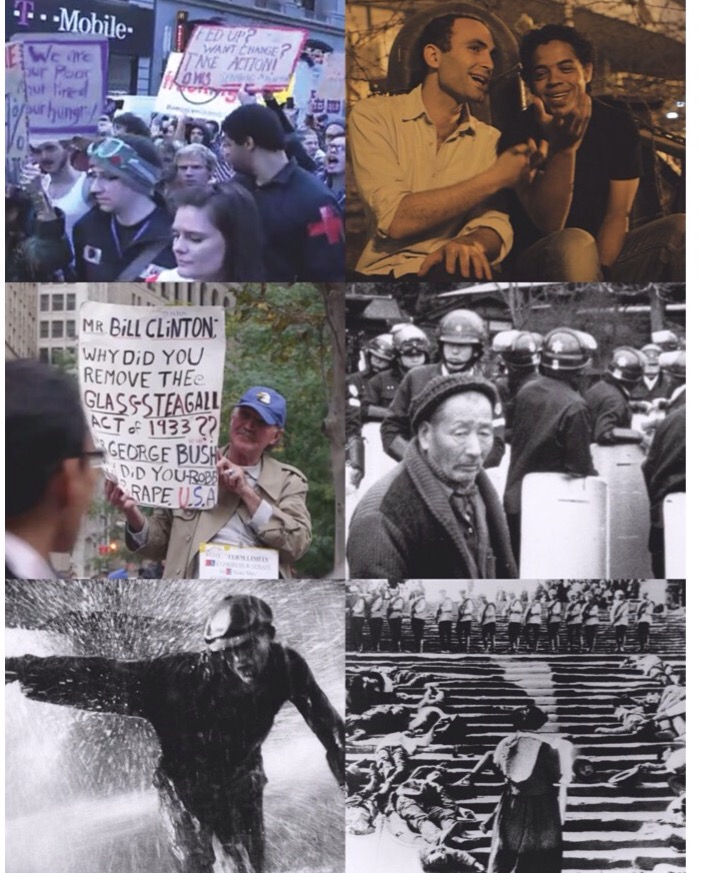
On a not-so-related-note, in the March issue of Sight & Sound a piece on Sergei Loznitsa’s Maidan by Nick Bradshaw opens with a collage of stills from different documentaries on anti-government protests. Among them a still of Sanrizuka: Heta Village (Ogawa Pro, 1973), a nice sign that Japanese documentary is slowly infiltrating (again?) in the international cinematic discourse, at least this is my hope.

Best Japanese documentaries’ poll – results

More than 2 months have passed since I launched the best Japanese documentaries of all time poll, it’s time to wrap things up and to take a look at the results. Thanks everybody for your votes, for your support and for helping me spreading the word. sdgblogBefore digging into this fascinating trip through the history of Japanese non-fiction film, let me add some overall thoughts.
On the negative side, I have to admit that I’m a bit disappointed that I couldn’t get many people to vote, and this is partly my fault, the blog is pretty new and relatively unknown and I’ve been lazy and shy about pushing it through the social networks world. Besides, Japanese documentary is a niche subject inside a niche (Japanese cinema), and there are not so many people interested in documentary film as an art form, so I should have expected this. Many people, most of them cinema professionals, were kind enough to decline my invitation, honestly admitting their lack of knowledge in the field. After all, one of the purposes of the poll was indeed to check how much exposure Japanese non-fiction movies have in the world of cinephiles, so I shouldn’t really complain too much.
On the positive side, I was really surprised by the deep knowledge of the voters, most of them, I have to add, cinema professionals: festival programmers, critics, professors, and so on.
Below you’ll find the list, when possible I’ve added some information about each movie’s availability on DVD/BD.
Thanks again everyone, feedback and comments are, as always, welcomed.

1)Included in their lists by 40% of voters
Extreme Private Eros: Love Song 1974 「極私的エロス・恋歌1974」 (Hara Kazuo, 1974)
Extreme_private_eros_hara_kazuo

Available on DVD (with English subtitles).

2)Included in their lists by 33% of voters
Children in the Classroom 「教室の子供たち」(Hani Susumu, 1954)
children_in_the_classroom_Hani
Available in Japanese in this Iwanami DVD box

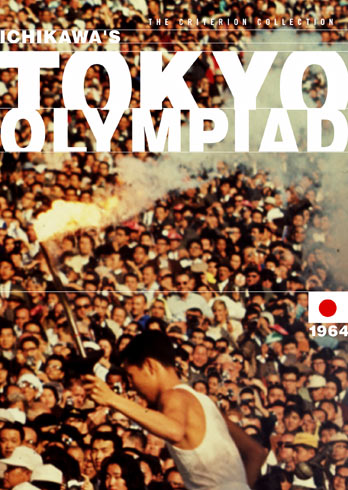
Tokyo Olympiad 「東京オリンピック」(Ichikawa Kon, 1965)
Tokyo_Olympiad_Ichikawa
Available on DVD in Japanese or with English sub, but the Criterion Collection edition is out of print.

Minamata: The Victims and Their World 「水俣 患者さんとその世界」(Tsuchimoto Noriaki, 1971)
Minamata_Victims
Available on DVD with English sub by Zakka Films

The Emperor’s Naked Army Marches On 「ゆきゆきて、神軍」(Hara Kazuo, 1987)
Emperor_Naked_army_Hara_Kazuo
Available on DVD with English sub

3)Included in their list by 27% of voters
Without Memory 「記憶が失われた時」(Koreeda Hirokazu, 1996)
Without_memory_Koreeda
Not available

4)Included in their lists by 20% of voters
A.K.A. Serial Killer 「略称・連続射殺魔」 (Adachi Masao, Iwabuchi Susumu, Nonomura Masayuki, Yamazaki Yutaka, Sasaki Mamoru, Matsuda Masao, 1969)
AKA_serial_Killer
There used to be a VHS in Japanese….

Fighting Soldiers 「戦ふ兵隊」(Kamei Fumio, 1939)
vlcsnap-2015-01-23-09h11m10s188
Available in Japanese on DVD (the quality of the transfer is pretty low though). Here my analysis of the first scenes.

A Man Vanishes 「人間蒸発」(Shōhei Imamura, 1967)
A_Man_Vanishes_Imamura
Available on DVD with English subtitles by Master of Cinema and by Icaruswith 5 bonus documentaries made for TV by Imamura in the 70s (reccomended).

The Shiranui Sea 「不知火海」(Tsuchimoto Noriaki, 1975)
ShiranuiSea_Tsuchimoto
Available by Zakka Films with English sub.

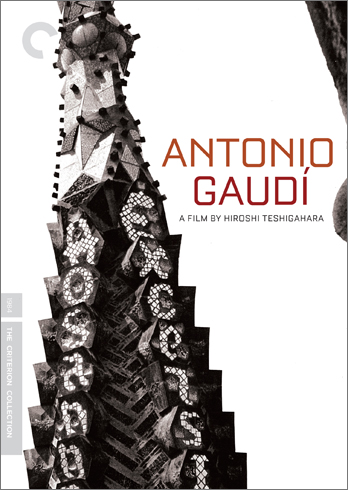
Antonio Gaudi 「アントニー・ガウディー」(Teshigahara Hiroshi, 1985)
antonio_gaudi_teshigahara
Available with English sub by Criterion Collection.

5)Included in their list by 13,3% of voters
For My Crushed Right Eye 「つぶれかかった右眼のために」(Matsumoto Toshio, 1968)
for-my-crushed-right-eye
The work is in the Matsumoto Toshio DVD collection – volume 2 – released by Uplink (now out of print?) in Japanese.

Goodbye CP [さよならCP] (Hara Kazuo, 1972)
Goodbye_CP_Hara_Kazuo
Available with English sub by Facets Video.

Narita: Heta Village 「三里塚・辺田部落」(Ogawa Production, 1973)
IMG_1328
Not available on DVD or VHS

God Speed You! Black Emperor 「ゴッド・スピード・ユー!」(Yanagimachi Mitsuo, 1976)
godspeedyou_emperor
Available in Japanese on DVD (used and expensive).

The Cherry Tree with Gray Blossoms 「薄墨の桜」(Haneda Sumiko, 1977)
vlcsnap-2015-01-28-21h24m04s10
Available on DVD (only in Japanese) by Jiyū Kōbō or in this Iwanami Nihon Documentary DVD-BOX

Magino Village – A Tale / The Sundial Carved With A Thousand Years of Notches 「1000年刻みの日時計 牧野村物語」(Ogawa Production, 1986)
magino1
Not Available

Embracing 「につつまれて」(Kawase Naomi, 1992)
Embracing_Kawase_Naomi
Available in Japanese with English sub in this DVD-BOX

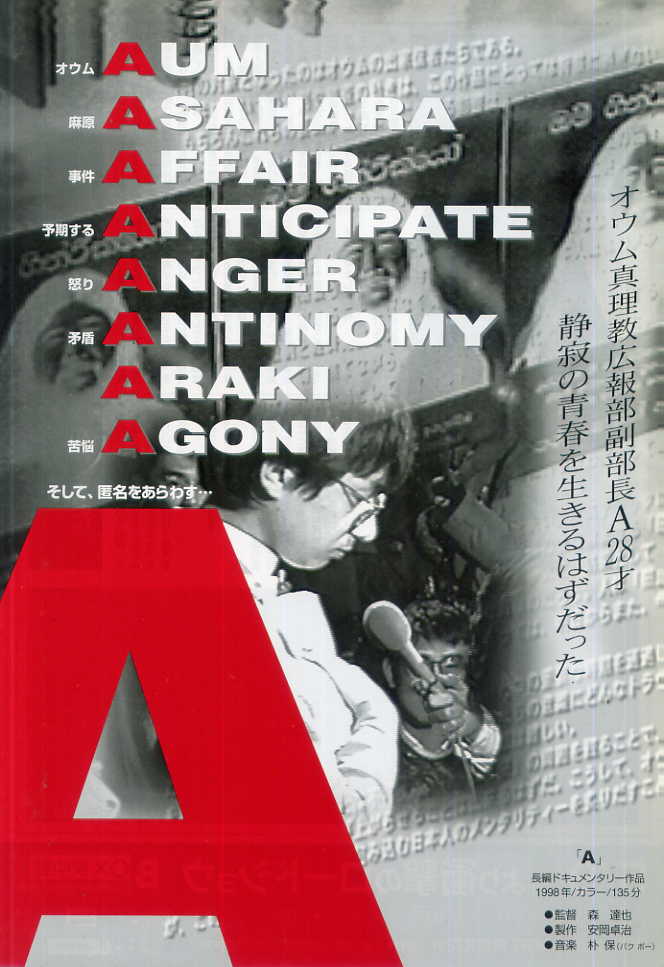
A (Mori Tatsuya, 1998)
A_Mori_Tatsuya
Available with English sub by Facets Video

The New God 「新しい神様」(Tsuchiya Yutaka, 1999)
IMG_3593
Available on DVD in Japanese

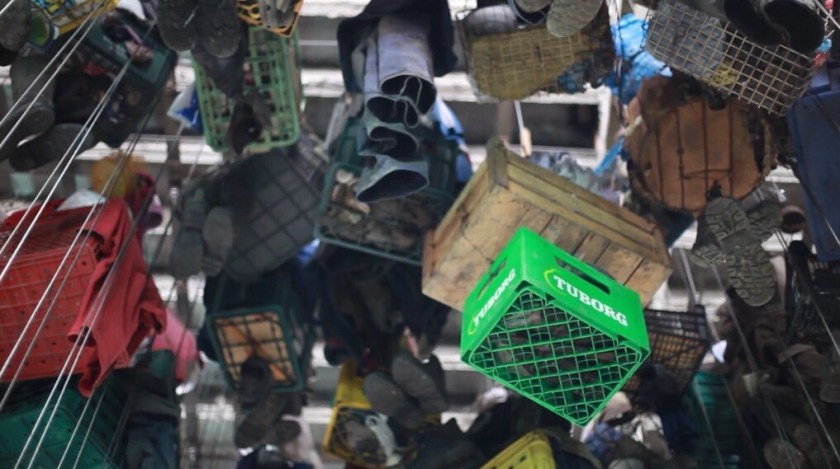
Memories of Agano (阿賀の記憶, 2004 Satō Makoto)
IMG_0105
Available on DVD with English sub by SIGLO.

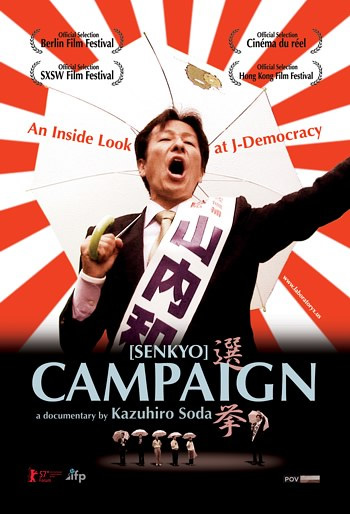
Campaign 「選挙」(Sōda Kazuhiro, 2007)
Campaign_Soda_Kazuhiro
Available on DVD with English sub.

Fighting Soldiers 「戦ふ兵隊」(Kamei Fumio, 1939) 

Kamei Fumio’s Fighting Soldiers is a defining work in the history of Japanese documentary, possibly one of the first non-fiction works made in the archipelago to have a very distinctive authorial touch, to the extent that it is often referred to as the “first Japanese documentary”.

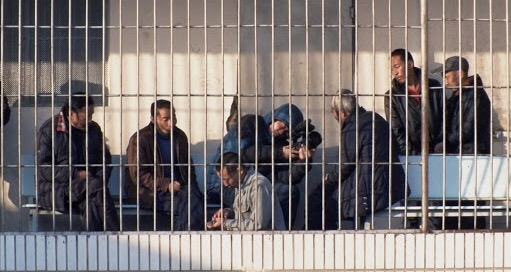
In 1939, on behalf of Toho (PCL had changed its name to Toho just three years earlier), Kamei and cameraman Miki Shigeru went to China to make a propaganda documentary, or rather a war record, about the Japanese Imperial troops involved in the ongoing invasion of Manchuria. However, Kamei made something very different from what the government and the army expected, and the film was immediately banned from release. What the authorities particularly disliked was the portrayal of the soldiers, and also the depiction of Chinese casualties. As the head of the Japanese Metropolitan Police Board famously remarked at an advance screening: “These aren’t fighting soldiers, they’re tired soldiers!” .

I’m going to focus on the first 5 minutes of the film, one of my favourite openings in Japanese cinema and a powerful example of Kamei’s use of montage, a “method of philosophical expression” that the Japanese director so beautifully explained in his book Takakau eiga:

I think documentary film must be like haiku. If the viewer observes something with shot A, then shot B must produce the space for the viewers to freely develop their own creative possibilities. Shot B, therefore, demands a new observation by the viewer. Shot B is what i call the MA of documentary film.
(quote from “The Flash of Capital” Eric Cazdyn, pag. 64)

Kamei was obviously and directly influenced by Soviet cinema and, in particular, Soviet montage theory, a technique he mastered while studying film in Leningrad (now St Petersburg) in the early 1930s.

You can watch the opening here:

All the following stills are taken from the first five minutes of Fighting Soldiers and are here displayed in chronological order:

(1)

vlcsnap-2015-01-23-09h07m34s210

(2)

vlcsnap-2015-01-23-09h13m01s252

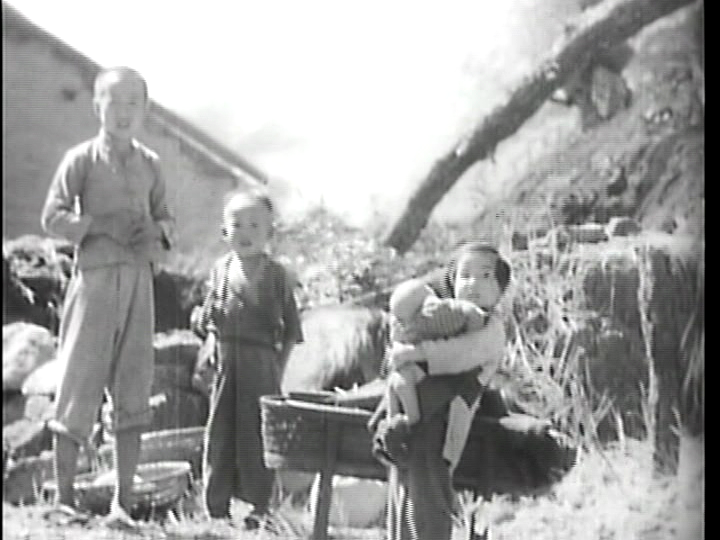
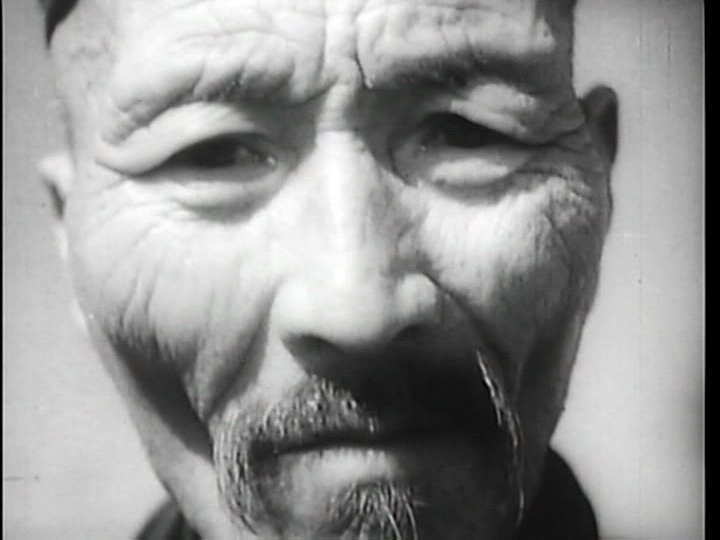
After the opening credits, the film begins with an old man praying in front of a shrine, images of destroyed houses, shots of children staring at the camera (1) and a powerful close-up of the same old man (2).

(3)

vlcsnap-2015-01-23-09h08m29s106

(4)

vlcsnap-2015-01-23-09h08m46s24

(5)

vlcsnap-2015-01-23-09h09m42s79

(6)

vlcsnap-2015-01-23-09h09m53s194

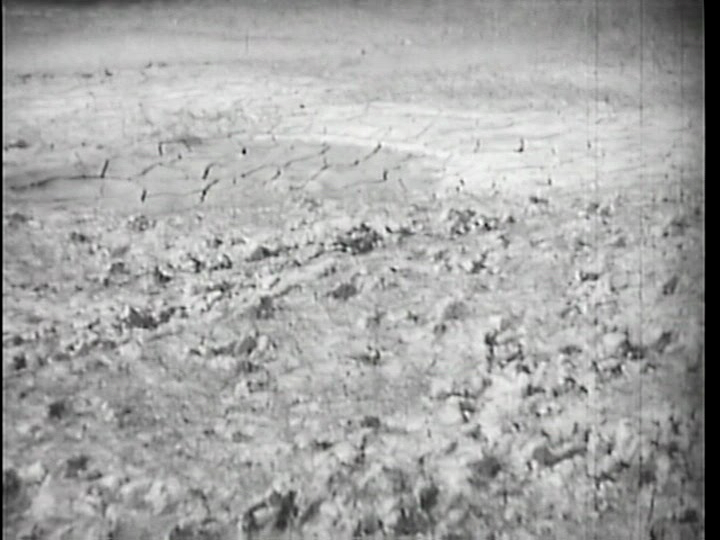
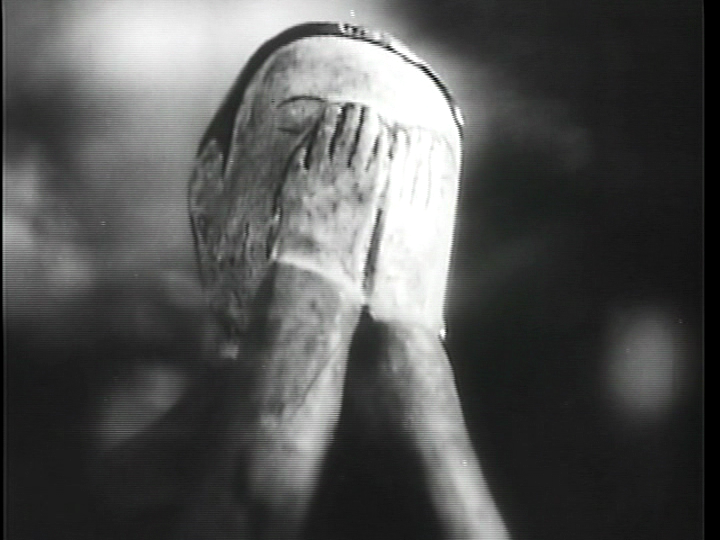
In the next scene, a group of people carrying all their belongings, walk away from the destroyed town (3) through a barren land (4), soon after, the movie cuts to a close-up of a small statue hands on its face, almost frozen in a scream of despair (5). Next we see the same statue from a different perspective with the expanse of dry land on its background (6).

(7)

vlcsnap-2015-01-23-09h10m52s1

(8)

vlcsnap-2015-01-23-09h11m10s188

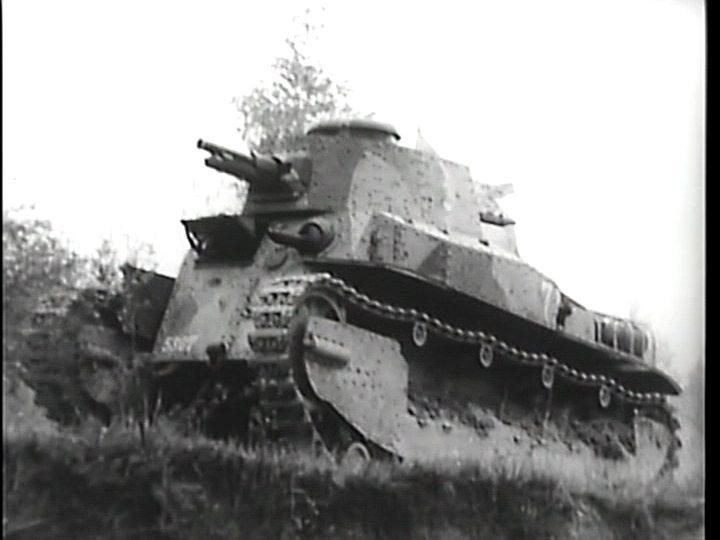
In the next shot we see the departure (or arrival) of Japanese tanks (7) from the land they conquered and destroyed, these war vehicles are seen from a medium distance. Next, in one of the most stunning shots and cuts in the history of Japanese documentary, the point of view shifts and we are now on a tank moving through the ruins of the bombed city. It’s a short tracking shot, and there’s also an amazing close-up of a Japanese flag flapping from the tank, but what we see in the background of the flag is the village reduced to rubble (8).

As a filmmaker, Kamei had the philosophical necessity, paradoxically even though he was making what is still considered a propaganda documentary, to bring to the fore what is usually relegated to the background: the suffering, the grief, the destruction and the loss that every military conflict brings. Because of this inner conflict/dichotomy, Fighting Soldiers is still hated or loved by many viewers and critics, and the film is considered by many critics and scholars to be both a cinematic miracle and an enigma. To make matters worse, in the years that followed, Kamei himself would often repeat and write that what he had made was in no way an anti-war film.
Problematic films, more than perfect ones, encourage us to think about and engage with their themes, they do not offer easy and ready-made points of view or solutions, they keep coming back to us, view after view, challenging our vision. Fighting Soldiers is one of these films, and one of the best to come out of the world of Japanese non-fiction cinema.

It’s a real shame that the film isn’t as well known in the West and that, apart from a cheap Japanese DVD, we don’t have a proper DVD or BD release.

Further readings:

Japanese Documentary Film – The Meiji Era Through Hiroshima, Abe Mark Nornes, University of Minnesota Press, 2003.

The Flash of Capital, Eric Cazdyn, Duke University Press, 2002.
Net

A Talk by Kamei Fumio
The typical genius of Kamei Fumio