Yamagata International Documentary Film Festival 2023. Noda Shinkichi, Trinh T. Minh-ha, Miko Revereza, and more

After the special online edition of 2021 (the in-person event was canceled due to the pandemic), starting from today the Yamagata International Documentary Film Festival is back in its regular format. For a week, October 5-12, the city in Northern Japan will be the capital of non-fiction cinema, with screenings, events, workshops, and meetings on and around the varied landscape of international documentary, with a special focus on Asia. If you want to have a look at the program, check the official page of the festival.

This will be my 5th edition (6th counting the online one), and the main focus for me will be following, as much as possible—but as usual everything changes during the festival—the huge retrospective on the works of Noda Shinkichi (1913-1993). A poet, filmmaker, film theorist, and an important figure to understand the different evolutions and developments of documentary filmmaking in the archipelago during the 20th century. Some of his works (industrial, science, and folklore films) are available on the NPO Science Film Museum‘s official homepage for free; or for rental, on the platform Ethnos Cinema.

この雪の下に Country Life Under Snow (1956), for instance, is a fascinating depiction of the harsh life in a rural area in Yamagata prefecture, while オリンピックを運ぶ Transporting the Olympics (1964), co-directed with Matsumoto Toshio, focuses on the logistics and the behind the scene of the 1964 Tokyo Olympics. How things (boats, yachts, traffic cones, film reels, etc.) and animals (horses, pigeons) were transported from and to the capital.

One of the most relatively known works by Noda is マリン・スノー-石油の起源-Marine Snow – The Origin of Oil, co-directed by Ōnuma Tetsurō, a celebrated science film produced by Tokyo Cinema, sponsored by Maruzen Oil Co., and filmed using Eastmancolor. The short film describes the vertiginous span of time (millennia) in which sea plankton, through decomposition, turns into natural gas and oil. Commissioned by an oil company, and thus partly celebrating the petroleum industry— directly only in its last 5 minutes though—Marine Snow remains a visually astounding piece of science film, flawed by its own design and origin, but astounding nonetheless.
You can watch here the version with an English narration (I prefer the Japanese one, for what it’s worth).

These films are just a fraction of what will be shown in Yamagata, in total the Noda’s retrospective includes 38 works, produced between 1941 and 1991. A Japanese/English flyer with summaries for each film is available here.

I really look forward to learn more about this towering figure in Japanese documentary, also because his contribution to the art of cinema does not stop with filmmaking, but it encompasses also books on the subject. One I’m particularly interested in is 日本ドキュメンタリー映画全史 Nihon dokyumentarii eigashi (1984), a history compiled by listing and analyzing the individuals involved in making documentary films in Japan, from the beginning of cinema to the mid-1980s. Having leafed through the volume, I could see names I had never heard before. I’m excited to discover more.

If I’m not mistaken, this retrospective in Yamagata originates from a special program organized in 2020 at the National Museum of Art in Osaka, an event that was unfortunately canceled because of the pandemic. One of the positive outcomes of this phantom retrospective was the publication online of a series of essays (in Japanese) exploring Noda’s filmmaking and his role in Japanese non-fiction cinema.

Naturally, many more works will be screened in Yamagata, the international competition, for instance, will present Self-Portrait: 47 KM 2020 (2023) by Zhang Mengqi, a friend of the festival who is bringing the newest entry of her ongoing film series shot in her hometown, and What About China? (2022) by theorist and filmmaker Trinh T. Minh-ha. One of my most anticipated works of the festival, the film was assembled using Hi8 video footage shot by the artist about 30 years ago.

New Asian Currents is usually a section that does not disappoint, and in past editions, it was a chance for me to make some big discoveries. This year, one of the threads of the program seems to be a special attention towards Myanmar and the ongoing resistance to the current political situation in the country. Losing Ground (anonymous, 2023), Journey of a Bird (anonymous, 2021), and Above and Below the Ground (Emily Hong, 2023) are some of the titles dealing with the subject. Also in New Asian Currents, Gama by Oda Kaori (I’ve written about it here), and the always interesting Miko Revereza with Nowhere Near (2023).

Other programs of this year festival are Yamagata and Film, Cinema with Us 2023, Film Letter to the Future, Perspectives Japan, Double Shadows 3, and View People View Cities—The World of UNESCO Creative Cities.

Usually the most impactful viewings I had at the festival in the past—at any festival, to be honest—are those that came at me unexpected and that I discovered by chance or by word of mouth. Hopefully it will be the same this year.

Yamagata City designated UNESCO Creative City of Film

The city of Yamagata has just been designated as member of the UNESCO Creative Cities Network for the field of Film, the first in Japan, joining other 116 existing member cities around the world.

As the readers of this blog have heard and read ad nauseam, the city is the place of the oldest, and arguably the most important, documentary film festival in the Asian continent, a place I had the pleasure of visiting several times in the last decade.

It goes without saying that this is great news for the festival and the city itself, and, as many commentators have pointed out, the congratulations should go first and foremost to the people of Yamagata, the volunteers and all the people involved, to one degree or another, in the organization of the festival.

Knowing how much Japanese people
Continue reading “Yamagata City designated UNESCO Creative City of Film”

Yamagata 2017 – day 5 (finale)

October 10th

My last day in Yamagata. The festival will officially wrap up in a couple of days, but there are only a few screenings left and the main part of the festival ended de facto today. It would be a good idea if the organizers could spread the movies a bit more, as the festival is designed now, everything tends to be concentrated during the long week end (Friday to Monday) when film buffs from other part of Japan visit Yamagata.

In the morning I saw Genet in Shatila (1976) by Richard Dindo, long time ago I read the book the movie is based on (Four hours in Chatila) and it was a pleasure to rediscover its poetry and Jean Genet’s attachment to the Palestine cause. The second movie of the day was Here and Elsewhere by J.L. Godard and J.P. Gorin, a turning point in Godard’s career because it trailblazed and anticipated an approach towards the image and the use of it and many stylistic elements that would fully thrive and bloom in his next movies, culminating with Histoire(s) du Cinéma.

The last movie I saw at the festival was The Targeted Island: A Shield Against Storms by Mikami Chie. Although the movie is shot like a TV documentary and I have some other issues with it, it ends with the most powerful final scene I’ve seen in Yamagata this year, a very young female protester and a very young policeman facing each other in silence under the rain. Breathtaking.

I guess that’s all for this year in Yamagata, the festival is always a special experience, even though keeping the quality of the movies selected high is becoming every time more and more difficult.
I’d like to give special thanks to all the people (directors, critics, scholars, film lovers and volunteers) I met and I discussed with during these five days, it has been an enriching experience.

Yamagata 2017 – day 4

October 9th

Today I had to write an article for Il Manifesto about the Politics and Film: Palestine and Lebanon 70s–80, so I could not see as many movies as I’d have liked to. Anyway, the first work of the day was Tremorings of Hope by Agatsuma Kazuki, a movie depicting the struggles of the people of Hadenya, one small community in Miyagi prefecture, to rebuild their lives after the tsunami completely erased their town. It was as I expected, not a bad movie but nothing exceptional or new, definitely too long though.

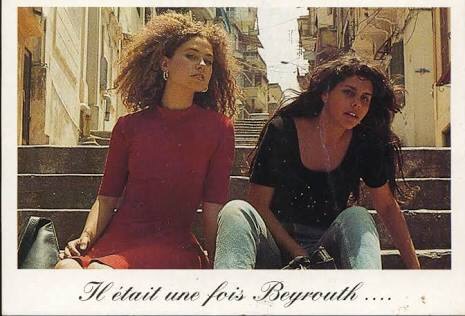
The only other movie I had the time to see was Once Upon a Time in Beirut: The Story of a Star by Jocelyne Saab, a complex interweaving of history and history of Lebanese cinema through the personal and fictional gaze of the director. A mesmerizing, tragic and fun film composed by images taken from Lebanese and not Lebanese movies of the first half of the 20th century. The icing on the cake was a Q & A with Saab herself via Skype.

Yamagata 2017 – day 3

October 8th

In the morning I attended the screening of my favorite documentaries by Satō Makoto, Self and Others and Memories of Agano, the latter just confirmed its powerful impact it has every time on me and its endless rewatchability. In the afternoon the panel with Mark Nornes and Akiyama Tamako, Satō Makoto Seen from Abroad, was very enriching from many different points of view and it cemented my belief that Satō, especially at the end of his career, was more in tune with the international context that the Japanese one.

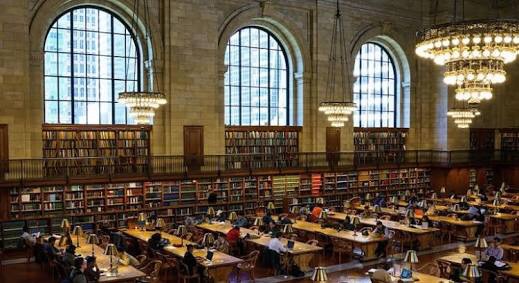
I also had the chance to catch up with Ex Libris—The New York Public Library by Frederick Wiseman, not my favorite of his works perhaps, but still a compelling documentary masterfully constructed. I feel it’s a very American film, all his works are “very American” of course, but this one, just my opinion, can be appreciated more by people who live or have lived in the U.S.

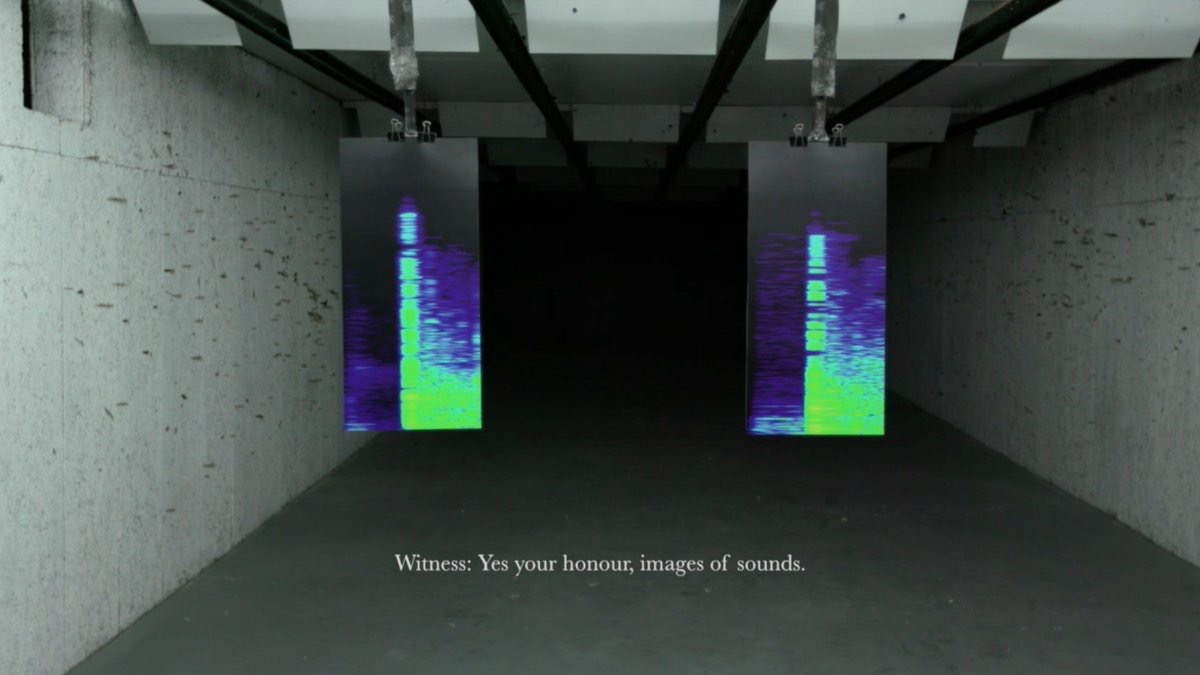
The two night screenings were really different, both experimental, but one a complete let down (Hurrahh! by Jung Jae-hoon) and the other a small and unexpected jewel of a movie. Rubber Coated Steel by Lawrence Abu Hamdan mixes video art, documentary and a strong political stance like few other works have been able to do recently. Time permitting, I’ll write something in the near future.

Yamagata 2017 – day 2

October 7th

Yamagata is a special film event not only because is a filmfest devoted to documentary, but also because is a place where you can meet and talk with a variety of different people. One of the highlights of the first two days for me was the nice and eye-opening conversation I had with Matsumoto Masamichi, Athénée Français Cultural Center’s director, about Carmelo Bene, his cinema and his Terayama Shuji-like status in Italy and France.

For the morning screening of my second day at the festival, I chose In Memory of the Chinatown by Chen Chun-Tien, a movie that confirmed my idea that the Taiwanese documentary scene is at the moment one of the most intriguing and alive in Asia, particularly for its tendency to hybridizing genres and experimenting with form.

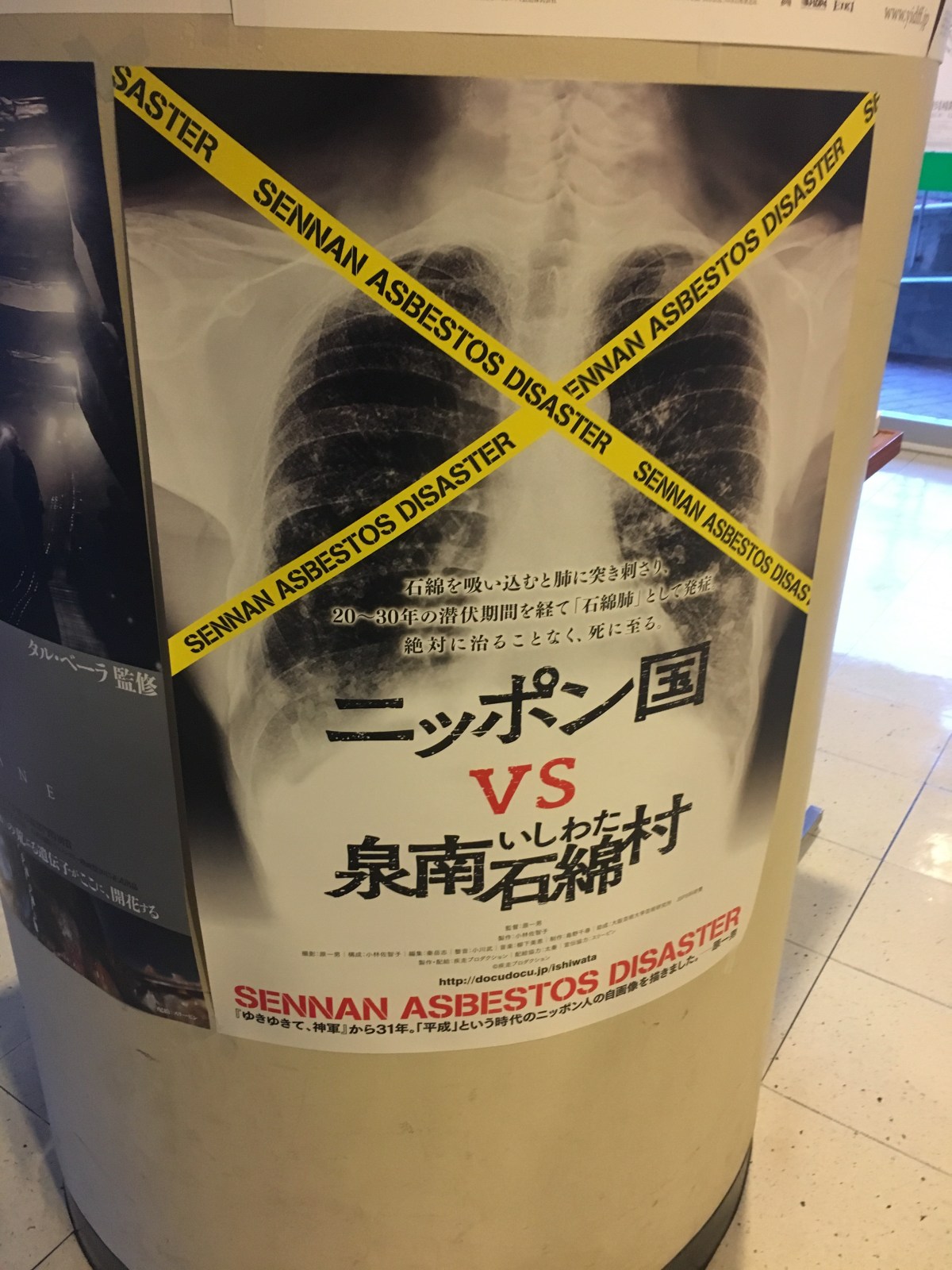
My afternoon screening was Sennan Asbestos Disaster, the latest movie by Hara Kazuo and the first one he shot, for a theatrical released at least, in a very long time. The viewing experience was one of the best I had so far in Yamagata, because I was sitting among the people appearing in the film, those affected by the asbestos pollution. Their comments and laughing aloud during the screening made it a really touching experience.

The last screening of the day I attended was dedicated to the short experimental films made by the late Matsumoto Toshio. The selection included

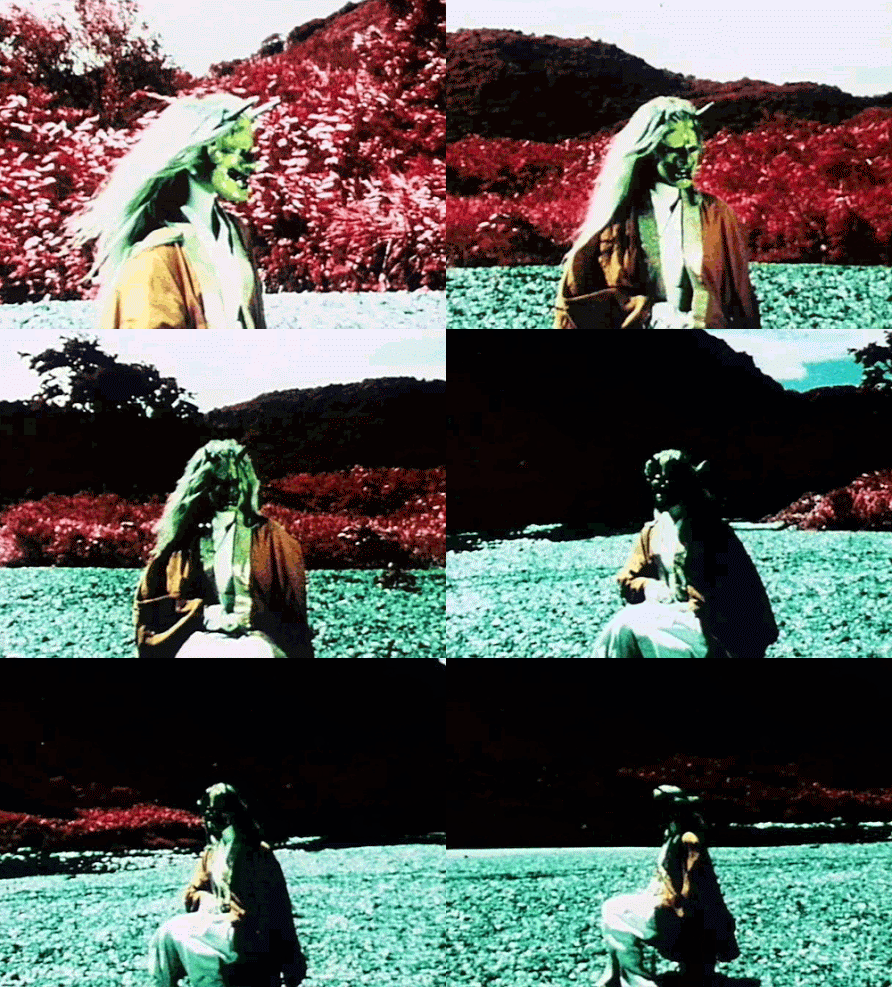
Mona Lisa, Atman, Everything Visible Is Empty, White Hole, Relation and Sway. Seeing them on the big screen and in 16mm was amazing, especially Atman was a hallucinatory trip. The screening was followed by a talk by Takashi Ito, who explain his relationship with Matsumoto and revealed some interesting and unknown fact about Atman (the diagram for shooting the movie designed by Matsumoto looked like a mandala, the person wearing the hannya mask was in fact a mannequin and the movie was shot using infrared film).

Yamagata 2017 – day 1

October 6th

Arrived this morning in a gray, cloudy and a bit chilly, but not too much, Yamagata. My first day at the festival was welcomed by the screening of Funeral Parade of Roses, and it could not have been otherwise, this is the first edition of the festival without Toshio Matsumoto and attending the screening of a movie I’ve seen so many times, but never on the big screen, was almost a duty and my way of paying respect to the great director.

Funeral Parade of Roses was followed by Cats, Dogs, Farm Animals and Sashimi, the story of Dondon, a boy “trapped” in a rural area of the Philippines from one dead-end job to another. The movie is directed by Perry Dizon a member of Lav Diaz group, for which he often works as an actor.

For the afternoon/evening slot I’ve opted for the documentaries made by Jocelyne Saab during the 1970s about Lebanon and Beiruit instead of Ex Libris, the latest from Wiseman that I’ll catch the day after tomorrow, and the decision turned out to be a bliss. The early works by the Lebanese director and former journalist are a rarity, unfortunately Saab wasn’t able to attend the festival, some health issues kept her in Paris, but the movies were an absolute revelation. Part essay-films and part a personal view of the horrors perpetrated to Beirut and Lebanon between from the breaking of the civil war in 1975, the three movies, Beirut Never More (’76), Letter from Beirut (’78) and Beirut My City (’82) are also a deep reflection on identity, memory, and the meaning(less) of images in war. Saab, especially in the first and third documentaries, tries, I am here paraphrasing the words spoken in the last film, to capture the reality of war, its horror and tragedy, paradoxally before it could cristyllize in images, consequently becoming something different and detached. I’m still elaborating the impact that these works had, and are still having, on me; once the festival is finished, I’ll try to write something.

Documentary film festivals in East Asia

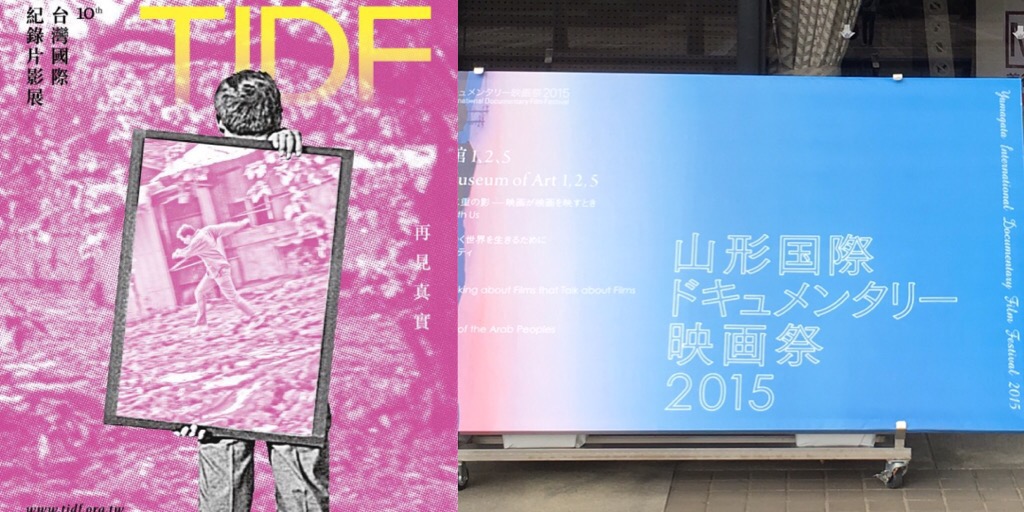
Surfing through the internet in search of information and publications about documentary in East Asia, I’ve stumbled upon what seems to be an interesting and original dissertation.”Extending the local: documentary film festivals in East Asia as sites of connection and communication” is a thesis written in 2012 by Cheung Tit Leung at Lingnan University and, as the title suggests, it’s a study about the importance of East Asian documentary film festivals for the development, nurture and distribution of Asian non-fiction cinema, and Asia in general, across the globe. The author focuses his attention on four film festivals in the region, arguably the most important ones, the Yamagata International Documentary Film Festival (Japan), the Documentary Film Festival China (China), the Taiwan International Documentary Festival (Taiwan) and the Hong Kong’s Chinese Documentary Festival (Hong Kong). 
I’ve read a dozen of pages so far and I have to say that the topic is really fascinating, more than I expected; whether or not you’re into Asian cinema, this thesis is an important piece to the relatively new field of Film Festival studies, but also one that explores the connections between cinema and a region, East Asia, seldom analysed on specialist periodicals or inside academic circles. 

Your can legally download and read the thesis here.

Under the Cherry Tree (Tanaka Kei, 2015)

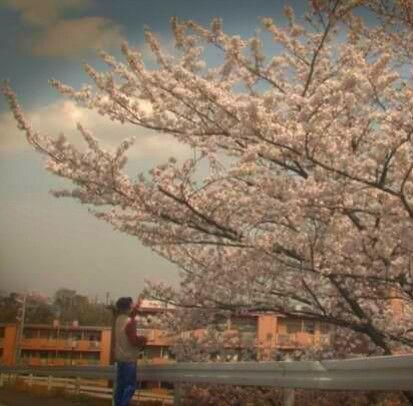
Under the Cherry Tree (桜の樹の下)  is the feature documentary debut of director Tanaka Kei, a work that follows the lives of the elderly residents of a public housing complex in Kawasaki. The movie had its premiere last October at the Yamagata International Documentary Film Festival (Perspective Japan) where I had the chance to see it.

Under_the_Cherry_Tree

From the opening scene the film reveals its touch, low-tech and anti-spectacular in style, with a pretty straightforward approach, even though there are some formal choices that tend to be elliptical, I’ll come back to it later. Through her camera Tanaka gives voice to the elderly living in the building, focusing especially on four of them whom, during the 92 minutes of the movie, we slowly get to know and attached to. They all tell stories of solitude, each of them of course has a diverse background and even comes from different areas of Japan. Recollecting their past and the reasons for their present condition, a life on the edge of poverty, is a sort of candid confession that each of them is not afraid to make in front of the camera.  In the chatting with the director what strongly emerges is a sense of impending death, a common horizon that feels very near, and yet seems to be accepted and sometimes even anticipate as a sort of deliverance particularly from one elderly lady. Enveloped in their loneliness, the only sparse moments of comfort for these people are represented by the weekly meetings with the care staff or other various recreational activities organised in the neighborhood.
There’s a big cherry tree near the housing complex, often we see these old people taking a stroll, passing under it and stopping to contemplate its flowers, one of the few bursts of beauty coloring their lives and the visual element that gives the movie its title.
As gray as it might seem, the documentary is not only and always a bleak depiction of lives without hope, on the contrary and on a deeper level, is more an act of understanding and acceptance of what it means to become old in a society that doesn’t really know what to do with its old population. To lighten up the mood there are here and there some comic moments, especially when the two old ladies, one of them has also mental problems and lives in a flat piled with garbage, visit each other, chat and quarrel. Renouncing the classical narration in favor of intertitles and written texts to introduce the four protagonists is a perfect choice by the director, as a result the movie is smooth in its flow and doesn’t feel redundant or pathetic, gaining instead a matter-of-fact quality that is one of the best traits of the movie.

Under the Cherry Tree perfectly situates itself in a recent trend of Japanese documentary, a trend that has become almost a sub-genre, exploring and depicting the population ageing in Japan by focusing on personal lives of few individuals. A demographic trend that will dictate the political and economic decisions for years to come, Under the Cherry Tree goes together with Walking With my Mother,  Everyday Alzheimer 1 and 2 as one of the best examples of this unavoidable turn that Japanese non-fiction and Japanese society in general is undertaking.


Yamagata Doc Film Fest, report – day 2

  
Here I am after my second day in Yamagata, a less intense one compared to yesterday, but nonetheless an eventful day (Oct 11th). 

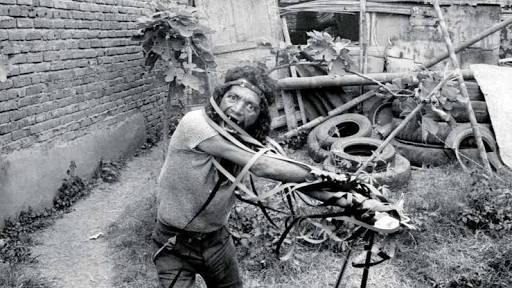
My day kicked off in the motning with 2 shorts by Luis Ospina, shot in collaboration with Carlos Mayolo, Listen, Look (1972) his debut and The Vampires of Poverty (1978), it is the last  one that impressed me more. Partly parody, party documentary and partly mockumentary, the movie satirises a certain way of making cinema and TV that exploits the poor, a tendency to use the less fortunate to prove a pre-established political or social theory. Very creative in the way it’s constructed, Ospina mixes color and B&W photography, funny, improvised, but also scripted in some of its parts, overall it was a refreshing experience for me. The discovery continued with the afterscreening talk, when Ospina elaborated and explained a bit more about the movie, the so-called Cali group in Colombia and the concept of poverty porn, he also talked about how he was ostracised in Latin America by the Marxists and the left after the mivie was released.You can watch many of his movies (legally and for free) on his homepage, here

The afternoon started with a short (30′) from Myanmar, When the Boat Comes In by Khin Maung Kyaw, a depiction of a small fishermen village and its difficulties to survive, a situation that worsened when the government  decided to issue a one-month fishing ban. An interesting exploration of the daily life of the villagers and their unhappiness, had the documentary been longer, it would have probably beneficiated in term of quality and depth, hopefully the director will expand it into a longer version one day.
The third movie of the day was Trip Along Exodus by Hind Shoufani, the daughter of a famous politician and revolutionary Palestinian who after fighting for many years for the liberation of his land , decided toabandoned the scenes and live in Syria, far from his family and relatives.
The work is made as a diary-movie, the director talks with his father, asking him questions, in person or by phone, and trying to bridge the gab between the two, the man has been always more interesting in the revolutionary cause than in his family. It’s a “pretty” movie, in the sense that it uses some cute animation here and there to cheer up the somber tone of the film, and also the sense that is more a personal movie than a political one. 
The day ended with the weakest work of all, PYRAMID: Kaleidoscope Memories of Destruction by Sasakubo Shin, a wanna-be experimental documentary shot in 8mm, to which I couldn’t connect at all. The music was good but it seems to me more a sort of long music video than an attempt to create something more concrete. 

Like every day, from 10 o’clock at night, almost everybody went to Komian, a sort of nomiya where directors, film-lovers, journalists and whoever else meet, talk and drink until 2 or 3 in the morning, a very special place that makes Yamagata even more unique.