
The Covid-19 and the consequent pandemic has also been affecting the film festival circuit around the globe, with many festivals forced to cancel their events, postpone them or moving the screenings online. As bad as the situation is (first world problems of course), this shift in the showing practice, we all hope it’s a temporary solution, gave me the chance of “attending” the virtual edition of a couple of film festivals that under normal circumstances I wouldn’t have been able to be at. The Udine Far East Festival and the Cinema Ritrovato in Italy, and more recently the EXiS Film Festival in South Korea, and the Yubari International Fantastic Film Festival here in Japan. Below are some thoughts about a couple of documentaries I had the opportunity to watch at these events.
Toro Axe Part 3: All Things Change (2012, 35′) is Matsumoto Toshio last work, a collaborative video project produced by Sano Gallery initially in 2009, in which six co-writers would participate and create an omnibus film. At first, Matsumoto was not supposed to be involved too much in it, but in 2011 the Great East Japan Earthquake and the consequent nuclear disaster had such a strong impact on him, that Matsumoto decided to change the shape of the project. This new work became a trilogy titled Tōrō no ono, the third installment, All Things Change, was screened at this year EXiS Film Festival (online).
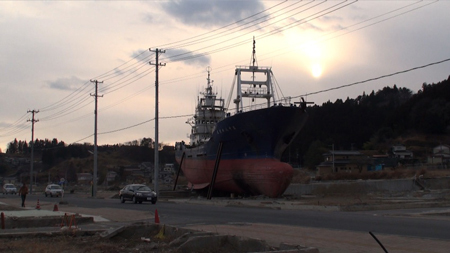
The origin of this project was the experience of the horrific disaster (earthquake and nuclear accident) that took place in 2011. This event was so powerful that it changed the way humans see and value things. If we don’t look directly at at the fundamental way death and life are entangled, we will not be able to move forward. For this reason, this visual work became even more disorganized and destructive than “Pilgrimage into Memory” the second installment, containing all different sort of noises and creating a dissonant vortex of chaos. (Matsumoto Toshio)
The film consists of videos shot and produced by 5 artists, Tanotaiga, Inaki Kanako, Oki Hiroyuki, Kunito Okuno, and Tanaka Tanako, blended together by Matsumoto, an attempt, according to the director himself, to get rid of the individuality of the artist, and to create or to move towards an anonymous subjectivity. His last involvement in a visual work as a manipulator of images is the perfect sum of his career, everything he made and worked on during his life resonates throughout this collaborative film, from his early preoccupations about the filmmaker/image maker’s subjectivity, to his interest in the process of the creation of moving images.
The first five minutes are almost like a work by Makino Takashi, colours and particles in motion that leaves room, in the rest of the movie, to a more traditional video documentary about the triple disaster of 3.11. The interest of Matsumoto and his collaborators towards the pullulating life (worms, flies, but also a new born baby) among the landscape of death of the ruins and wreckage left by the tsunami, is as disturbing as it is fascinating. The endless pulse of life, life here considered in its broader meaning encompassing also death and destruction, is not only conveyed through the scenes of swarming insects and the arrival of a new life to this world, but also, in pure Matsumoto style, is embedded in the plasticity and throb of images.
The title is fascinating in itself too, 蟷螂の斧 (tōrō no ono) is a maxim signifying a futile endeavor like a “mantis brandishing a hatchet”, while mujō of the title of the installment, 万象無常 (banshō mujō) All Things Change, is the Buddhist anitya meaning impermanence, and banshō signifies all the creation, the universe.
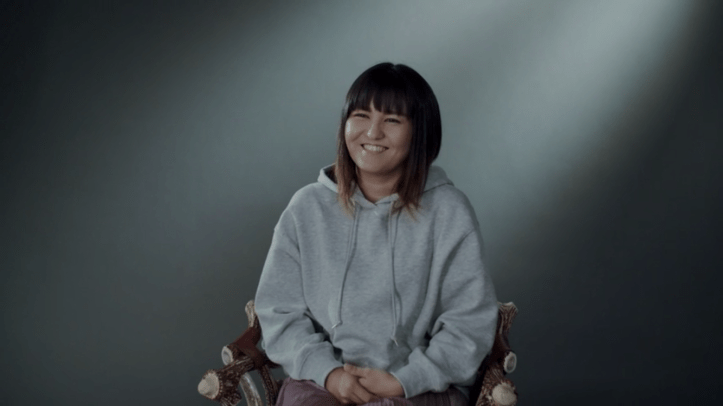
Ainu My Voice アイヌ, 私の声 (Tomida Daichi, 2020) was presented at the Yubari International Fantastic Film Festival (online) section dedicated to women’s empowerment, a collection of shorts dealing with the lives of female subjects, a wide and diverse range of subjects, in contemporary societies.
Shot and composed like a TV commercial, after all it was produced by the fashion magazine MINE, the movie is nonetheless an interesting dive, albeit short ça va sans dire, on a young Ainu woman who is trying to make sense of her life and her belonging to a minority group in contemporary Japan and beyond, in the course of the film she also visits a tribe of native Indians in America. You can watch, legally, Ainu My Voice here.
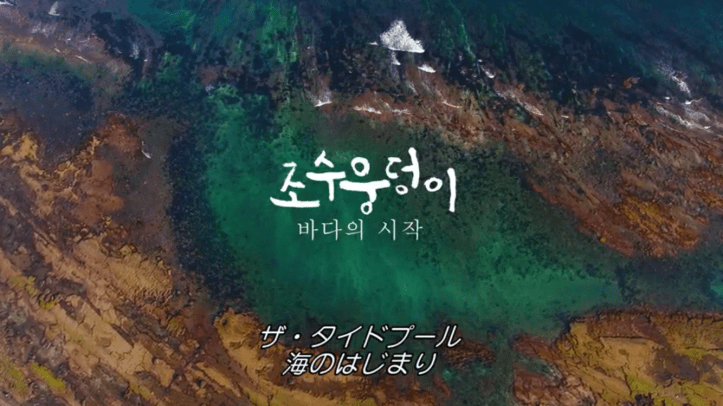
The Tide Pool: Where the Ocean Begins (Lim Hyung Mook, 2019) is a movie about the tide pools in Jeju island, South Korea, and their complex ecosystem. As the official description says “A tide pool is an isolated pocket of seawater found in the ocean’s intertidal zone (…) areas where the ocean meets the land: from steep, rocky ledges to long, sloping sandy beaches and vast mudflats.”
An above-average documentary about marine life that is elevated by a stunning photography and a smart use of music. A very “traditional” science documentary, make no mistake about it, with narration, explanations, and an educational purpose at its core, but the images are so beautiful and the colours so popping that it is easy to understand why it was included in a festival about the fantastic.
I’m cheating a bit here, The Dawn of Kaiju Eiga (Jonathan Bellés, 2019) is not properly speaking a documentary produced or made in Asia, but nonetheless it is about a very Japanese phenomenon, the Kaiju eiga. Bellés explores the connections between the advent of Kaiju movies, especially Godzilla, and the horrific history of Japan and atomic bombs. Nothing special and nothing new for an average but well-informed Godzilla fan, but if you’re new to the subject, it might work as a portal. As already noted by many reviewers, while there are some interesting interviews with people who worked for the Godzilla franchise throughout the decades, the lack of images from the movies ruins the enjoyment of it (the movie is made almost completely of interviews). It is by no means the director’s fault, Tōhō and more in general Japanese movie companies are famous for their closure of mind in regards to the usage of images from their works (unless you pay of course, pay a lot).



 Asian Docs