Wrapping up March and the first 3 months of 2021 with some of the most interesting non-fiction works I’ve watched this year so far.
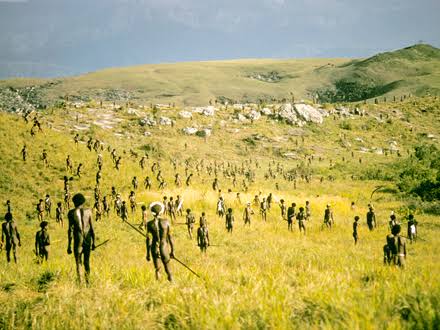
Dead Birds (Robert Gardner, 1963)
I discovered the existence of the movie through Expedition Content, thus I watched it and experienced it knowing what was behind it, colonial gaze and everything else that comes when a movie is constructed to fit a certain, problematic to say the least, view of the world. That being said, some of the images used are so powerfulーI’m here referring especially to the long shots of the battles between the two tribes, or the children washing the intestine of a pig in a river ーthat they escape the film own narration and the conceptual framing of the work. The movie is available here.
The First Emperor (Hara Masato, 197?)
From IFFR:
In 1971, Hara Masato and a group or actors started shooting his 16mm film, The First Emperor, based on an old Japanese book about history and myths that is known as the Kojiki (‘Record of Ancient Matters’). He did not finish the film. A year later, he started filming again with a small Super8 camera, all on his own, now intending to make some shots of the locations he had not previously been able to film. On the way, he reconsidered his ideas and realised that the myths could not be found anywhere outside and were not filmable in a material sense, but that they were located in cinema itself or in the making of cinema. He decided that recording his hunt for locations was the best way to finish The First Emperor, in which the Japanese myths could also serve as material. The smallest universe known as cinema corresponds with the universe of telling myths about Creation. This is a travelogue by the film maker himself and a film about film, while it is also a myth about film.
There are many iterations of this “movie”, the work completed by Hara in 1973 was 7 hour long, and there are later versions of 4 and 2 hours. A decade or so ago, I saw a 7 hour version (not sure if it was the first version), with live accompaniment by Hara himself, few years ago the 4 hour long, and last month the restored 2 hour edit (two-screen version). The latter is for me the best, a lysergic trip into the fabric of filmmaking and memories, and film as memory. Hara and his works is something that should be explored more—not only in connection with the so called Japanese new wave, he co-wrote Ōshima’s The Man Who Left His Will on Film, and the concept of fûkeiron (landscape theory) in film, to which this movie certainly belongs —but also as a unique filmmaker who works “outside” of cinema as traditionally conceived, in a liminal space formed between personal cinema and amateur filmmaking.
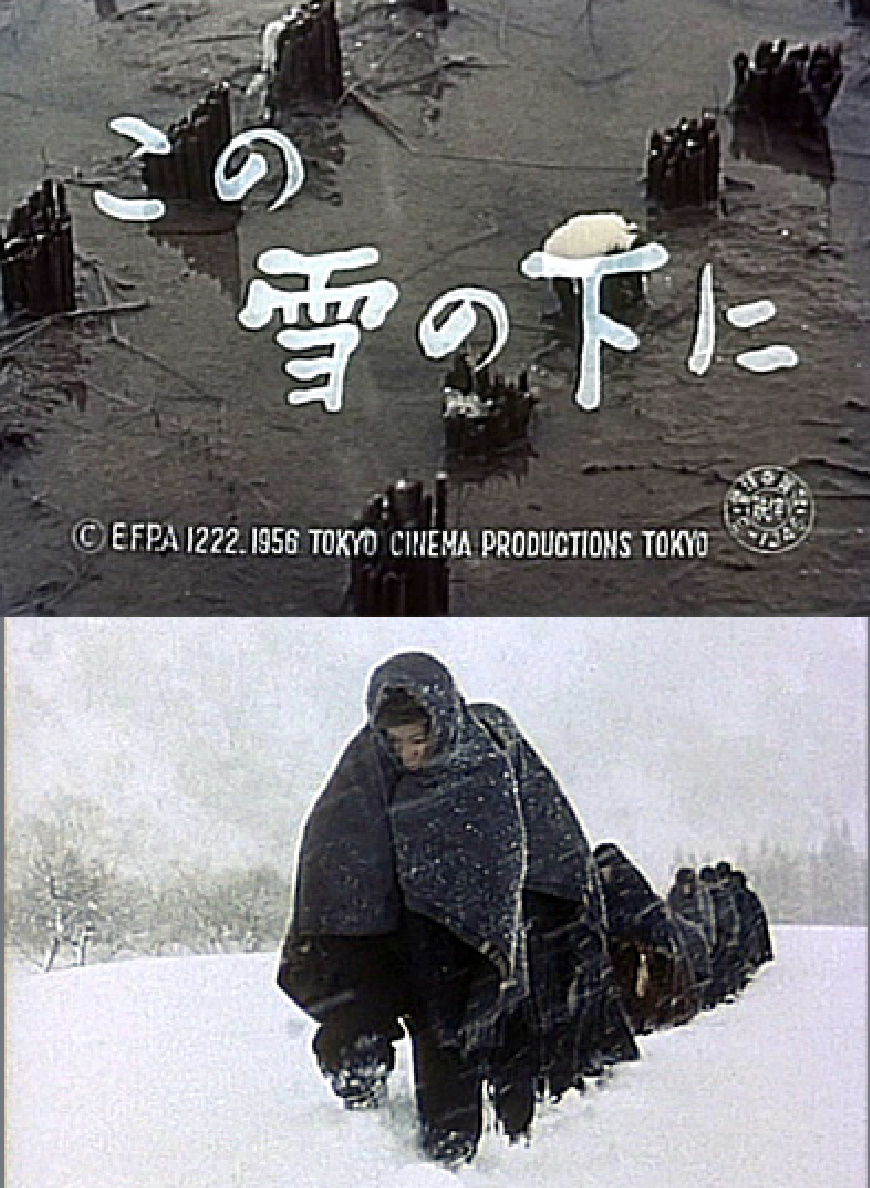
Japanese science and PR films are a well of discoveries, particularly those produced in the late 1950s and 1960s, when many directors who later would have become big names, started their career working in this genre. In the last past months I’ve had the chance to watch a couple of shorts directed by Noda Shinkichi, a director, poet, theorist and producer who was affiliated and collaborated with, among others, Matsumoto Toshio, and who was a central figure in the development of documentary in Japan.
Country Life Under Snow この雪の下に (1956) is a fascinating depiction of the harsh life in a rural area in Yamagata prefecture, while Transporting the Olympics オリンピックを運ぶ (1964) is a documentary about the logistics and the behind the scene of the 1964 Olympics. How things (boats, yachts, traffic cones, film reels, etc.) and animals (horses, pigeons) were transported from and to Tokyo. Directed by Matsumoto and Noda, the film was part of the official coverage of the event, but the two crafted an interested filmic object nonetheless (the classic music used, for instance, reminded me of the Japanese new wave). The work tells us that without the people working behind the scene, such a big scale events would not be possible.
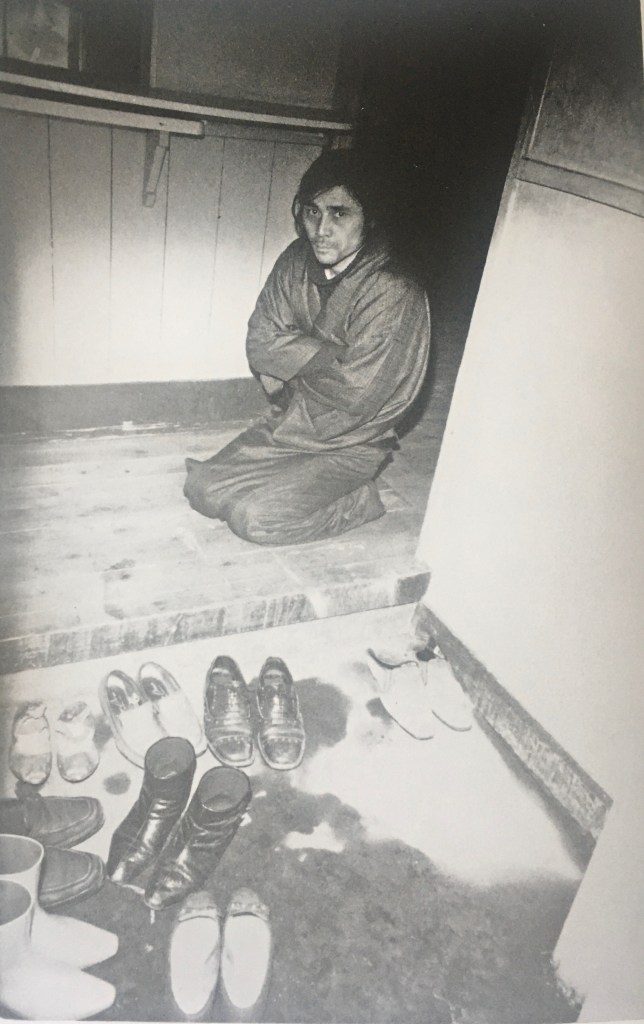
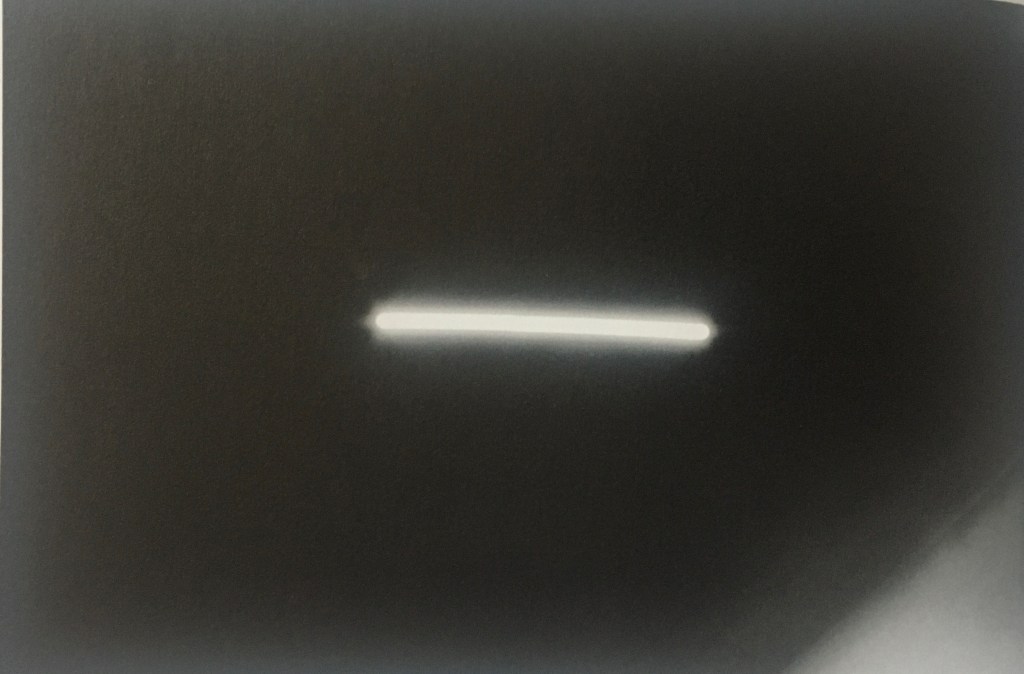
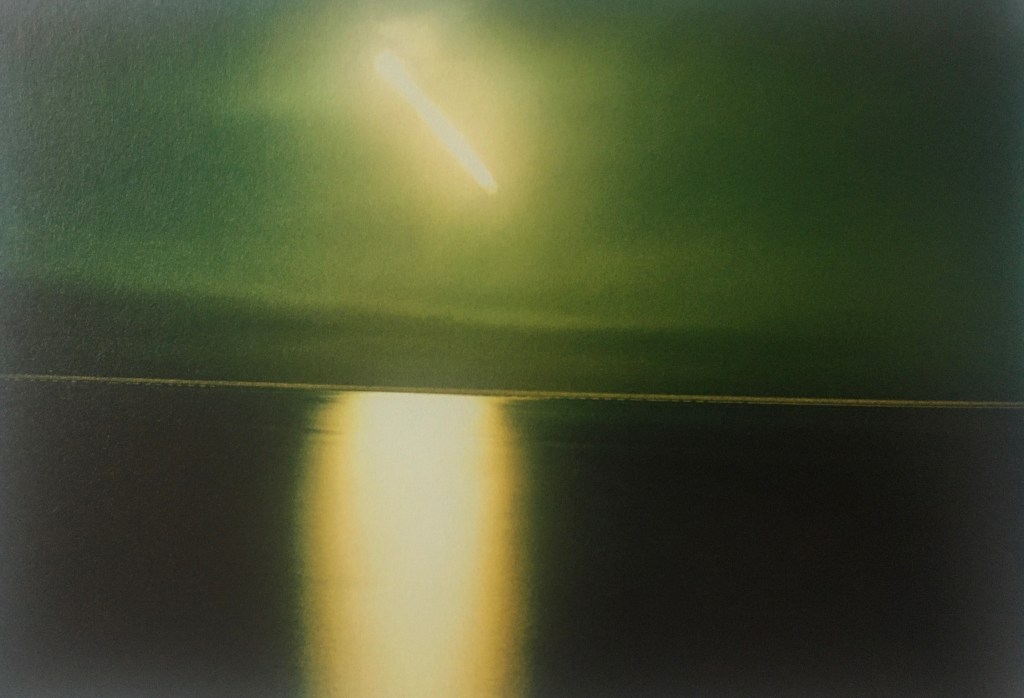
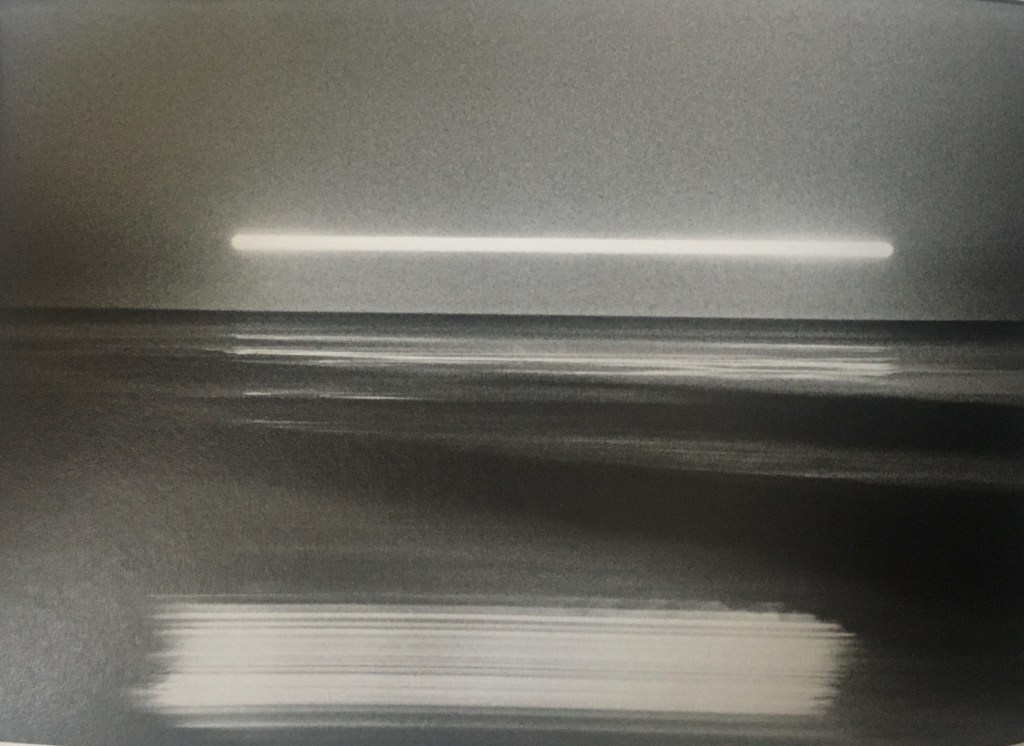
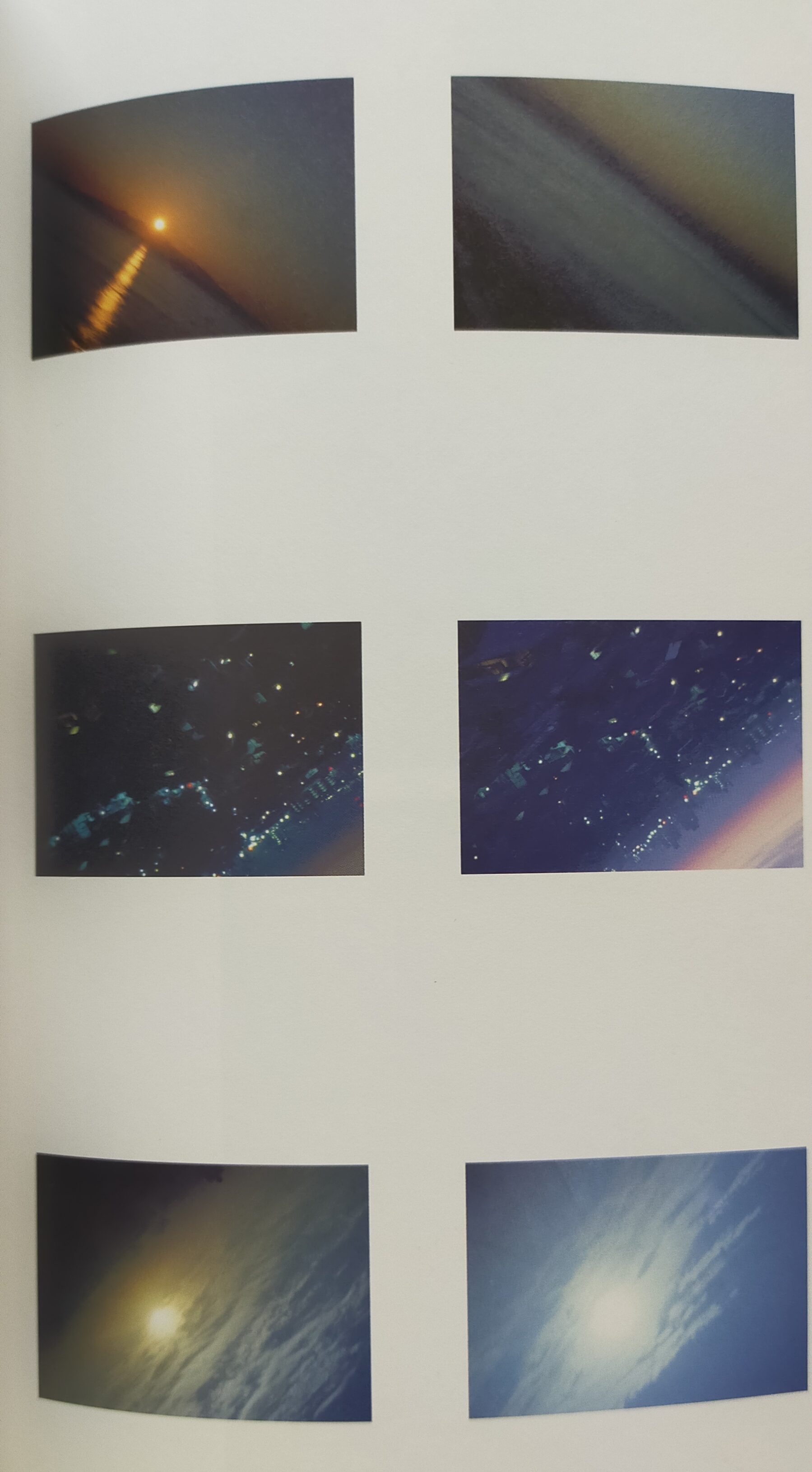
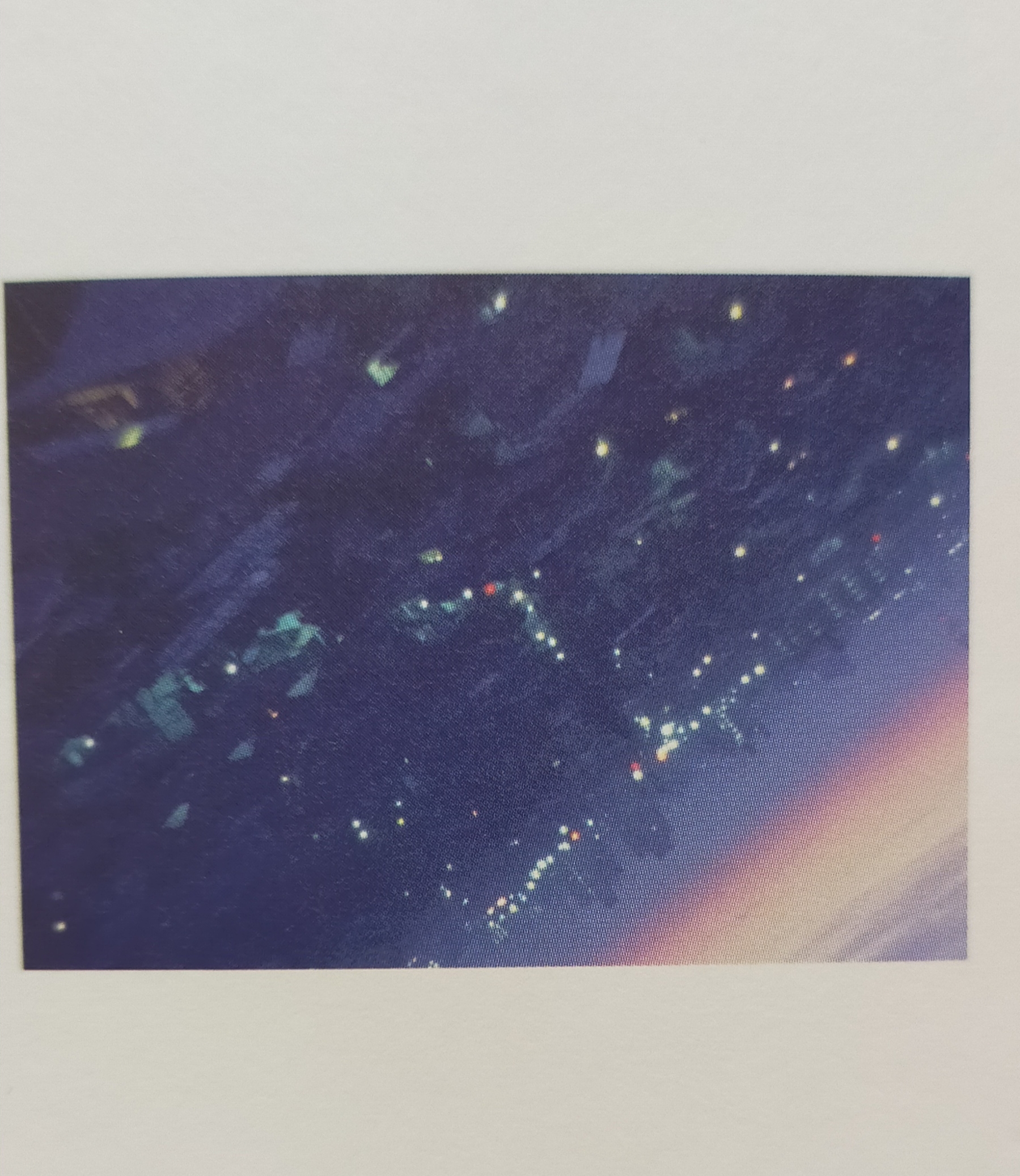
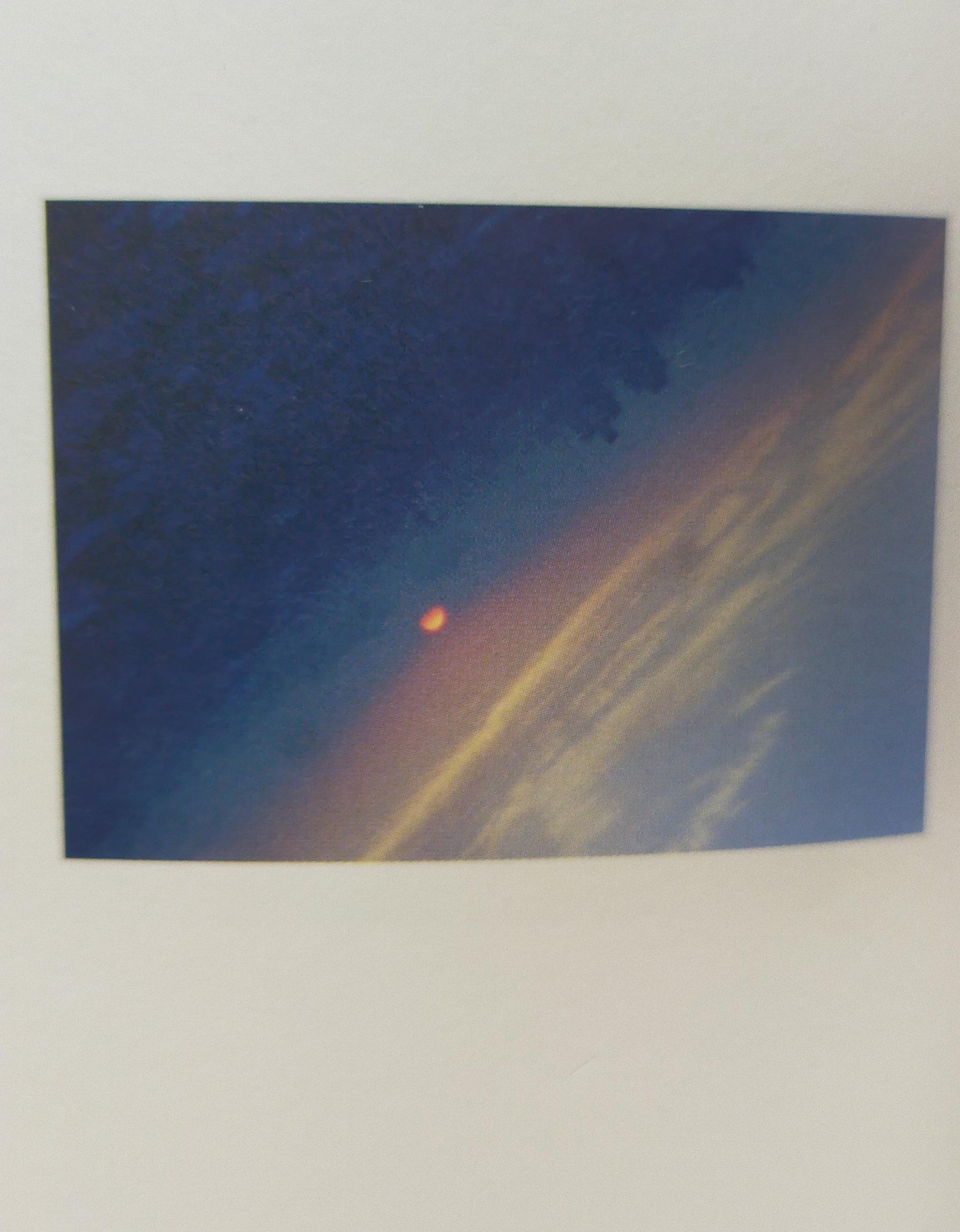
Since the cinematic works of Yamazaki Hiroshi are, to say the least, not really available ー I was lucky enough to attend a retrospective dedicated to his experiments in 16mm, organized by the Image Forum Festival a couple of years ago (you can read more here) ー I thought it would be interesting to post here some of his photographs. After all he was first and foremost a photographer, a conceptual photographer to be more precise, whose works as a filmmaker were a continuation of the path created and explored with his still images.
On s side note, it blew my mind to discover that he was the cameraman who shot the overworldy time-lapse images of the Sun in Ogawa Pro’s The Sundial Carved with a Thousand Years of Notches — The Magino Village Story (1986), a solar connection to be further explored, and another proof, if we needed any, of how the masterpiece shot in Yamagata was also the result of a collective effort, and an interwaving of influences and contributions from different artistic fields.
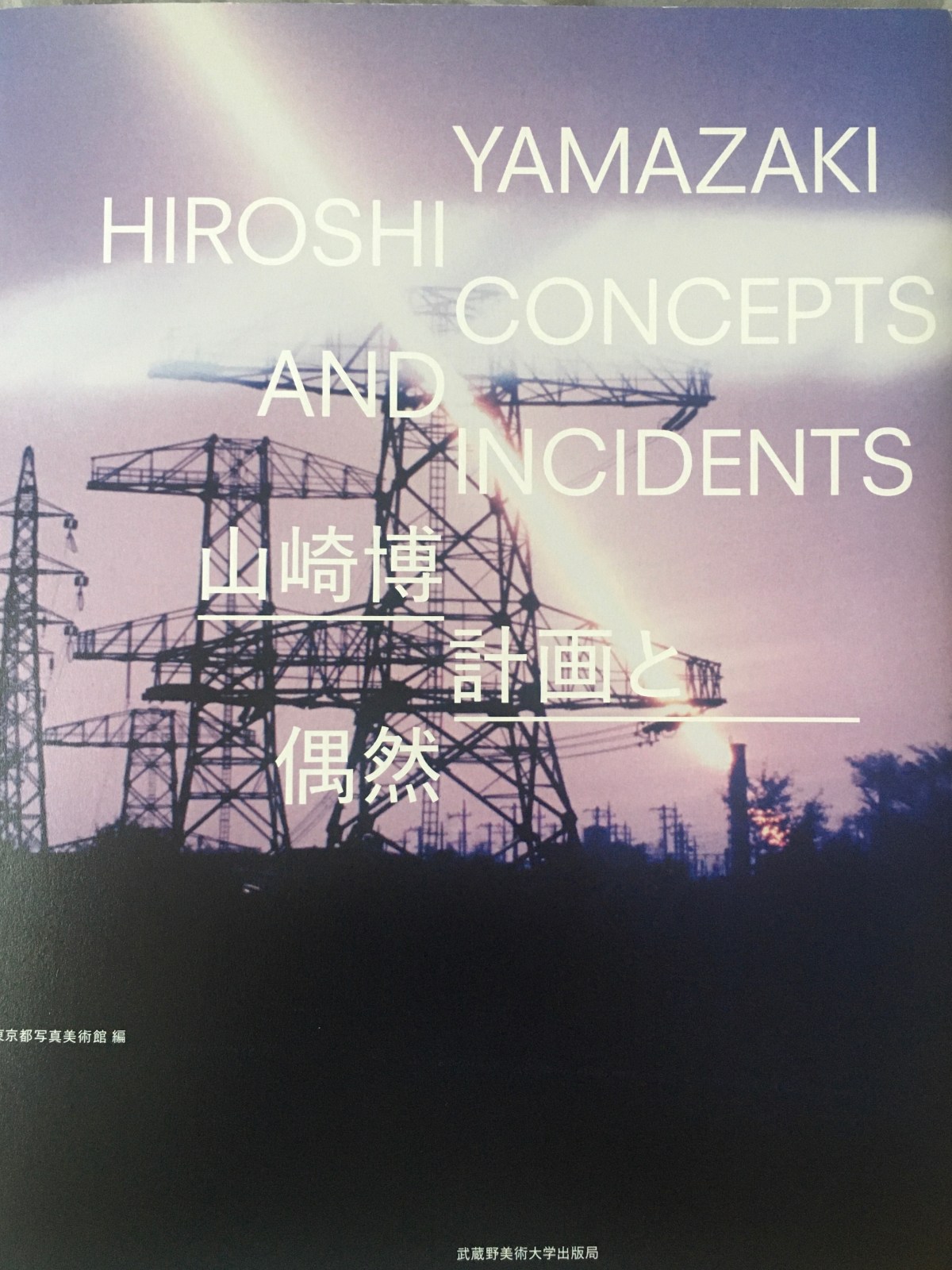
The following photos are taken from Yamazaki Hiroshi, Concepts and Incidents 山崎博 計画と偶然, an English/Japanese catalogue published on the occasion of an exhibition organized at the Tokyo Photographic Art Museum in 2017. The volume covers Yamazaki’s career from his debut, at the end of the 1960s, until his late works, and it’s divided in chapters following the different phases, approaches and interests in photography and film throughout his life, he passed away in June 2017, less than a month after the end of the exhibition.
Stills from Heliography (1979), in my opinion Yamasaki’s masterpieceStills from a video experiment, Flower in the Space (1989)
As usual, the list below is a reflection of my taste, interests, and viewing habits during 2020. For obvious reasons I have not attended any film festivals in person, but the online viewing events organized all over the globe were, for me at least, one of the few positive things to come out of this annus horribilis.
Synopsys in italics, followed by my quick take and the trailer:
Expedition Content (Veronika Kusumaryati, Ernst Karel)
In 1961, filmmaker Robert Gardner organized the Harvard Peabody Expedition to Netherlands New Guinea (current day West Papua). Funded by the Dutch colonial government and private donations, and consisting of several of the wealthiest members of American society wielding 16mm film cameras, still photographic cameras, reel-to-reel tape recorders, and a microphone, the expedition settled for five months in the Baliem Valley, among the Hubula (also known as Dani) people. It resulted in Gardner’s highly influential film Dead Birds, two books of photographs, Peter Matthiessen’s book Under the Mountain Wall, and two ethnographic monographs. Michael Rockefeller, a fourth-generation member of the Rockefeller (Standard Oil) family, was tasked with taking pictures and recording sound in and around the Hubula world. Expedition Content is an augmented sound work composed from the archive’s 37 hours of tape which document the strange encounter between the expedition and the Hubula people. The piece reflects on intertwined and complex historical moments in the development of approaches to multimodal anthropology, in the lives of the Hubula and of Michael, and in the ongoing history of colonialism in West Papua.
Visual representation and the obsession with it has become, in our society, a black hole absorbing and distorting everything around it. Expedition Content, by offering us for most of its duration a black screen —the are only some written words, and a couple of minutes of images towards the end—allows the sound to take prominence. The freshness of the encounter and discovery, different languages, different sounds, different time, is here preserved and conveyed with an almost haptic quality. It is a work where the experience for the “viewer” is thus channeled through sounds and voices, however I firmly believe it is primarily a film to be watched, possibly on a big screen, in that it establishes its discourse within the frame of the power of (here absent) images.
Expedition Content is also a theoretical piece that goes deeply into colonialism and how the anthropology endeavor, at least a certain way of doing anthropology, is deeply embedded in it. The last 20 minutes of the movie (I’m not revealing more because I don’t want to spoil it) are in this regard an incredible exposure of the stance of the anthropologist as a colonial subject.
By far the best work I saw this year, fiction or non-fiction, it definitely deserves a stand alone and more in-depth piece (I’m working on it, hopefully it will be ready early next year).
The Brilliant Biograph: Earliest Moving Images of Europe (1897-1902)
A compilation film of newly-restored rare images from the first years of filmmaking. Immerse yourself in enchanting images of Venice, Berlin, Amsterdam and London from 120 years ago. Let yourself be carried away in the mesmerizing events and celebrities of the time, and feel the enthusiasm of early cinema that overcame the challenge of capturing life-like movement.
One of the highlights of the Le Giornate del Cinema Muto/Pordenone Silent Film Festival, which this year moved its edition online. An incredible and touching dive into the anodyne beauty of everyday life, captured 120 years ago.
Concrete Forms of Resistance (Nick Jordan)
Filmed in Beirut and Tripoli, Lebanon, Concrete Forms of Resistance is a documentary centred upon Tripoli’s abandoned ‘Permanent International Fair’, designed by Brazilian architect Oscar Niemeyer in the mid-1960s. The film presents themes of progress and crisis, labour and capital, material and memory, contrasting the utopian vision of the original plans with the stark realities of sectarian divisions, regional conflicts and rising economic inequalities.
A short documentary I watched back in February, although it feels like ages ago, Jordan’s film is an enthralling journey through the recent history of the Middle East seen through the lens of Oscar Niemeyer’s works.
Dick Johnson is Dead (Kirsten Johnson)
As her father nears the end of his life, filmmaker Kirsten Johnson stages his death in inventive and comical ways to help them both face the inevitable.
Stylistically I was expecting something different, so it didn’t have the impact I thought it would, yet the way Kirsten Johnson is able to blend grief and laughs was touching, healing and in the end refreshing.
Edo Avant-Garde (Linda Hoaglund)
Edo Avant-Garde reveals the pivotal role Japanese artists of the Edo era (1603 – 1868) played in setting the stage for the “modern art” movement in the West. During the Edo era, while a pacified Japan isolated itself from the world, audacious Japanese artists innovated stylization, abstraction, minimalism, surrealism, geometric composition and the illusion of 3-D. Their elegant originality is most striking in images of the natural world depicted on folding screens and scrolls by Sotatsu, Korin, Okyo, Rosetsu, Shohaku and many others who left their art unsigned.
While thematically is in another universe, stylistically the movie is very similar to Hoaglund’s ANPO: Art X War (2010). Coproduced by NHK, Edo Avant-Garde was shot using a special Sony 4k camera, and the sound and music used are also superb. For me it was the perfect viewing experience during the partial “lockdown” we had here in Japan in Spring. Soothing.
Me and the Cult Leader (Sakahara Atsushi)
Me and the Cult Leader — A Japanese Documentary on the 1995 Tokyo Sarin Gas Attack perpetrated by doomsday cult Aum Shinrikyo, following victim Atsushi Sakahara’s travels with current cult executive Hiroshi Araki.
Don’t be misguided by the trailer below, the film is a slow meditation on the banality of evil, and an exploration of a fascinating and problematic relationship.
Archiving Time (Lu Chi-yuan)
In Taiwan, there is a group of people participating in this race against time. They are hidden inside the film archive of New Taipei City’s “Singapore Industrial Park”, where the 17,000-plus film reels and over a million film artifacts have become their spiritual nourishment. Day after day, they shuttle back and forth inside, carrying their doubts, their learnings, and their faith. What they are doing is awakening these long-neglected film reels, then piecing together the no-longer-existent social atmospheres and lives of distant pasts recorded on them. And spending time in this archive has become everyday life for these film archivists and restorers.
If you are a lover of movies and interested in how preservation and archiving are changing and shaping what the history of cinema, in this particular case, Taiwan cinema, will be in the near future, this is the documentary for you.
Fireball: Visitors From Darker Worlds (Werner Herzog, Clive Oppenheimer)
Fireball: Visitors From Darker Worlds takes viewers on an extraordinary journey to discover how shooting stars, meteorites and deep impacts have focused the human imagination on other realms and worlds, and on our past and our future.
While Family Romance was a complete letdown, a disaster both stylistically and content-wise, I quite enjoyed this documentary released on Apple TV a couple of months ago. “Enjoyed” is the correct word because this is, make no mistakes about it, 100% Herzog, for better or worse, and at the end of the day a documentary fully drenched in the public persona he has become in the last 10 years or so. That being said, the themes tackled and the time framing of the events narrated and shown on screen really resonated with me.
Ghosts: Long Way Home (Tiago Siopa)
After a spell cast by Grandma Faraway, the oldest son of a small family encounters the ghost of his late Grandma Maria still living in her old house, and they chat as they used to.
Moving between documentary and fiction, the film explores the memories of a family and those of an area, in a slow-paced style reminiscing of Pedro Costa’s cinema. Beautifully photographed, this hybrid experiment works also a visual poem and an ode to rural Portugal and its ancestral and magical/pagan beliefs. The dreamlike quality that is infused throughout the whole film really works well, but at the same time I think that some scenes could have been left out, especially those in the second half of the movie when the magical realism and the ghost story aspects are pushed too much on the surface and become too on the nose, so to speak.
Lil’Back: Real Swan (Luis Walkecan)
Dancer Lil’ Buck grew up jookin and bucking on the streets of Memphis. After a breathtaking video of him dancing to Camille Saint-Saëns’ “The Swan” accompanied by cellist Yo-Yo Ma went viral, everything changed.
A documentary about a topic I was not familiar at all, and yet, or because of this, it was a nice surprise, a discovery of a world.
Wrapping up November with some of the most interesting non-fiction works (made in , or about, the Far East) I’ve watched in the past months.
私たち生まれた島 Okinawa 2018 (Todori Shin’ya, 2020) is an informative documentary about how the new generations of Okinawans deal and cope with the American military bases in the islands. Filmed in the last few years, the film covers the protests againsst the relocation of one of the biggest American bases in Henoko, the election of a female representative (for the communist party) in a small town, and the election of governor Denny Tamaki in 2018. A mix of video journalism and grassroots activism caught on video, the documentary offers an interesting insight of a complex and layered situation.
Sooner or later I will have to write something longer about the documentaries directed by Yoshida Kijū, one of the towering figures in post war Japanese cinema. For today let me just share a few random thoughts about two of his best non-fiction films I’ve recently rewatched.
With The Cinema of Ozu according to Kijū Yoshida 吉田喜重が語る小津安二郎の映画世界 (1994) the Japanese director adds images to his reflections on Ozu written in his beautiful Ozu’s Anti-Cinema. If you have already read the volume, it’s nothing particularly new, but it is a delight nonetheless. I watched the short version, but apparently there also a longer version out there.
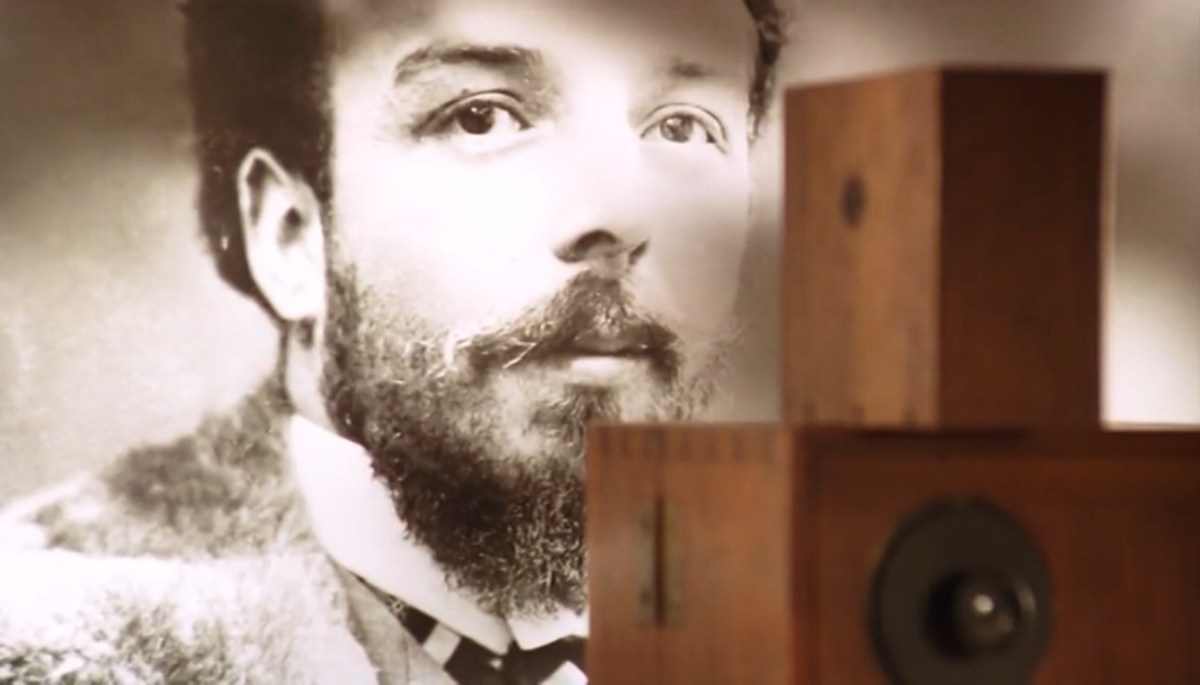
While both were made in the same period and share a certain style and approach ーYoshida providing the narration, and the preoccupation with cinema and the act of representing through images as a theoretical structureー Dreams of Tokyo, Dreams of Cinema 夢のシネマ 東京の夢 (1995) is by far my favourite of the two. By telling the story of the early travels of Gabriel Veyre, the Lumière Brothers’ cameraman, in Mexico, Japan and Morocco, Yoshida reflects on the advent of this new technology and the changes and cultural shifts that were caused by the cinematograph and everything that came with it. This relatively short documentary (50’) is a fascinating example of how effective and poetic essay cinema can be when used at its best. Yoshida, using Veyre’s gaze, exposes the power and dangers that the birth of cinema brought with it since its very beginning, forseeing also the prominence that visual representation would reach in the world to come.
One of the most significative passage is, in this sense, one where we see a group of indigenous people in Mexico filmed by Veyre, a group that is definitely not glad to pose for the camera. At a certain point a white person violently grabs the head of a woman and forces her to see and face the camera to get a “better” shot. At this point the footage ends. According to Yoshida probably Veyre sensed that something was not right and decided to interrupt the shooting. Quoting Yoshida “Most people enthusiastically perceived the moving images of the cinematograph as reality itself and so the representation ended up taking precedence over the reality of the world, but Veyre for some unknown reason adopting an opposing standpoint, saw the future of the cinema from a different angle.”
Already more than half year has passed since the pandemic generated a tidal wave of changes in our daily lives and habits. Of course the world of cinema and the film industry at large have been affected by Covid-19 too, and one of the consequences is that the international film festival circuit has been completely disrupted.
From last March, most of the big film events worldwide have been cancelled, postponed or have moved online, and it was only in recent months that we saw, with Venice as a frontrunner, the return of the film festival as we used to know it, with all the necessary social distancing and limitations.
Many festivals opted for an online and often limited edition. It has been interesting for me to see how these net-events have been organised and scheduled (ticket price, catalogs, regional restrictions, etc.) and, I have to be honest, it was fun to experience them in all their diversity, and I’m not talking about the movies. Before proceding with some reflections on a couple of online festivals I’ve “attended”, let me make some disclaimers:
– I live in central Japan, in a small city far from Tokyo, and neither very near to Osaka or Kyoto, that is, for me going to a festival here in Japan means to plan in advance and commit time and money.
– I work in the field, so to speak, I write and occasionaly collaborate with film festivals, but I have also a daily job that allows me to survive.
– I really enjoy going to film festivals, watching the movies is only a part of the experience, it’s everything else that makes it special for me, film culture extends way beyond the mere act of wtching a movie, online or not. That is one of the reasons why going to the Yamagata International Documentary Film Festival every two years has been a real joy.
That was to clarify my position. Now, in the past months I had the chance to experience, in one form or another, watching many movies or only one, the following online film festivals:
Far East Film Festival, Udine, Italy
Il Cinema Ritrovato, Bologna, Italy
EXiS 2020, Seoul, South Korea
Open City Documentary Festival, London
Yūbari International Fantastic Film Festival, Yūbari, Japan.
2020 Skip City International D-Cinema Festival, Saitama, Japan.
Le Giornate del cinema muto, Pordenone, Italy (starting soon)
and counting…
The biggest wall that everybody interested in watching film festivals online (or should I call them film events online?) bump into are the regional restriction. Understandably, not all movies can be licensed to stream in all locations, and navigating through these limitations can be frustrating at times. The Udine Far East and Il Cinema Ritrovato had regional restrictions but their sites (actually the MyMovie platform) was very easy to navigate and it was very clear which movies were available in which country.
Those two festivals and Le Giornate in Pordenone use the same screening schedule’s method: each movie is scheduled at a certain day on a certain time, like in a normal film festival, but it’s available to watch online for 24 hours, also to make it easy for people watching from different time zones. On the other hand, the Yūbari Film Festival in Hokkaido basically replicated online the format of the physical festival: there were three “screens” (channels on Hulu Japan, the festival was free if you had the service) each showing different movies, a bit like TV, with the only difference being that the movies were rotating. While this option is without doubt the closer to the real festival, I found the 24 hours window to be the perfect one for me, you still have the “pressure” of missing a movie, but at the same time it’s easy to organise your day.
A different approach is being used by the Skip Digital Festival (at the time I’m writing still happening), if you buy a pass, about 1500 yen, you can can watch, only if you’re in Japan, all the 24 movies presented, at any time during the event.
While, as I wrote above, the online festival is not the same as the “real thing” ーno big screens no communal viewing, no socializingーit is undisputable that for cinema people who, like me, live far from big cities, in other countries, or don’t have much free time, it’s a golden chance for new discoveries. And by the way, you’re finally watching movies like the film festival programmers and directors…on your PC….
Is the online film festival here to stay? I don’t honestly know, but I would say that in the next few years we will see more hybrid experiments between online and physical film festivals happening.
Feel free to chime in and share your experience, you can do it here.
The Covid-19 and the consequent pandemic has also been affecting the film festival circuit around the globe, with many festivals forced to cancel their events, postpone them or moving the screenings online. As bad as the situation is (first world problems of course), this shift in the showing practice, we all hope it’s a temporary solution, gave me the chance of “attending” the virtual edition of a couple of film festivals that under normal circumstances I wouldn’t have been able to be at. The Udine Far East Festival and the Cinema Ritrovato in Italy, and more recently the EXiS Film Festival in South Korea, and the Yubari International Fantastic Film Festival here in Japan. Below are some thoughts about a couple of documentaries I had the opportunity to watch at these events.
Toro Axe Part 3: All Things Change (2012, 35′) is Matsumoto Toshio last work, a collaborative video project produced by Sano Gallery initially in 2009, in which six co-writers would participate and create an omnibus film. At first, Matsumoto was not supposed to be involved too much in it, but in 2011 the Great East Japan Earthquake and the consequent nuclear disaster had such a strong impact on him, that Matsumoto decided to change the shape of the project. This new work became a trilogy titled Tōrō no ono, the third installment, All Things Change, was screened at this year EXiS Film Festival (online).
蟷螂の斧: 万象無常 Toro Axe Part 3: All Things Change
The origin of this project was the experience of the horrific disaster (earthquake and nuclear accident) that took place in 2011. This event was so powerful that it changed the way humans see and value things. If we don’t look directly at at the fundamental way death and life are entangled, we will not be able to move forward. For this reason, this visual work became even more disorganized and destructive than “Pilgrimage into Memory” the second installment, containing all different sort of noises and creating a dissonant vortex of chaos. (Matsumoto Toshio)
The film consists of videos shot and produced by 5 artists, Tanotaiga, Inaki Kanako, Oki Hiroyuki, Kunito Okuno, and Tanaka Tanako, blended together by Matsumoto, an attempt, according to the director himself, to get rid of the individuality of the artist, and to create or to move towards an anonymous subjectivity. His last involvement in a visual work as a manipulator of images is the perfect sum of his career, everything he made and worked on during his life resonates throughout this collaborative film, from his early preoccupations about the filmmaker/image maker’s subjectivity, to his interest in the process of the creation of moving images.
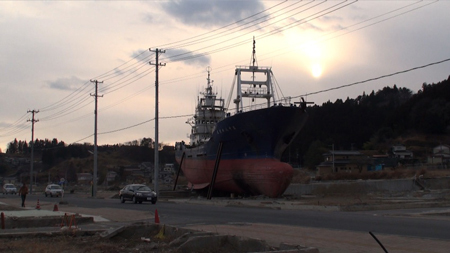
The first five minutes are almost like a work by Makino Takashi, colours and particles in motion that leaves room, in the rest of the movie, to a more traditional video documentary about the triple disaster of 3.11. The interest of Matsumoto and his collaborators towards the pullulating life (worms, flies, but also a new born baby) among the landscape of death of the ruins and wreckage left by the tsunami, is as disturbing as it is fascinating. The endless pulse of life, life here considered in its broader meaning encompassing also death and destruction, is not only conveyed through the scenes of swarming insects and the arrival of a new life to this world, but also, in pure Matsumoto style, is embedded in the plasticity and throb of images.
The title is fascinating in itself too, 蟷螂の斧 (tōrō no ono) is a maxim signifying a futile endeavor like a “mantis brandishing a hatchet”, while mujō of the title of the installment, 万象無常 (banshō mujō) All Things Change, is the Buddhist anitya meaning impermanence, and banshō signifies all the creation, the universe.
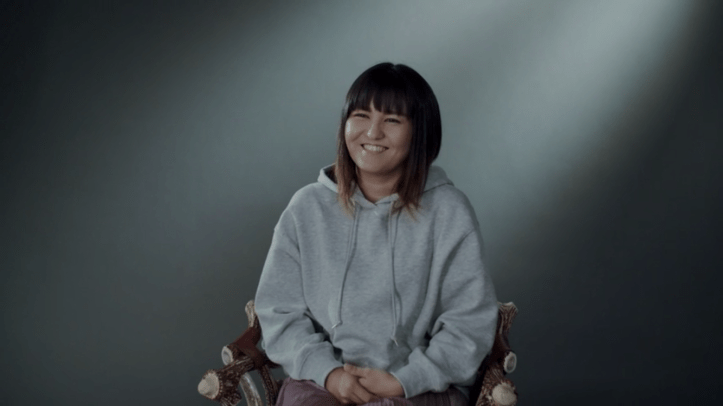
Ainu My Voice アイヌ, 私の声 (Tomida Daichi, 2020) was presented at the Yubari International Fantastic Film Festival (online) section dedicated to women’s empowerment, a collection of shorts dealing with the lives of female subjects, a wide and diverse range of subjects, in contemporary societies. Shot and composed like a TV commercial, after all it was produced by the fashion magazine MINE, the movie is nonetheless an interesting dive, albeit short ça va sans dire, on a young Ainu woman who is trying to make sense of her life and her belonging to a minority group in contemporary Japan and beyond, in the course of the film she also visits a tribe of native Indians in America. You can watch, legally, Ainu My Voice here.
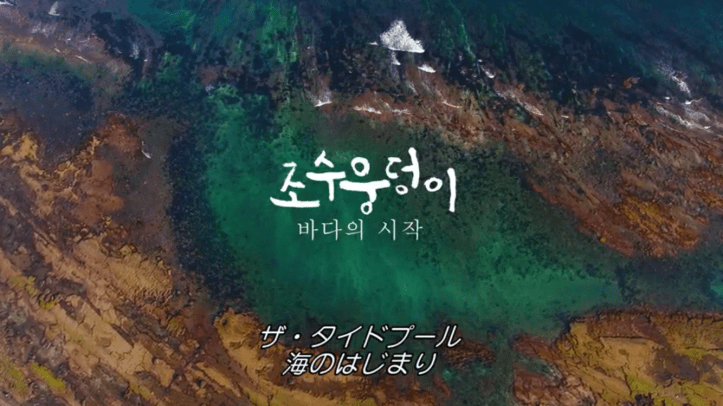
The Tide Pool: Where the Ocean Begins (Lim Hyung Mook, 2019) is a movie about the tide pools in Jeju island, South Korea, and their complex ecosystem. As the official description says “A tide pool is an isolated pocket of seawater found in the ocean’s intertidal zone (…) areas where the ocean meets the land: from steep, rocky ledges to long, sloping sandy beaches and vast mudflats.”
An above-average documentary about marine life that is elevated by a stunning photography and a smart use of music. A very “traditional” science documentary, make no mistake about it, with narration, explanations, and an educational purpose at its core, but the images are so beautiful and the colours so popping that it is easy to understand why it was included in a festival about the fantastic.
I’m cheating a bit here, The Dawn of Kaiju Eiga (Jonathan Bellés, 2019) is not properly speaking a documentary produced or made in Asia, but nonetheless it is about a very Japanese phenomenon, the Kaiju eiga. Bellés explores the connections between the advent of Kaiju movies, especially Godzilla, and the horrific history of Japan and atomic bombs. Nothing special and nothing new for an average but well-informed Godzilla fan, but if you’re new to the subject, it might work as a portal. As already noted by many reviewers, while there are some interesting interviews with people who worked for the Godzilla franchise throughout the decades, the lack of images from the movies ruins the enjoyment of it (the movie is made almost completely of interviews). It is by no means the director’s fault, Tōhō and more in general Japanese movie companies are famous for their closure of mind in regards to the usage of images from their works (unless you pay of course, pay a lot).
Hu Tai-Li (1950-2022) was one of the prominent ethnographic filmmakers active in Taiwan, a professor, an anthropologist, and also the president, for two decades, of Taiwan International Ethnographic Film Festival. Throughout her career, both as a documentarian and as a visual anthropologist, she tackled issues related to national and native identity, colonialism, and how the culture and traditional practices of the tribes inhabiting the island(s) are surviving in contemporary Taiwan.
At the beginning of the 1990s Hu went to Orchid Island, 45 miles off the southeast coast of Taiwan in the Pacific Ocean and just 20 miles away from the Philippines, to explore how the native people, the Yami, were affected by the influence from outside: tourism, TV people, anthropologists, mass-media…
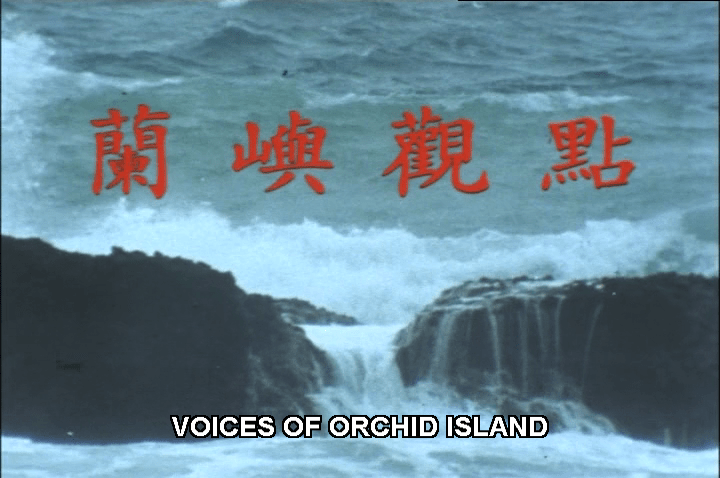
Voices of Orchid Island opens with a self-reflexive touch, we see director Hu discussing the documentary she is going to make with some of the people who are going to be filmed in a short, casual, but significant exchange of opinions on a beach. There she talks with three people (and a kid) from different ethnic groups, two of them are from the Yami tribe, while the third man is of the Bunun tribe, an ethnic group external to the island, and who, at the time of filming, had been living there for three years, working as a doctor. While two of the people are welcoming the director and her endeavor, the youngest among them (from the Yami tribe) has an interesting response:
I often feel that the more research anthropologists do on this island, the worse the island is harmed. I feel anthropologists come to Orchid Island just so they can advance to a certain social status. They just use Orchid Island as a tool, they don’t benefit the subject of their research.
In the next scene we hear the voice and see a guide on a bus full of tourist from mainland Taiwan, explaining about the Yami people while filming them (the tourists). We (the viewers) are already thrown on the side of the outsiders/tourists, and fed with information and data about the native people. After this “lecture”, it is unsettling to see the group getting off the bus and hoarding throughout the village like it was some sort of tourist spot or a zoo where to admire some sort of rare animals. Hu constructs a cynical mirror of sort where we cannot hide our own reflection, the tourists are “us” viewers, trapped in a cursed routine by which we experience places we’re not familiar with, and objectify people who live differently from us. It is really compelling how the director is able to hint at the problematics at work in the island just in a couple of minutes of well-edited images.
“They don’t regard us as human beings” “They called us barbarians in loincloths” complain two of the Yami people interviewed, but we also hear a deeper and more material complaint:
Recently some TV crews came here (…) sometimes we see ourselves on television, and we feel we’re being exploited for profit, we don’t benefit at all, but the people who film us do. They earn all the money, not us.
On the one side we have the villagers’ will not to be exploited or misrepresented, on the other, the bureaucrats and various heads of tourism, usually from mainland Taiwan, who welcome mass tourism as the sole industry in the island. The whole first part of the movie is dedicated to explore these power relations and how the Yami react and interact with Han Chinese while trying to preserve their way of life. Everything however is more complex and layered than it might appear at first sight, it is not a clash between two different and rigid worlds, but more a nuanced blending of the two parts. We discover, for instance, that the Yami are forced (or maybe they’re doing it willingly?) to stage their biggest festival and a very important ritual dance, mainly for attracting tourists, and in doing so keeping the flow of money that guarantees their survival.
In the second section of the movie, we meet again with the doctor we saw at the beginning, he’s running a clinic in the island and his experiences with patients are as difficult as they are fascinating. The shamanic healing practices they are accustomed to, and the refusal, but also their mediated and occasional acceptance, of a medicine practice alien to them, brought from mainland Taiwan, is an unsolvable dilemma that Hu is able to convey with empathy towards the subjects filmed. This is for me the most accomplished and most powerful part of the entire documentary.
For instance, if someone didn’t want to live, how was I to change that? He believed his injury was caused by an evil ghost entering his leg and I couldn’t change his mind.
In the last section, the film moves to the resistance of some island’s inhabitants against the big nuclear waste storage facility completed by Taipower at the beginning of the 1980s. The fight and civil resistance is promoted also by a group of Christians, creolized Christians to be precise, and it intertwines with another big problem affecting the island, that of young people leaving for Taiwan in search of jobs and opportunities.
First they told us they were building a military harbor, then a canning factory. They fooled us and kept us in the dark.
While the resistance against Taipower is a fascinating subject, amplified by the colonialist aspect of the question, an approach that disregard ethnic minorities and exploit their powerlessness, the movie just hints at it and does not explored fully its potential. It definitely would have benefited the documentary to stay a bit longer and delve deeper into the topic, or even better, to make a separate work about the nuclear waste site (it’s very possible that there are already other works out there on the subject that I’m not aware of).
In closing, Voices of Orchid Island is a captivating work, not only because it presents a complex, challenging, and multilayered glimpse at the situation of the place at a specific time in history, but also because it shades light on what it means to approach and confront oneself with “different” cultures, Eduardo Viveiro de Castro would say different natures, and what this encounter implies for “us” filming/viewing subjects, and for the people being filmed as well.
If you want to know more about the contemporary documentary scene in Taiwan, I’ve written a piece here.
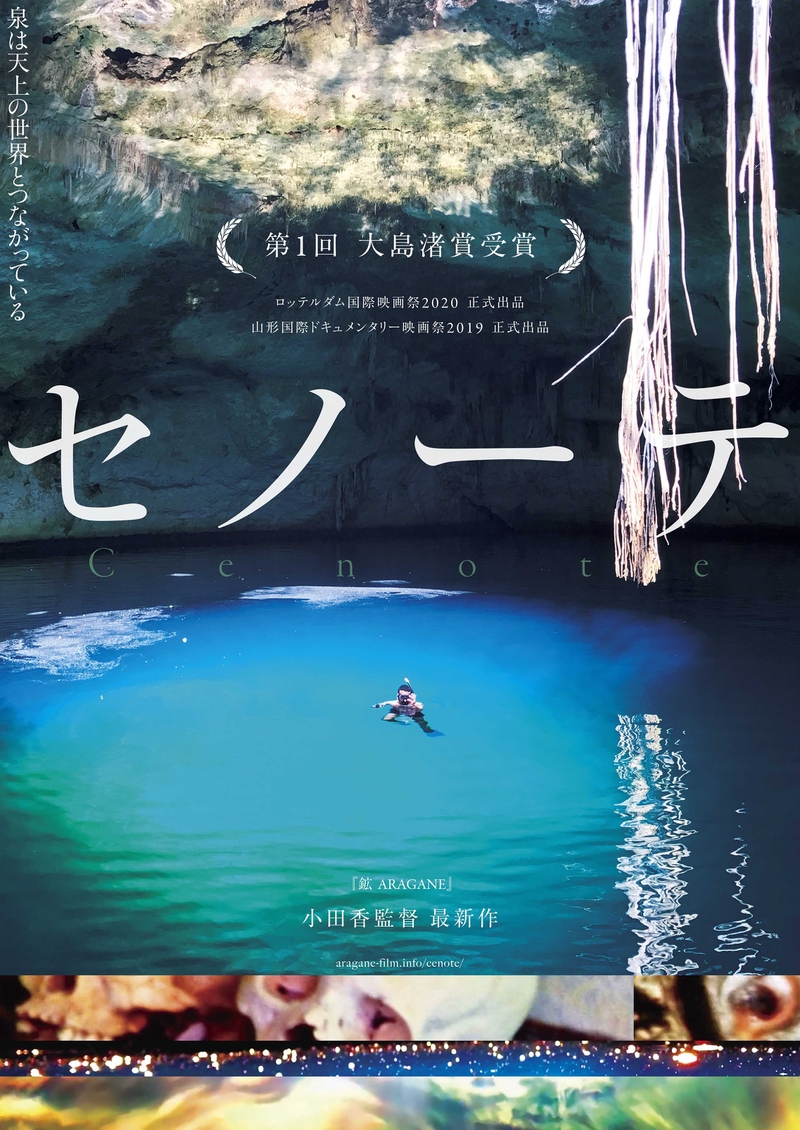
I wrote a longer and in-depth piece on Cenote, Aragane, Towards a Common Tenderness, and Oda’s filmmaking more in general for a film publication (hopefully out next year), so what follows are just some of my thoughts on the movie, and my experience with Cenote after multiple viewings. My interview with Oda, and my piece on Aragane.
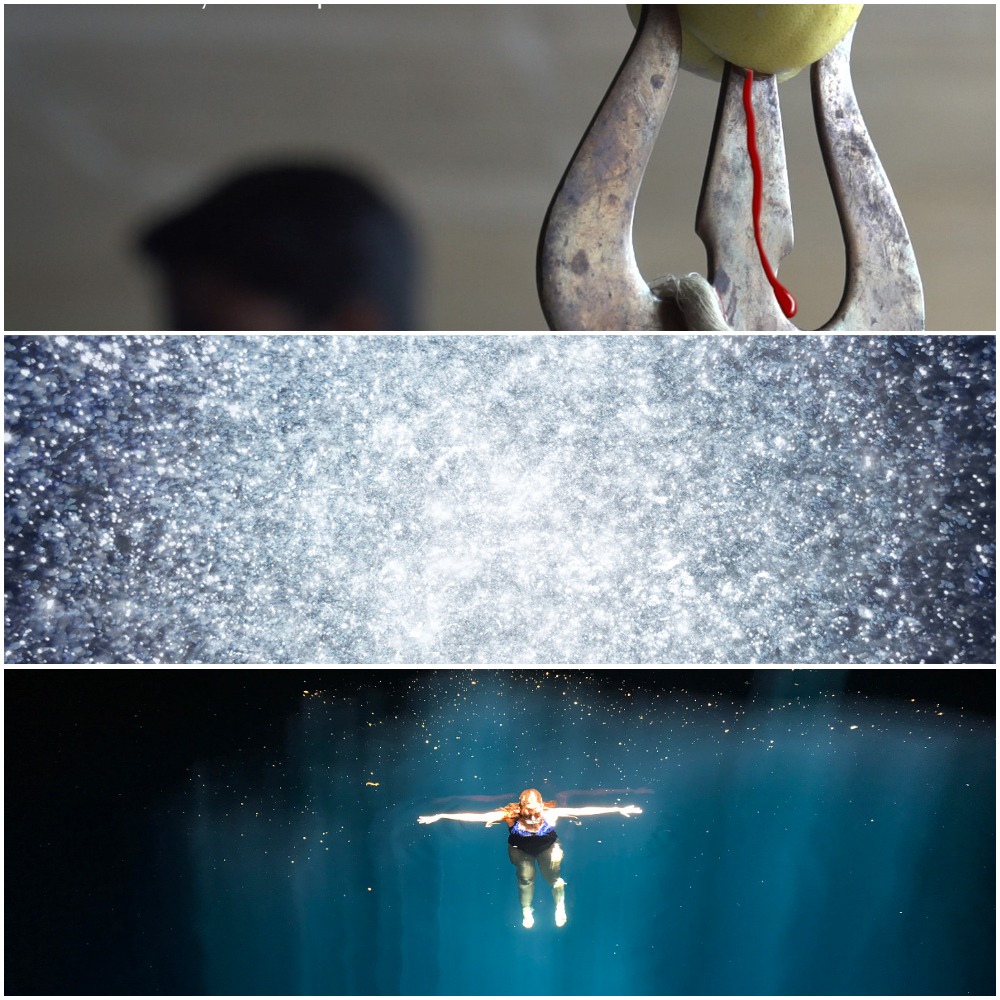
The past and present of those living around the cenotes coalesce in this mysterious place. Long-lost memories echo in hallucinatory turquoise underwater footage, an entrancing game of light and dark. Swimming in these sinkholes, director Oda Kaori encounters intriguing shapes and beams of light, the water heaves, drops fall like razor blades.
After debuting on the international scene with Aragane in 2015, although Thus a Noise Speaks (2010) was her actual debut in the film/documentary scene, two years later young filmmaker Oda Kaori released Towards a Common Tenderness, her second feature film. This is a movie about her journey from Japan to Europe, and there across the borders of the former Yugoslavia, and also about the possibilities, limitations, and responsibilities that come with documentary filmmaking. Her new film, Cenote, is again shot outside of Japan, this time in Northern Yucatan, Mexico, and almost completely filmed with an iPhone inside a few ts’onot/cenotes, sinkholes that were used by ancient Mayans as a primal source of water. Some of these sinkholes were also used during ritual sacrifices, and in the Mayans belief system they were considered holy springs able to connect this world to the afterlife.
When I first saw Cenote at a special screening organized at the Aichi Arts Center in Nagoya exactly a year ago, in July 2019 (the movie was partly funded by the venue), what impressed me the most were the first twenty minutes of the film. It was an exhilarating sensorial experience, almost an unveiling of a new world: the abstract images shot underwater and those gliding on the surface of the liquid, blended with grainy images of people whispering old Mayan stories, all of this soaked in a haptic soundscape, are to this day one of the best combination of images and sound I saw on screen in recent years. However, the second part of the work did not really work for me, the incredible first part was not followed by an equally intense second half, I couldn’t completely connect with it, especially with the way the movie was constructed. This was my reaction after the first viewing, anyway.
In the months that followed, I had the chance to watch Cenote several more times, one more time on the big screen at the Yamagata International Documentary Film Festival in October, and later on through a screener I was kindly given. After multiple viewings some recurring patterns and figures presented throughout the movie started to slowly reveal, and Cenote began to resonate with me in a very different manner compared to when I first saw it. I realized how the whole work is permeated with a dialogic tension, a relation between complementary opposites. For instance, cenotes as a geological phenomena resulting from the impact of a shower of meteorites with the crust of the earth, on the one side, and these sinkholes as a mythical space connecting with the afterlife, on the other. A tension between opposites that is also embodied in the aesthetics deployed by Oda, the digital images shot underwater with an iPhone are counterpointed with those shot in Super 8 and depicting faces, animals, festivals, and ceremonies honoring the dead. This exploration of afterlife and the deceased and their relation with the space they used to inhabit is what especially surfaced for me after multiple viewings. The connection between the dead and the living, and the blurring of the two reigns is made more explicit in a brief and beautiful passage when the movie gazes at funeral rituals in the area, when human bones and skulls are brushed, polished and collected with extreme care as remnants of past lives, but somehow still very present.
While I think Aragane is a more accomplished and well-balanced work, I believe Cenote is a more deep (non pun intended) and powerful visual experience, and definitely a film more important for Oda’s career. First of all, the movie gave her the chance to became the recipient of the first Ōshima Nagisa Prize, an award newly established by Pia Film Festival for “young, new talents who pioneer the future of film and attempt to spread their wings around the world”, and secondly to be invited to different film festivals around the world, such as Nippon Connection and Japan Cuts. This international recognition will hopefully expand even further her career, giving Oda the chance, and the funds, to work on the next project. It seems that after having explored two of the classic elements of nature, earth in Aragane, and water in Cenote, she would like to make her next work in (!) and about space, as she stated in a couple of interviews.
More importantly from an aesthetic point of view, with Cenote Oda not only went back to the sensorial filming approach used in Aragane, but she also expanded it and enriched it with the poetic touches that permeates Towards a Common Tenderness. As I wrote at the beginning of this article, the peaks in Cenote are very high and point towards an idea of cinema and filmmaking that, in my opinion, has yet to realize its full potential.
We are currently navigating uncharted waters and I hope all you readers out there are safe and doing well, so today just a brief post to point to the release of an important volume: The Japanese Cinema Book, edited by Hideaki Fujiki and Alastair Phillips for Bloomsbury. As stated by the editors, the volume
provides a new and comprehensive survey of one of the world’s most fascinating and widely admired filmmaking regions. In terms of its historical coverage, broad thematic approach and the significant international range of its authors, it is the largest and most wide-ranging publication of its kind to date.
Ranging from renowned directors such as Akira Kurosawa to neglected popular genres such as the film musical and encompassing topics such as ecology, spectatorship, home-movies, colonial history and relations with Hollywood and Europe, The Japanese Cinema Book presents a set of new, and often surprising, perspectives on Japanese film.
With its plural range of interdisciplinary perspectives based on the expertise of established and emerging scholars and critics, The Japanese Cinema Bookprovides a groundbreaking picture of the different ways in which Japanese cinema may be understood as a local, regional, national, transnational and global phenomenon.
The book’s innovative structure combines general surveys of a particular historical topic or critical approach with various micro-level case studies. It argues there is no single fixed Japanese cinema, but instead a fluid and varied field of Japanese filmmaking cultures that continue to exist in a dynamic relationship with other cinemas, media and regions.
The Japanese Cinema Book is divided into seven inter-related sections: · Theories and Approaches · * Institutions and Industry · * Film Style · * Genre · * Times and Spaces of Representation · * Social Contexts · * Flows and Interactions
There are a couple of chapters, or parts of them, that cover what is the main interest of this site, the production and evolution of documentary cinema in the Japanese archipelago, experimental cinema, and amateur/home films. I was positively impressed by the scope of The Archive Screening locality: Japanese home movies and the politics of place by Oliver Dew, the ever-shifting boundaries between amateur/professional filmmaking, and everything that exceeds what we usually consider “cinema” are problematics that fascinate me. I might write something about Dew’s essay and Japanese home movies in general at another time, but today I want to briefly touch on the chapter written by Hata Ayumi. Filling Our Empty Hands’: Ogawa Productions and the Politics of Subjectivity is a dive into Ogawa Productions, with a special focus on how the collective changed their film-making identity, a process seen through the lens of three works made by the group at different times of their trajectory, Forest of Oppression (1967), Sanrizuka – Heta Village (1973), and The Magino Village Story – Raising Silkworms (1977). I will highlight some of the passages in the essay that more resonated with me, mainly those about the collective and their period in Yamagata.
One of the most interesting issues tackled in the chapter is for me the connection the author draws between, on the one hand, the portrayal of farmers and farmers’ life created by the group throughout their career, and the rise of the minshūshi movement during the 1960s and 1970s in Japan, on the other. “The minshūshi, or ‘people’s history’ project, was part of a larger intellectual movement of the 1960s and 1970s that sought to construct new representations of the minshū, or non elite ‘people’ as political and historical agents, and overcome the view that they had been inert and passive objects of rule throughout history.”
The shift from a style of film-making more focused on the political struggle to a depiction, almost an ethnographic exploration, of the histories and cultures traversing villages and people in Sanrizuka, is one of the reasons Heta Village is a pivotal movie for Ogawa Productions. Hata argues that, what I call a tectonic shift for Japanese documentary, was possible also by the influence and the interaction of the collective with the minshūshi movement, thus repositioning the path of the collective in a much larger historical and political canvas.
One of the most astonishing artistic achievements in the long years spent by the collective in Yamagata filming and farming, was the ability to reach a degree of proximity, almost a merging and an identification, with the subject filmed, the taishō. Not only a proximity with people and their point of view, but also a quasi-fusion with the landscape and its non-human elements as it were, the plants, the seasonal changes, the weather, the geological time of the area, or the Sun perceived as a orbiting star. To read in the essay that Ogawa and his group “took this ideal subjectivity even further with the idea of ‘the human possessed by the rice plant’ (ine ningen), an imagined, metaphorical entity that they strove for in order to capture the essence of rice cultivation” was for me a confirmation and a revelation.
The beautiful poster of Magino Village: A Tale (1986)—some of the words on it are pure poetry, “a movie mandala”, “to carve the time of life into the body of film”—beautifully embodies this strive towards the becoming-rice plant of the collective, and it is in itself a work of art, in my opinion.
There are several scenes in Magino Village that encompass this love and obsession towards rice, farming, and all the human and non-human life that revolves around a plant so important for Japan and its people. Tamura Masaki patiently filming rice flowers bloom is one of the most famous, used also as the cover of the Japanese DVD, but my favourite is the one you can watch below, a scene Markus Nornes has described in his book on Ogawa Pro as “the most prominent haptic images” in the film.
Here we go again, like every year and like all (wanna-be) respectable cinema blogs or cinephiles around the web, these are my personal favorite documentaries of 2019. As usual, and it goes without saying, the list below is a reflection of my taste, interests and viewing habits during 2019, and thus it is mainly composed of documentaries made in the Eastern part of the Asian continent (but there are few exceptions of course).
Outstanding works (unranked)
Many Undulating Things (Wang Bo, Pan Lu) History, art, geography and colonialism mixed in an aesthetically challenging piece of work. The movie is an expansion of Miasma, Plants, Export Paintings, a short made in 2018 by Wang Bo and Pan Lu.
No Data Plan (Miko Revereza)
A travelogue and a drifting through America to explore the identities of undocumented immigrants, the director himself and his mother.
Memento Stella (Takashi Makino)
Like a wave of spiritual materialism in continuous becoming.
Cenote (Ts’onot) (Oda Kaori)
After Aragane, and Toward a Common Tenderness Oda moves her attention to the cenotes in Mexico. It’s not a perfect movie, but has some of the most impressive combination of sound and images I’ve seen last year. Entrancing to say the least.
Reason (Anand Patwardhan)
Fascism in contemporary India.
This slideshow requires JavaScript.
Honorable mentions:
Indiana, Monrovia(Frederick Wiseman)
Happy Android (Jaina Kalifa)
The Holiday Inn-Side (Charby Ibrahim)
Dutch Angle: Chas Gerretsen & Apocalypse Now (Baris Azman)
Special (re)discoveries:
The Man Who Has a Camera (Liu Na’ou, 1935)
Kobayashi Issa (Kamei Fumio, 1941)
Senso Daughter (Sakiguchi Yuko, 1990)
Best cinematic experience
By far the best viewing experience I had in 2019 was not at all an orthodox cinematic experience. At Yamagata I was lucky enough to be at a Gentou (magic lanterns) screening, dedicated to the grass-roots movements in the Miike mine’s strikes during the 1950s.















 Asian Docs
You must be logged in to post a comment.