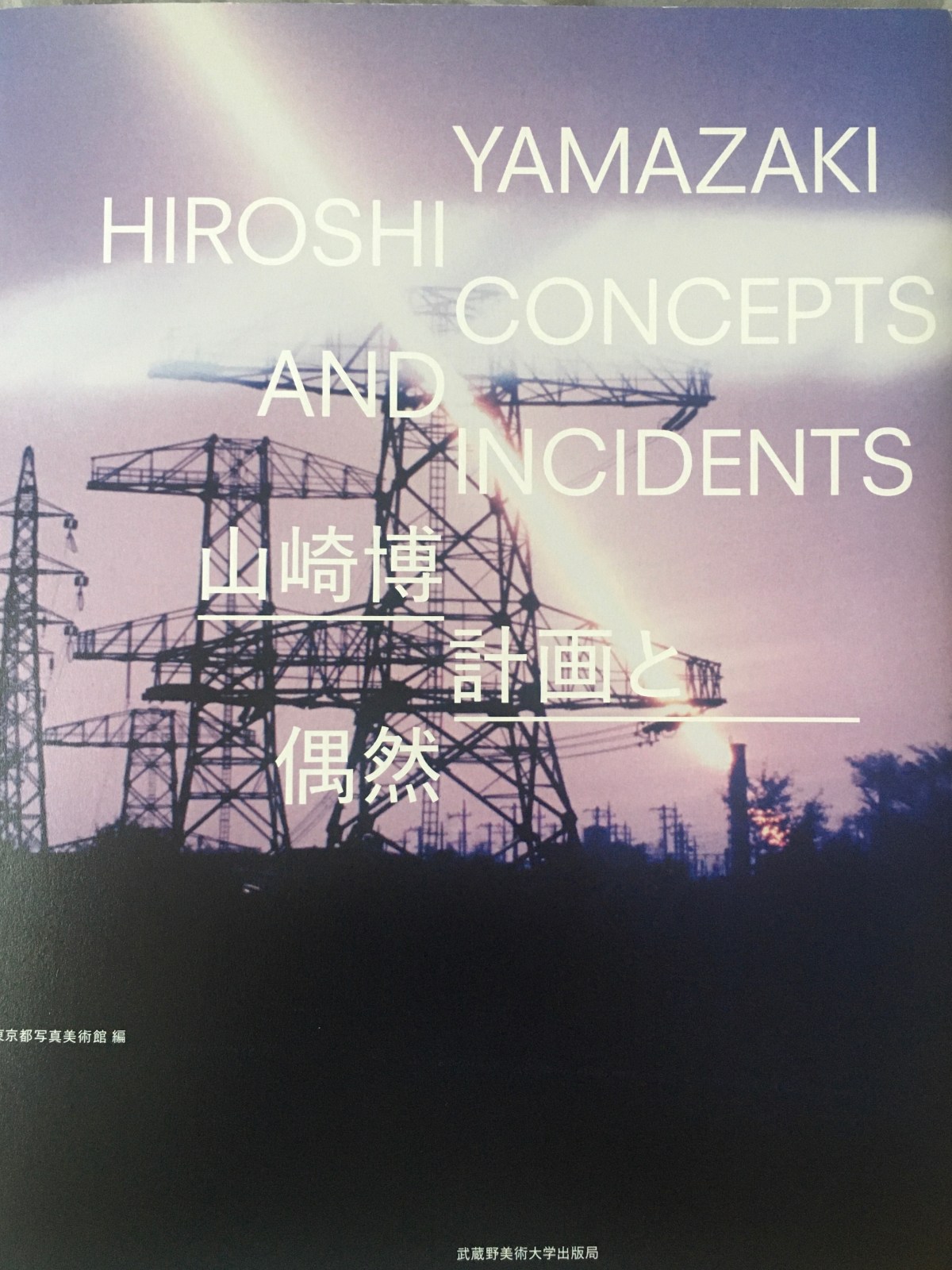
Yamazaki Hiroshi, Concepts and Incidents 山崎博 計画と偶然

A different sort of post today.

Since the cinematic works of Yamazaki Hiroshi are, to say the least, not really available ー I was lucky enough to attend a retrospective dedicated to his experiments in 16mm, organized by the Image Forum Festival a couple of years ago (you can read more here) ー I thought it would be interesting to post here some of his photographs. After all he was first and foremost a photographer, a conceptual photographer to be more precise, whose works as a filmmaker were a continuation of the path created and explored with his still images.

On s side note, it blew my mind to discover that he was the cameraman who shot the overworldy time-lapse images of the Sun in Ogawa Pro’s The Sundial Carved with a Thousand Years of Notches — The Magino Village Story (1986), a solar connection to be further explored, and another proof, if we needed any, of how the masterpiece shot in Yamagata was also the result of a collective effort, and an interwaving of influences and contributions from different artistic fields.

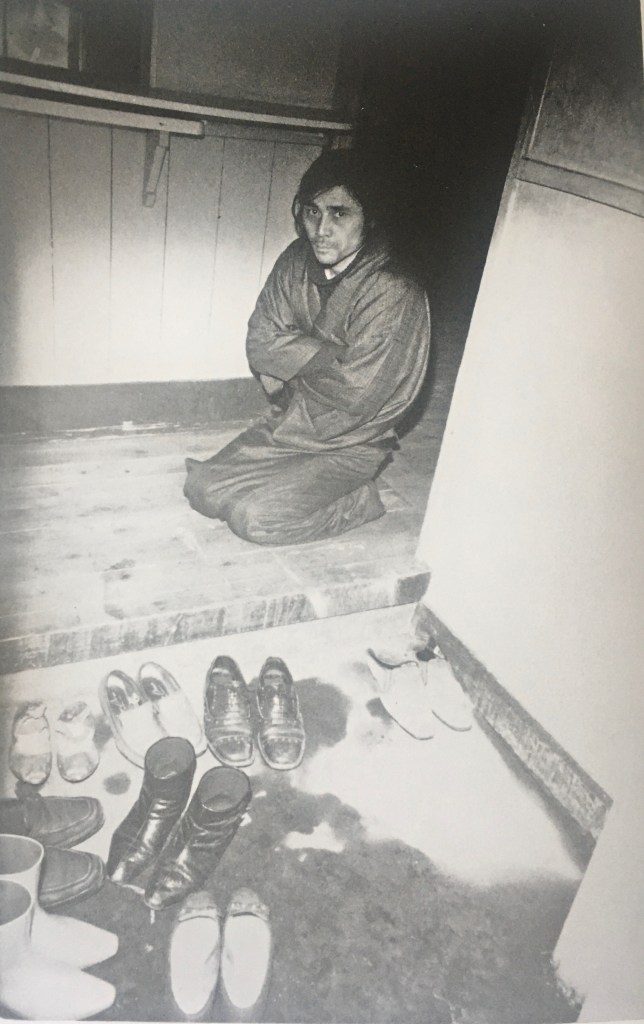
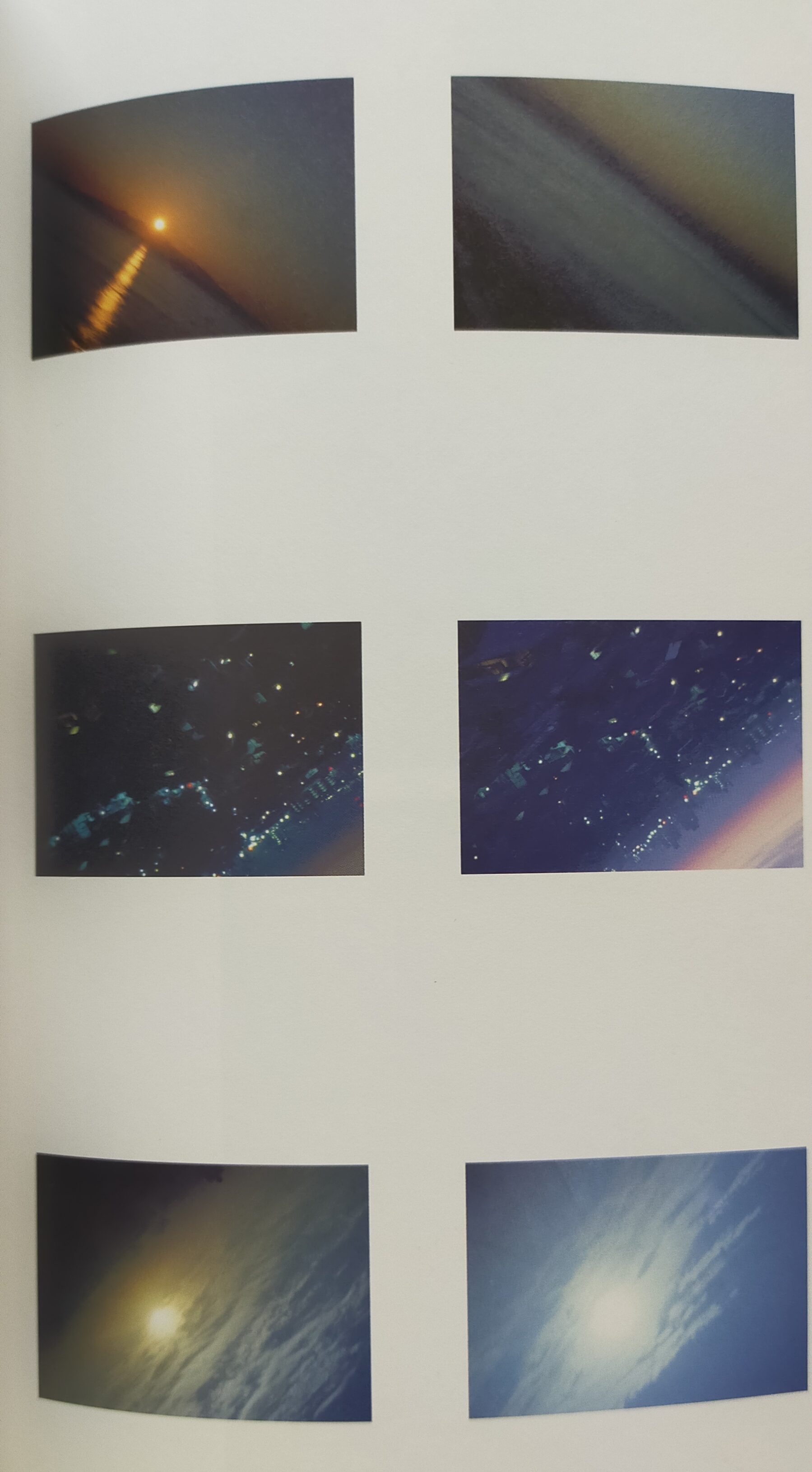
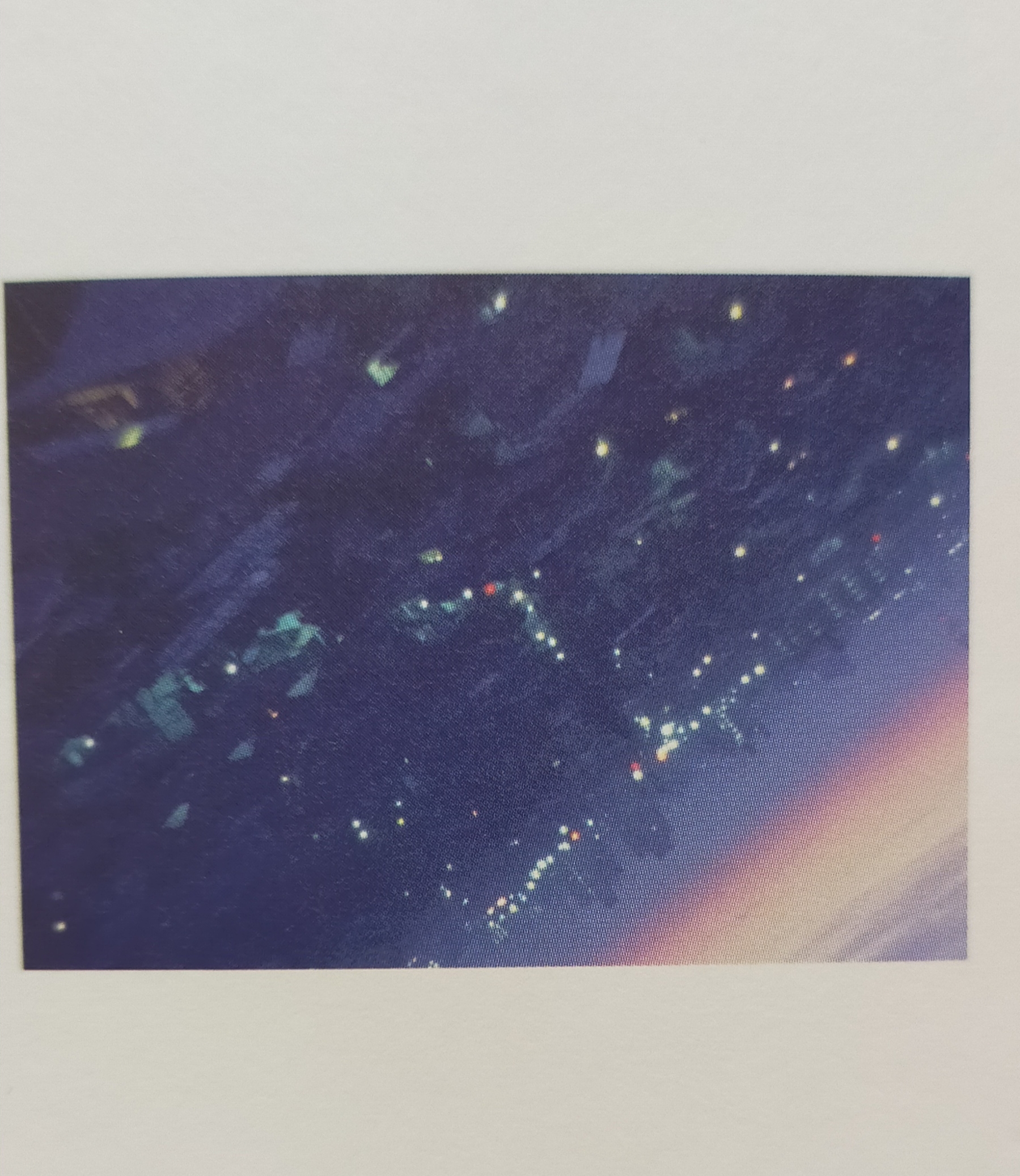
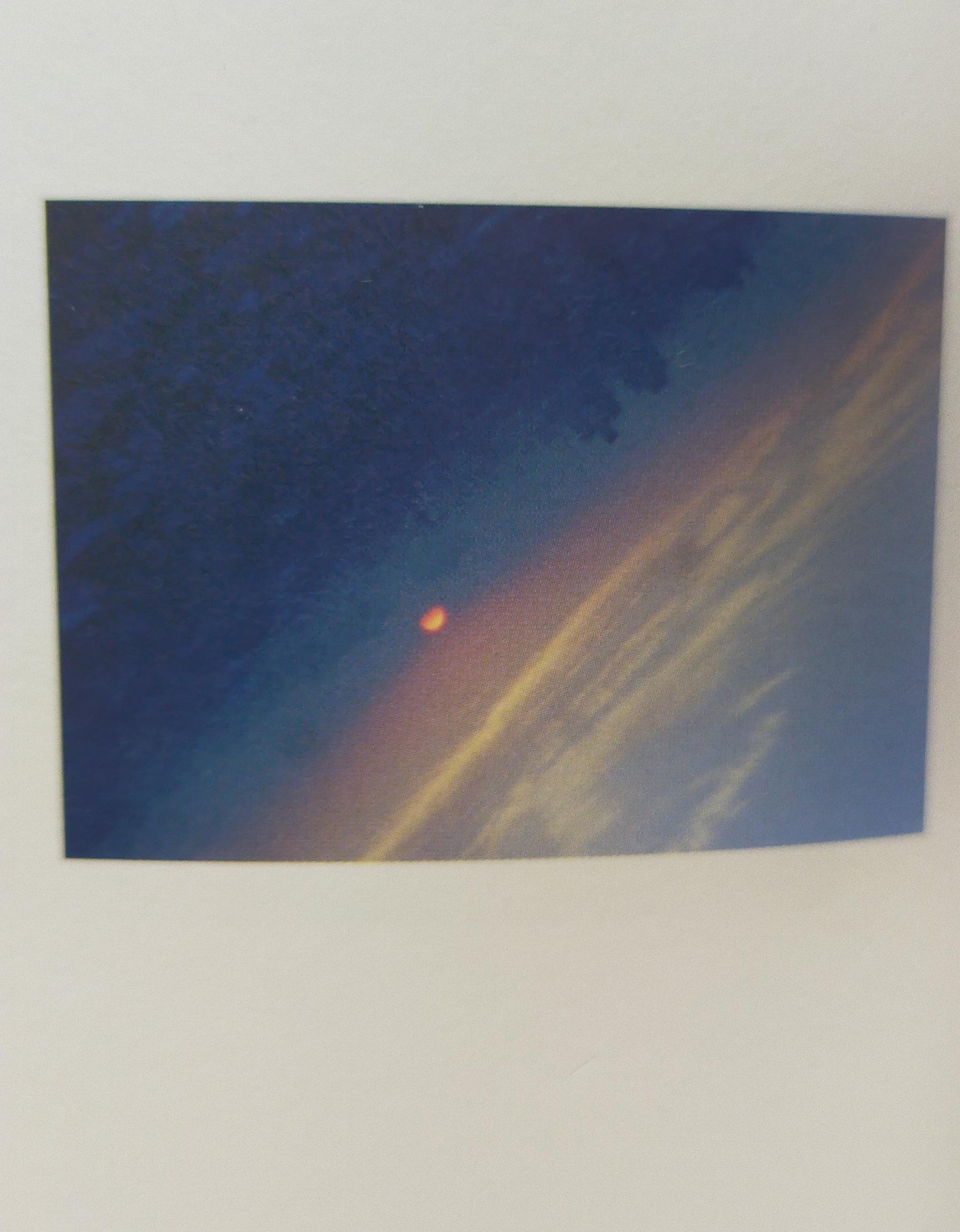
The following photos are taken from Yamazaki Hiroshi, Concepts and Incidents 山崎博 計画と偶然, an English/Japanese catalogue published on the occasion of an exhibition organized at the Tokyo Photographic Art Museum in 2017. The volume covers Yamazaki’s career from his debut, at the end of the 1960s, until his late works, and it’s divided in chapters following the different phases, approaches and interests in photography and film throughout his life, he passed away in June 2017, less than a month after the end of the exhibition.

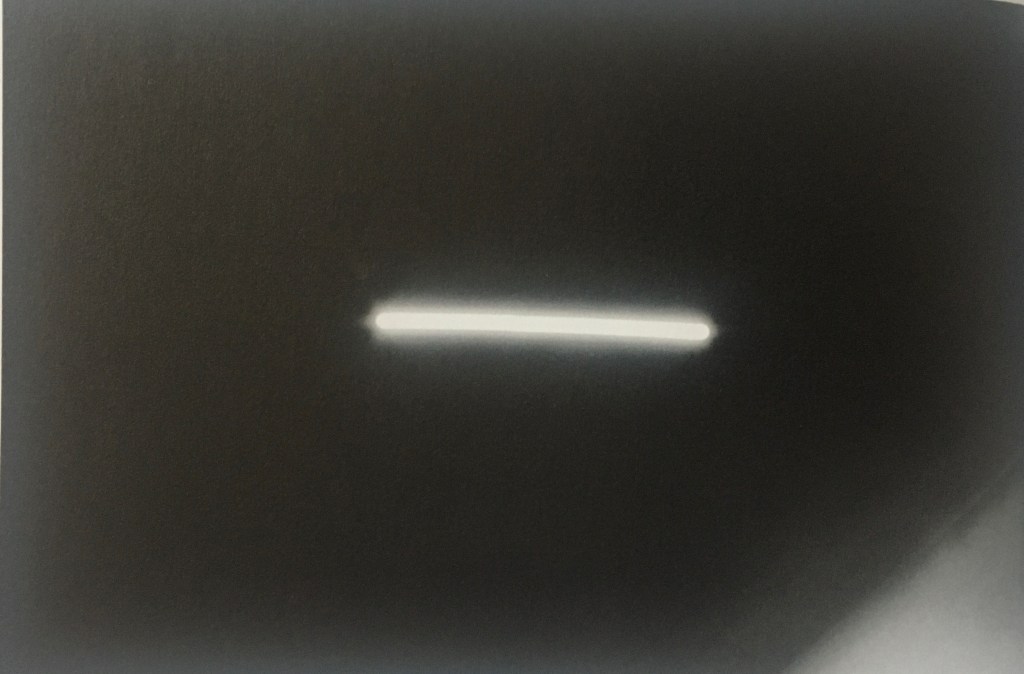
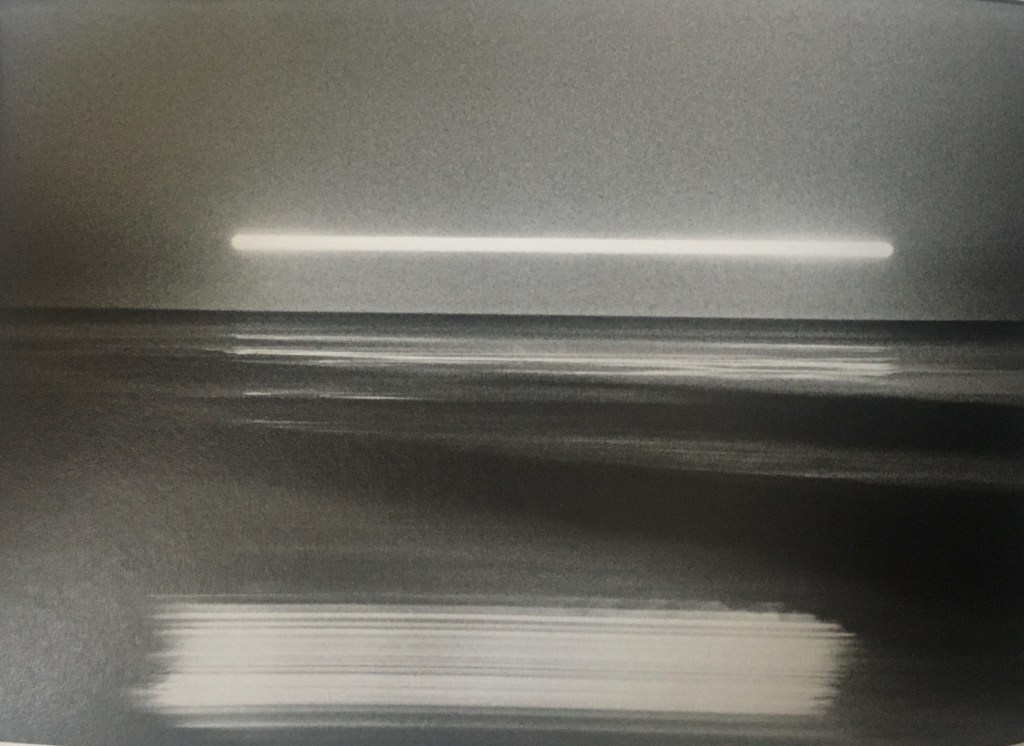
Stills from Heliography (1979), in my opinion Yamasaki’s masterpiece
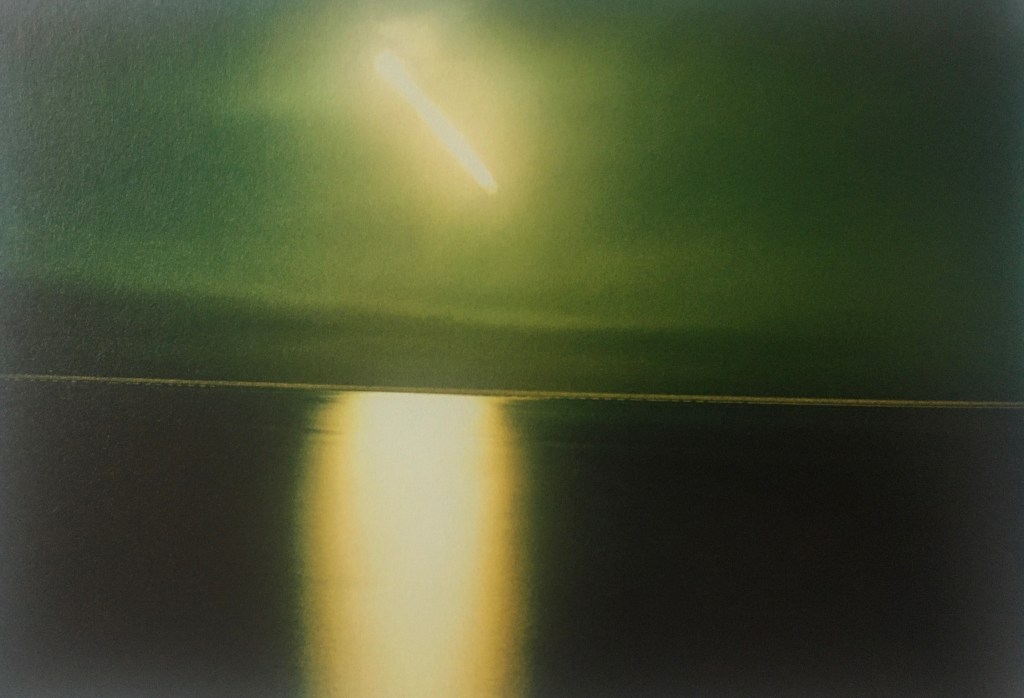
Stills from a video experiment, Flower in the Space (1989)

Movie journal (Sept 2020): Toro Axe Part 3: All Things Change, The Tide Pool, Ainu My Voice, The Dawn of Kaiju Eiga

The Covid-19 and the consequent pandemic has also been affecting the film festival circuit around the globe, with many festivals forced to cancel their events, postpone them or moving the screenings online. As bad as the situation is (first world problems of course), this shift in the showing practice, we all hope it’s a temporary solution, gave me the chance of “attending” the virtual edition of a couple of film festivals that under normal circumstances I wouldn’t have been able to be at. The Udine Far East Festival and the Cinema Ritrovato in Italy, and more recently the EXiS Film Festival in South Korea, and the Yubari International Fantastic Film Festival here in Japan. Below are some thoughts about a couple of documentaries I had the opportunity to watch at these events.

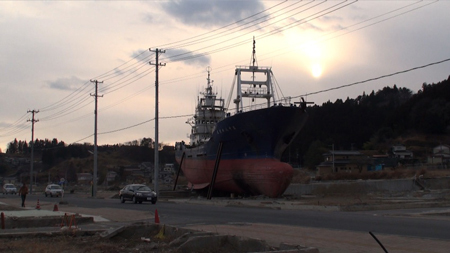
Toro Axe Part 3: All Things Change (2012, 35′) is Matsumoto Toshio last work, a collaborative video project produced by Sano Gallery initially in 2009, in which six co-writers would participate and create an omnibus film. At first, Matsumoto was not supposed to be involved too much in it, but in 2011 the Great East Japan Earthquake and the consequent nuclear disaster had such a strong impact on him, that Matsumoto decided to change the shape of the project. This new work became a trilogy titled Tōrō no ono, the third installment, All Things Change, was screened at this year EXiS Film Festival (online).

蟷螂の斧: 万象無常 Toro Axe Part 3: All Things Change

The origin of this project was the experience of the horrific disaster (earthquake and nuclear accident) that took place in 2011. This event was so powerful that it changed the way humans see and value things. If we don’t look directly at at the fundamental way death and life are entangled, we will not be able to move forward. For this reason, this visual work became even more disorganized and destructive than “Pilgrimage into Memory” the second installment, containing all different sort of noises and creating a dissonant vortex of chaos. (Matsumoto Toshio)

The film consists of videos shot and produced by 5 artists, Tanotaiga, Inaki Kanako, Oki Hiroyuki, Kunito Okuno, and Tanaka Tanako, blended together by Matsumoto, an attempt, according to the director himself, to get rid of the individuality of the artist, and to create or to move towards an anonymous subjectivity. His last involvement in a visual work as a manipulator of images is the perfect sum of his career, everything he made and worked on during his life resonates throughout this collaborative film, from his early preoccupations about the filmmaker/image maker’s subjectivity, to his interest in the process of the creation of moving images.

The first five minutes are almost like a work by Makino Takashi, colours and particles in motion that leaves room, in the rest of the movie, to a more traditional video documentary about the triple disaster of 3.11. The interest of Matsumoto and his collaborators towards the pullulating life (worms, flies, but also a new born baby) among the landscape of death of the ruins and wreckage left by the tsunami, is as disturbing as it is fascinating. The endless pulse of life, life here considered in its broader meaning encompassing also death and destruction, is not only conveyed through the scenes of swarming insects and the arrival of a new life to this world, but also, in pure Matsumoto style, is embedded in the plasticity and throb of images.

The title is fascinating in itself too, 蟷螂の斧 (tōrō no ono) is a maxim signifying a futile endeavor like a “mantis brandishing a hatchet”, while mujō of the title of the installment, 万象無常 (banshō mujō) All Things Change, is the Buddhist anitya meaning impermanence, and banshō signifies all the creation, the universe.

Ainu My Voice アイヌ, 私の声 (Tomida Daichi, 2020) was presented at the Yubari International Fantastic Film Festival (online) section dedicated to women’s empowerment, a collection of shorts dealing with the lives of female subjects, a wide and diverse range of subjects, in contemporary societies.
Shot and composed like a TV commercial, after all it was produced by the fashion magazine MINE, the movie is nonetheless an interesting dive, albeit short ça va sans dire, on a young Ainu woman who is trying to make sense of her life and her belonging to a minority group in contemporary Japan and beyond, in the course of the film she also visits a tribe of native Indians in America. You can watch, legally, Ainu My Voice here.

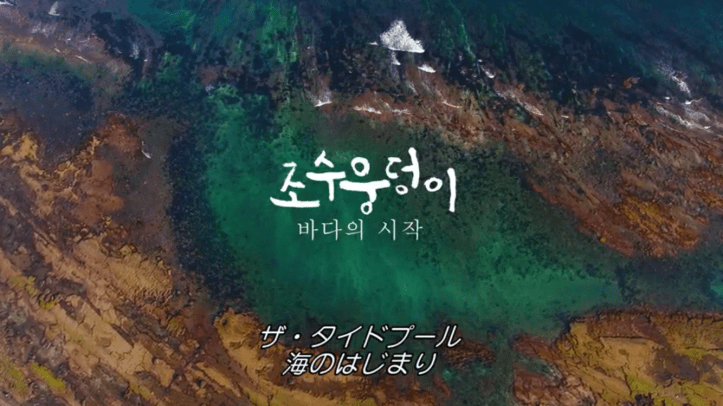
The Tide Pool: Where the Ocean Begins (Lim Hyung Mook, 2019) is a movie about the tide pools in Jeju island, South Korea, and their complex ecosystem. As the official description says “A tide pool is an isolated pocket of seawater found in the ocean’s intertidal zone (…) areas where the ocean meets the land: from steep, rocky ledges to long, sloping sandy beaches and vast mudflats.”

An above-average documentary about marine life that is elevated by a stunning photography and a smart use of music. A very “traditional” science documentary, make no mistake about it, with narration, explanations, and an educational purpose at its core, but the images are so beautiful and the colours so popping that it is easy to understand why it was included in a festival about the fantastic.

I’m cheating a bit here, The Dawn of Kaiju Eiga (Jonathan Bellés, 2019) is not properly speaking a documentary produced or made in Asia, but nonetheless it is about a very Japanese phenomenon, the Kaiju eiga. Bellés explores the connections between the advent of Kaiju movies, especially Godzilla, and the horrific history of Japan and atomic bombs. Nothing special and nothing new for an average but well-informed Godzilla fan, but if you’re new to the subject, it might work as a portal. As already noted by many reviewers, while there are some interesting interviews with people who worked for the Godzilla franchise throughout the decades, the lack of images from the movies ruins the enjoyment of it (the movie is made almost completely of interviews). It is by no means the director’s fault, Tōhō and more in general Japanese movie companies are famous for their closure of mind in regards to the usage of images from their works (unless you pay of course, pay a lot).

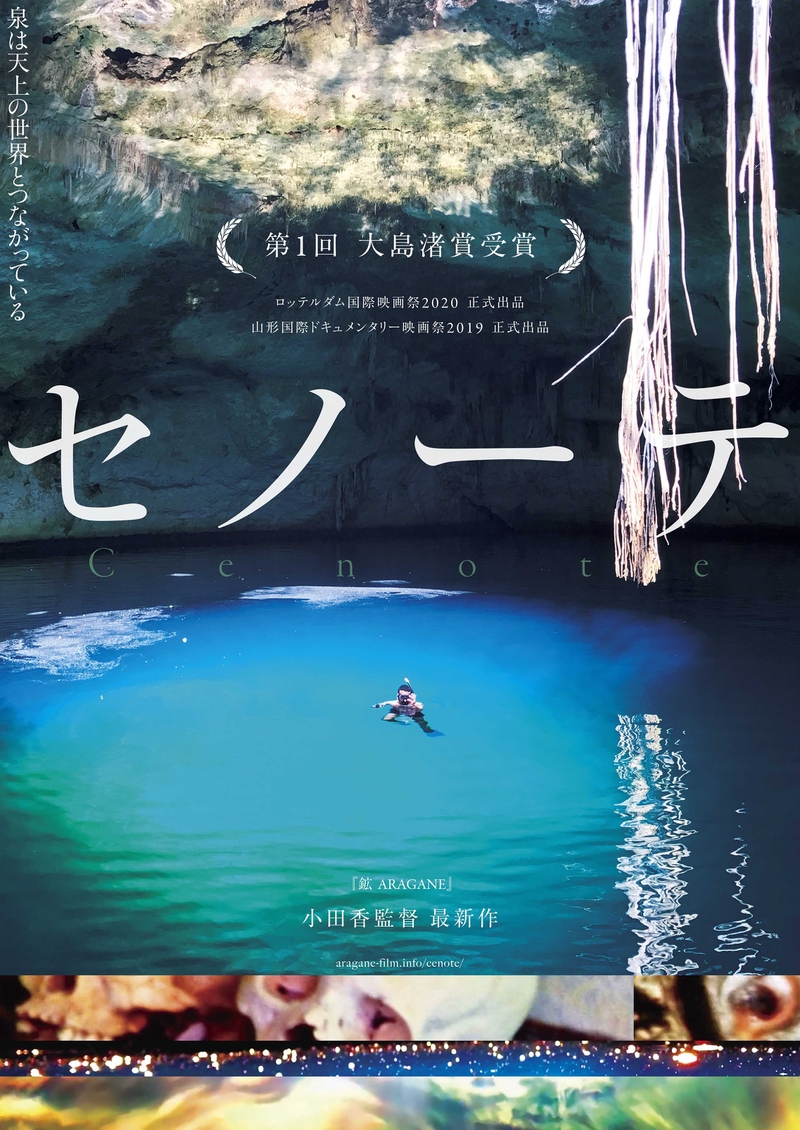
Cenote (Ts’onot) セノーテ (Oda Kaori, 2019)

I wrote a longer and in-depth piece on Cenote, Aragane, Towards a Common Tenderness, and Oda’s filmmaking more in general for a film publication (hopefully out next year), so what follows are just some of my thoughts on the movie, and my experience with Cenote after multiple viewings.
My interview with Oda, and my piece on Aragane.

The past and present of those living around the cenotes coalesce in this mysterious place. Long-lost memories echo in hallucinatory turquoise underwater footage, an entrancing game of light and dark. Swimming in these sinkholes, director Oda Kaori encounters intriguing shapes and beams of light, the water heaves, drops fall like razor blades.

After debuting on the international scene with Aragane in 2015, although Thus a Noise Speaks (2010) was her actual debut in the film/documentary scene, two years later young filmmaker Oda Kaori released Towards a Common Tenderness, her second feature film. This is a movie about her journey from Japan to Europe, and there across the borders of the former Yugoslavia, and also about the possibilities, limitations, and responsibilities that come with documentary filmmaking.                                                                                                                                  Her new film, Cenote, is again shot outside of Japan, this time in Northern Yucatan, Mexico, and almost completely filmed with an iPhone inside a few ts’onot/cenotes, sinkholes that were used by ancient Mayans as a primal source of water. Some of these sinkholes were also used during ritual sacrifices, and in the Mayans belief system they were considered holy springs able to connect this world to the afterlife.

When I first saw Cenote at a special screening organized at the Aichi Arts Center in Nagoya exactly a year ago, in July 2019 (the movie was partly funded by the venue), what impressed me the most were the first twenty minutes of the film. It was an exhilarating sensorial experience, almost an unveiling of a new world: the abstract images shot underwater and those gliding on the surface of the liquid, blended with grainy images of people whispering old Mayan stories, all of this soaked in a haptic soundscape, are to this day one of the best combination of images and sound I saw on screen in recent years. However, the second part of the work did not really work for me, the incredible first part was not followed by an equally intense second half, I couldn’t completely connect with it, especially with the way the movie was constructed. This was my reaction after the first viewing, anyway.

In the months that followed, I had the chance to watch Cenote several more times, one more time on the big screen at the Yamagata International Documentary Film Festival in October, and later on through a screener I was kindly given. After multiple viewings some recurring patterns and figures presented throughout the movie started to slowly reveal, and Cenote began to resonate with me in a very different manner compared to when I first saw it. I realized how the whole work is permeated with a dialogic tension, a relation between complementary opposites. For instance, cenotes as a geological phenomena resulting from the impact of a shower of meteorites with the crust of the earth, on the one side, and these sinkholes as a mythical space connecting with the afterlife, on the other. A tension between opposites that is also embodied in the aesthetics deployed by Oda, the digital images shot underwater with an iPhone are counterpointed with those shot in Super 8 and depicting faces, animals, festivals, and ceremonies honoring the dead. This exploration of afterlife and the deceased and their relation with the space they used to inhabit is what especially surfaced for me after multiple viewings. The connection between the dead and the living, and the blurring of the two reigns is made more explicit in a brief and beautiful passage when the movie gazes at funeral rituals in the area, when human bones and skulls are brushed, polished and collected with extreme care as remnants of past lives, but somehow still very present.

While I think Aragane is a more accomplished and well-balanced work, I believe Cenote is a more deep (non pun intended) and powerful visual experience, and definitely a film more important for Oda’s career. First of all,  the movie gave her the chance to became the recipient of the first Ōshima Nagisa Prize, an award newly established by Pia Film Festival for “young, new talents who pioneer the future of film and attempt to spread their wings around the world”, and secondly to be invited to different film festivals around the world, such as Nippon Connection and Japan Cuts. This international recognition will hopefully expand even further her career, giving Oda the chance, and the funds, to work on the next project. It seems that after having explored two of the classic elements of nature, earth in Aragane, and water in Cenote, she would like to make her next work in (!) and about space, as she stated in a couple of interviews.
More importantly from an aesthetic point of view, with Cenote Oda not only went back to the sensorial filming approach used in Aragane, but she also expanded it and enriched it with the poetic touches that permeates Towards a Common Tenderness. As I wrote at the beginning of this article, the peaks in Cenote are very high and point towards an idea of cinema and filmmaking that, in my opinion, has yet to realize its full potential.

Asian documentaries on streaming platforms, 2: Doc Alliance/DaFilms

This is the second installment of an ongoing series of posts where I highlight some of the documentaries from East and Southeast Asia, offered on the most popular streaming platforms around the globe.

Read part 1, The Criterion Channel

DaFilms/Doc Alliance

Founded in 2008, Doc Alliance is a partnership of seven European documentary film festivals: CPH:DOX, Doclisboa, Docs Against Gravity FF, DOK Leipzig, Marseille Festival of Documentary Film, Jihlava International Documentary Film Festival, and Visions du Réel. The streaming platform is called DAfilms and if you are interested in discovering the broad spectrum of documentaries made in all parts of the globe, this is by far the best streaming service available.
As the name indicates, the platform is dedicated exclusively to non-fiction, here to be understood on its broader sense, and although the service is mainly focused on European cinema, the East and Southeast Asian section is well represented.
The list is long, I’ve divided the movies by country, adding here and there few lines of comment.

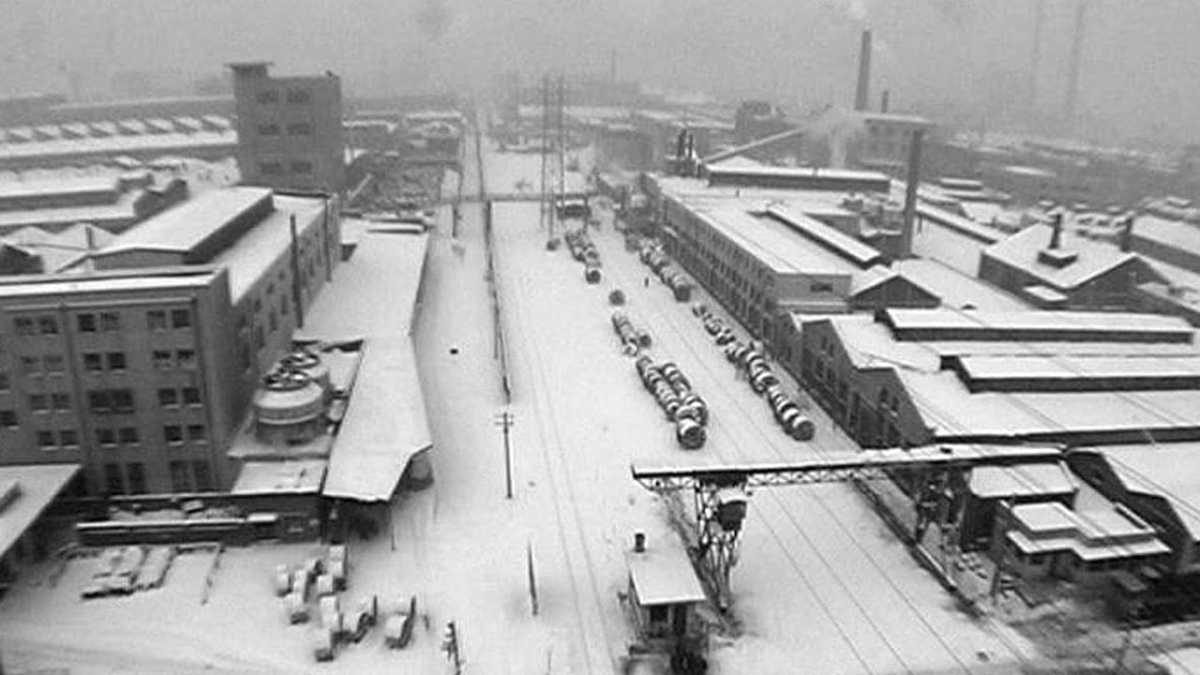
West of the Tracks (Wang Bing, 2003) China

One of the most important and influential documentaries of this century, and a mesmerizing masterpiece. Revolutionary.

Double Happiness (Ella Raidel, 2014) China, Austria

Double Happiness (Otsuka Ryuji, 2014) China
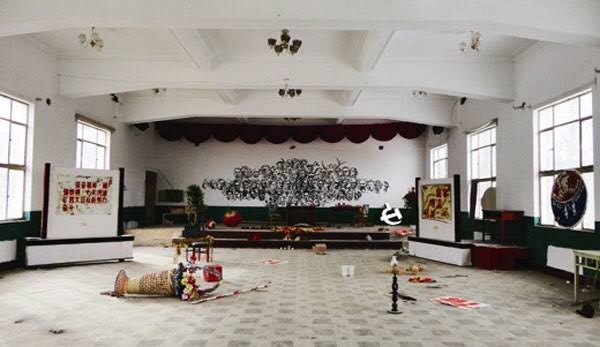
P. J. Sniadecki is one of the most interesting directors working between documentary and experimental cinema today. Watch all of his movies if you can, my personal favourites are Demolition, Yumen, People’s Park and The Iron Ministry.

Songhua (P. J. Sniadecki, 2007) China, United States

The Yellow Bank (P. J. Sniadecki, 2010) China, United States

Bailu Dream (Nicolas Boone, 2012) China, France

Demolition (P. J. Sniadecki, 2008) China, United States

Yumen (Xiang Huang, Xu Ruotao, P. J. Sniadecki, 2013) China, United States

People’s Park (Libbie D. Cohn, P. J. Sniadecki, 2012) China, United States

The Iron Ministry (P. J. Sniadecki, 2014) China, United States

Open 24 Hours (Xavi Camprecios, 2004) Spain, China.

A Hundred Patients of Dr Jia (Wang Hongjun, 2014) China

Disorder (Huang Weikai, 2009) China

731: Two Versions of Hell (James T. Hong) China, Taiwan, United States.

Ta’ang (Wang Bing 2016) Hong Kong SAR China, France

Alone (Wang Bing, 2012) France, Hong Kong SAR China
Few years back I wrote a short post on the movie

Silent Visitors (Jeroen Van Der Stock, 2012) Belgium, Japan.

August (Mieko Azuma, 2011) Japan, Germany.

Peace (Soda Kazuhiro, 2010)Japan, South Korea, United States.

Sofa Rockers (Timo Novotny, 2000) Austria, Japan.

Haiku (Naomi Kawase, 2009) Japan.

Most of the works from the Philippines are from the past decade and by Khavn De La Cruz, once called “the most prominent member of Philippine independent cinema”.

The Muzzled Horse of an Engineer in Search of Mechanical Saddles (Khavn De La Cruz,2008) Philippines.

Philippine New Wave: This Is Not a Film Movement (Khavn De La Cruz, 2010) Philippines.

Can and Slippers (Khavn De La Cruz, 2005) Philippines.

Son of God (Khavn De La Cruz, Michael Noer, 2010) Denmark, Philippines.

Squatterpunk (Khavn De La Cruz, 2007) Philippines.

Kamias: Memory of Forgetting (Khavn De La Cruz, 2006) Philippines.

Our Daily Bread (Khavn De La Cruz, 2006) Philippines.

Rugby Boyz (Khavn De La Cruz, 2006) Philippines.

Bahag Kings (Khavn De La Cruz, 2006) Philippines.

Ex Press (Jet Leyco, 2012) Philippines.

State of Play (Steven Dhoedt, 2013) Belgium, South Korea.

Tour of Duty (Dong-ryung Kim Kyoung-tae Park, 2012) South Korea.

img_4261.jpg

I’ve written a in-depth analysis on contemporary Taiwanese documentary a couple of years ago, and Letter #69 is to this day one of the best and more satisfying blend between experimental cinema and political non-fiction, I’ve had the chance to watch in recent years.

Letter #69 (Hsin-I Lin, 2016) Taiwan

In Memory of the Chinatown (Chun-tien Chen, 2015) Taiwan.

Face to Face (Chuan Chung, 2013) Taiwan.

Trace of the future according to Khoa Lê (Khoa Le, 2014) Taiwan.

Temperature at Nights (Yin-Yu Huang, 2103) Taiwan.

Temperature at Nights (Yin-Yu Huang, 2014) Taiwan.
Yamazaki Hiroshi and light

When last August I attended the Image Forum Festival in Tokyo, one of my regrets was not having the time to be at a special focus dedicated to photographer and filmmaker Yamazaki Hiroshi. As I wrote in my report, one of the good points of the festival is that it is touring, although with a downsized program, in other parts of the country. When I saw the schedule of the screenings in Nagoya in September, I seized the opportunity and spend an afternoon immersing myself in the experimental films of Yamazaki.

Born in Nagano Prefecture in 1946 Yamazaki Hiroshi became a freelancer photographer after dropping out from Nihon University where he studied at the Department of Arts. Parallel with his career in photography, for which he is known in Japan and at an international level, some of his works are displayed at MoMa, Yamazaki developed a passion for the moving image and in 1972 started to shoot short movies in 8mm and 16mm. His experimental short films are a natural continuation of his work in photography, albeit there’s an obvious difference in tone between the two. Moving freely back and forth from still photography to moving images, Yamazaki’s central preoccupation throughout his career has remained the same: the role light and time play in creating images through the mechanical apparatus. His photos are thus not about depicting human beings, situations or even landscapes, they’re more on the verge of creating and conveying something new, something that is dormant in the everyday reality and must be brought to the surface to be seen. Almost like an artist playing with the relativity theory, by distorting time Yamazaki is modifying the shape of light and thus the reality he presents in his works. Often, and rightly so, defined as conceptual photographer, his works are more akin to the paintings of Klee, Pollock or other artists who were shifting the limits between natural representation and abstract art, that to the works made by his contemporary colleagues.
Yamazaki got his first big recognition in 1983 for a series of time-exposed photographs of the sun over the sea, one of the themes that he has been pursuing and investigating throughout his entire career, and a theme very present in all the works screened at the event.

Eighteen works were screened, some in their original format (8mm, 16mm), some others digitally, and they were divided into two sections. The last film screened, The Seas of Yamazki Hiroshi, was an homage to Yamazaki as an artist, friend and peer by photographer Hagiwara Sakumi. Planned and organised by the festival as a special screening to honour and remember an important Japanese photographer and filmmaker, it was for me a special occasion to experience, in one sitting, the attempts and experiments of an artist I didn’t know in a new medium. Here the works screened:

FIX YAMAZAKI Hiroshi / 16mm / 5min. / 1972 / Japan
FIXED-NIGHT YAMAZAKI Hiroshi / 16mm / 6min. / 1972 / Japan
FIXED STAR YAMAZAKI Hiroshi / 16mm / 7min. / 1973 / Japan
A STORY YAMAZAKI Hiroshi / 16mm / 6min. / 1973 / Japan
60 YAMAZAKI Hiroshi / 16mm / 1 min. / 1973 / Japan
NOON YAMAZAKI Hiroshi / 16mm / 3min. / 1976 / Japan
Observation YAMAZAKI Hiroshi / 16mm / 10min. / 1975 / Japan
epilogue YAMAZAKI Hiroshi / 16mm / 1 min. / 1976 / Japan
MOTION YAMAZAKI Hiroshi / 16mm / 10min. / 1980 / Japan
GEOGRAPHY YAMAZAKI Hiroshi / 16mm / 7min. / 1981 / Japan
[kei] 1991 YAMAZAKI Hiroshi / video / 13min. / 1991 / Japan

VISION TAKE 1 YAMAZAKI Hiroshi / 8mm / 3min. / 1973 / Japan
VISION TAKE 3 YAMAZAKI Hiroshi / 16mm / 3min. / 1978 / Japan
HELIOGRAPHY YAMAZAKI Hiroshi / 16mm / 6min. / 1979 / Japan
WALKING WORKS YAMAZAKI Hiroshi / 16mm / 5min. / 1983 / Japan
3・・・ YAMAZAKI Hiroshi / 16mm / 5min. / 1984 / Japan
WINDS YAMAZAKI Hiroshi / 16mm / 6min. / 1985 / Japan
Sakura YAMAZAKI Hiroshi / video / 19min. / 1989 / Japan
The Seas of YAMAZAKI Hiroshi HAGIWARA Sakumi / digital / 20min. / 2018 / Japan.

Among these works, three stood out for me. Observation (1975) is a ten-minute film, shot in 16mm, in which he created the illusion of twenty-eight suns arching over the sky in his neighborhood, and Sakura/Flowers in Space, shot on video in 1989, is a reflection on film of the ideas he captured in a series of photos towards the end of his career. Cherry blossoms are here depicted against the Sun, thus losing all the color and beauty they are usually associated with, and mutating instead into black shapeless figure of almost phantasmatic solitude.

But the absolute highlight was Heliography, a continuation but also a variation of what Yamazaki had being doing for more than 10 years with his photos, resulting in one of his most well known series, Heliography, released in 1974. In this series of photos of stunning visual impact Yamazaki subtracts all the unnecessary elements that usually are linked to a beautiful costal landscape, focusing primarily on the sun and the sea, captured here through very long exposures.
Seeing Heliography was for me almost a transcendental experience, and for a variety of different reasons. First of all because it came after an hour of seeing his short experiments in 8mm and 16mm, most of them interesting from a photographic point of view and in tracing a path in his oeuvre, but almost forgettable as stand alone works. Heliography arrived also as a natural progression of his experiments on film, but at the same time as a deviation and something completely new as well. It is visually and conceptually one of the most compelling films I have seen this year, six minutes of pure bliss. Like in La Région centrale, the oblique images of the Sun over the sea and the eye of the camera fixed and fixated on the star with everything else moving around, unanchor the viewers from the Earth, liberating and disengaging the vision from the human eye and re-centering it around the drifting Sun in what becomes in the end an astral landscape.

To add one more layer to the experience, I really believe that had I watched all the works at home on a TV, non matter how big, Heliography would not have retained the same majestic power, I know I’m stating the obvious here for most cinephiles, but certain type of experimental cinema should be absolutely seen in theater.