Yamagata International Documentary Film Festival 2023. Noda Shinkichi, Trinh T. Minh-ha, Miko Revereza, and more

After the special online edition of 2021 (the in-person event was canceled due to the pandemic), starting from today the Yamagata International Documentary Film Festival is back in its regular format. For a week, October 5-12, the city in Northern Japan will be the capital of non-fiction cinema, with screenings, events, workshops, and meetings on and around the varied landscape of international documentary, with a special focus on Asia. If you want to have a look at the program, check the official page of the festival.

This will be my 5th edition (6th counting the online one), and the main focus for me will be following, as much as possible—but as usual everything changes during the festival—the huge retrospective on the works of Noda Shinkichi (1913-1993). A poet, filmmaker, film theorist, and an important figure to understand the different evolutions and developments of documentary filmmaking in the archipelago during the 20th century. Some of his works (industrial, science, and folklore films) are available on the NPO Science Film Museum‘s official homepage for free; or for rental, on the platform Ethnos Cinema.

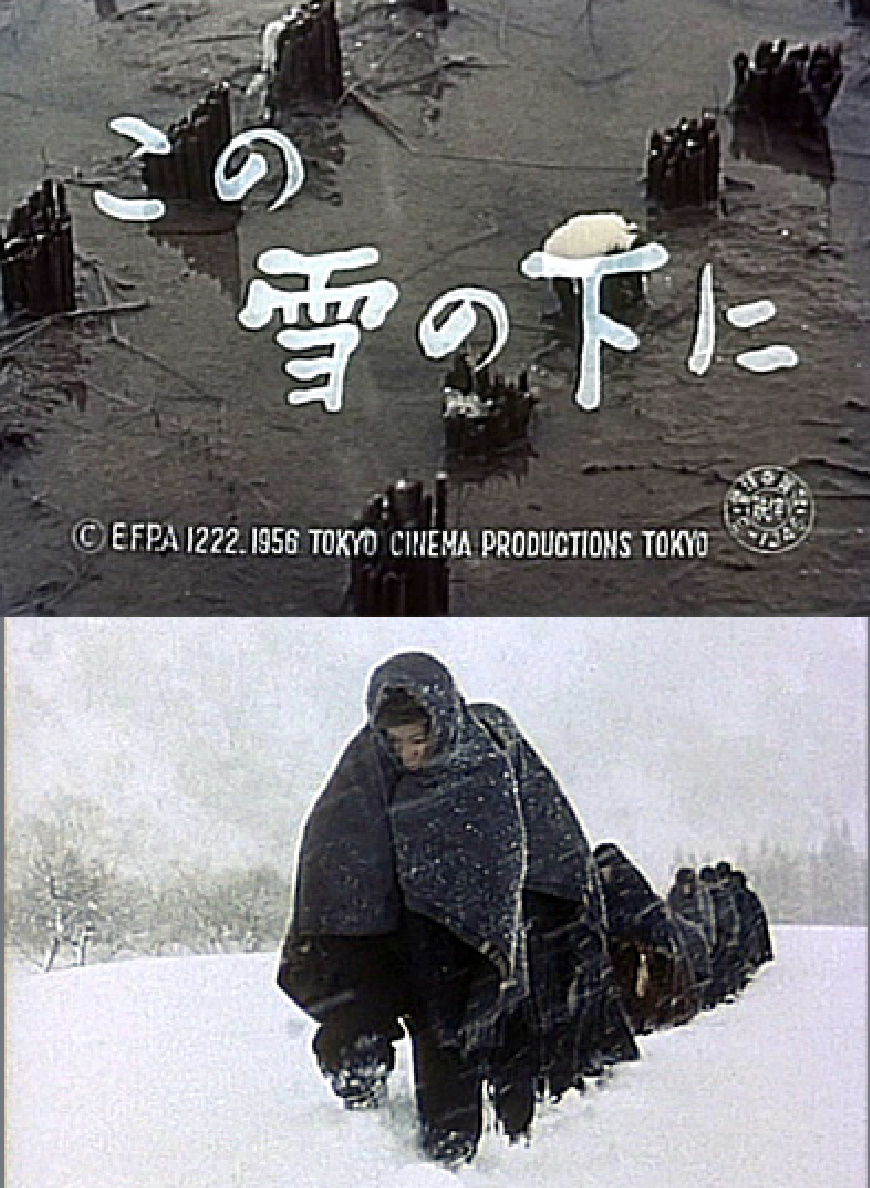
この雪の下に Country Life Under Snow (1956), for instance, is a fascinating depiction of the harsh life in a rural area in Yamagata prefecture, while オリンピックを運ぶ Transporting the Olympics (1964), co-directed with Matsumoto Toshio, focuses on the logistics and the behind the scene of the 1964 Tokyo Olympics. How things (boats, yachts, traffic cones, film reels, etc.) and animals (horses, pigeons) were transported from and to the capital.

One of the most relatively known works by Noda is マリン・スノー-石油の起源-Marine Snow – The Origin of Oil, co-directed by Ōnuma Tetsurō, a celebrated science film produced by Tokyo Cinema, sponsored by Maruzen Oil Co., and filmed using Eastmancolor. The short film describes the vertiginous span of time (millennia) in which sea plankton, through decomposition, turns into natural gas and oil. Commissioned by an oil company, and thus partly celebrating the petroleum industry— directly only in its last 5 minutes though—Marine Snow remains a visually astounding piece of science film, flawed by its own design and origin, but astounding nonetheless.
You can watch here the version with an English narration (I prefer the Japanese one, for what it’s worth).

These films are just a fraction of what will be shown in Yamagata, in total the Noda’s retrospective includes 38 works, produced between 1941 and 1991. A Japanese/English flyer with summaries for each film is available here.

I really look forward to learn more about this towering figure in Japanese documentary, also because his contribution to the art of cinema does not stop with filmmaking, but it encompasses also books on the subject. One I’m particularly interested in is 日本ドキュメンタリー映画全史 Nihon dokyumentarii eigashi (1984), a history compiled by listing and analyzing the individuals involved in making documentary films in Japan, from the beginning of cinema to the mid-1980s. Having leafed through the volume, I could see names I had never heard before. I’m excited to discover more.

If I’m not mistaken, this retrospective in Yamagata originates from a special program organized in 2020 at the National Museum of Art in Osaka, an event that was unfortunately canceled because of the pandemic. One of the positive outcomes of this phantom retrospective was the publication online of a series of essays (in Japanese) exploring Noda’s filmmaking and his role in Japanese non-fiction cinema.

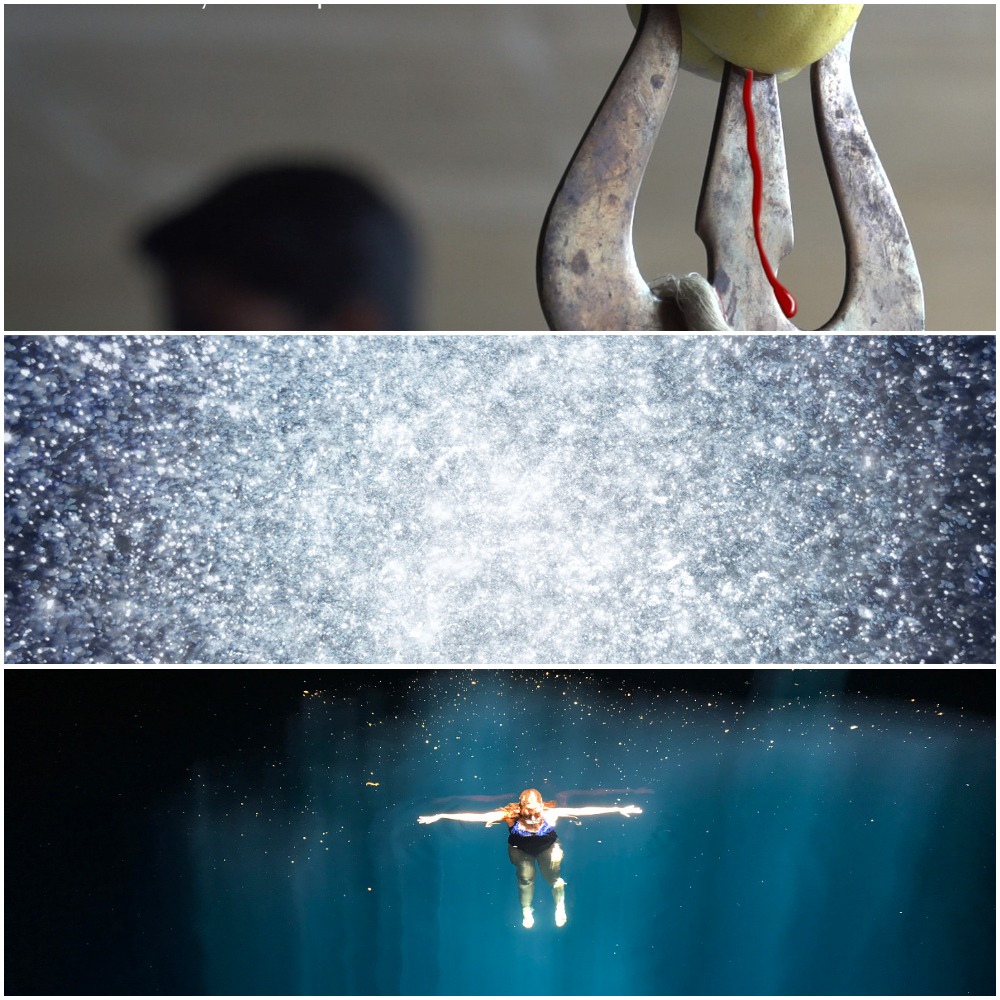
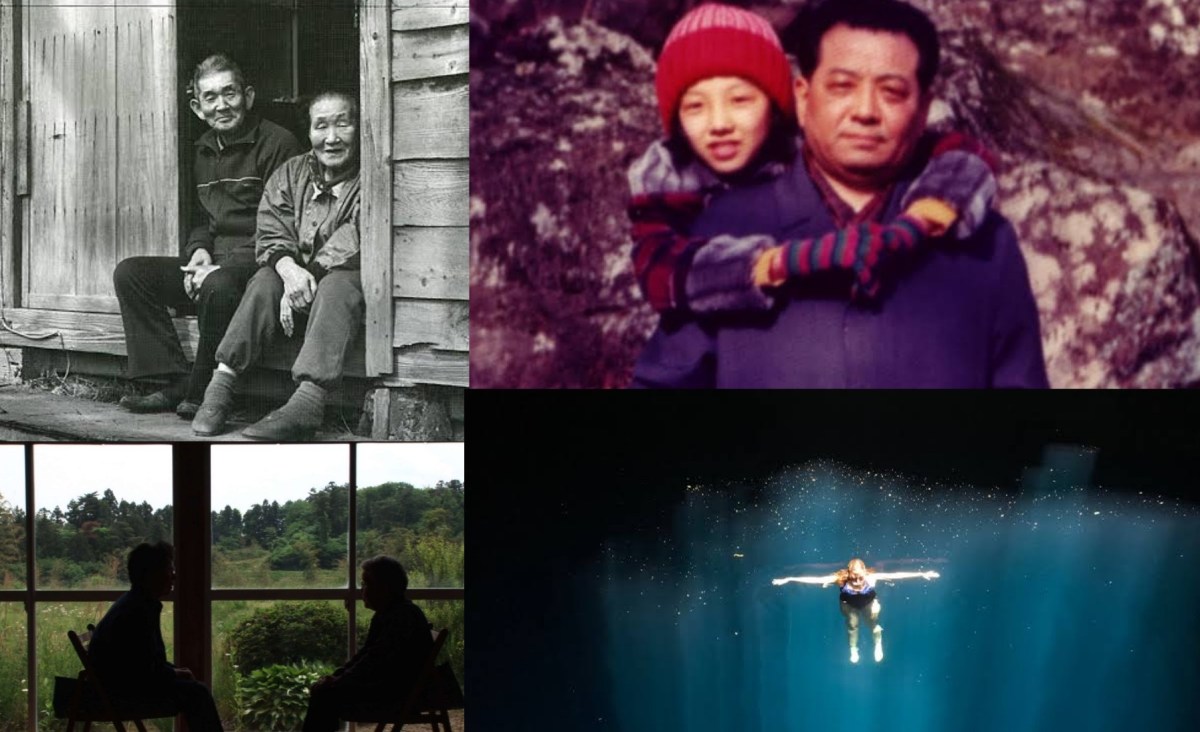
Naturally, many more works will be screened in Yamagata, the international competition, for instance, will present Self-Portrait: 47 KM 2020 (2023) by Zhang Mengqi, a friend of the festival who is bringing the newest entry of her ongoing film series shot in her hometown, and What About China? (2022) by theorist and filmmaker Trinh T. Minh-ha. One of my most anticipated works of the festival, the film was assembled using Hi8 video footage shot by the artist about 30 years ago.

New Asian Currents is usually a section that does not disappoint, and in past editions, it was a chance for me to make some big discoveries. This year, one of the threads of the program seems to be a special attention towards Myanmar and the ongoing resistance to the current political situation in the country. Losing Ground (anonymous, 2023), Journey of a Bird (anonymous, 2021), and Above and Below the Ground (Emily Hong, 2023) are some of the titles dealing with the subject. Also in New Asian Currents, Gama by Oda Kaori (I’ve written about it here), and the always interesting Miko Revereza with Nowhere Near (2023).

Other programs of this year festival are Yamagata and Film, Cinema with Us 2023, Film Letter to the Future, Perspectives Japan, Double Shadows 3, and View People View Cities—The World of UNESCO Creative Cities.

Usually the most impactful viewings I had at the festival in the past—at any festival, to be honest—are those that came at me unexpected and that I discovered by chance or by word of mouth. Hopefully it will be the same this year.

Personal documentary, diary films, first-person cinema and “Self documentary” in Japan

Originally published in 2018, edited with some minor changes on September 2022, in remembrance of Suzuki Shiroyasu (1935-2022)

Cinephiles and film buffs on the internet, and specifically those active on social media, are often times obsessed by lists. Although I’m not a big fan of them when used to rank movies, it is nonetheless unquestionable that lists are one of the best tools, when properly used that is, to discover new movies and explore novel cinematic landscapes.

In the past month I’ve asked on Twitter to list some of the most significant or favourite personal documentaries/diary films made in Japan. Some friends were kind enough to reply and share some titles, some of which I wasn’t aware of.

With this feedback in mind, I started to collect my thoughts and compile a list of what I consider the most important personal documentaries made in Japan since the advent of cinema. I’ve also included some titles I have not seen yet, don’t kill me for this, but I’ve trusted what has been written and discussed by people I trust and respect.

Before starting to explore what the list has to offer, let me clarify what we mean when we talk about “personal documentary”. Keeping in mind that the definition is always vague, in flux and susceptible to change, and so is the term documentary, I think we can approach a sort of truthfulness by stating that personal documentaries are works often made, but not always, in the first person and about the life of the director/cameraman. For these reasons often they are also called, or more precisely they overlap with, diary films and first-person cinema.

In Japan the term often used to define this kind of works is “Self Documentary” セルフ ドキュメンタリー. Illuminating in this respect is this piece written by Nada Hisashi for the Yamagata International Documentary Film Festival in 2005. Also available on the YIDFF site, an interview with Matsumoto Toshio conducted by Aaron Gerow, in it the theoretician and director criticized some trends in the Japanese self documentary scene of the 1990s, a take that, for what is worth, I agree with:

there are problems with an “I” which doesn’t doubt its “self” and the so-called “I-films” (watakushi eiga) share those: they never put their “I” in question. Since they don’t attempt to relativize themselves through a relationship with the external world, they gradually become self-complete–a pre-established harmony.

With this in mind, let’s start:

Extreme Private Eros: Love Song 1974 (Hara Kazuo, 1974)

My favourite film by Hara Kazuo, at the moment, maybe together with Minamata Mandala, one of the cinematic highlights of the second part of his career. The movie is one of the first and finest examples of diary cinema and personal documentary in Japan, and contrary to what many films made in the following decades did, Extreme Private Eros is a sublime embodiment of the famous artistic motto of the 1960s and 1970s “the personal is political”.

Impressions of a Sunset (Suzuki Shiroyasu, 1975)

If Extreme Private Eros is where the Japanese personal documentary started, Impression of a Sunset is where the diary film à la Mekas emerged in the Japanese archipelago. Mostly unknown outside Japan, it’s in every way a diary composed by images where Suzuki, after buying a CineKodak 16 (a pre-war 16mm camera) at a second hand camera shop, starts filming his wife, his newborn baby and his workplace. With Impressions of a Sunset and other works such as 15 Days (1980), Suzuki is more a poet with a camera than a documentarian in the sense we give the term today.

Embracing (1992) and Katatsumori (1994)

Probably the most known personal documentarian from Japan, Kawase started her career with short home movies about the search for her father, who abandoned her as a child, in Embracing, and about the strong bond with her grandmother, who became de facto her adopted mother, in Katatsumori.

Memories of Agano (Satō Makoto, 2004)

I’ve written extensively about the movie and its hybrid and experimental qualities, clearly it’s much more than a personal documentary, but director Satō and his cameraman returning to the locations and the people filmed more than 10 years before in Niigata, make it a movie perfect for this list.

Dear Pyongyang (2006) and Sona, the Other Myself (2009) by Yang Yong-hi

A documentary by zainichi Korean director Yang Yong-hi about her own family. It was shot in Osaka (Yang’s hometown) and Pyongyang, North Korea. In the 1970s, Yang’s father, an ardent communist and leader of the pro-North movement in Japan, sent his three sons from Japan to North Korea under a repatriation campaign sponsored by ethnic activist organisation and de facto North Korean embassy Chongryon; as the only daughter, Yang herself remained in Japan. However, as the economic situation in the North deteriorated, the brothers became increasingly dependent for survival on the care packages sent by their parents. The film shows Yang’s visits to her brothers in Pyongyang, as well as conversations with her father about his ideological faith and his regrets over breaking up his family. In Sona, the Other Myself the director continues the exploration of her family, Sona is the daughter of her brother who moved to North Korea from Japan in the early 1970s. Narrating her story, the film shows the struggles of a generation that migrated from Japan to North Korea, and the life of their offspring, who were born and raised in North Korea. (from Letterboxd).

Ending Note: Death of a Japanese Salesman (Sunada Mami, 2011)

Recently retired from a company after some 40 years of service, Sunada Tomoaki, father of filmmaker Sunada Mami, is diagnosed with terminal cancer and only has a few months left to live. True to his pragmatic core, Sunada sets out to accomplish a list of tasks before his final departure: playing with his grandchildren, planning his own funeral, saying “I love you” to his wife, among others. (from Letterboxd)

Everyday is Alzheimer’s (2012), Everyday Is Alzheimer’s 2 – The Filmmaker Goes to Britain (2014) Everyday Is Alzheimer’s the Final: Death Becomes Us (2018) by Sekiguchi Yūka

Director Sekiguchi Yūka documents and depicts the daily life of her dementia-diagnosed mother and how this changed her family’s life.

Yongwanggung : Memories from Across the Water ( Kim Im-man, 2016)

Statement from the director: “Yongwangung was a Gutdang (shaman’s shrine) where first generation Korean women who crossed the seas from Jeju to Japan use to go before the Second World War. In 2009, I heard that the shrine was about to be demolished by the Osaka city government. My childhood memory of my mother praying in the kitchen came back when I was filming elderly women in Jeju. I felt the urge to have a shamanistic ritual for my mother who had been hospitalized.”

Home Sweet Home (Ise Shinichi, 2017)

This was one of the movies I was more eager to see last year, but unfortunately I couldn’t catch it. The film covers 35 years in the life of filmmaker Ise Shinichi’s family, documenting his disabled niece Nao since 1983.

Special mentions

Toward a Common Tenderness (Oda Kaori, 2017)

It’s one of my favourite viewings of the year, but it has just come out and I need to rewatch it, that’s why it’s not included in the list. The balance between the personal and the poetic is what makes it special.

Magino Village – A Tale (Ogawa Shinsuke, 1986)

As the mysterious object of Japanese documentary per excellence, Magino Village goes of course far beyond the realm of personal films, but somehow this sprawling movie is, among other things, the result and the partial documentation of more than a decade spent in Yamagata by the Ogawa collective.

MADE IN JAPAN, YAMAGATA 1989 -2021 10 documentaries streaming on DAfilms

A mini retrospective on the streaming platform DAfilms.com, from 17 January to 6 February (free of charge until 24 January) introduces 10 Japanese documentaries presented at the Yamagata International Film Festival from 1989 to 2021. A fascinating path through the cinema of the real produced in Japan in the last three decades.

In 1973 when the Ogawa Production collective made Narita: Heta Village, the sixth documentary on the struggle and resistance of the peasants in Sanrizuka against the construction of the new Narita airport, they not only created one of the most important documentaries in the history of Japanese cinema, but also captured and foreshadowed a series of shifts that would take place in the archipelago in the following years. By moving the attention and the camera from the clashes, a “civil war” as it has been described by many, to focus more on the life of the peasants, their customs and their sense of time, the collective anticipated the interest that cinema and literature would later show towards rural and provincial areas. From a cinema more linked to contingent events taking place in the political and social sphere, towards one more interested in macrohistory and its large movements and cycles. This interest of the group, led by Ogawa Shinsuke, is reflected in their decision to move to the north of Japan, to the Yamagata prefecture, where the collective lived for 14 years, from the second half of the 1970s until the end of the following decade. As it was revealed later, after Ogawa’s death, this period was not without internal conflicts, and within itself it had many of the problems that had already poisoned many of the New Left groups during the 1970s, such as a marked authoritarianism, and an absolute lack of female presence in crucial positions. If the cinematic peak of this long period spent in Yamagata is Magino Village – A Tale / The Sundial Carved with a Thousand Years of Notches (1986), an unidentified filmic object that constructs a mythological and epic mapping of the area and its inhabitants, perhaps it can be said that the most important legacy of the collective and of Ogawa himself is the creation, in 1989, of the Yamagata International Documentary Film Festival (YIDFF).

Held once every two years in the Japanese city, the festival has become, in its three decades of existence, an important event for those who love the cinema of real and its infinite expressive possibilities. The festival has always stood out to me for the way it is experienced, horizontally so to speak, after the screenings: professionals and filmmakers mingle and interact with enthusiasts, cinema lovers or even just the curious, who come to enjoy the almost party and rock concert-like atmosphere of the event. At the same time, however, Yamagata has also been, since its very beginning, an important launching pad for many Asian authors and for the creation, especially in the 1990s, of a transnational documentary film culture. The first of its kind in Asia, the event contributed to the birth of other festivals, the Taiwan International Documentary Festival for instance, and it also functioned as a pole of attraction for the new wave of Asian filmmakers who came to the fore during a crucial period for the area, the period of democratisation of art with the advent of digital, in China but also in Hong Kong and other parts of South East Asia more generally.

The online retrospective organised by the YIDFF in cooperation with DAfilms is an excellent opportunity to discover some of the most important Japanese films presented at the festival since its foundation. Two works ideally open and close the retrospective, A Movie Capital, a documentary on the first edition of the festival made in 1991 by Iizuka Toshio, one of the members of Ogawa Production, beautifully captures that sense of collaboration and artistic brotherhood between Asian directors mentioned above. While Komian and Pickles by Satō Koichi— presented during the 2021 edition, moved online due to the pandemic— gives an idea of the sense of commonality in Yamagata during the event. The closure of Komian, a popular venue for post-screening discussions and meetings, follows to the closure of a local tsukemono (pickled food) business, Maruhachi Yatarazuke pickling company, the owner of Komian. The film is an occasion to remember and treasure the experiences offered at the venue, but also an example of how the gentrification process, magnified by the economic damage caused by COVID-19, is active and reshaping the urban texture even in small Japanese cities.

The most artistically accomplished works presented in the retrospective are, however, others. All of them are worth watching of course, but I would personally recommend Living on the River Agano by Satō Makoto (I wrote about three of his movies here), Yang Yonghee’s 2005 film Dear Pyongyang, Storytellers by Hamaguchi Ryūsuke and Sakai Kō, and Cenote (2019) by Oda Kaori (here an interview with the artist and a piece on the movie). Here the complete line-up:

A Movie Capital // Toshio IIZUKA // 1991

Living on the River Agano // Makoto SATO // 1992

The Weald // Naomi KAWASE // 1997

The New God // Yutaka TSUCHIYA // 1999

A2 // Tatsuya MORI // 2001

The Cheese and the Worms // Haruyo KATO // 2005

Dear Pyongyang // Yong-hi YANG // 2005

Storytellers // Ko SAKAI, Ryusuke HAMAGUCHI // 2013

Cenote // Kaori ODA // 2019

Pickles and Komian Club // Koichi SATO // 2021

The complete selection will be available entirely for free on DAFilms.com from January 17 – 23 at this link: https://dafilms.com/program/1126-made-in-japan-yamagata-1989-2021

Movie journal (April, May 2021): 13, Youth, Ecosystem 5

Some thoughts on three interesting films I’ve seen in the last couple of months.

13 (Isobe Shinya, 2020) For me easily one of the best works of 2021 so far. Here the synopsis from IDFA:

Filmmaker Shinya Isobe left his camera in exactly the same spot for five years to shoot a picture of the sunset every thirteen seconds. In a series of merged time-lapses, we see the sun moving serenely from left to right. Over and over again. First in a neat line, in total silence. Later patterns appear, supported by a minimalist soundtrack. Isobe overlaid analogue shots from different seasons to produce clusters of shining spots.

The film reminded me of Yamazaki Hiroshi‘s Heliography, his photographs and his collaboration with Ogawa Pro for Magino Village: a Tale (the time-lapse scenes of the Sun). 13 is an incredible viewing experience that connects our human time, the 5 years of the shooting, to the cosmic time of the star(s). The apex of this sensation for me is when a bunch of luminous suns appear on screen towards the middle of the work. The overlapping images shot on film (16mm) reach here an almost haptic quality, and the bright spots are, as it were, holes in the sky that let an otherwise unbearable light filter through. The instrumental music used enhances this overwhelming sense of joy and cosmic gratitude, yet, 13 works without music as well, and like in the best examples of pure experimental cinema (Brakhage), the succession of images by itself creates a visual, and almost musical, rhythm.

Ecosystem 5: A Tremulous Stone (Koike Teruo, 1988)

The Ecosystem movies are a series of films that work with abstract patterns of extraordinary density and complexity; the series is inspired by the complex chaos systems present in nature.

A storm of materiality in flux, a very tactile visual experience, a cacophonous but smooth, almost Merzbow-like (and not because of the sound), experience. I would love to see it on a big screen.

Youth: The 50th National High School Baseball Tournament (Ichikawa Kon, 1968) Unpopular opinion maybe, but I prefer this to Tokyo Olympiad, and I don’t even particularly like baseball.
The first part is among the best examples of cinema I’ve seen this year: beautiful photography, really stunning, by Uematsu Eikichi (a cinematographer who worked for Kamei Fumio’s Record of Blood: Sunagawa, among other works), fast-paced editing like in an action movie, incredible popping colours, a moody music, inventive camera angles, a clever sound design, and an exploration of different landscapes and lives of young students practicing baseball in Japan. The most fascinating moment for me was when the movie touches on how the history of the tournament and that of the country are indelibly intermingled. There’s a cut in the first 30 minutes or so, from the smiling faces, in colours, of contemporary (at the time) fans, to the bombings of the Pacific War, that is pure cinema, and it’s worth alone the viewing. The second part, where the 50th tournament itself is the main subject on screen, loses for me, a non baseball person, some of the appeal, but it is still very well crafted and a showcase of Ichikawa’s cinematic touch, and has a very poetic ending. One of the discoveries of the year for me.

Movie journal (March 2021): Dead Birds, The First Emperor, and Noda Shinkichi

Wrapping up March and the first 3 months of 2021 with some of the most interesting non-fiction works I’ve watched this year so far.

Dead Birds (Robert Gardner, 1963)

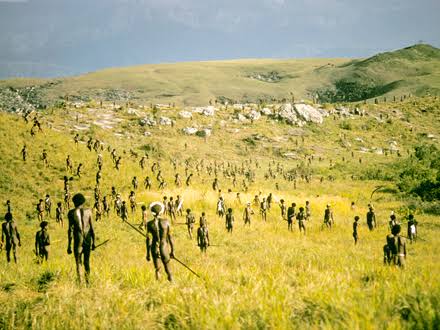
I discovered the existence of the movie through Expedition Content, thus I watched it and experienced it knowing what was behind it, colonial gaze and everything else that comes when a movie is constructed to fit a certain, problematic to say the least, view of the world. 
That being said, some of the images used are so powerfulーI’m here referring especially to the long shots of the battles between the two tribes, or the children washing the intestine of a pig in a river ーthat they escape the film own narration and the conceptual framing of the work. The movie is available here.

The First Emperor (Hara Masato, 197?)

From IFFR:

In 1971, Hara Masato and a group or actors started shooting his 16mm film, The First Emperor, based on an old Japanese book about history and myths that is known as the Kojiki (‘Record of Ancient Matters’). He did not finish the film. A year later, he started filming again with a small Super8 camera, all on his own, now intending to make some shots of the locations he had not previously been able to film. On the way, he reconsidered his ideas and realised that the myths could not be found anywhere outside and were not filmable in a material sense, but that they were located in cinema itself or in the making of cinema. He decided that recording his hunt for locations was the best way to finish The First Emperor, in which the Japanese myths could also serve as material. The smallest universe known as cinema corresponds with the universe of telling myths about Creation. This is a travelogue by the film maker himself and a film about film, while it is also a myth about film.

There are many iterations of this “movie”, the work completed by Hara in 1973 was 7 hour long, and there are later versions of 4 and 2 hours. A decade or so ago, I saw a 7 hour version (not sure if it was the first version), with live accompaniment by Hara himself, few years ago the 4 hour long, and last month the restored 2 hour edit (two-screen version). 
The latter is for me the best, a lysergic trip into the fabric of filmmaking and memories, and film as memory. 
Hara and his works is something that should be explored more—not only in connection with the so called Japanese new wave, he co-wrote Ōshima’s The Man Who Left His Will on Film, and the concept of fûkeiron (landscape theory) in film, to which this movie certainly belongs —but also as a unique filmmaker who works “outside” of cinema as traditionally conceived, in a liminal space formed between personal cinema and amateur filmmaking.

Japanese science and PR films are a well of discoveries, particularly those produced in the late 1950s and 1960s, when many directors who later would have become big names, started their career working in this genre. In the last past months I’ve had the chance to watch a couple of shorts directed by Noda Shinkichi, a director, poet, theorist and producer who was affiliated and collaborated with, among others, Matsumoto Toshio, and who was a central figure in the development of documentary in Japan.

Country Life Under Snow この雪の下に (1956) is a fascinating depiction of the harsh life in a rural area in Yamagata prefecture, while Transporting the Olympics オリンピックを運ぶ (1964) is a documentary about the logistics and the behind the scene of the 1964 Olympics. How things (boats, yachts, traffic cones, film reels, etc.) and animals (horses, pigeons) were transported from and to Tokyo. Directed by Matsumoto and Noda, the film was part of the official coverage of the event, but the two crafted an interested filmic object nonetheless (the classic music used, for instance, reminded me of the Japanese new wave). The work tells us that without the people working behind the scene, such a big scale events would not be possible.

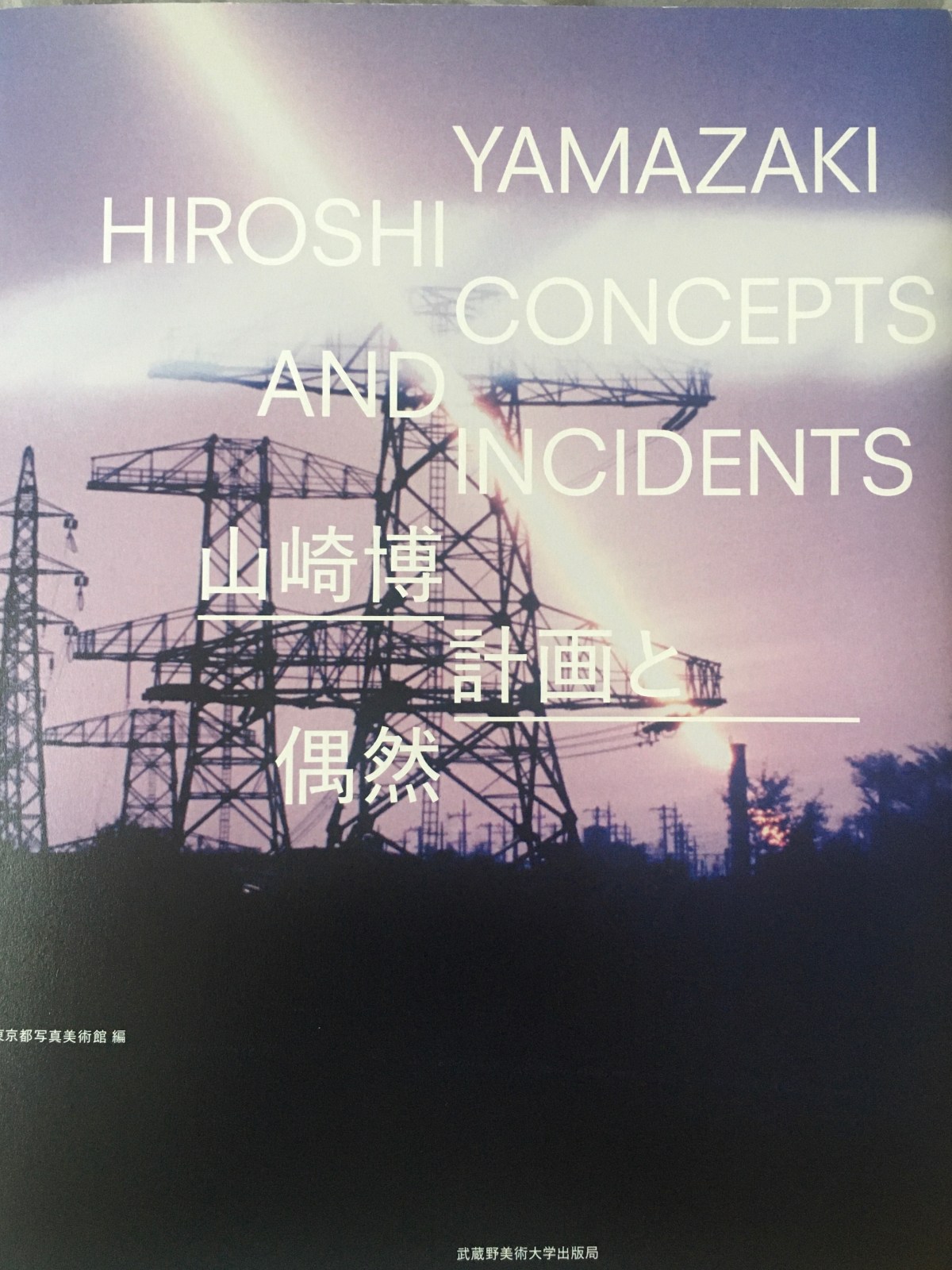
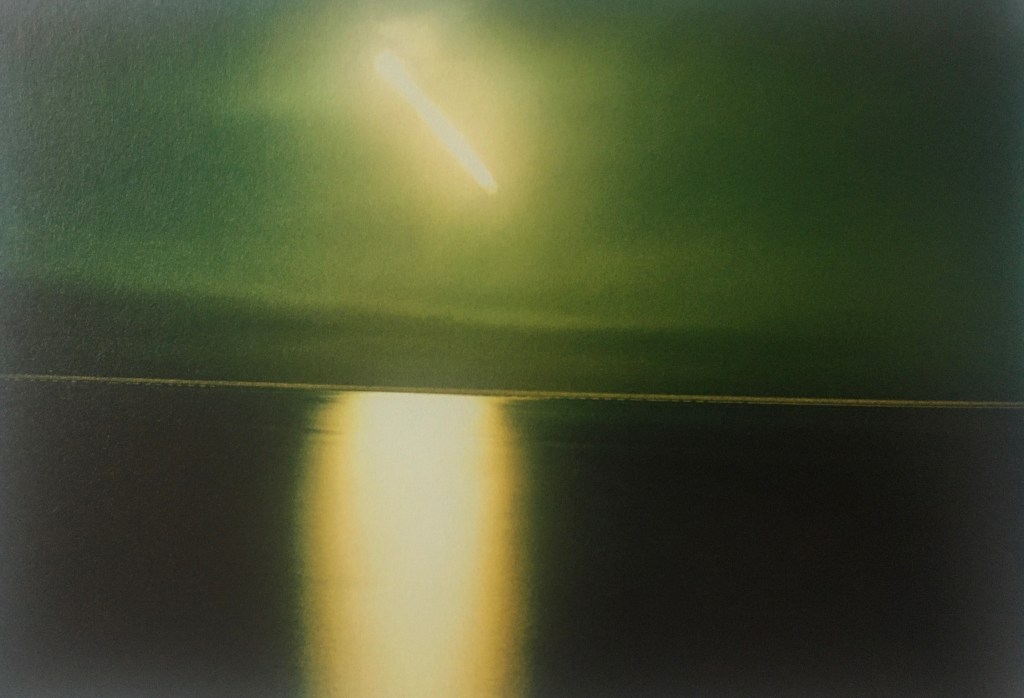
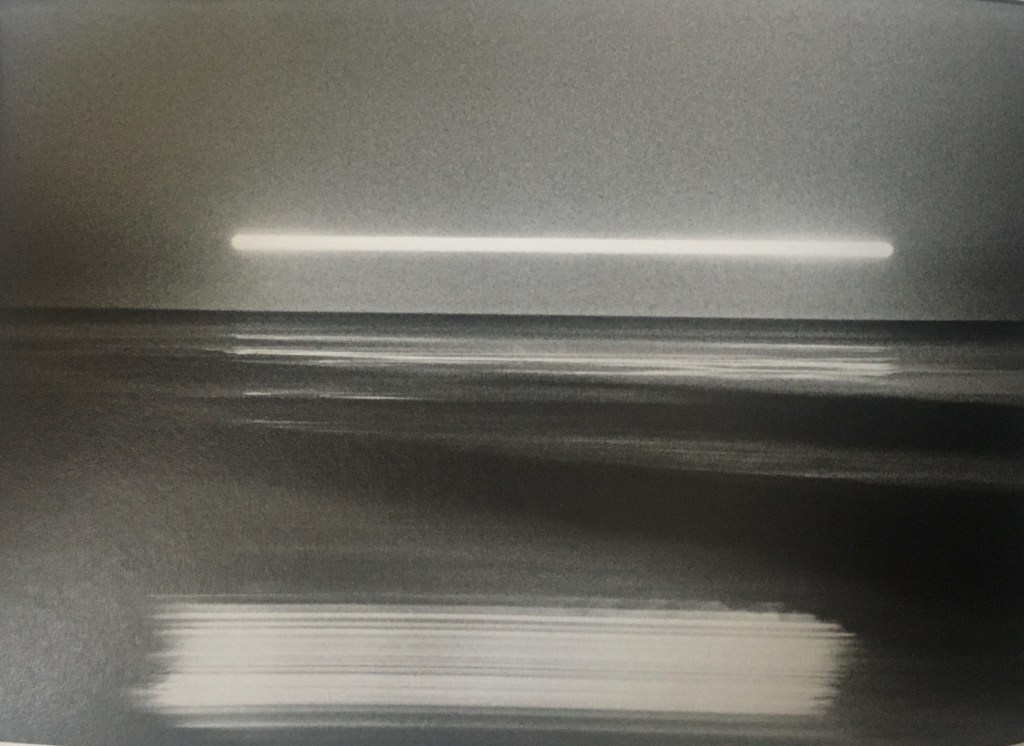
Yamazaki Hiroshi, Concepts and Incidents 山崎博 計画と偶然

A different sort of post today.

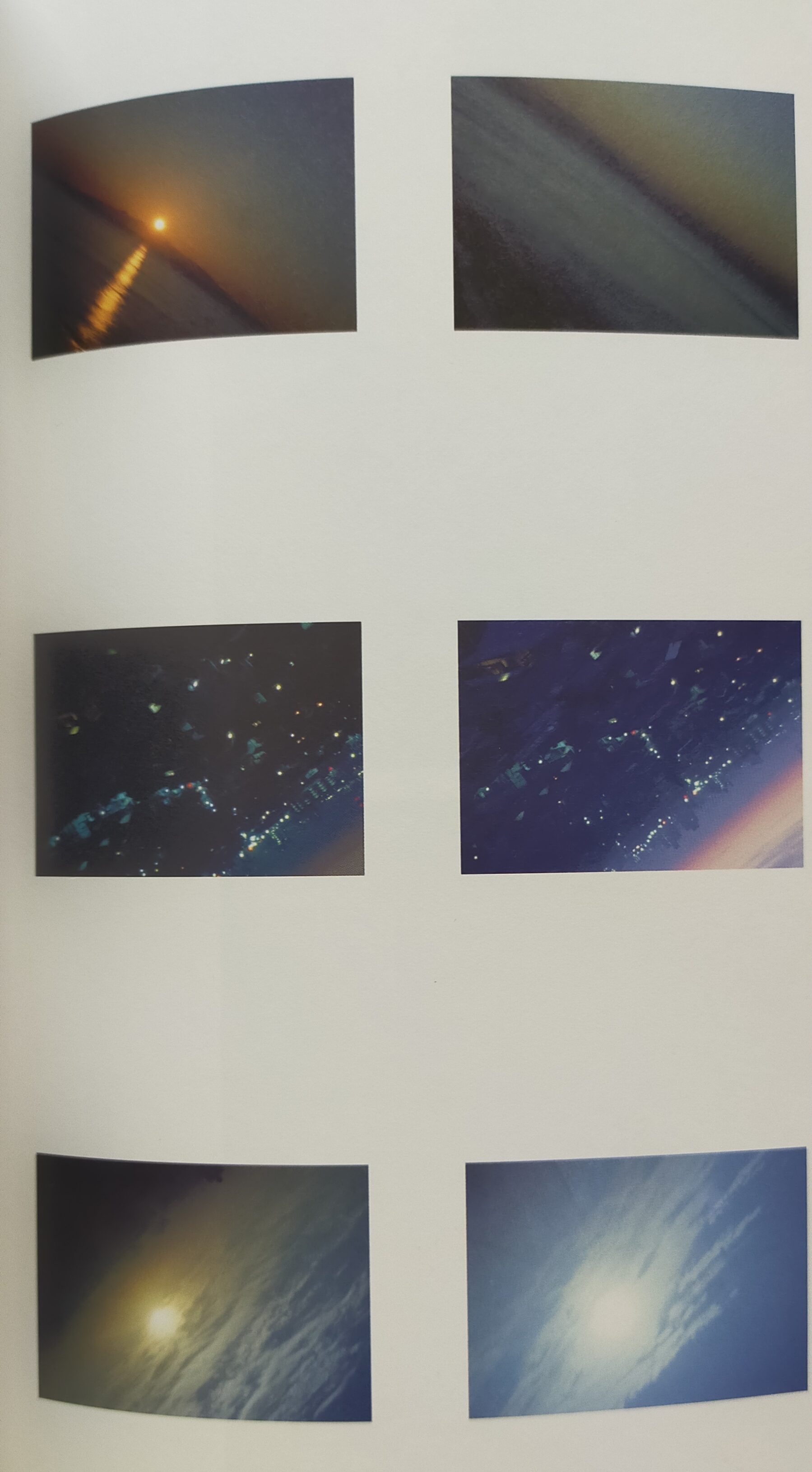
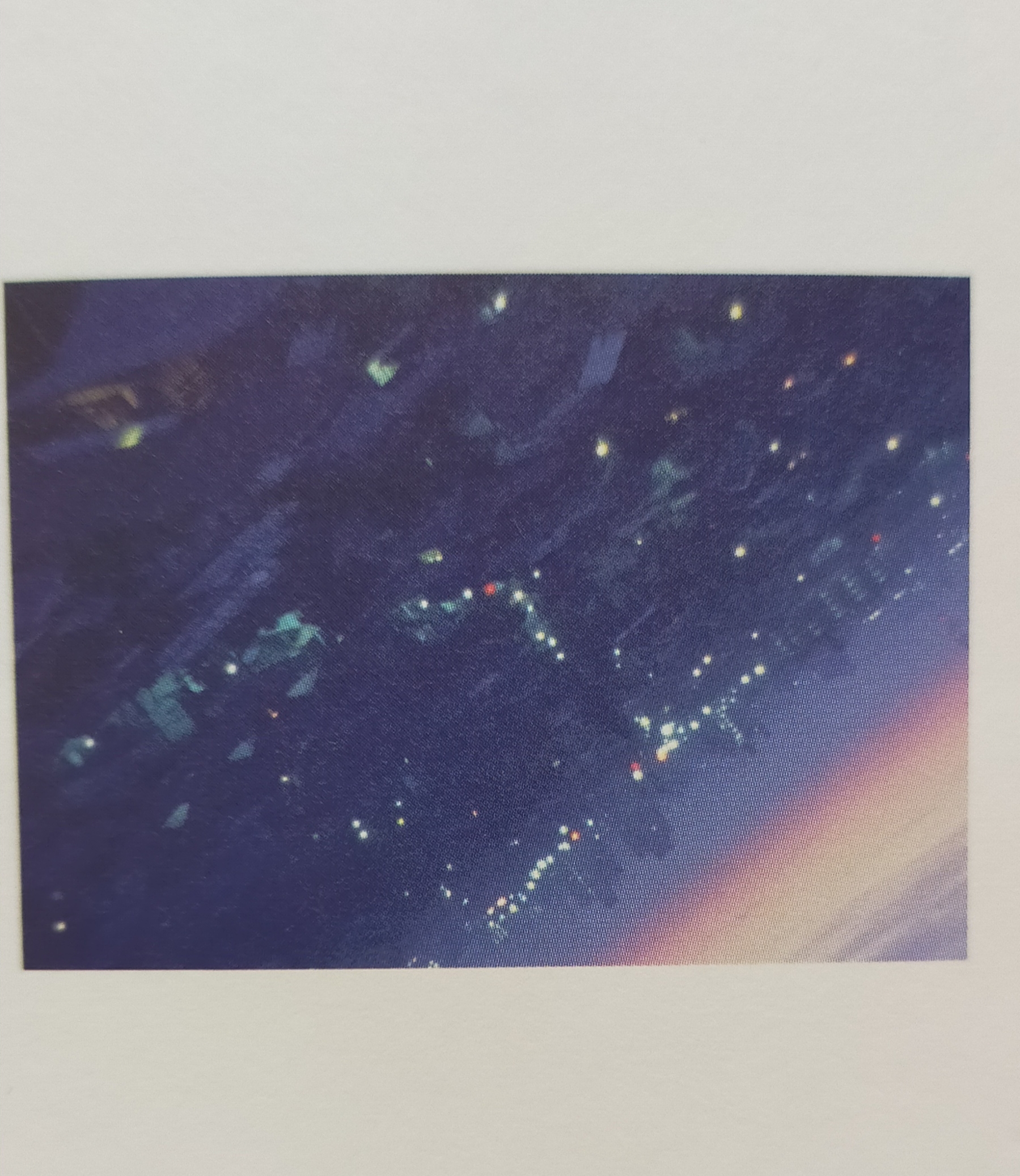
Since the cinematic works of Yamazaki Hiroshi are, to say the least, not really available ー I was lucky enough to attend a retrospective dedicated to his experiments in 16mm, organized by the Image Forum Festival a couple of years ago (you can read more here) ー I thought it would be interesting to post here some of his photographs. After all he was first and foremost a photographer, a conceptual photographer to be more precise, whose works as a filmmaker were a continuation of the path created and explored with his still images.

On s side note, it blew my mind to discover that he was the cameraman who shot the overworldy time-lapse images of the Sun in Ogawa Pro’s The Sundial Carved with a Thousand Years of Notches — The Magino Village Story (1986), a solar connection to be further explored, and another proof, if we needed any, of how the masterpiece shot in Yamagata was also the result of a collective effort, and an interwaving of influences and contributions from different artistic fields.

The following photos are taken from Yamazaki Hiroshi, Concepts and Incidents 山崎博 計画と偶然, an English/Japanese catalogue published on the occasion of an exhibition organized at the Tokyo Photographic Art Museum in 2017. The volume covers Yamazaki’s career from his debut, at the end of the 1960s, until his late works, and it’s divided in chapters following the different phases, approaches and interests in photography and film throughout his life, he passed away in June 2017, less than a month after the end of the exhibition.

Stills from Heliography (1979), in my opinion Yamasaki’s masterpiece
Stills from a video experiment, Flower in the Space (1989)

Online Film Festivals: first impressions

Already more than half year has passed since the pandemic generated a tidal wave of changes in our daily lives and habits. Of course the world of cinema and the film industry at large have been affected by Covid-19 too, and one of the consequences is that the international film festival circuit has been completely disrupted.

From last March, most of the big film events worldwide have been cancelled, postponed or have moved online, and it was only in recent months that we saw, with Venice as a frontrunner, the return of the film festival as we used to know it, with all the necessary social distancing and limitations.

Many festivals opted for an online and often limited edition. It has been interesting for me to see how these net-events have been organised and scheduled (ticket price, catalogs, regional restrictions, etc.) and, I have to be honest, it was fun to experience them in all their diversity, and I’m not talking about the movies. Before proceding with some reflections on a couple of online festivals I’ve “attended”, let me make some disclaimers:

– I live in central Japan, in a small city far from Tokyo, and neither very near to Osaka or Kyoto, that is, for me going to a festival here in Japan means to plan in advance and commit time and money.

– I work in the field, so to speak, I write and occasionaly collaborate with film festivals, but I have also a daily job that allows me to survive.

– I really enjoy going to film festivals, watching the movies is only a part of the experience, it’s everything else that makes it special for me, film culture extends way beyond the mere act of wtching a movie, online or not. That is one of the reasons why going to the Yamagata International Documentary Film Festival every two years has been a real joy.

That was to clarify my position. Now, in the past months I had the chance to experience, in one form or another, watching many movies or only one, the following online film festivals:

Far East Film Festival, Udine, Italy

Il Cinema Ritrovato, Bologna, Italy

EXiS 2020, Seoul, South Korea

Open City Documentary Festival, London

Yūbari International Fantastic Film Festival, Yūbari, Japan.

2020 Skip City International D-Cinema Festival, Saitama, Japan.

Le Giornate del cinema muto, Pordenone, Italy (starting soon)

and counting…

The biggest wall that everybody interested in watching film festivals online (or should I call them film events online?) bump into are the regional restriction. Understandably, not all movies can be licensed to stream in all locations, and navigating through these limitations can be frustrating at times. The Udine Far East and Il Cinema Ritrovato had regional restrictions but their sites (actually the MyMovie platform) was very easy to navigate and it was very clear which movies were available in which country.

Those two festivals and Le Giornate in Pordenone use the same screening schedule’s method: each movie is scheduled at a certain day on a certain time, like in a normal film festival, but it’s available to watch online for 24 hours, also to make it easy for people watching from different time zones. On the other hand, the Yūbari Film Festival in Hokkaido basically replicated online the format of the physical festival: there were three “screens” (channels on Hulu Japan, the festival was free if you had the service) each showing different movies, a bit like TV, with the only difference being that the movies were rotating. While this option is without doubt the closer to the real festival, I found the 24 hours window to be the perfect one for me, you still have the “pressure” of missing a movie, but at the same time it’s easy to organise your day.

A different approach is being used by the Skip Digital Festival (at the time I’m writing still happening), if you buy a pass, about 1500 yen, you can can watch, only if you’re in Japan, all the 24 movies presented, at any time during the event.

While, as I wrote above, the online festival is not the same as the “real thing” ーno big screens no communal viewing, no socializingーit is undisputable that for cinema people who, like me, live far from big cities, in other countries, or don’t have much free time, it’s a golden chance for new discoveries. And by the way, you’re finally watching movies like the film festival programmers and directors…on your PC….

Is the online film festival here to stay? I don’t honestly know, but I would say that in the next few years we will see more hybrid experiments between online and physical film festivals happening.

Feel free to chime in and share your experience, you can do it here.

The Japanese Cinema Book – Ogawa Productions

We are currently navigating uncharted waters and I hope all you readers out there are safe and doing well, so today just a brief post to point to the release of an important volume: The Japanese Cinema Book, edited by Hideaki Fujiki and Alastair Phillips for Bloomsbury. As stated by the editors, the volume

provides a new and comprehensive survey of one of the world’s most fascinating and widely admired filmmaking regions. In terms of its historical coverage, broad thematic approach and the significant international range of its authors, it is the largest and most wide-ranging publication of its kind to date.

Ranging from renowned directors such as Akira Kurosawa to neglected popular genres such as the film musical and encompassing topics such as ecology, spectatorship, home-movies, colonial history and relations with Hollywood and Europe, The Japanese Cinema Book presents a set of new, and often surprising, perspectives on Japanese film.

With its plural range of interdisciplinary perspectives based on the expertise of established and emerging scholars and critics, The Japanese Cinema Bookprovides a groundbreaking picture of the different ways in which Japanese cinema may be understood as a local, regional, national, transnational and global phenomenon.

The book’s innovative structure combines general surveys of a particular historical topic or critical approach with various micro-level case studies. It argues there is no single fixed Japanese cinema, but instead a fluid and varied field of Japanese filmmaking cultures that continue to exist in a dynamic relationship with other cinemas, media and regions.


The Japanese Cinema Book is divided into seven inter-related sections:
· Theories and Approaches
· * Institutions and Industry
· * Film Style
· * Genre
· * Times and Spaces of Representation
· * Social Contexts
· * Flows and Interactions

There are a couple of chapters, or parts of them, that cover what is the main interest of this site, the production and evolution of documentary cinema in the Japanese archipelago, experimental cinema, and amateur/home films. I was positively impressed by the scope of The Archive Screening locality: Japanese home movies and the politics of place by Oliver Dew, the ever-shifting boundaries between amateur/professional filmmaking, and everything that exceeds what we usually consider “cinema” are problematics that fascinate me. I might write something about Dew’s essay and Japanese home movies in general at another time, but today I want to briefly touch on the chapter written by Hata Ayumi. Filling Our Empty Hands’: Ogawa Productions and the Politics of Subjectivity is a dive into Ogawa Productions, with a special focus on how the collective changed their film-making identity, a process seen through the lens of three works made by the group at different times of their trajectory, Forest of Oppression (1967), Sanrizuka – Heta Village (1973), and The Magino Village Story – Raising Silkworms (1977). I will highlight some of the passages in the essay that more resonated with me, mainly those about the collective and their period in Yamagata.

One of the most interesting issues tackled in the chapter is for me the connection the author draws between, on the one hand, the portrayal of farmers and farmers’ life created by the group throughout their career, and the rise of the minshūshi movement during the 1960s and 1970s in Japan, on the other. “The minshūshi, or ‘people’s history’ project, was part of a larger intellectual movement of the 1960s and 1970s that sought to construct new representations of the minshū, or non elite ‘people’ as political and historical agents, and overcome the view that they had been inert and passive objects of rule throughout history.”

The shift from a style of film-making more focused on the political struggle to a depiction, almost an ethnographic exploration, of the histories and cultures traversing villages and people in Sanrizuka, is one of the reasons Heta Village is a pivotal movie for Ogawa Productions. Hata argues that, what I call a tectonic shift for Japanese documentary, was possible also by the influence and the interaction of the collective with the minshūshi movement, thus repositioning the path of the collective in a much larger historical and political canvas.

One of the most astonishing artistic achievements in the long years spent by the collective in Yamagata filming and farming, was the ability to reach a degree of proximity, almost a merging and an identification, with the subject filmed, the taishō. Not only a proximity with people and their point of view, but also a quasi-fusion with the landscape and its non-human elements as it were, the plants, the seasonal changes, the weather, the geological time of the area, or the Sun perceived as a orbiting star. To read in the essay that Ogawa and his group “took this ideal subjectivity even further with the idea of ‘the human possessed by the rice plant’ (ine ningen), an imagined, metaphorical entity that they strove for in order to capture the essence of rice cultivation” was for me a confirmation and a revelation.

The beautiful poster of Magino Village: A Tale (1986)—some of the words on it are pure poetry, “a movie mandala”, “to carve the time of life into the body of film”—beautifully embodies this strive towards the becoming-rice plant of the collective, and it is in itself a work of art, in my opinion.

There are several scenes in Magino Village that encompass this love and obsession towards rice, farming, and all the human and non-human life that revolves around a plant so important for Japan and its people. Tamura Masaki patiently filming rice flowers bloom is one of the most famous, used also as the cover of the Japanese DVD, but my favourite is the one you can watch below, a scene Markus Nornes has described in his book on Ogawa Pro as “the most prominent haptic images” in the film.


Best (favorite) documentaries of 2019

Here we go again, like every year and like all (wanna-be) respectable cinema blogs or cinephiles around the web, these are my personal favorite documentaries of 2019. As usual, and it goes without saying, the list below is a reflection of my taste, interests and viewing habits during 2019, and thus it is mainly composed of documentaries made in the Eastern part of the Asian continent (but there are few exceptions of course).


Outstanding works (unranked)

Many Undulating Things (Wang Bo, Pan Lu)
History, art, geography and colonialism mixed in an aesthetically challenging piece of work. The movie is an expansion of Miasma, Plants, Export Paintings, a short made in 2018 by Wang Bo and Pan Lu.

No Data Plan (Miko Revereza)
A travelogue and a drifting through America to explore the identities of undocumented immigrants, the director himself and his mother.

Memento Stella (Takashi Makino)
Like a wave of spiritual materialism in continuous becoming.

Cenote (Ts’onot) (Oda Kaori)
After Aragane, and Toward a Common Tenderness Oda moves her attention to the cenotes in Mexico. It’s not a perfect movie, but has some of the most impressive combination of sound and images I’ve seen last year. Entrancing to say the least.

Reason (Anand Patwardhan)
Fascism in contemporary India.

This slideshow requires JavaScript.


Honorable mentions:

Indiana, Monrovia(Frederick Wiseman)

Happy Android (Jaina Kalifa)

The Holiday Inn-Side (Charby Ibrahim)

Dutch Angle: Chas Gerretsen & Apocalypse Now (Baris Azman)


Special (re)discoveries:

The Man Who Has a Camera (Liu Na’ou, 1935)

Kobayashi Issa (Kamei Fumio, 1941)

Senso Daughter (Sakiguchi Yuko, 1990)


Best cinematic experience

By far the best viewing experience I had in 2019 was not at all an orthodox cinematic experience. At Yamagata  I was lucky enough to be at a Gentou (magic lanterns) screening, dedicated to the grass-roots movements in the Miike mine’s strikes during the 1950s.


The Emperor’s Naked Army Marches On (Hara Kazuo) out on Blu-ray and DVD

The UK-based label Second Run has just released a Blu-ray and DVD of one of the most respected and internationally known Japanese documentaries, The Emperor’s Naked Army Marches On, directed by Hara Kazuo in 1987. The movie has often appeared in best-documentaries lists around the web and in prestigious magazines as well, it was at number 23 of the Sight & Sound’s best documentaries of all time, a list compiled by critics in 2014.

Here the description of the movie and the extras included in the new release:

Presented from a new director-approved HD remaster, Second Run present one of the most renowned, ground-breaking and inspirational documentaries of the past half-century.

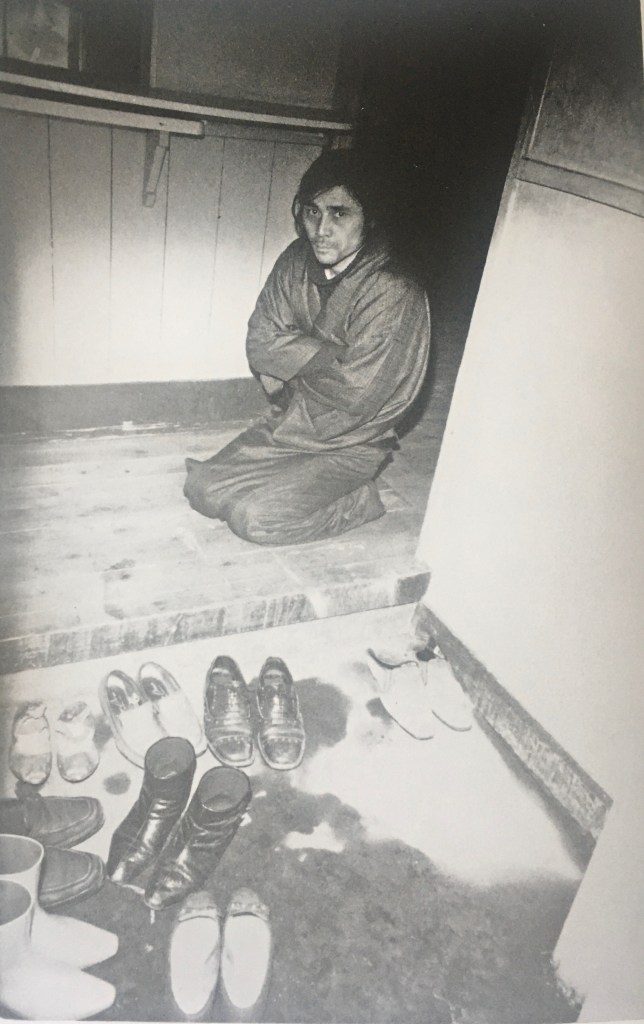
Conceived by Shôhei Imamura, Kazuo Hara’s infamous and audacious documentary follows Kenzo Okuzaki, an ageing Japanese WW2 veteran, on a mission to uncover the truth about atrocities committed as the war in the Pacific reached its bloody end. Ultimately, Okuzaki blames Japan’s Emperor Hirohito himself for these barbarities, and his obsessive pursuit of those he deems responsible soon escalates. Willing to confront the taboos of Japanese society in his fanatical quest for justice, Okuzaki is driven to unsettling acts of violence.

Harrowing and extraordinarily powerful, Hara’s film forces us to face the disturbing realities of war and, crucially, to question the complicity between filmmaker, subject and audience.

Our region-free Blu-ray and DVD editions also features a new interview with director Kazuo Hara, shot by the filmmaker especially for this release; the 2018 Open City Documentary Film Festival Masterclass with Hara and a booklet featuring writing by film historians Tony Rayns, Jason Wood and Abé Mark Nornes.

A great deal has been said and written about the documentary and about Hara himself, but if you want to explore more about the Japanese director, a good angle to approach his filmmaking is Camera Obtrusa: The Action Documentaries of Hara Kazuo (Kaya Production, 2009), a volume collecting some of Hara’s writings. If you want to know more about Kenzo Okuzaki, beyond Hara’s depiction of him in the film, there’s this in-depth paper written by scholar Tanaka Yuki,  “Yamazaki, Shoot Emperor Hirohito!” Okuzaki Kenzo’s Legal Action to Abolish Chapter One (The Emperor) of Japan’s Constitution.